







Introduction:Want to learn how to make cold drip coffee? This illustrated guide explains the key parameters of cold drip coffee, including the coffee-to-water ratio, dripping speed, suitable coffee bean types, and the best ways to present its flavors. Whether you're a beginner or an advanced enthusiast, you’ll find practical tips for adjusting your setup and mastering this patient art of coffee brewing.
During hot summer days, cold drip coffee becomes the go-to choice for many coffee lovers—not only because it’s refreshing and thirst-quenching, but also for its unique flavor and delicate mouthfeel. However, making cold drip coffee is relatively time-consuming, usually taking at least half a day or more, which is part of its charm.
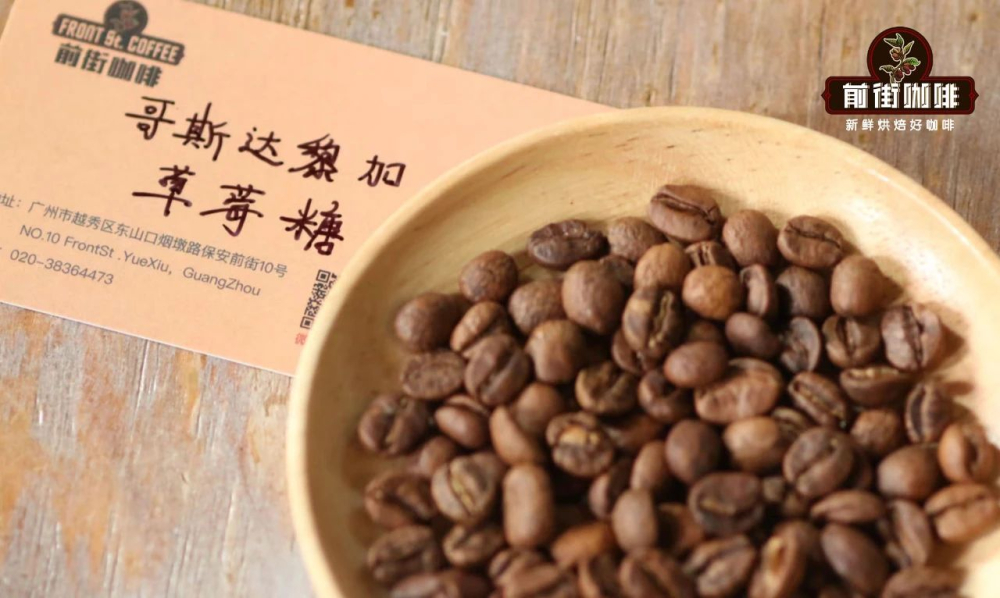
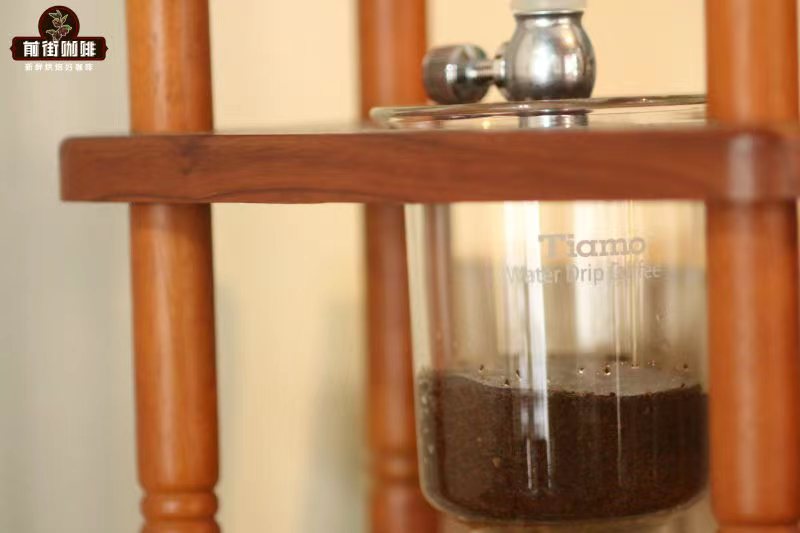
First, place the ground coffee into the middle chamber. It's recommended to use a medium-fine grind, similar to that for pour over but slightly finer. To fully bring out the aroma—especially for light to medium roasted beans—choose beans with prominent fruity or floral notes, or those with a wine-like character. For example, varieties with blueberry and strawberry aromas, or those with subtle sherry notes.
The key to cold drip extraction lies in using water or an ice-water mixture below 5°C. It's particularly important to fully saturate the coffee grounds before the dripping begins. This prevents channeling and ensures each coffee particle is evenly in contact with water, thereby improving the stability and consistency of the overall extraction.
The general recommended coffee-to-water ratio for cold drip is between 1:8 and 1:10. That means for every 100 grams of coffee grounds, use 800 to 1000 grams of ice-water mixture (with a suggested ice-to-water ratio of 1:1). Some baristas prefer a more concentrated brew, such as extracting about 600 ml of coffee from 60 grams of grounds—this gives a 1:10 ratio, with a grind size of around 85% passing through an 0.85mm sieve, slightly finer than typical pour over, so that when diluted with ice later, it still retains rich flavors.
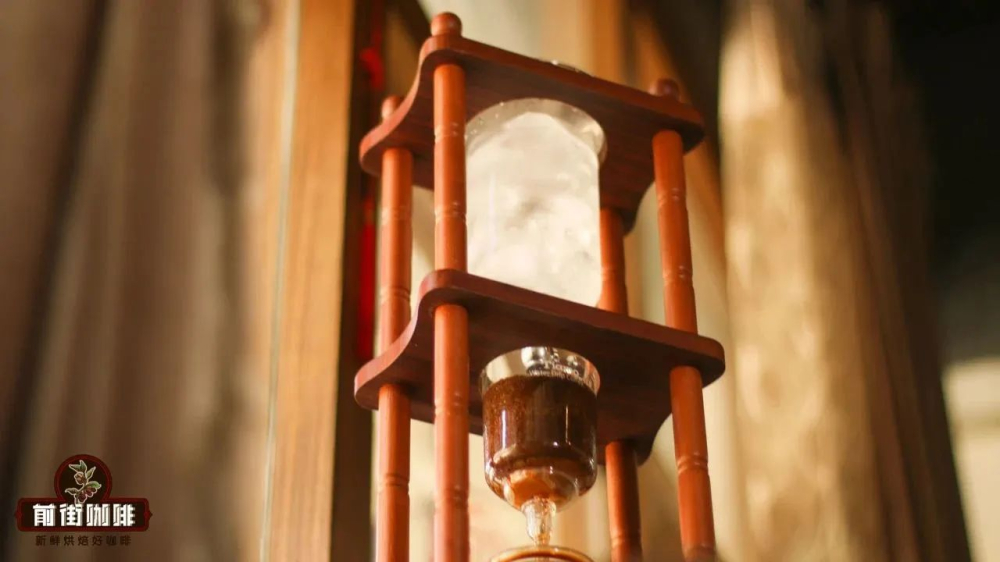
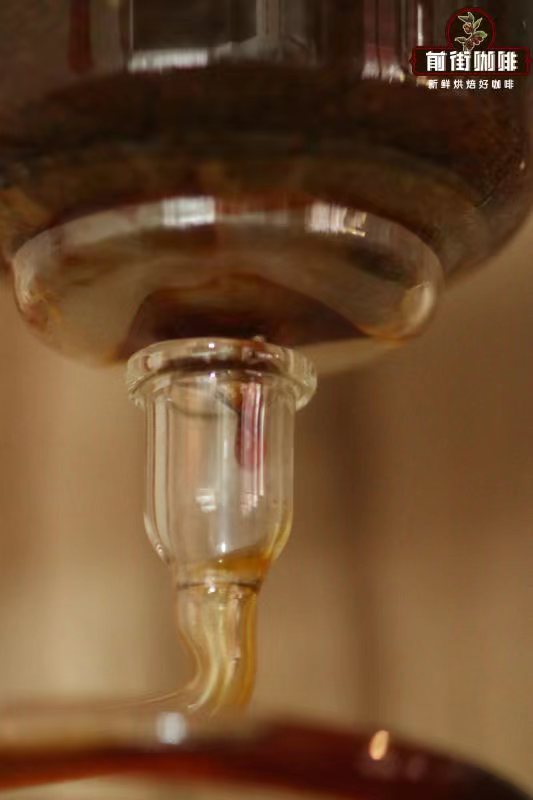
Of course, 1:10 is on the stronger side. For home or personal use, 1:12 to 1:14 is also common and balanced, and can be adjusted flexibly according to personal taste. The key is to control the dripping speed, ideally set to about 7 drops per 10 seconds. This rate balances sufficient extraction while avoiding over-fermentation.
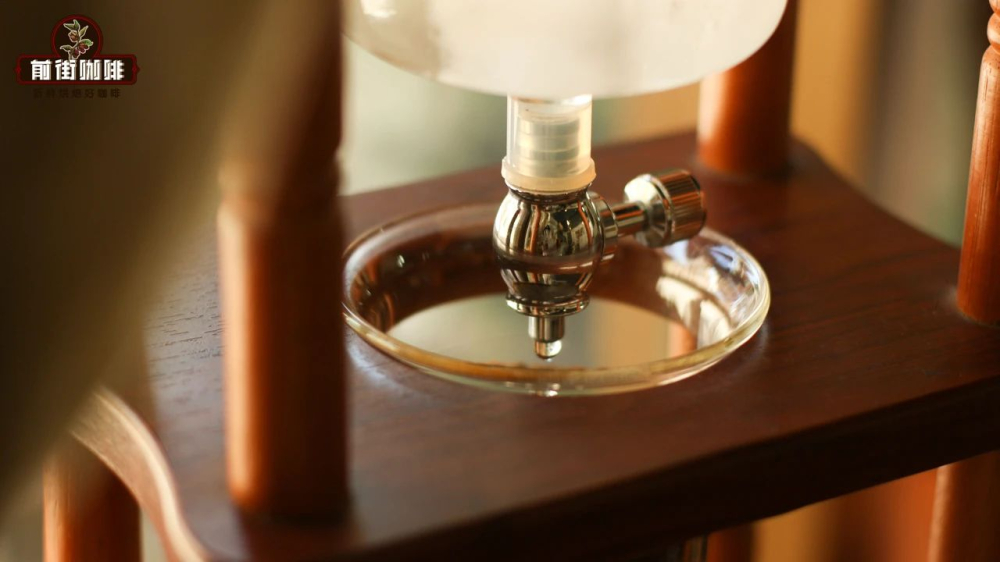
The entire extraction process requires patience, typically ranging from 3.5 to 12 hours, though most cases can be completed in 6 to 8 hours. During extraction, just ensure the ice-water mixture in the top chamber continues to flow—there’s no need to worry about the final volume of coffee being precisely accurate. You can stop once the desired extraction amount is reached.
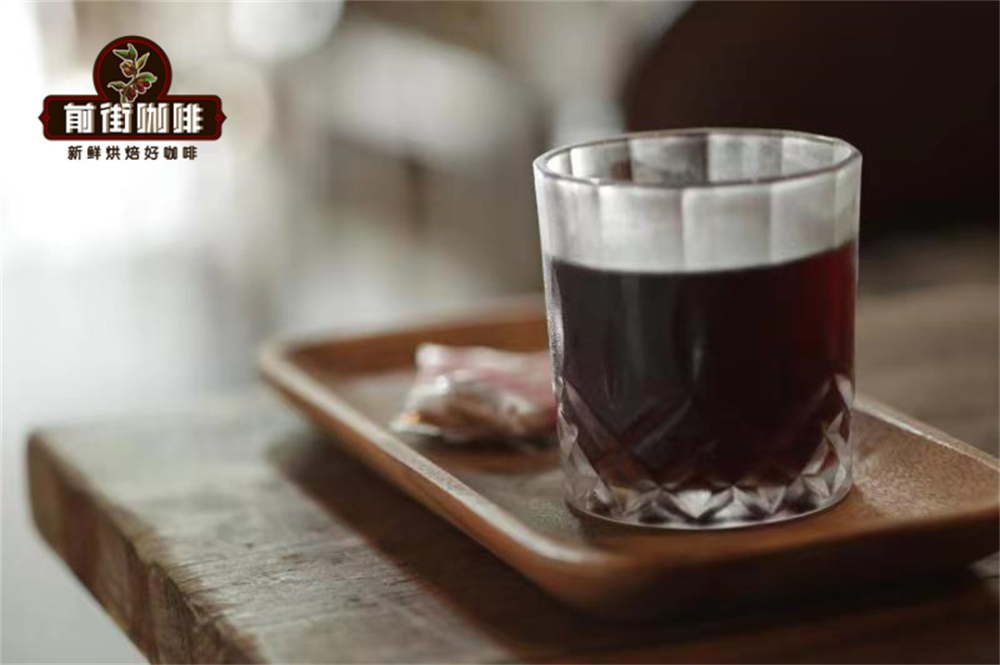
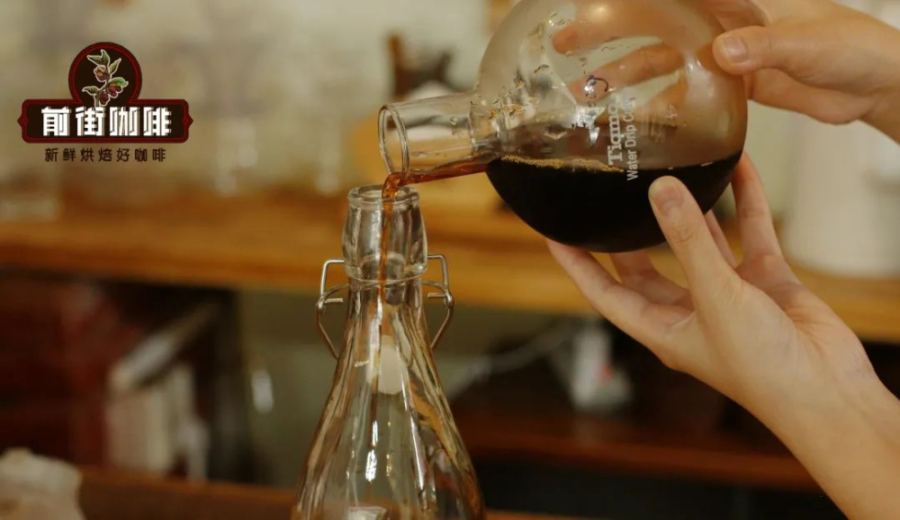
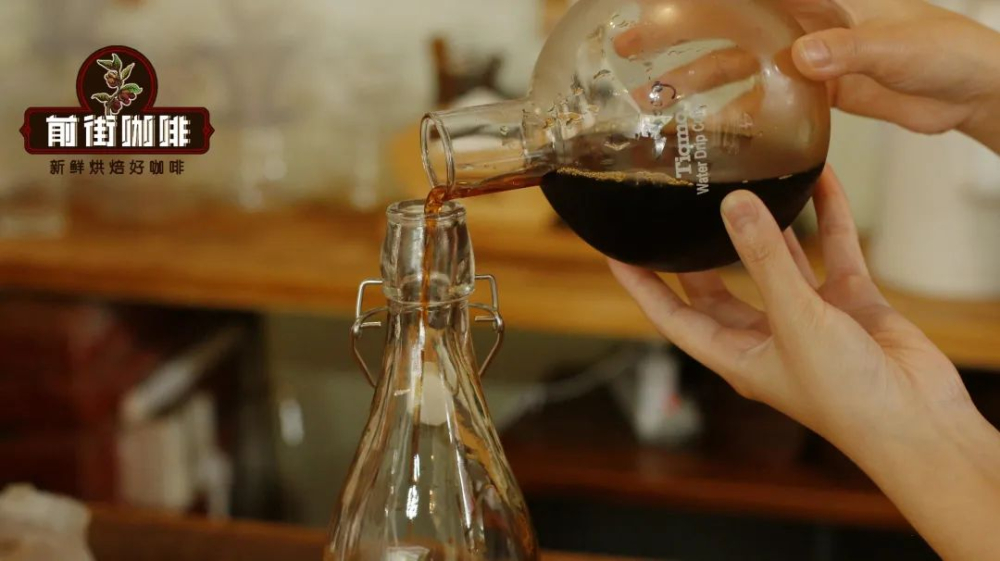
Once the cold drip coffee is extracted, it’s recommended to pour it into a sealed glass container and refrigerate for at least 12 hours. This resting period allows the coffee’s aroma to become more concentrated, and its sweet and wine-like characteristics to become even more pronounced. Finally, remember to let it warm up slightly or add ice before enjoying—savor this cup of coffee art refined by time.
The above content is compiled by CoffeeHunters, a coffee news website.


