







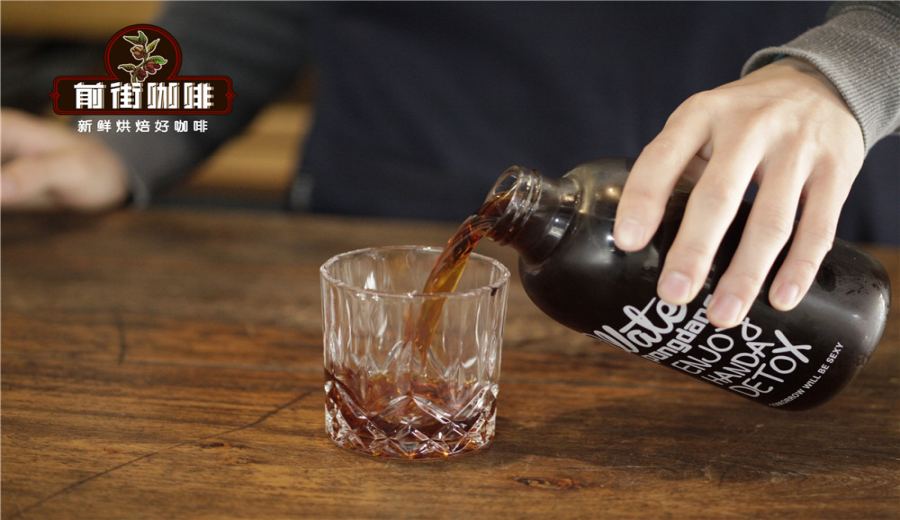
Introduction:Cold drip coffee, renowned for its unique low-temperature extraction process and rich flavor, is highly favored by coffee enthusiasts. This article provides an in-depth exploration of the origins of cold drip coffee, suitable bean varieties, and precise extraction parameters. Covering everything from equipment operation steps to the flavor profiles of beans with different processing methods, it offers a comprehensive practical guide to help readers master this refined coffee craft.
Cold drip coffee, also known as ice brew or water drip coffee (Ice Drip coffee), is a brewing method where ice water slowly drips through ground coffee. Compared to the high-temperature, fast extraction of common pour over coffee, cold drip coffee uses near-zero-degree ice water that gradually seeps through the coffee grounds over several hours or even longer. This allows flavor compounds to be released slowly in a low-temperature environment, ultimately resulting in a coffee liquid with a rich mouthfeel and delicate aroma.
Traditional cold drip coffee utilizes ice water formed by the natural melting of ice cubes, which drips drop by drop evenly into a coffee powder-filled filter cup. The entire process is slow and can take several hours, making it relatively expensive, but the resulting flavor layers are often astonishing. Unlike the high-temperature extraction of pour over coffee, the cold drip process avoids the off-flavors and release of woody fibers caused by high heat, better preserving the coffee’s delicate fruity notes and sweetness.
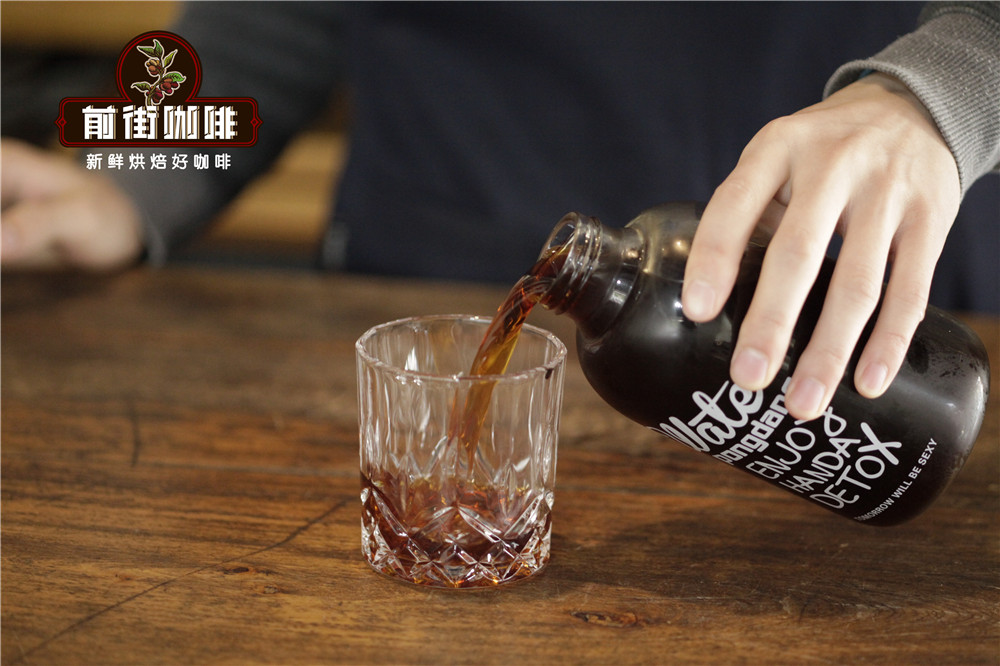
Cold drip coffee, extracted at low temperatures, usually needs to be left to rest in the refrigerator for at least eight hours before drinking. This allows the flavor molecules, which remain stable in the cold environment, to fully release as the temperature rises. During tasting, a noticeable burst of aroma can be perceived at the back of the tongue, delivering a unique sense of pleasure. Additionally, due to the long extraction time, some consumers believe that cold drip coffee has a relatively higher caffeine content. Those sensitive to caffeine are advised to choose low-caffeine bean varieties, such as Colombian Swiss Water decaf coffee.
The historical origins of cold drip coffee are varied, but it is generally believed to have originated in Europe, evolving from a coffee distiller invented by the Dutch, hence it is also called 'Dutch Coffee' or 'distilled coffee.' It is said that in the 1600s, Dutch sailors, lacking hot water while transporting Indonesian coffee, used cold water to extract the coffee and unexpectedly discovered its smooth and unique aromatic flavor, leading to the development of the cold drip technique. Although the name includes 'Dutch,' this technique is actually more closely associated with Japan. Kyoto-based baristas, referencing ancient brewing records from the Dutch colony of Indonesia and with the assistance of chemical experts and medical equipment companies, modified the equipment to successfully recreate the traditional brewing method, which was later mistakenly referred to as 'Kyoto coffee.'
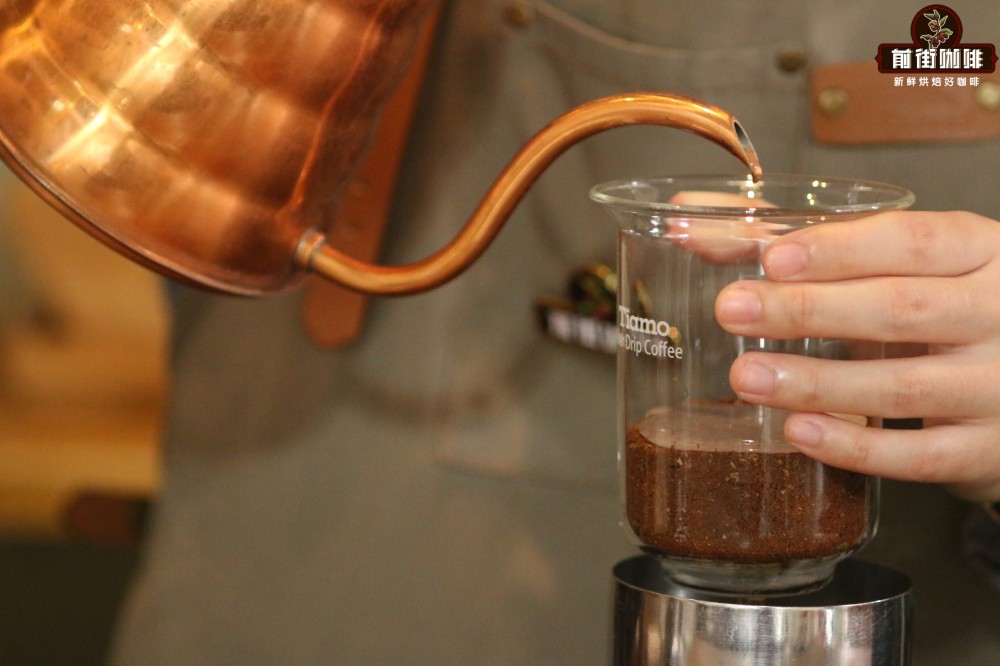
Western countries such as the Netherlands mostly use what is called the 'cold brew method (Cold Brew),' which involves steeping coffee grounds in cold water for an extended period, rather than the Japanese-style drip-by-drip cold drip method. Therefore, the term 'cold drip coffee (Dutch Coffee)' is not widely used in Europe or America.
Among the many coffee bean varieties, while cold drip extraction is suitable for most types, choosing single-origin beans with distinct characteristics can better highlight the advantages of low-temperature extraction. For example, Kenyan or Yirgacheffe beans with strong regional flavors can exhibit complex layering after cold drip processing; whereas blended beans can merge multiple flavor profiles to create a richer taste experience. Compared to cold brew, cold drip coffee often presents more subtle and delicate aroma variations.
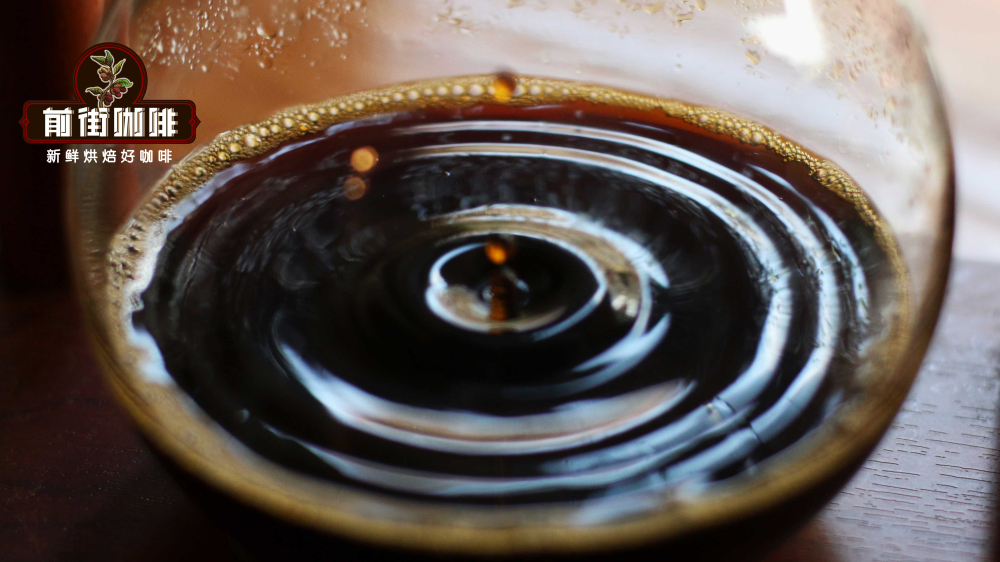
For bean selection in cold drip coffee, here are several common and outstanding types: First are beans with tropical fruit and fermented wine aromas, such as Mozart Coffee treated with raisin anaerobic honey, which showcases deep berry acidity and sweetness with lingering wine notes; Colombian Flower Moon Night, Honduran Sherry, and Costa Rican Strawberry Candy are also suitable for cold pour over or cold brew processing, with clear and distinct flavors.
If you prefer a clean and refreshing taste, African origins such as Ethiopian Yirgacheffe or Kenyan Assalia are excellent choices, and Panamanian washed Huali Gesha blend beans can also deliver a unique fresh profile. As for sweet and delicious dark roast beans, Indonesian Golden Mandheling, after cold drip extraction, exhibits pronounced chocolate and fermented aromas with a thick, non-bitter finish; Brazilian Queen Estate beans offer a nutty and creamy smooth texture, ideal for consumers who enjoy mellow flavors.
Additionally, cold drip coffee can also experiment with flavor blends, combining two or more single-origin beans in proportion. For example, a combination of Honduran Lishan and Gesha Village Red Label, with wine barrel treatment bringing brandy aromas and sun-dried processing adding plum acidity and maple sweetness, results in a cold drip coffee rich in fruity acidity, honey sweetness, and silky texture.
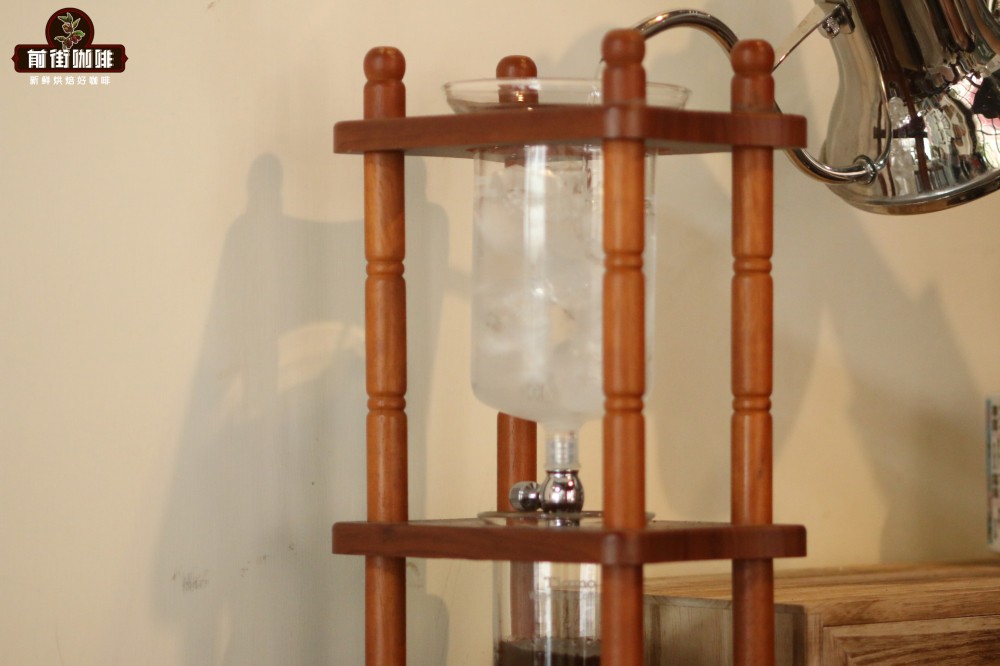
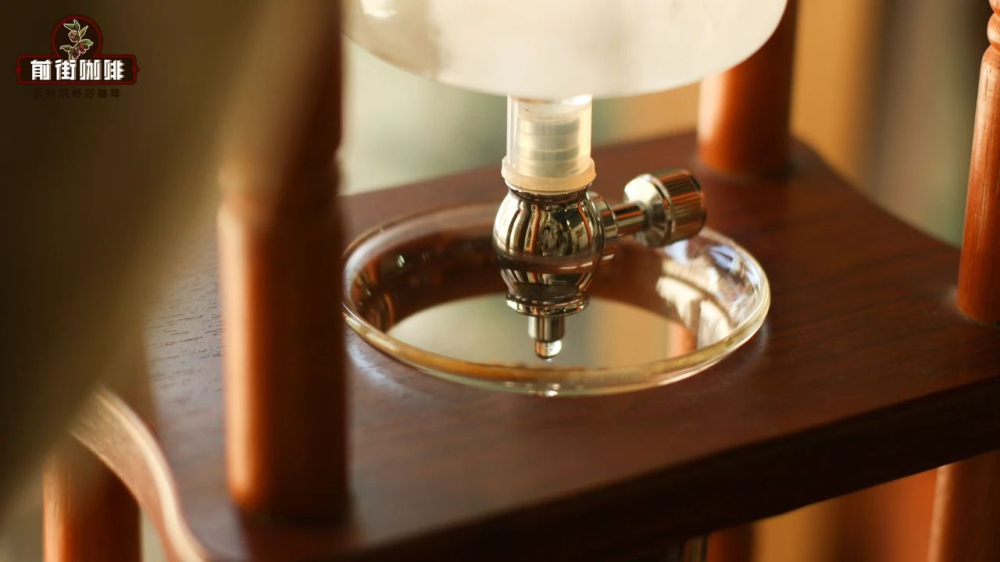
Cold drip coffee equipment is generally divided into upper, middle, and lower sections, consisting of four main structures: the top reservoir, valve, powder chamber, and bottom collection bottle. The top reservoir holds the ice water mixture, the middle powder chamber contains the ground coffee, and the bottom is equipped with filtration holes to allow the extracted liquid to drip into the bottom bottle for collection. During operation, the valve can be adjusted to control the dripping speed, with a recommendation of 7 drops per 10 seconds, and the whole process typically takes about 6 to 8 hours to complete.
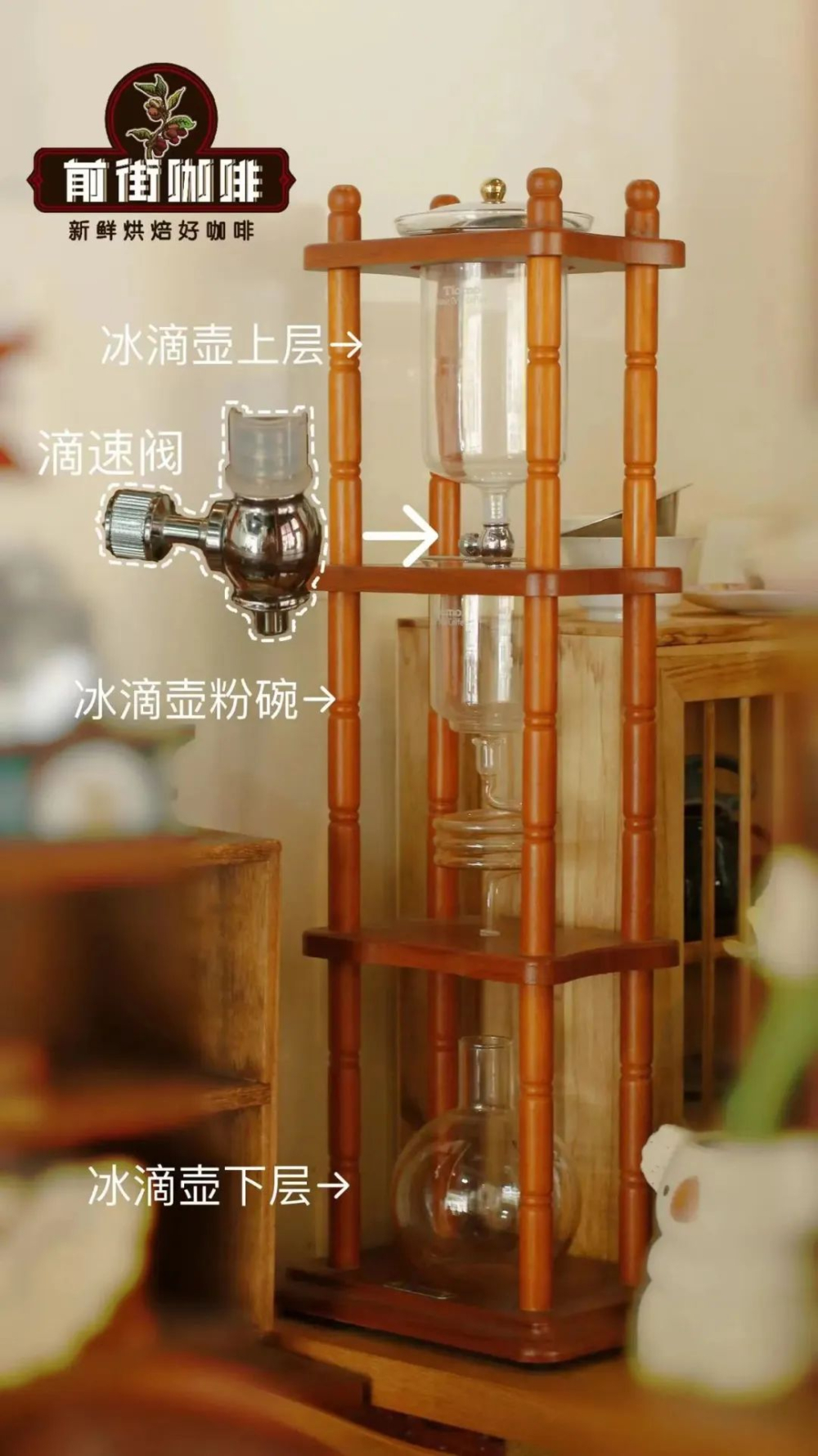
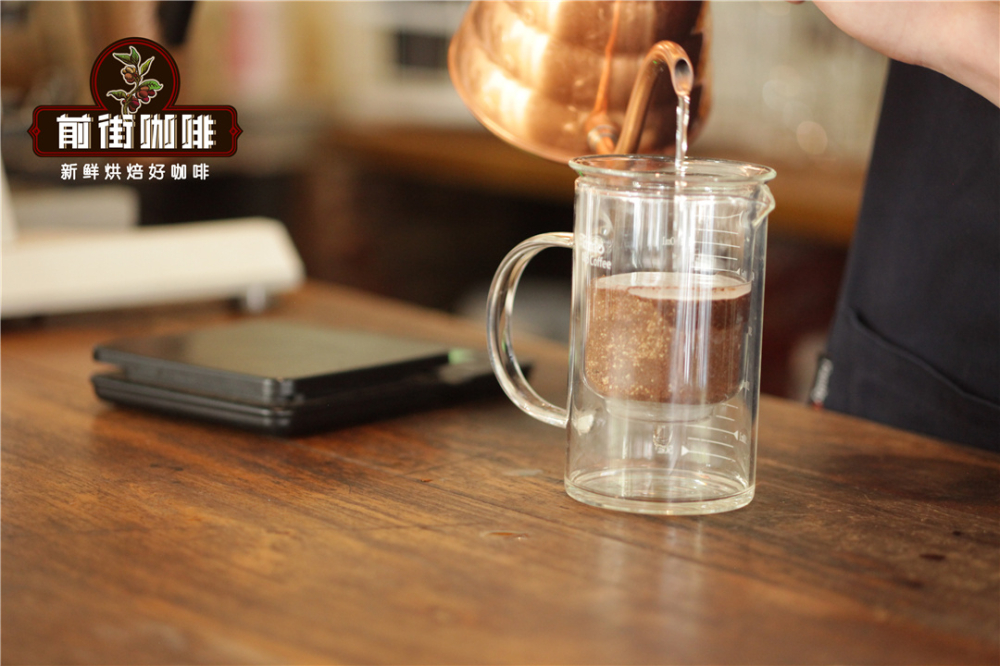
For actual operation, it is recommended to use a coffee-to-water ratio of 1:10, for example, 60 grams of coffee grounds to extract 600 grams of coffee liquid, with an ice-to-water ratio of 1:1. The valve flow rate should be controlled at 7 drops per 10 seconds. The grind size can refer to 85% passing rate through a Chinese No. 20 sieve, or Ek-43s grinder at setting 9, slightly finer than regular pour over to compensate for the lower extraction rate at low temperatures. Circular filter paper should be placed at the bottom and surface of the powder chamber, with the coffee layer first moistened with cold water to aid uniform extraction and shorten the initial unstable phase.
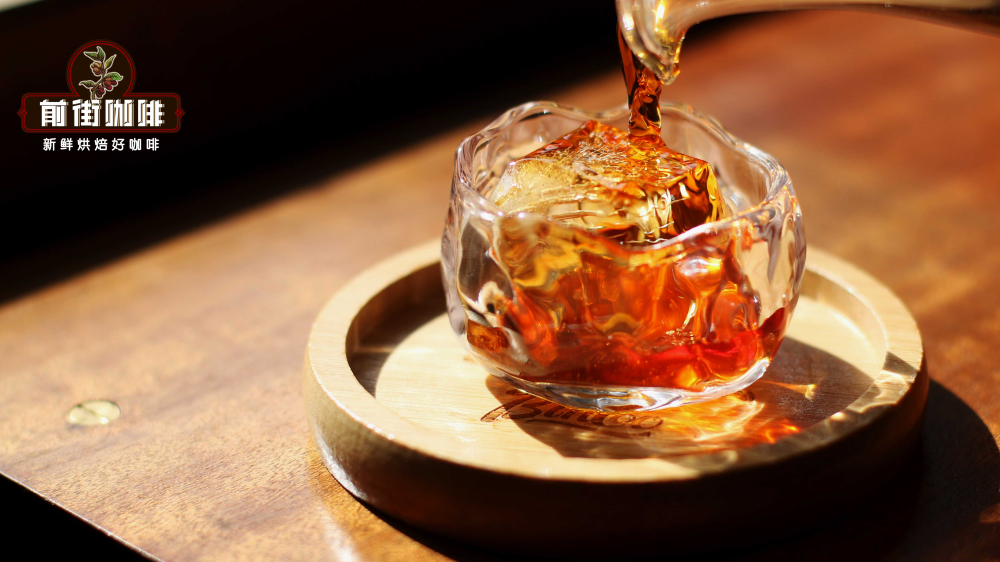
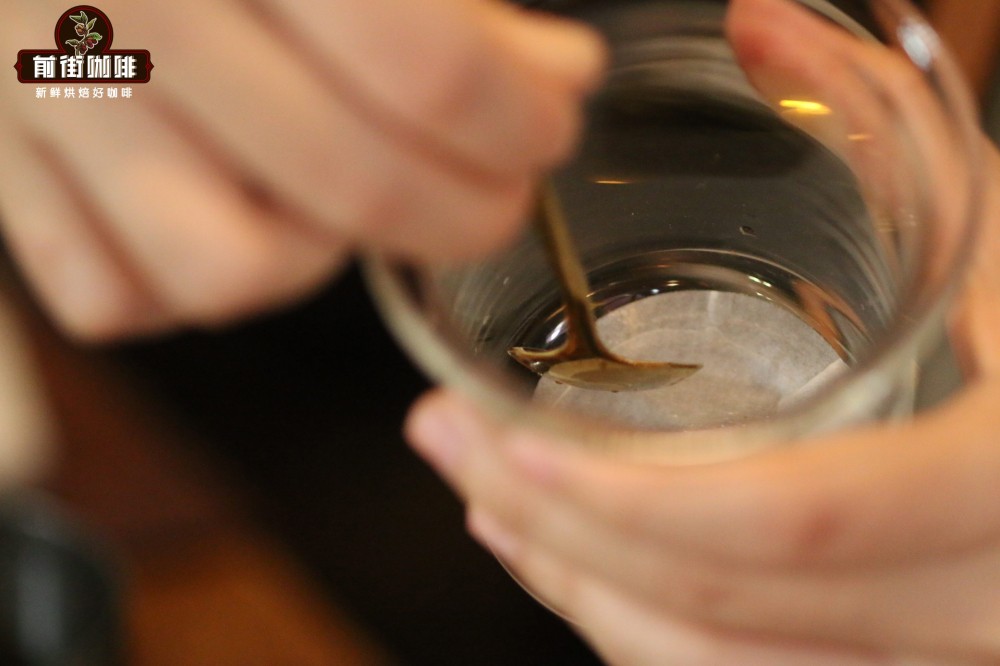
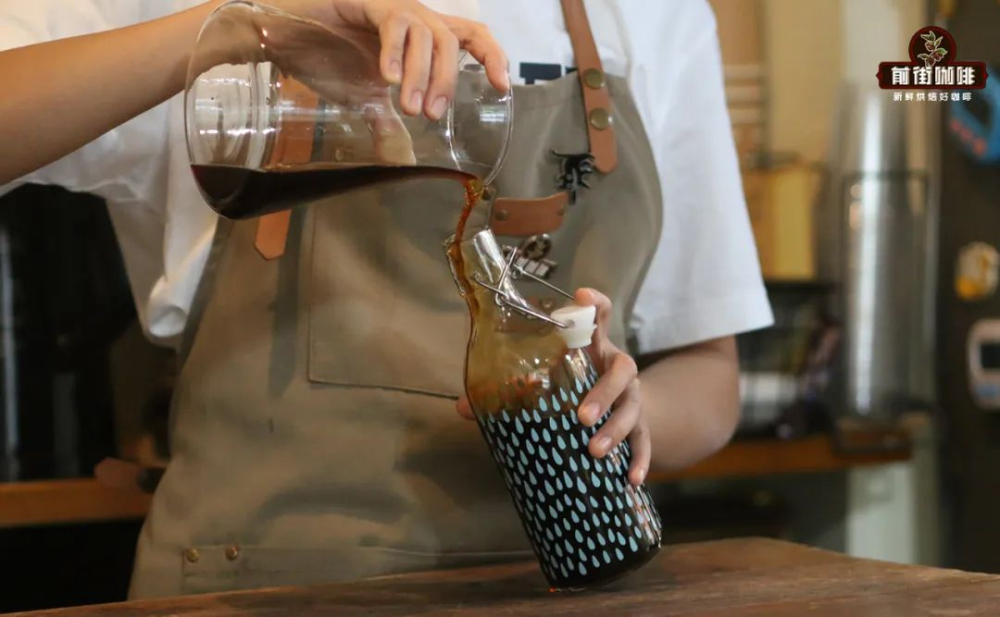
After completing the drip filtration, pour the coffee liquid from the bottom bottle into a sealed container. It is recommended to refrigerate for fermentation for more than 12 hours. Drinking the next day allows for a more noticeable aroma burst and flavor integration. Taking Mozart Coffee as an example, after cold drip and refrigeration, the tropical fruit acidity and sweetness of berries and pineapple become more prominent, with a rich yet non-bitter mouthfeel. When diluted with ice, it becomes as pleasant as a refreshing fruit wine.
In summary, the key to making cold drip coffee lies in understanding the equipment structure, selecting coffee beans, and precisely controlling the parameters. Whether you are pursuing fruity fermentation notes, a clean mouthfeel, or sweet richness, the right bean variety and carefully adjusted extraction conditions can allow you to enjoy professional-level cold drip coffee at home. Remember to follow the steps, pay attention to filter paper placement and even distribution of the coffee layer, and allow sufficient resting time to let each drop of cold drip coffee showcase its unique charm.
The above content is compiled by CoffeeHunters, a coffee news website.


