







Introduction:Cold drip coffee is renowned for its low-temperature slow extraction, yielding delicate flavors with fewer off-notes, making it an excellent choice for summer or for those seeking a unique taste experience. This article delves into the origins of cold drip coffee, its extraction principles, suitable bean varieties, as well as recommendations for single-origin and blended beans. It also provides practical brewing steps and aging techniques to help readers master the essence of this refined coffee craft.
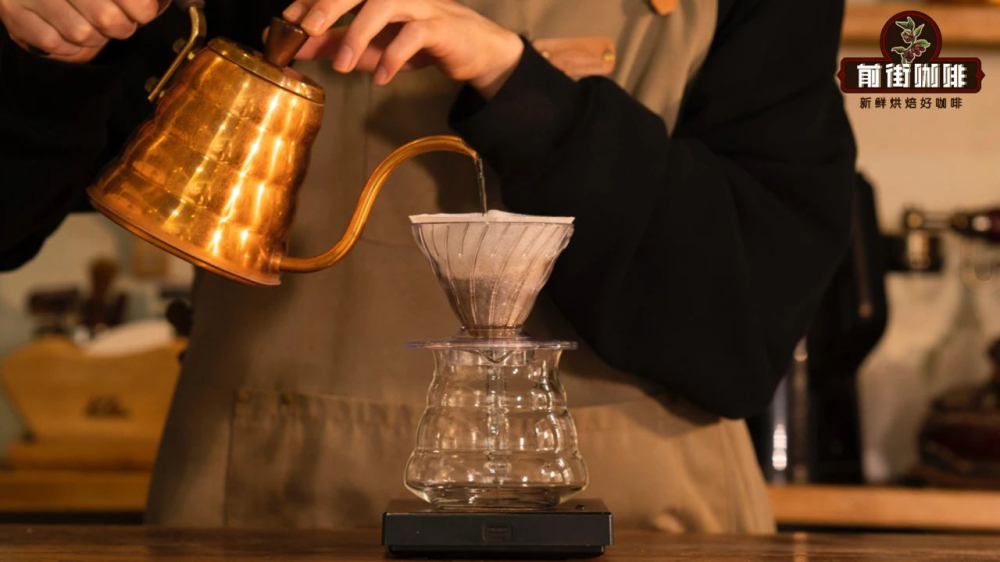
As the name suggests, cold drip coffee is made by extracting coffee using ice-cold water at low temperatures, which is fundamentally different from the common high-temperature pour over or hot water brewing methods. High-temperature extraction quickly releases tannic acids from the coffee, converting them into quinic acids, bringing out layers of acidity, sweetness, and bitterness. However, if not properly controlled, it can easily produce woody off-flavors. In contrast, cold drip coffee uses near-zero-degree ice water, allowing flavor compounds to be slowly released in a low-temperature environment, minimizing volatilization and preserving the aroma more fully within the coffee liquid.
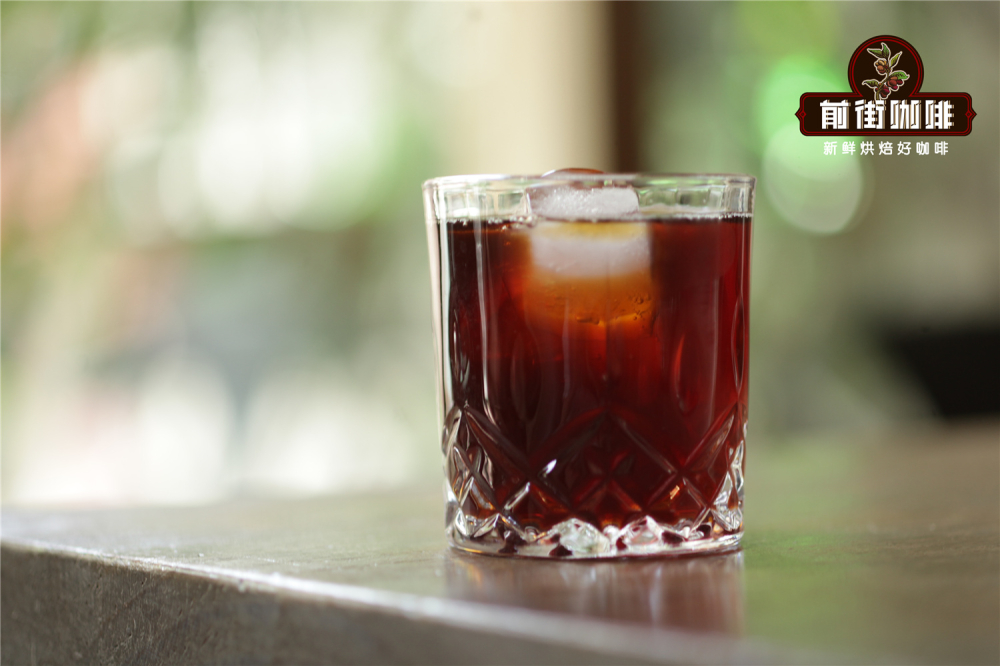
When cold drip coffee enters the mouth, as the liquid temperature rises, the sealed-in aromas burst forth instantly, particularly creating a rich olfactory sensation at the back of the tongue, delivering a uniquely delightful experience. However, making cold drip takes a relatively long time, and after completion, it needs to rest in the refrigerator for at least eight hours to allow flavor molecules to fully integrate and release — this is also what distinctly sets it apart from other coffee brewing methods.
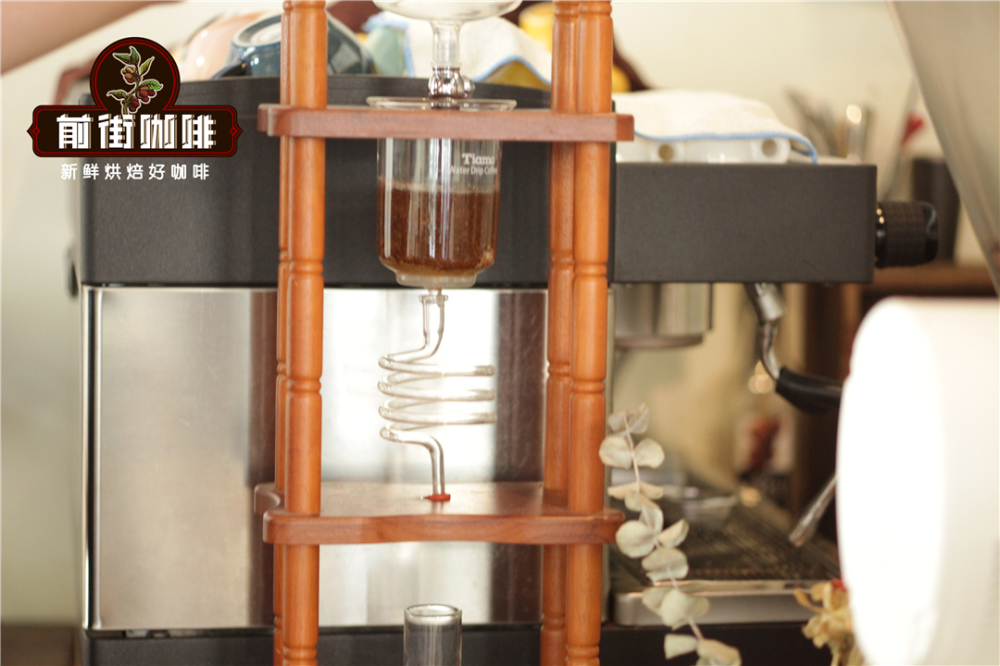
Regarding the origins of cold drip coffee, it is widely believed to have been invented by the Dutch, hence it is also called Dutch drip coffee. This brewing method does not use hot water but instead relies on slowly dripping ice water through a device similar to a chemistry lab pipette, controlling the dripping speed so that the ice water gradually seeps through the coffee grounds, achieving prolonged immersion and extraction. Traditional cold drip equipment often consists of three to four layers of glass containers, sturdily mounted on a wooden base — the structure is simple yet highly functional.
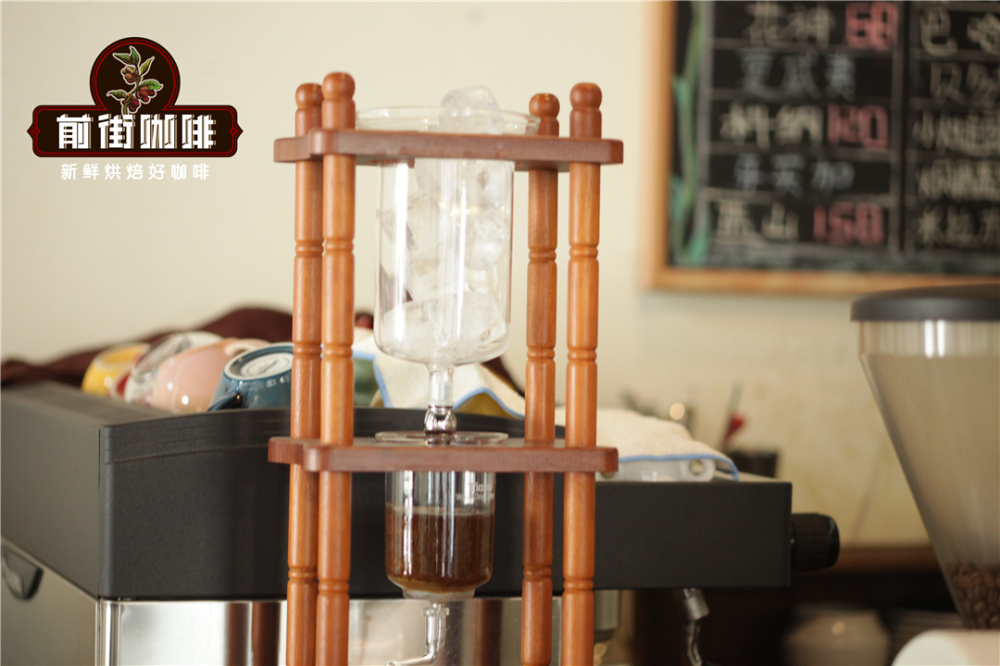
The extraction principle of cold drip coffee is about trading time for flavor. Compared to pour over coffee, which uses high temperature and short brewing times, cold drip relies on low temperature and long waiting periods. The low-temperature environment is less likely to extract astringent substances, but instead preserves more delicate aromatic compounds. Additionally, because it is not subjected to high heat, the caffeine content is relatively slightly lower, and fewer impurities are extracted, making it gentler on the stomach — suitable for those sensitive to caffeine or who prefer a full-bodied taste.
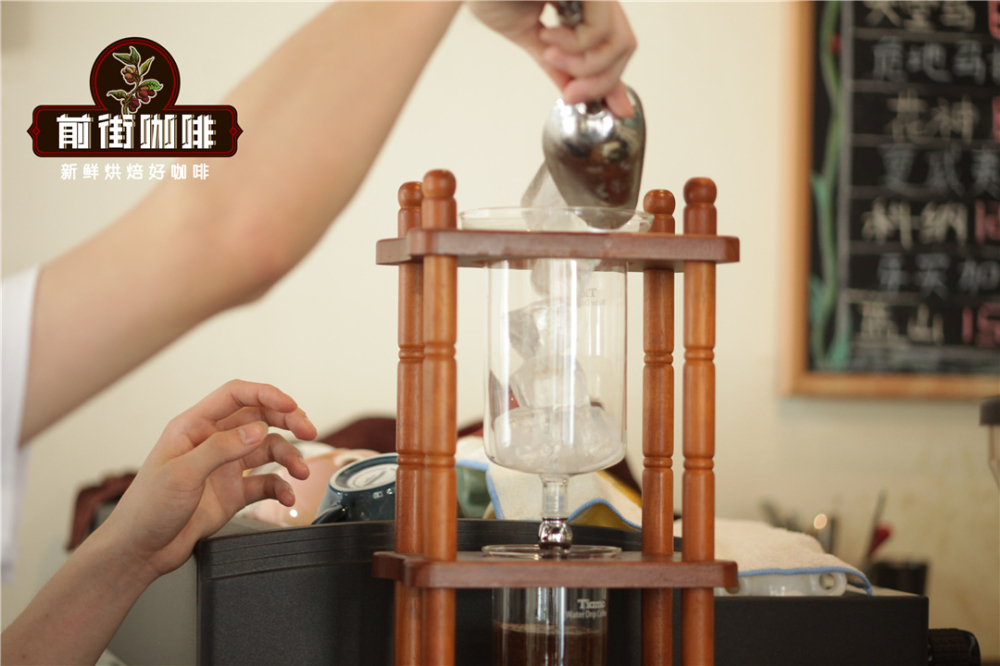
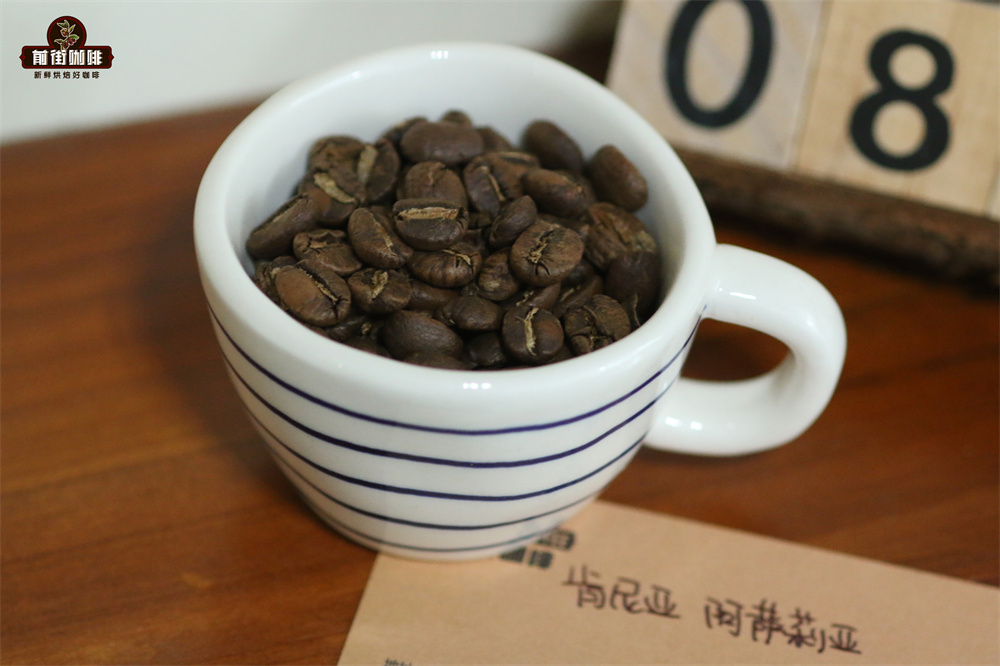
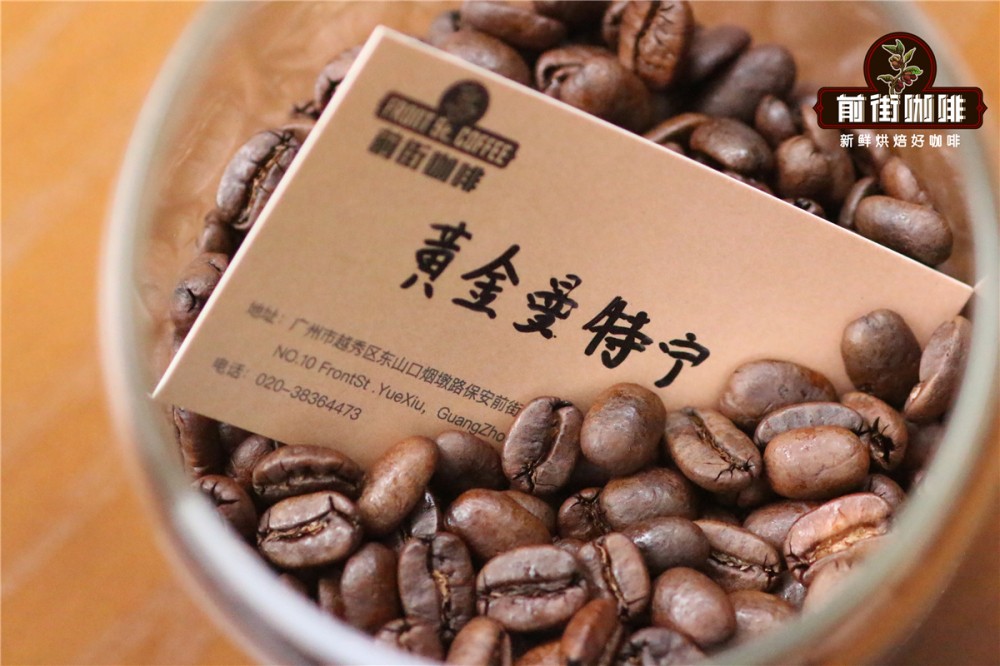
In terms of bean selection, cold drip coffee is more flexible than one might imagine. While pour over and espresso have specific requirements for roast level and bean variety, cold drip is generally suitable for most single-origin beans and even allows experimentation with two-bean blends. It is usually recommended to use single-origin beans with strong flavor profiles, such as Kenyan or Yirgacheffe beans, which have distinct personalities and can showcase unique layers and fruity notes through cold drip. Furthermore, dark-roasted beans such as Indonesian Golden Mandheling can also reveal unexpected sweetness and chocolatey finishes during the cold drip process.
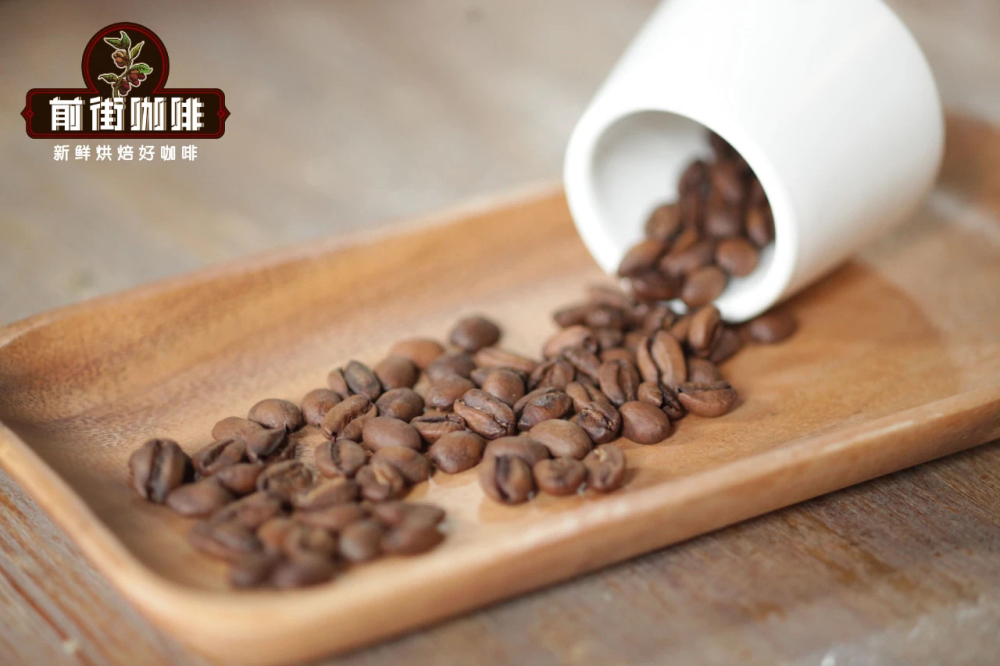
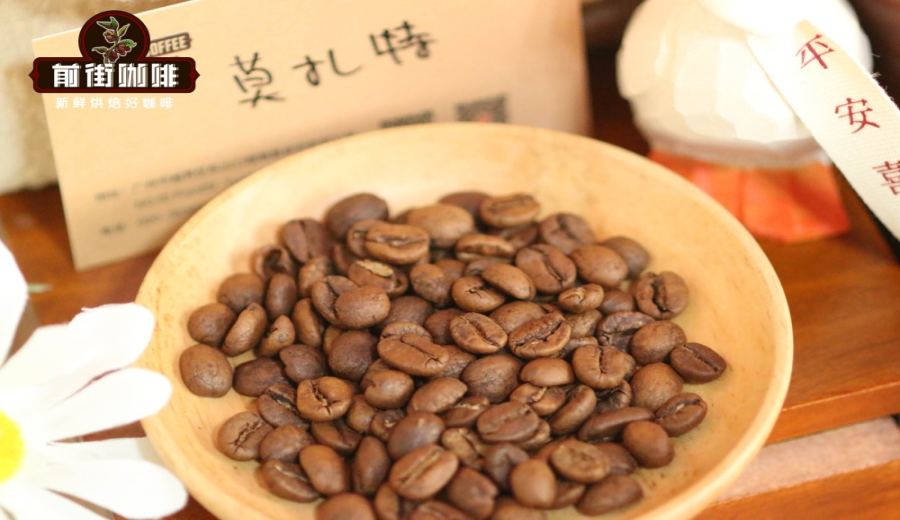
Common cold drip recipe examples include: using Costa Rica Mozart coffee beans to create a deep berry flavor profile — this bean undergoes anaerobic honey processing and exhibits pronounced raisin and blueberry aromas, which become even more wine-like and fruity after cold drip; or choosing Kenya Assaria, which presents a refreshing tone of cherry tomatoes and grapefruit, making it highly suitable for summer consumption. Moreover, dark-roasted Indonesian Golden Mandheling, after being cold dripped and chilled, sees its bitterness transform into a gentle chocolate sensation with a fermented aroma in the finish, which is surprisingly delightful.
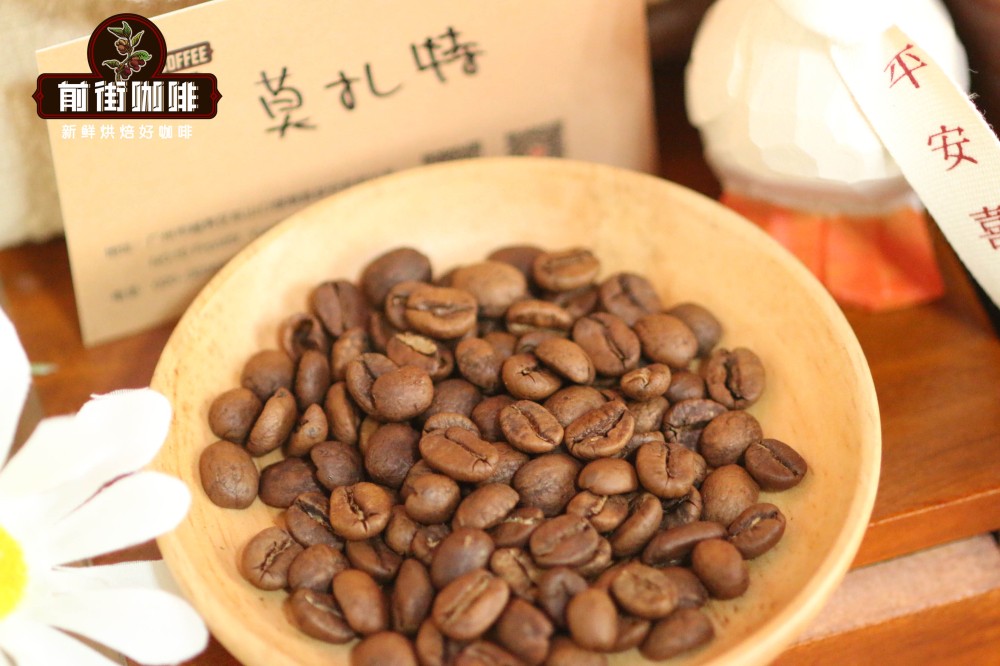
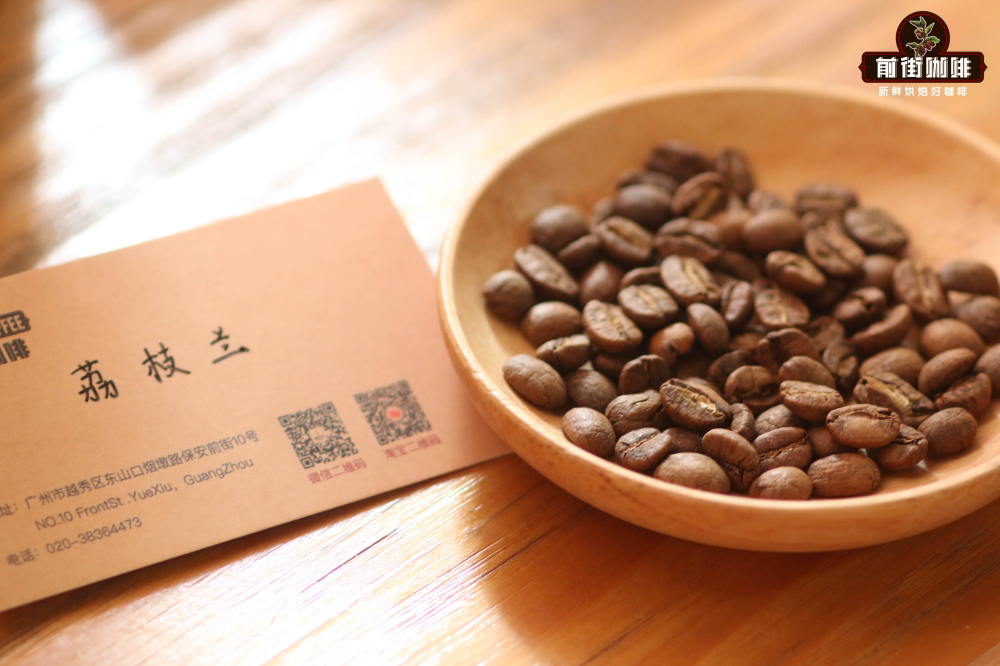
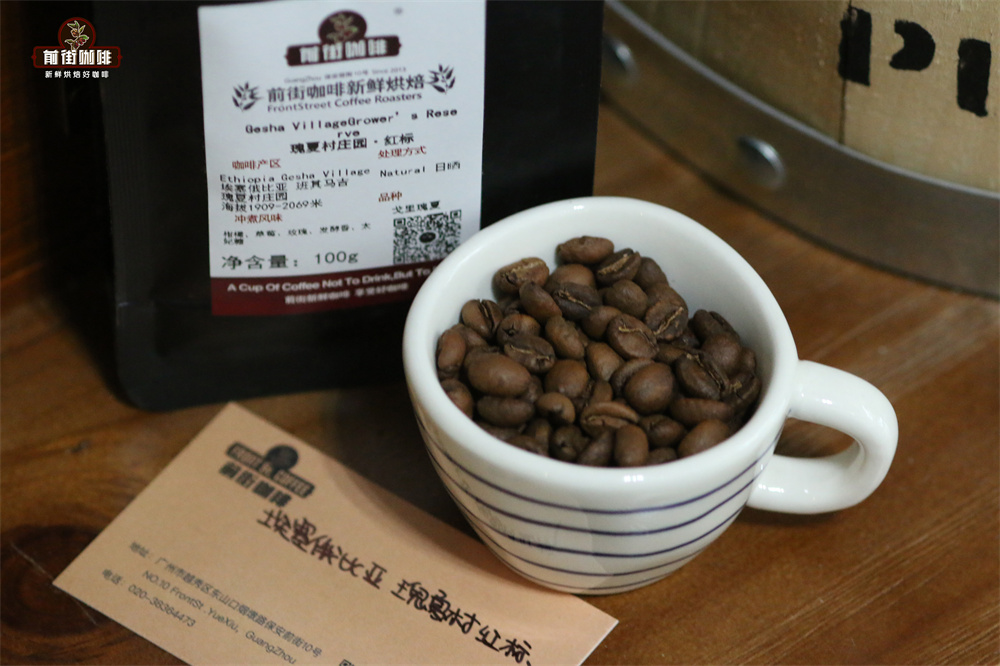
If you wish to try a blend, it is advisable to select two coffee beans with complementary flavors. For example, pairing Laila Lan (processed in wine barrels) that offers brandy-like aromas and honey aftertastes with the citrus acidity and maple sweetness of Red Label Geisha Natural, can create a rich and balanced mouthfeel. In practice, it is recommended to set the grind size to approximately 58% passing through a Chinese standard No. 20 sieve — slightly coarser than pour over — and to pre-wet the coffee grounds with ice water to simulate the blooming effect, enhancing overall extraction consistency.
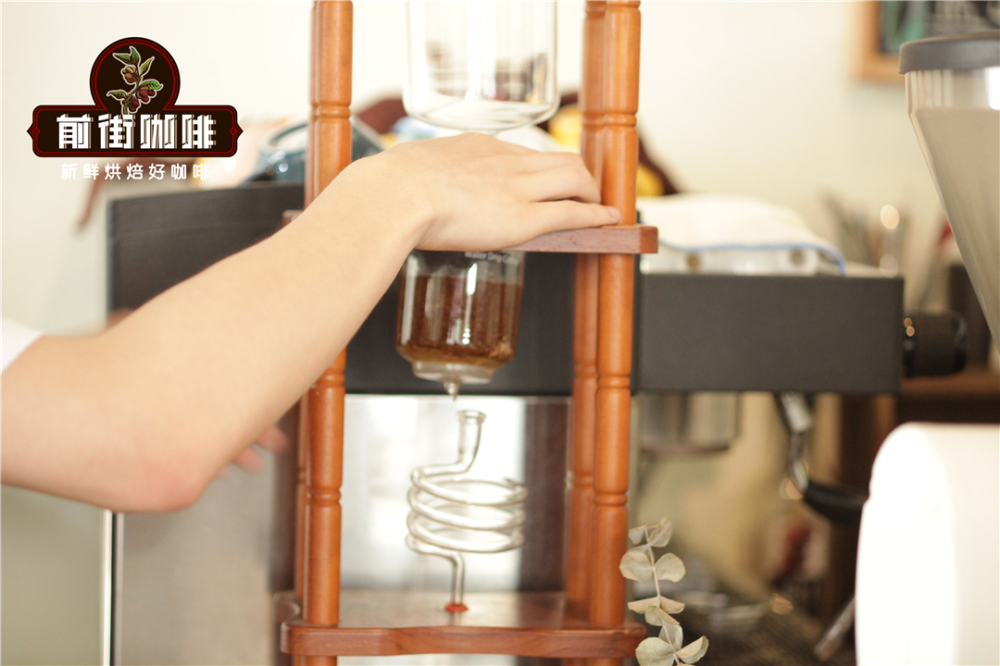
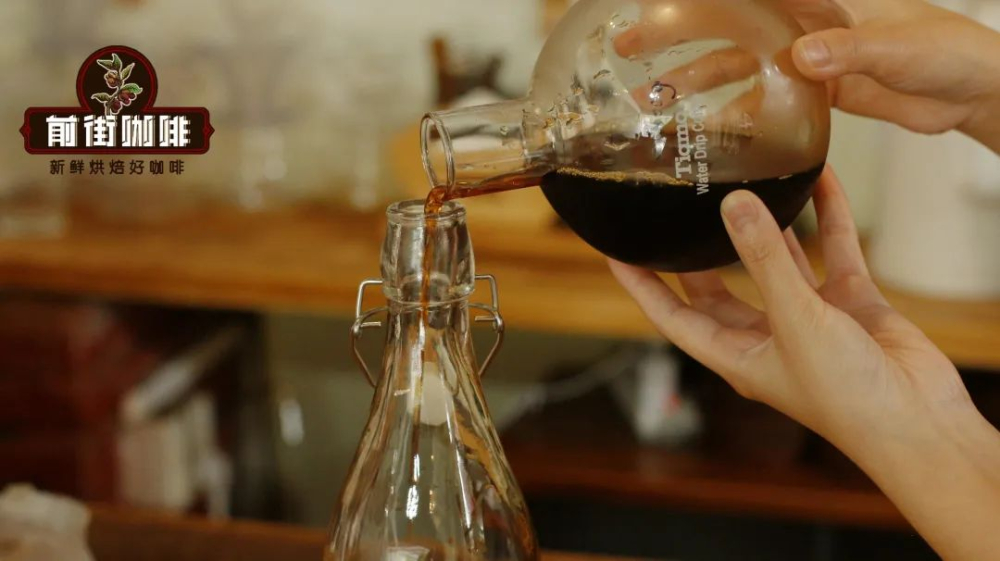
After the cold drip is complete, remember not to drink it immediately. Pour the coffee liquid into a sealed container and place it in the refrigerator to rest for at least twelve hours, allowing residual carbon dioxide to gradually dissipate and promoting the fusion and release of flavor molecules. This process is similar to the aging of freshly roasted coffee beans and helps to make the flavors smoother and more intense. However, it is recommended to consume the coffee within 72 hours of brewing to ensure optimal quality and hygiene.
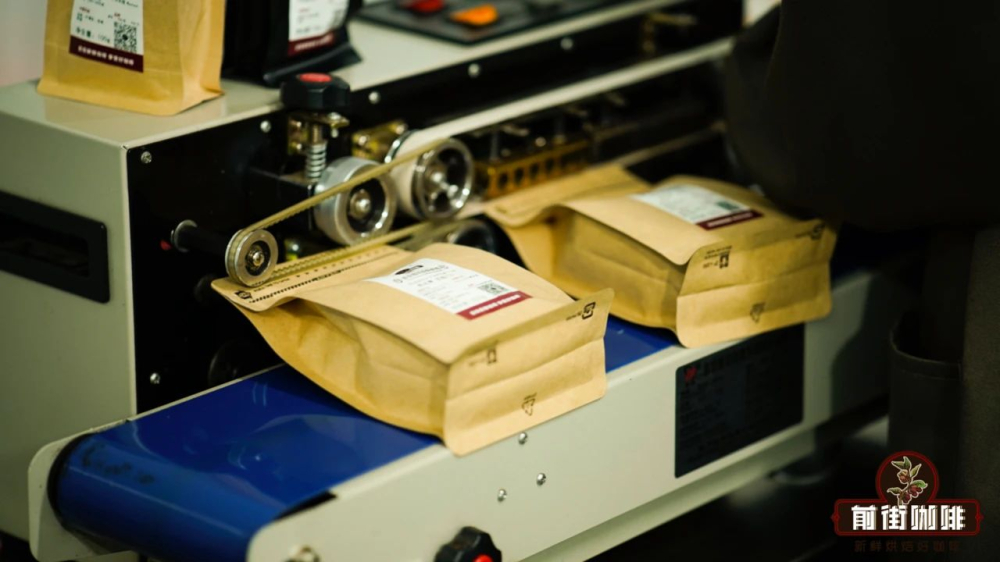
Whether it's pour over, espresso, or cold drip, the freshness of the coffee beans is the most critical factor affecting flavor. It is recommended to choose coffee beans roasted within five days and to let them degas for 4 to 7 days upon arrival until the flavors have fully developed before brewing. If purchasing pre-ground coffee powder, it is best to use it as soon as possible to avoid oxidation affecting the taste. Only by mastering freshness and proper techniques can one truly appreciate the subtlety and depth of cold drip coffee.
The above content is compiled by CoffeeHunters, a coffee news website.


