







Introduction:Drip coffee, with its unique cold brew process and rich flavor, has become a favorite among many coffee enthusiasts. But do you know how high the caffeine content in drip coffee really is? What are its flavor characteristics? This article will provide a detailed introduction to the origins, brewing principles, extraction process, as well as how to taste and store drip coffee, helping you fully master this refined cold brew technique.
In the fast-paced rhythm of modern life, coffee has become an indispensable pick-me-up beverage for many. However, for those sensitive to caffeine, traditional hot-brewed coffee may lead to insomnia or palpitations. In contrast, drip coffee, which uses low-temperature, long-duration extraction, not only reduces the release of some caffeine but also presents a delicate flavor profile distinct from that of hot brews.
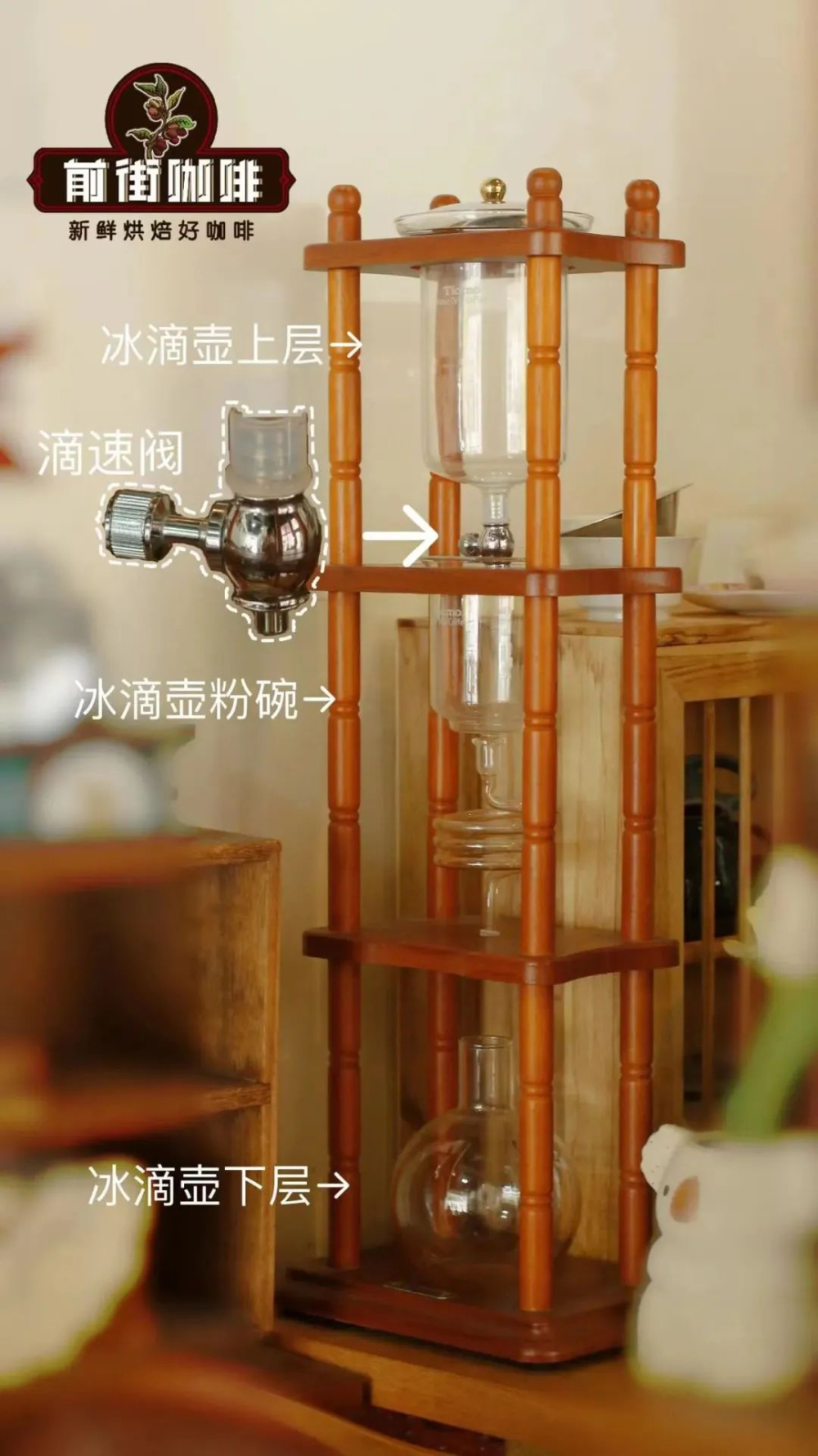
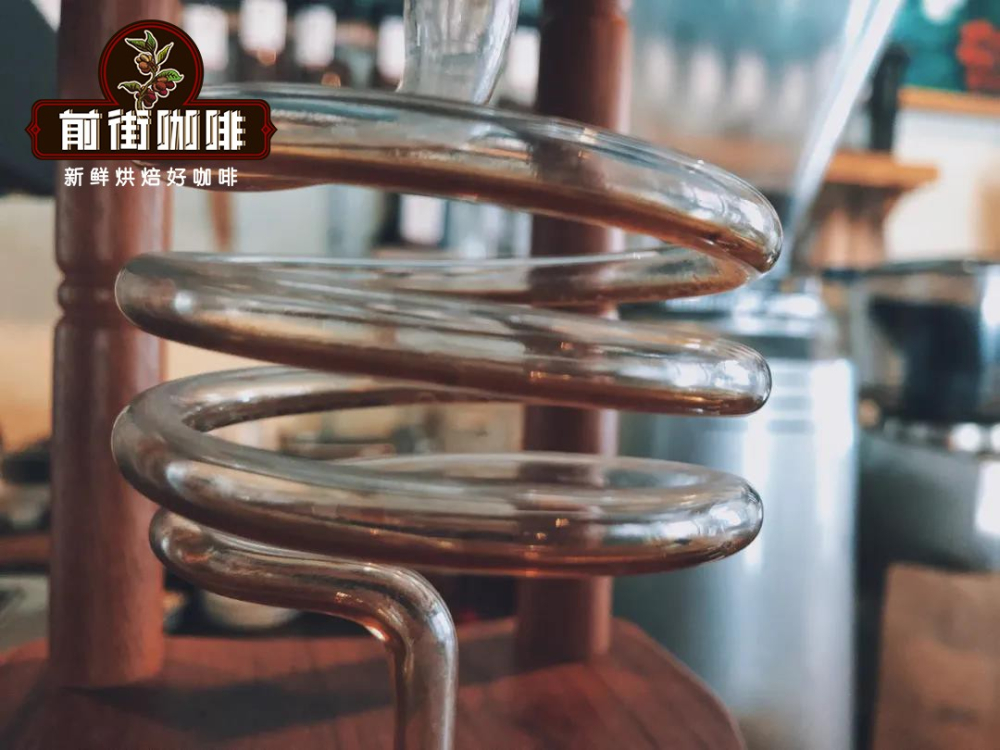
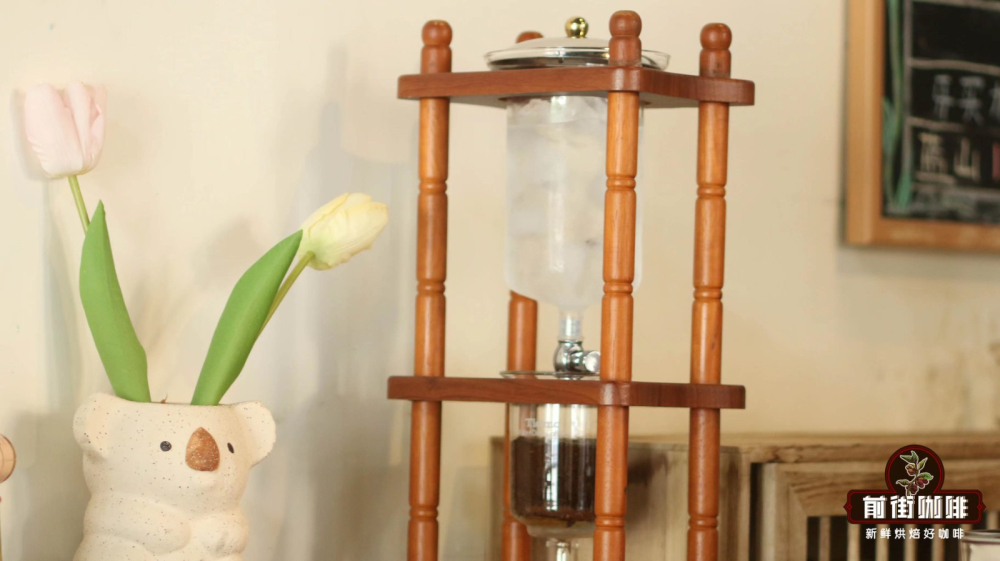
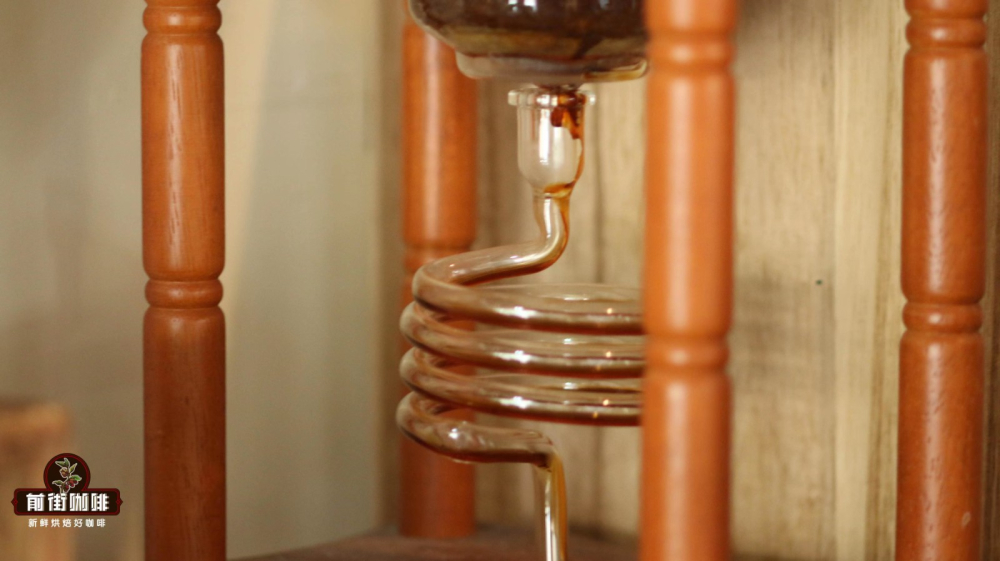
As the name suggests, drip coffee is coffee slowly extracted by dripping cold or room-temperature water. This technique originated in Europe and was originally called Dutch coffee or distilled coffee due to the use of condensation dripping devices.Drip coffee typically uses specialized equipment consisting of an upper chamber filled with ice water, a middle chamber holding coffee grounds, and a lower chamber collecting the brewed coffee liquid.The ice water drips drop by drop through the coffee grounds, and the entire process takes about 6 to 8 hours, making it a classic cold brew method.
What makes drip coffee unique is its low-temperature extraction characteristic. Due to the lower water temperature, many astringent substances that are easily released during hot brewing are less likely to dissolve, resulting in a cleaner and richer flavor. Additionally, if the drip coffee is left to rest in the refrigerator for an appropriate period after completion,the accumulation of carbon dioxide helps release flavor molecules, making the taste smoother.However, it’s important to note that it is recommended to consume the coffee within 5 days of preparation to ensure optimal quality and hygiene.
Regarding the caffeine content in drip coffee, a common misconception is that it is extremely low due to cold brewing. In reality,although lower temperatures reduce the dissolution rate of caffeine, the prolonged dripping extraction still accumulates a considerable amount of caffeine.Furthermore, caffeine content is also influenced by factors such as coffee bean variety (e.g., Arabica vs. Robusta), drip rate, and total extraction time. For those sensitive to caffeine, it is recommended to choose decaffeinated beans or reduce intake.
Here is a practical brewing process for drip coffee: First, it is recommended to use a 1:10 coffee-to-water ratio, such as 60 grams of coffee grounds with 600 milliliters of water. Place circular filter paper at the bottom of the coffee chamber and gently press the coffee grounds layer flat, then cover with another sheet of filter paper to ensure even dripping and prevent the coffee bed from collapsing. Next, perform a pre-soak with ice water to simulate the blooming step in pour over, improving overall extraction consistency.
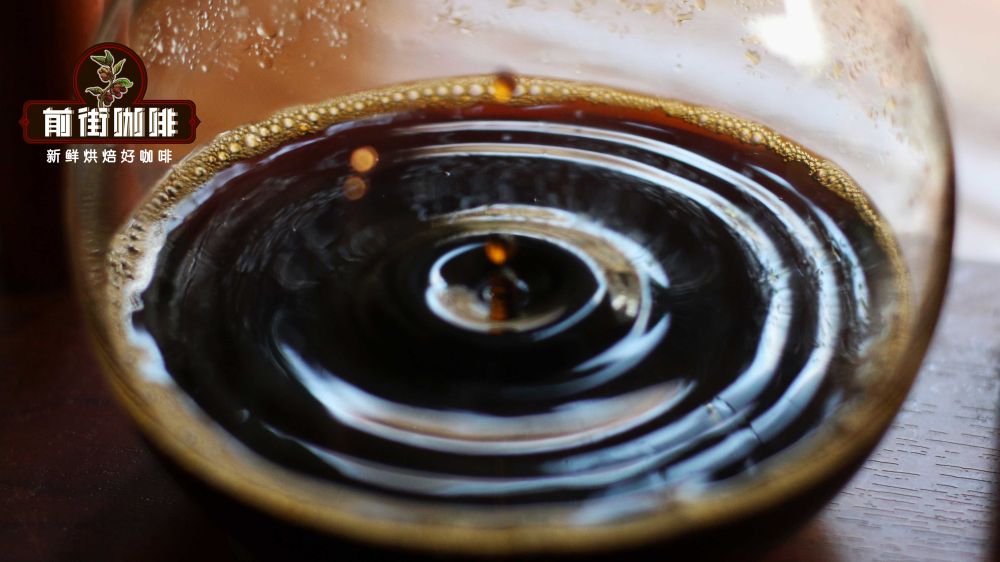
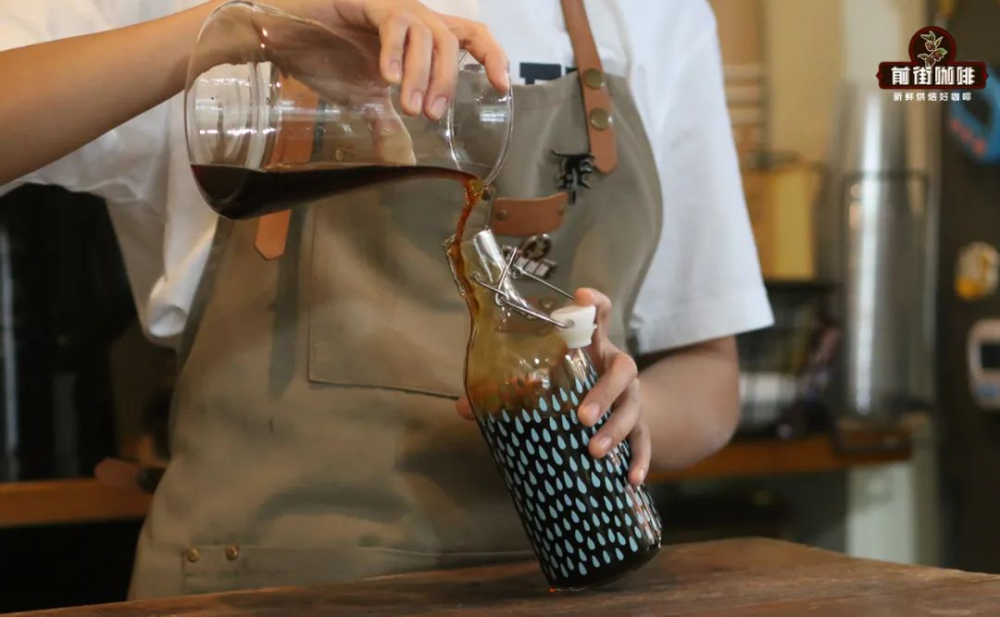
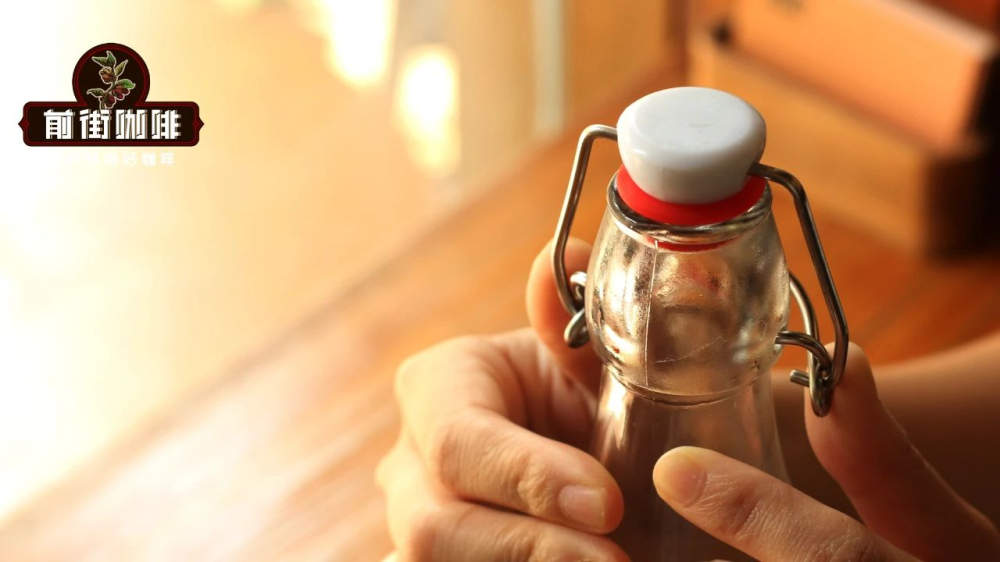
Adjust the ice-to-water ratio and drip rate, aiming for about 7 drops per 10 seconds. After extraction, pour the coffee liquid into a sealed glass bottle, refrigerate and let it rest overnight to allow the flavors to fully integrate. This step helps enhance the smoothness and layered complexity of the taste, making the drip coffee easier to enjoy.
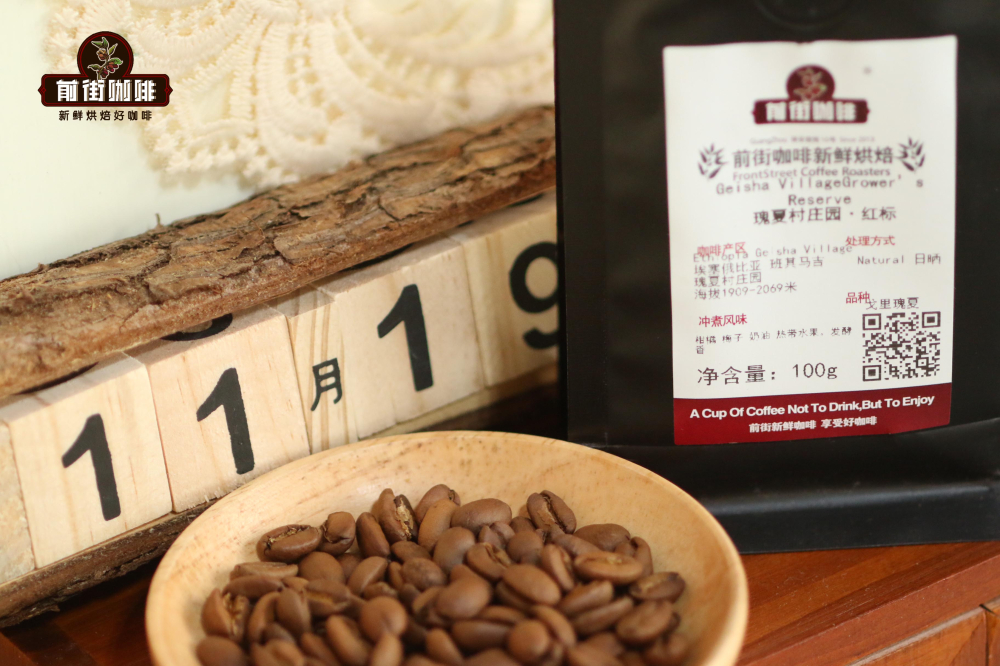
The flavor profile of drip coffee is diverse. Common combinations, such as Honduras Laila and Gesha Village Red Label, can showcase a perfect balance of brandy-like aroma, plum acidity, and maple sweetness. The Laila, processed with wine barrel aging, carries a rich wine fragrance and chocolate aftertaste, while the Gesha Village Red Label is known for its bright fruit acidity and creamy-smooth mouthfeel. These flavors are preserved and transformed during the drip process, forming a unique cold brew flavor profile.
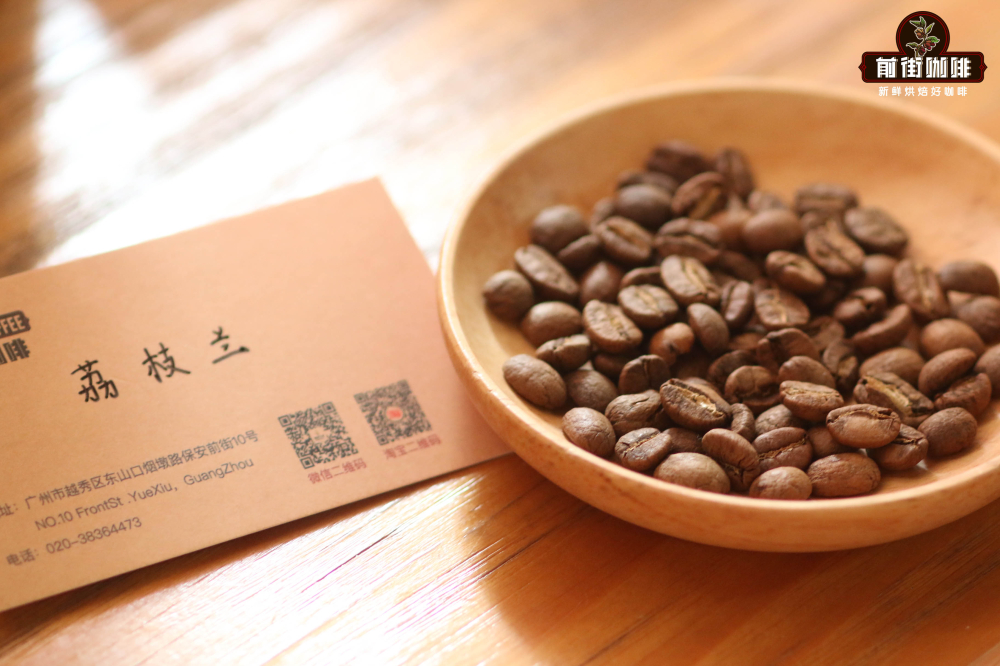
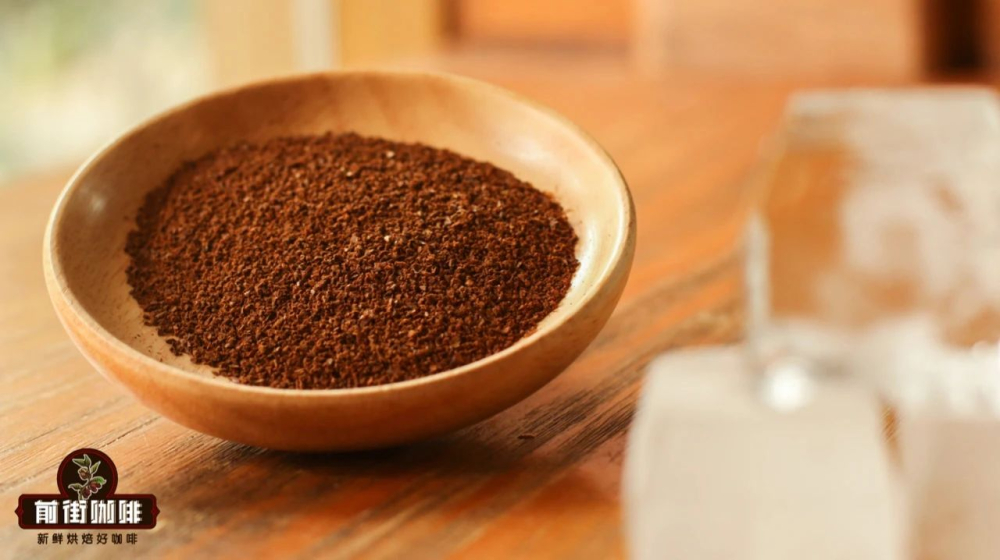
Finally, a reminder when selecting coffee beans: freshness is a key factor influencing flavor. It is recommended to choose beans roasted within 5 days and allow for an appropriate resting period (typically 4 to 7 days) to achieve the best extraction results. If purchasing coffee powder, it should be used as soon as possible to avoid oxidation affecting the flavor. By mastering these details, you too can enjoy a professional-grade drip coffee experience at home.
The above content is compiled by CoffeeHunters, a coffee news website.


