








Introduction:Want to make refreshing cold drip coffee at home but not sure where to start? This article delves into the brewing principles, detailed steps, key coffee-to-water ratios of cold drip coffee, and compares it with cold brew. It also recommends types of coffee beans suited for cold drip and guides you through mastering professional-level extraction techniques to enjoy the rich flavors from low-temperature slow brewing.
During the hot summer, many people begin searching for iced coffee options that are both refreshing and energizing. Among these, cold drip coffee stands out as one of the popular choices due to its unique flavor and crisp taste. However, the production process of cold drip coffee is relatively special—it involves slowly dripping ice water through coffee grounds over an extended period, often taking 6 to 12 hours in total. As a result, it has specific requirements for coffee-to-water ratio, grind size, and equipment.
The Basic Principle of Cold Drip Coffeeis to allow a mixture of ice and water to uniformly seep through a bed of coffee grounds via a dripping method. By utilizing a long extraction time and low-temperature environment, it slowly releases the aromatic compounds in the coffee while minimizing the extraction of overly bitter components—resulting in a rich and layered flavor profile.
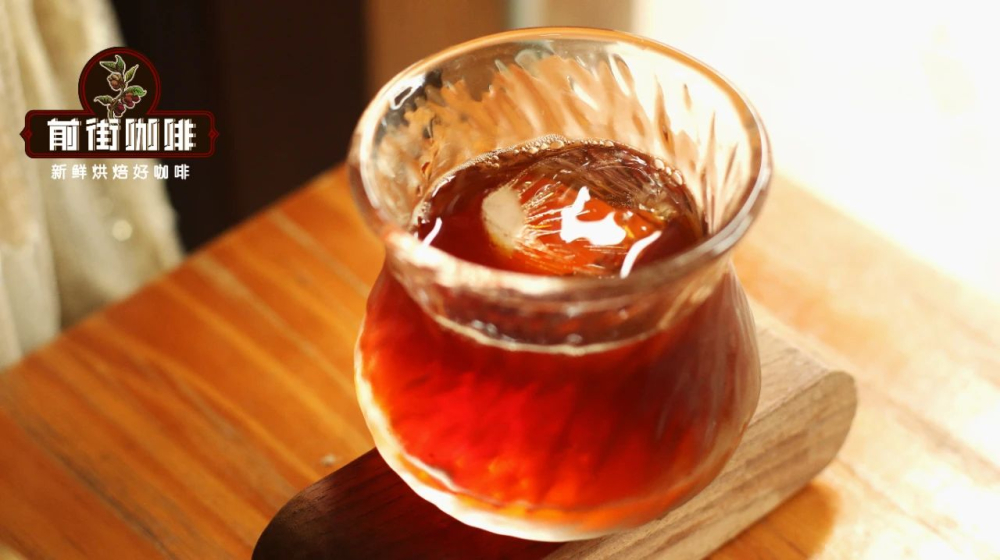
Although cold drip coffee and the more common cold brew both fall under the category of low-temperature extraction, there are significant differences in their techniques and details.Cold drip coffee emphasizes extraction through the gradual dripping of ice water,and typically requires specialized equipment; whereas cold brew involves soaking coffee grounds in room temperature or cool water all at once, making it relatively simpler and more suitable for home preparation.
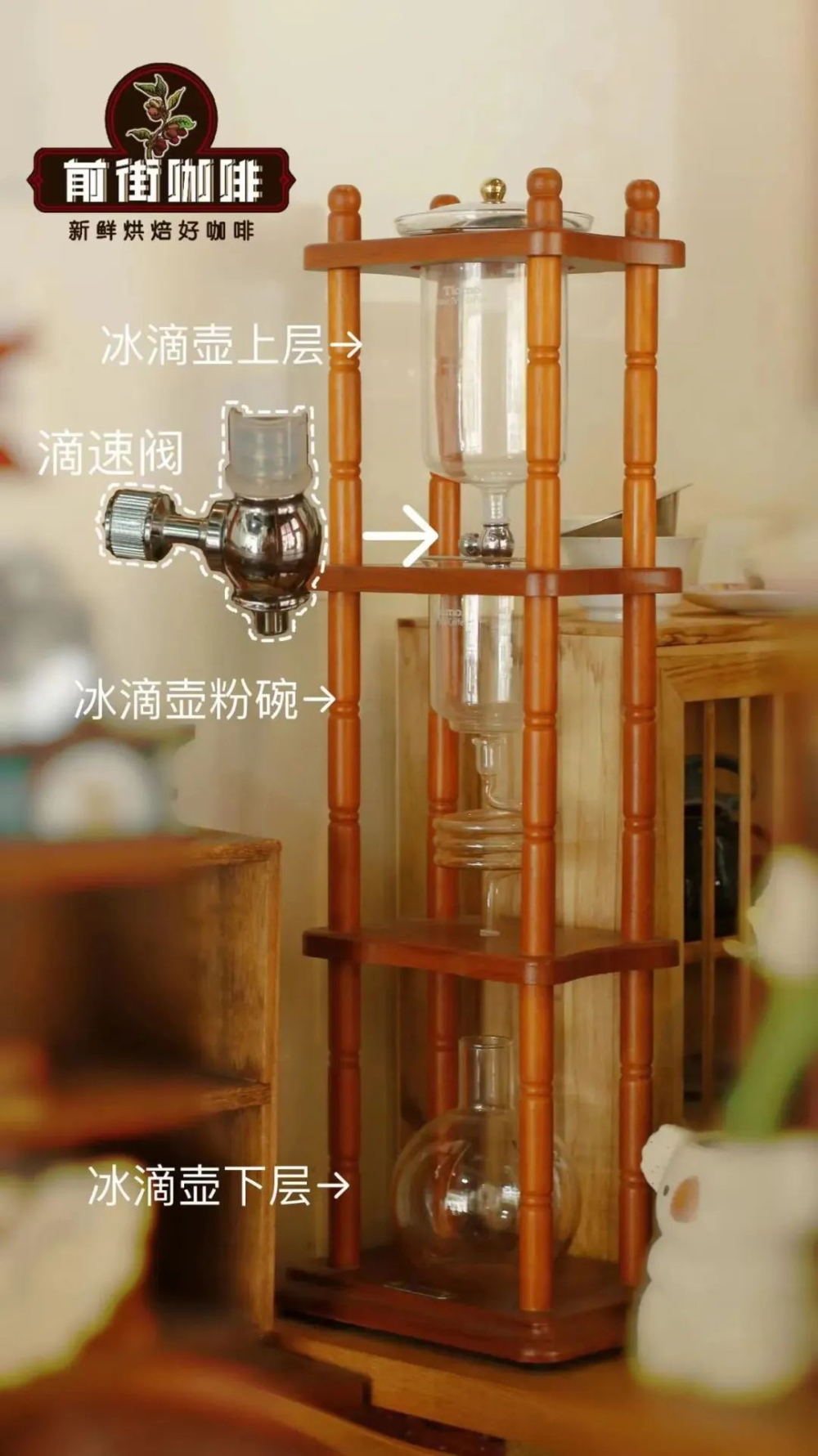
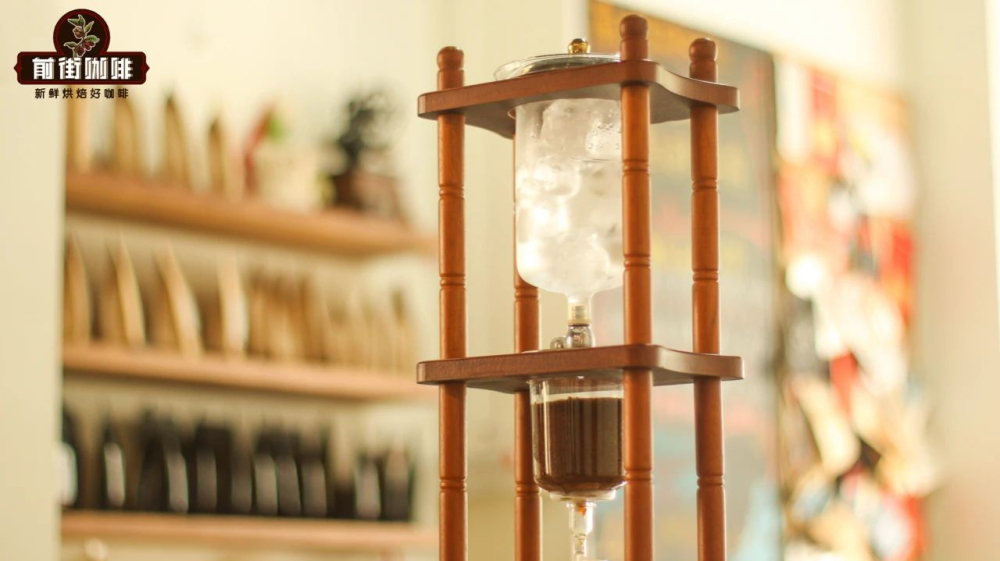
The equipment for cold drip coffee generally includes a water reservoir, a drip rate control valve, a coffee grounds chamber filled with ground coffee, a coiled drip tube, and a coffee collection bottle. The water reservoir holds the ice water mixture, the control valve adjusts the number of drips per minute, the coffee grounds chamber holds the freshly ground coffee, the coiled tube helps observe changes in the color of the extracted liquid, and the bottom container collects the final coffee liquid.
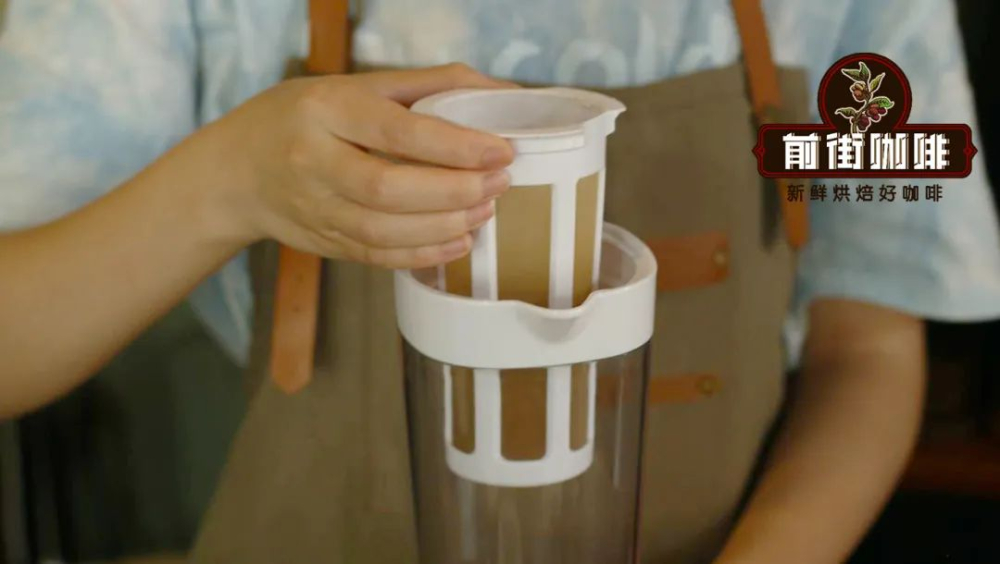
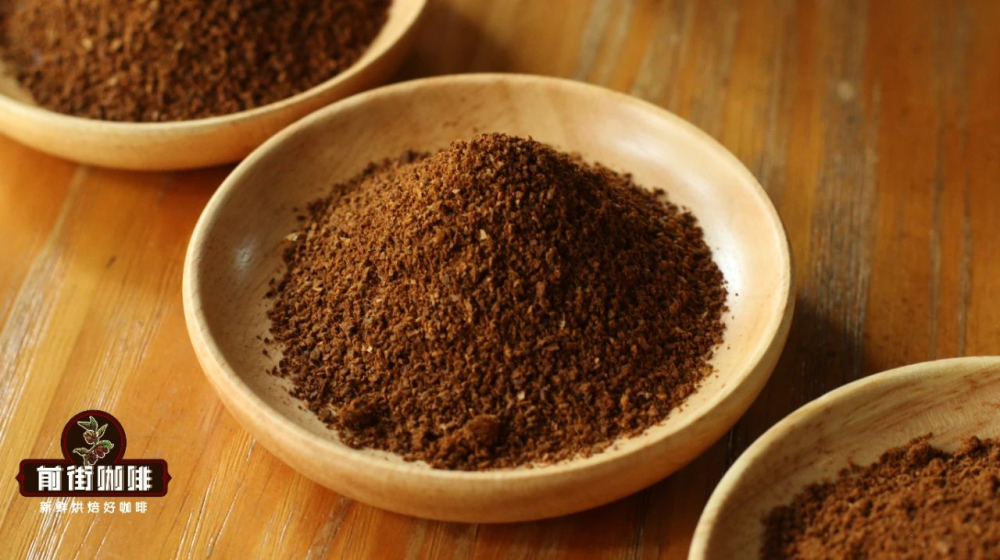
Taking the common home or café preparation process as an example, it is recommended to use60 grams of coffee grounds with 600 milliliters of water, achieving a coffee-to-water ratio of about 1:10. The grind size is suggested to be around 85% passing through a Chinese standard No. 20 sieve—that is, a medium-fine grind—which helps fully extract flavors during the low-temperature, long-duration brewing without over-extracting and causing bitterness.
In actual operation, first wet the bottom of the coffee grounds chamber and place a filter paper to ensure proper filtration, then evenly add the ground coffee and gently press it flat—you can also place a round filter paper on top for assistance. Next, slightly moisten the coffee grounds with a small amount of ice water to initiate the extraction process. Then, pour an appropriate amount of ice water into the water reservoir and adjust the valve to control the dripping speed to about 5 drops per 10 seconds. The overall extraction time ranges from about 6 to 8 hours, adjustable based on your taste preferences.
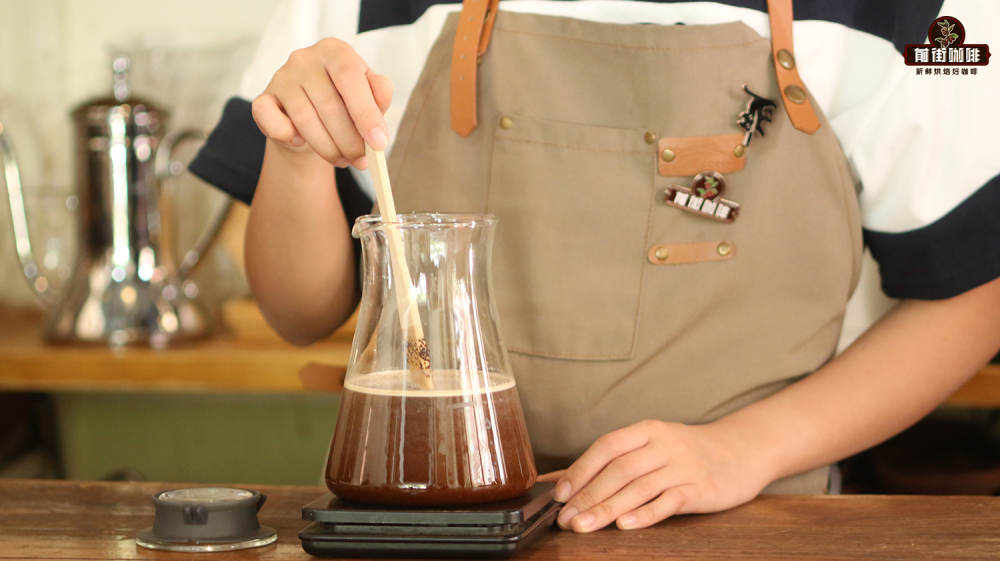
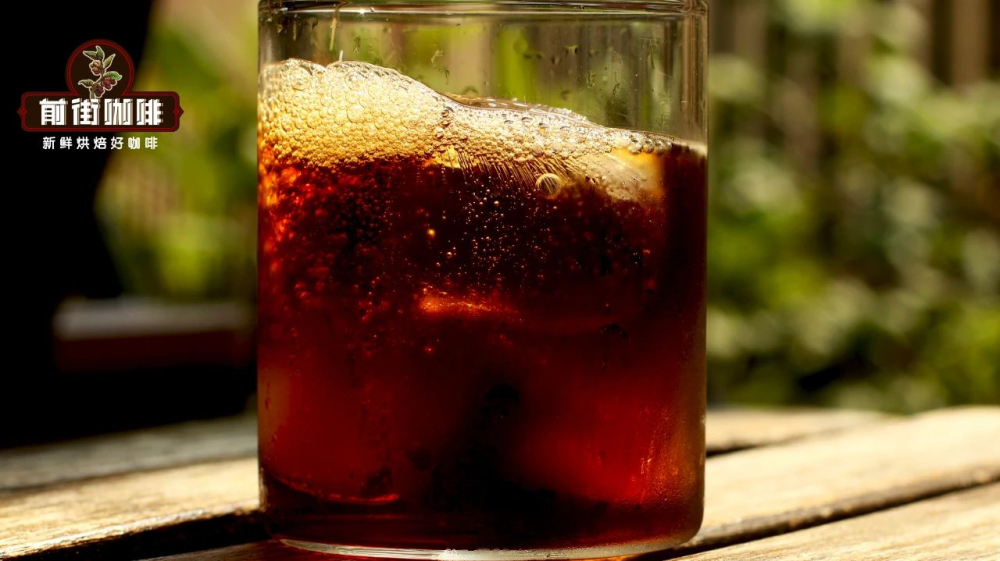
After extraction, it is recommended to pour the coffee liquid into a sealable container, refrigerate it overnight to allow further flavor integration and fermentation, and then enjoy the smoother and more flavorful cold drip coffee the next day.
If you don’t want to invest in professional cold drip equipment, don’t worry—you can still enjoy low-temperature extracted coffee. Cold brew serves as a simpler alternative, requiring only room temperature water and a sealable container. Mix coffee grounds and water at the same 1:10 coffee-to-water ratio, let it steep for 8 to 12 hours in the refrigerator, then filter before drinking. This also delivers a mellow, low-acid iced coffee experience.
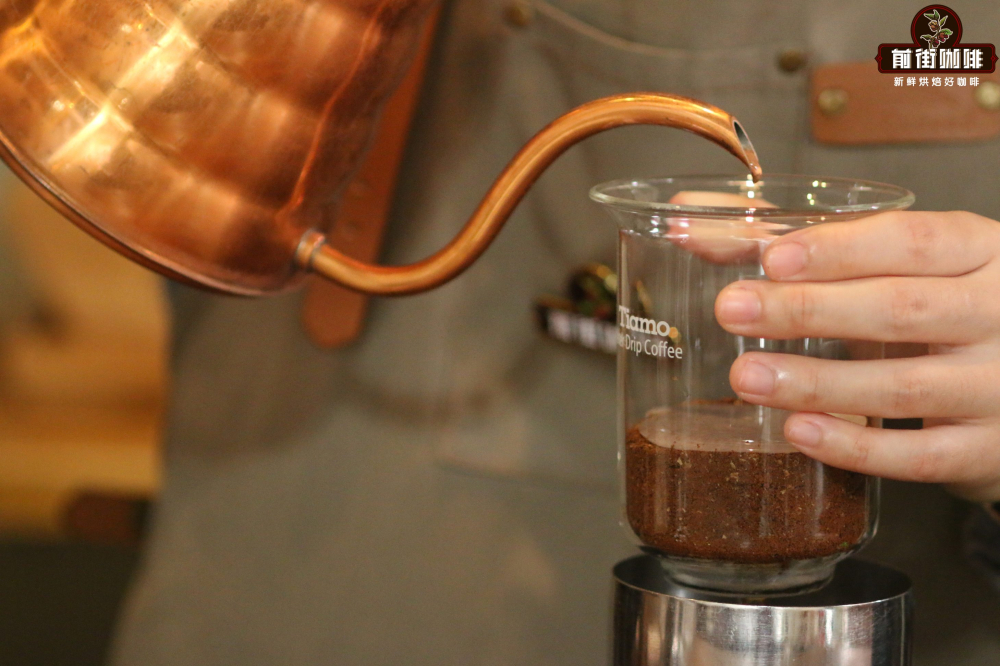
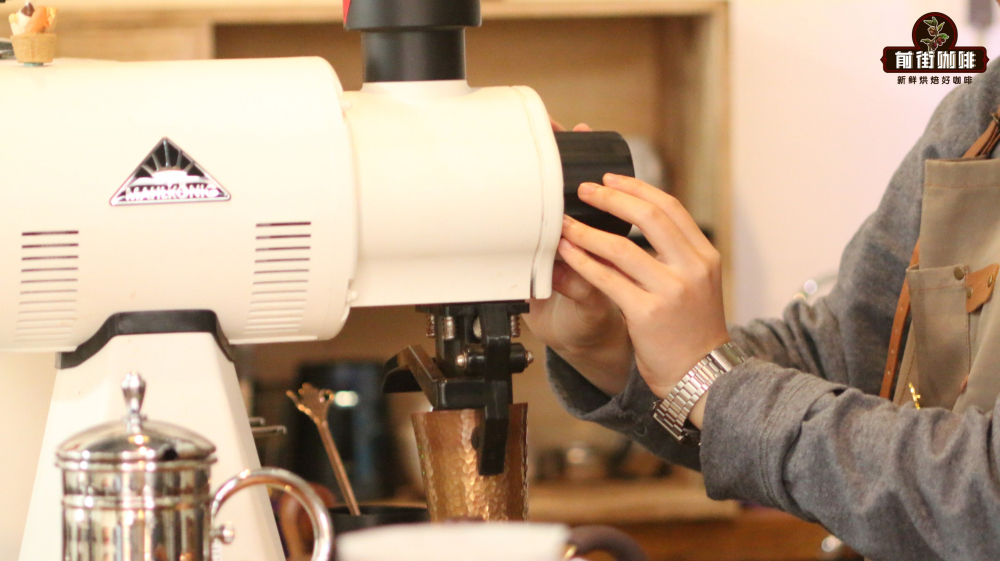
Regardinggrind size selection, since the efficiency of material exchange between water and coffee grounds is lower in a low-temperature environment, it is recommended to adjust the grind to be slightly finer than usual for pour over, to increase contact surface area—but also avoid going too fine to prevent over-extraction that could lead to unpleasant bitter flavors. Practical testing shows that a medium-fine grind with 85% passing through a Chinese No. 20 sieve achieves a good balance, improving extraction efficiency while maintaining a refreshing taste.
Adjusting thecoffee-to-water ratio
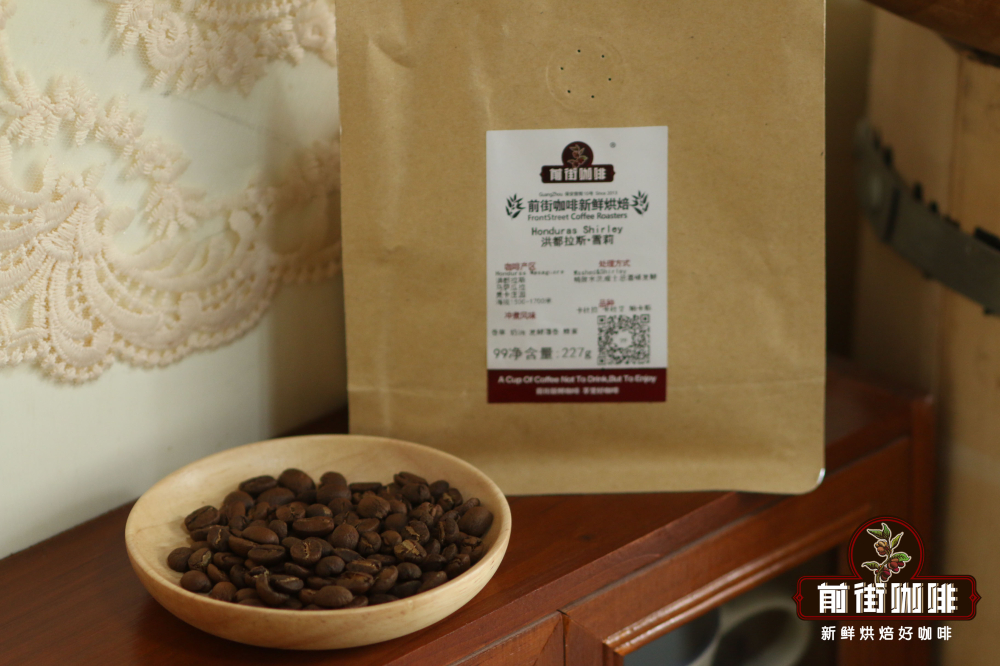
also affects the final flavor profile. A 1:10 ratio is generally recommended as the golden standard, suitable for most users. Those who prefer a stronger taste can shorten the waiting time or drink it directly, while those who like a lighter flavor can extend the chilling time to allow ice cubes to naturally dilute the coffee concentration.When selecting coffee beans, since both cold drip and cold brew processes preserve more delicate floral notes, fruity acidity, and sweetness while suppressing coarse tannins and excessive bitterness, it’s advisable to choose beans with distinct flavor characteristics. For instance,Kenyan beansfrom high-altitude regions often exhibit bright berry tones and moderate acidity; whileHonduran Sherry beans
processed with wine barrel fermentation showcase rich aromas of vanilla, cream, and oak barrels—perfectly suited for slow cold drip brewing, delivering a whiskey-like bold finish.
The above content is compiled by CoffeeHunters, a coffee news website.


