







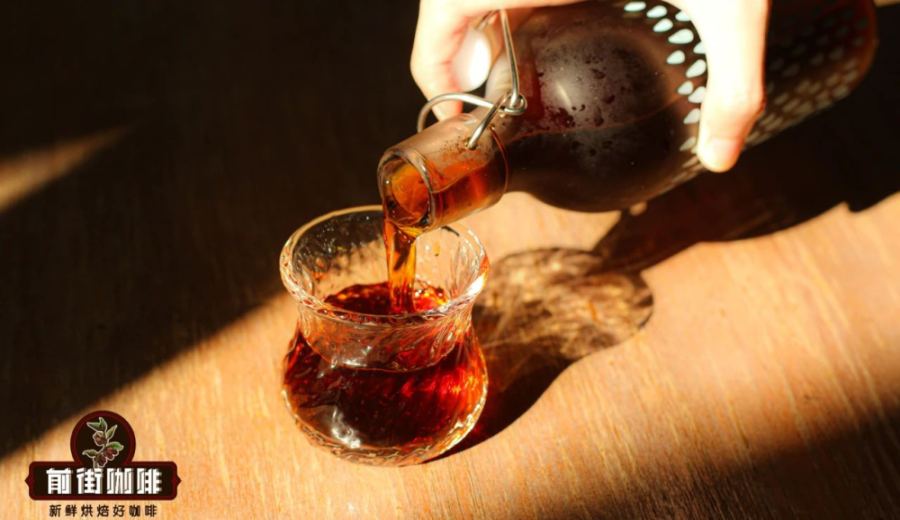
Introduction:Want to understand the charm and brewing secrets of cold drip coffee? From the unique flavor profile of cold drip coffee, the precise timing required for its production, to recommended coffee bean varieties ideal for cold drip, this article covers it all in one go. It not only explains why freshly dripped cold brew is not recommended for immediate drinking, but also delves into the aging process, optimal drinking time, and shelf life of cold drip coffee, helping you master the essence of this brew and elevate your tasting experience.
When you walk into a café and see on the blackboard “Cold drip coffee requires a 2-day advance reservation,” don’t be puzzled. This is because the production and aging process of cold drip coffee takes quite some time, and to allow the flavors to fully develop, it is usually prepared in advance. For example, during hot weather, many shops will prepare popular beans for cold drip, but if you want a specific bean, it’s best to reserve at least two days in advance.
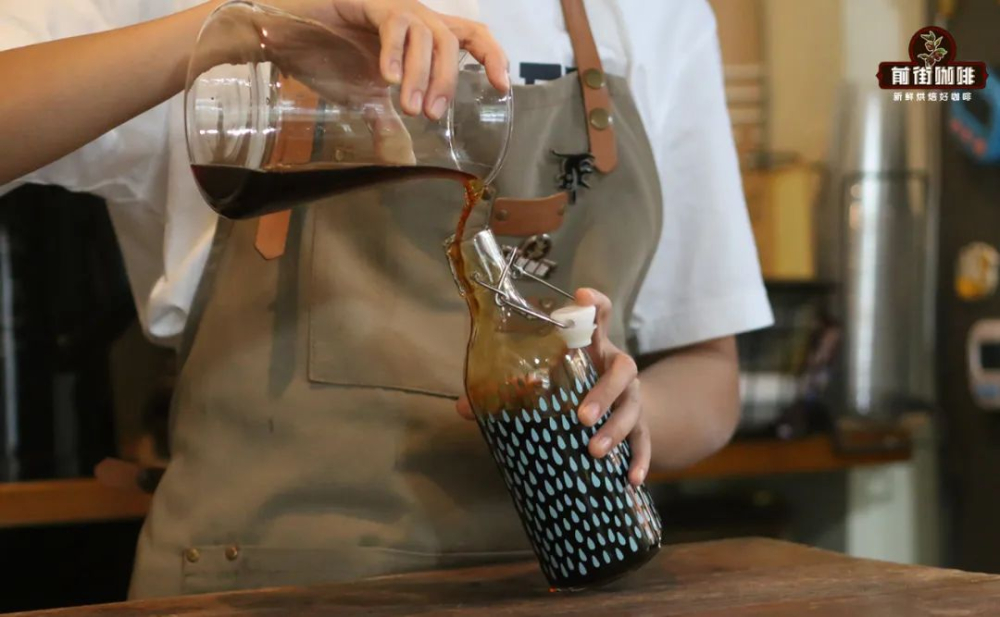
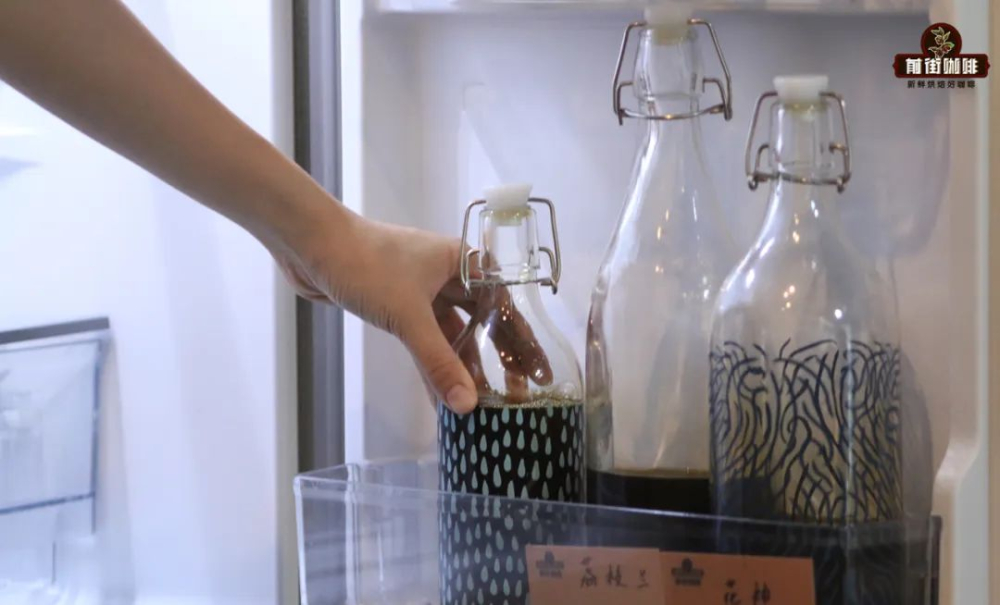
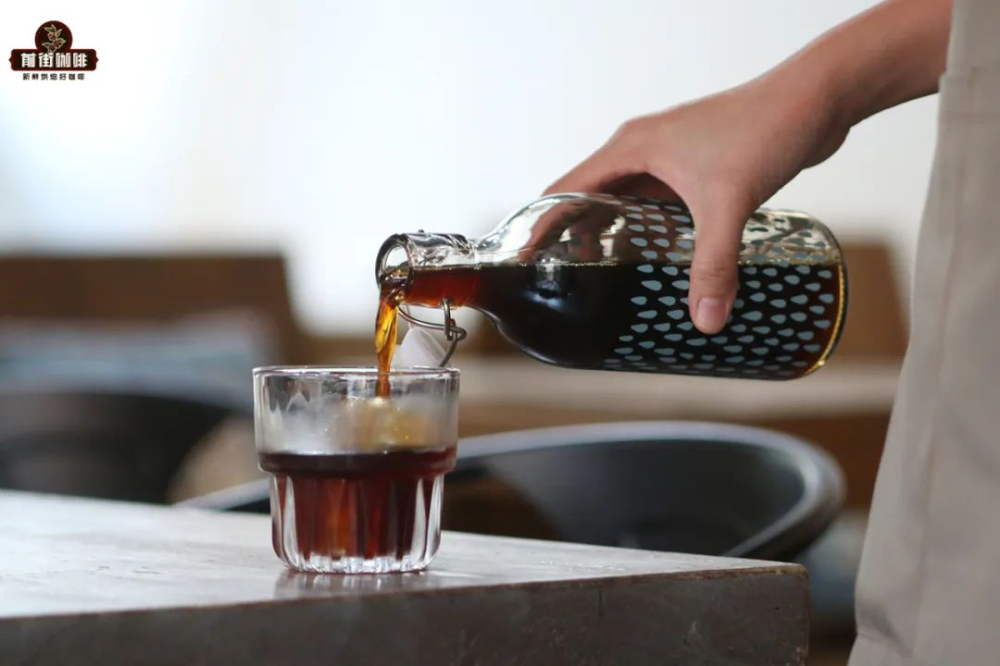
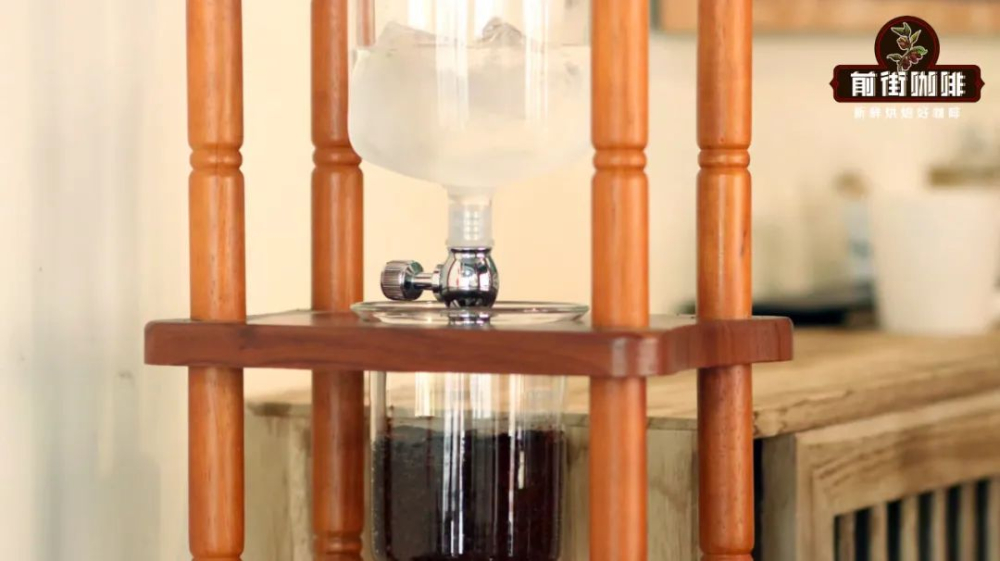
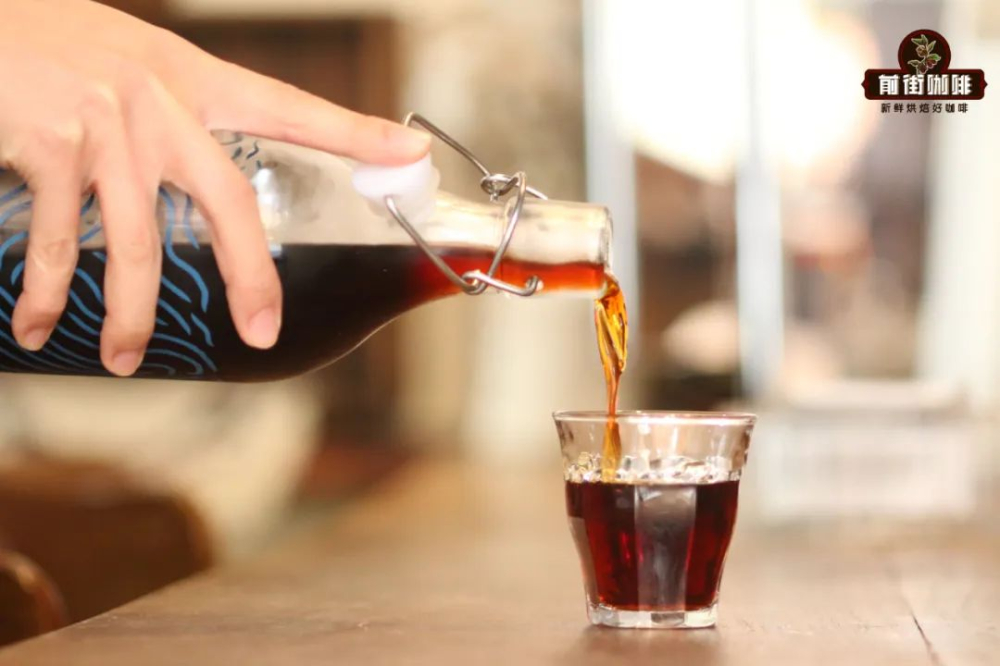
Why the two-day wait? In fact, from the start of the dripping process (T+0) to completion (T+1), the entire procedure takes about 6 hours. However, the completed cold drip coffee is not served right away but is instead transferred into a sealed glass bottle and refrigerated for at least 8 hours. This means that from the start of production to when it’s ready to drink, it typically lands around the T+2 mark.

You might ask, why can’t you just drink it right after it finishes dripping? The answer is: technically you can, but it’s not recommended. Although freshly made cold drip coffee is drinkable, its flavor complexity and mouthfeel are often rather thin—similar to iced pour over but lacking the delicate transformations brought by subsequent fermentation and aging. Therefore, most professional cafés do not serve freshly dripped cold drip directly.
So, what exactly does cold drip coffee go through after the dripping is complete? The key lies in “aging.” This step can be simply understood as sealed fermentation under low temperatures. By using an airtight container to reduce oxygen exposure, along with the cool environment of refrigeration, not only is bacterial growth suppressed, but the fermentation speed is also controlled, allowing the coffee liquid to gradually transform in a stable state.
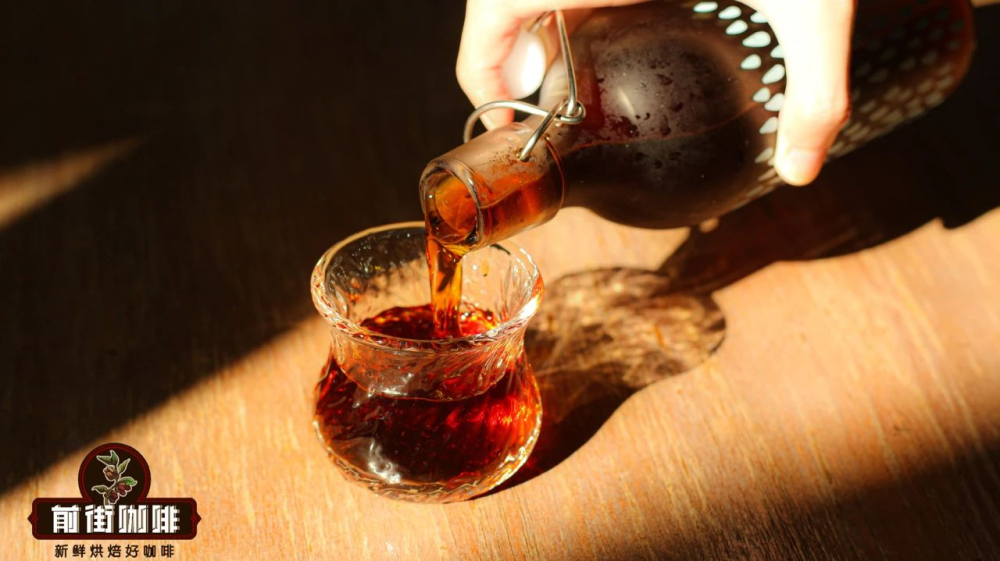
After about 8 hours or more of refrigerated aging, the flavor of cold drip coffee improves significantly. The mouthfeel becomes richer and fuller, the off-flavors diminish, and the overall profile becomes cleaner. Additionally, it brings out a natural sweetness and a subtle fermented aroma—this is what many refer to as the “cold drip flavor”—a unique and unforgettable flavor layer.
It’s important to note that cold drip aging is not infinitely better the longer it goes. As time extends, the fermentation continues, and over-fermentation may lead to flavor imbalance or even unpleasant odors. Moreover, frequently opening the container storing the cold drip can easily let external bacteria in, increasing the risk of spoilage. Therefore, there is a recommended shelf life for cold drip coffee.
Generally speaking, cold drip coffee can be stored in refrigerated conditions for up to 5 days, but to ensure optimal flavor and food safety, many cafés set the best-before period at 3 days. Beyond this timeframe, although it may not necessarily spoil, the delicacy and freshness of the flavors may decline. Therefore, if you want to experience the best of cold drip coffee, it’s recommended to finish it within 3 days of production.
Now that you understand the production and flavor characteristics of cold drip coffee, let’s recommend several coffee bean varieties that are particularly well-suited for making cold drip. Each offers a unique flavor profile, bringing a distinct cold drip experience.
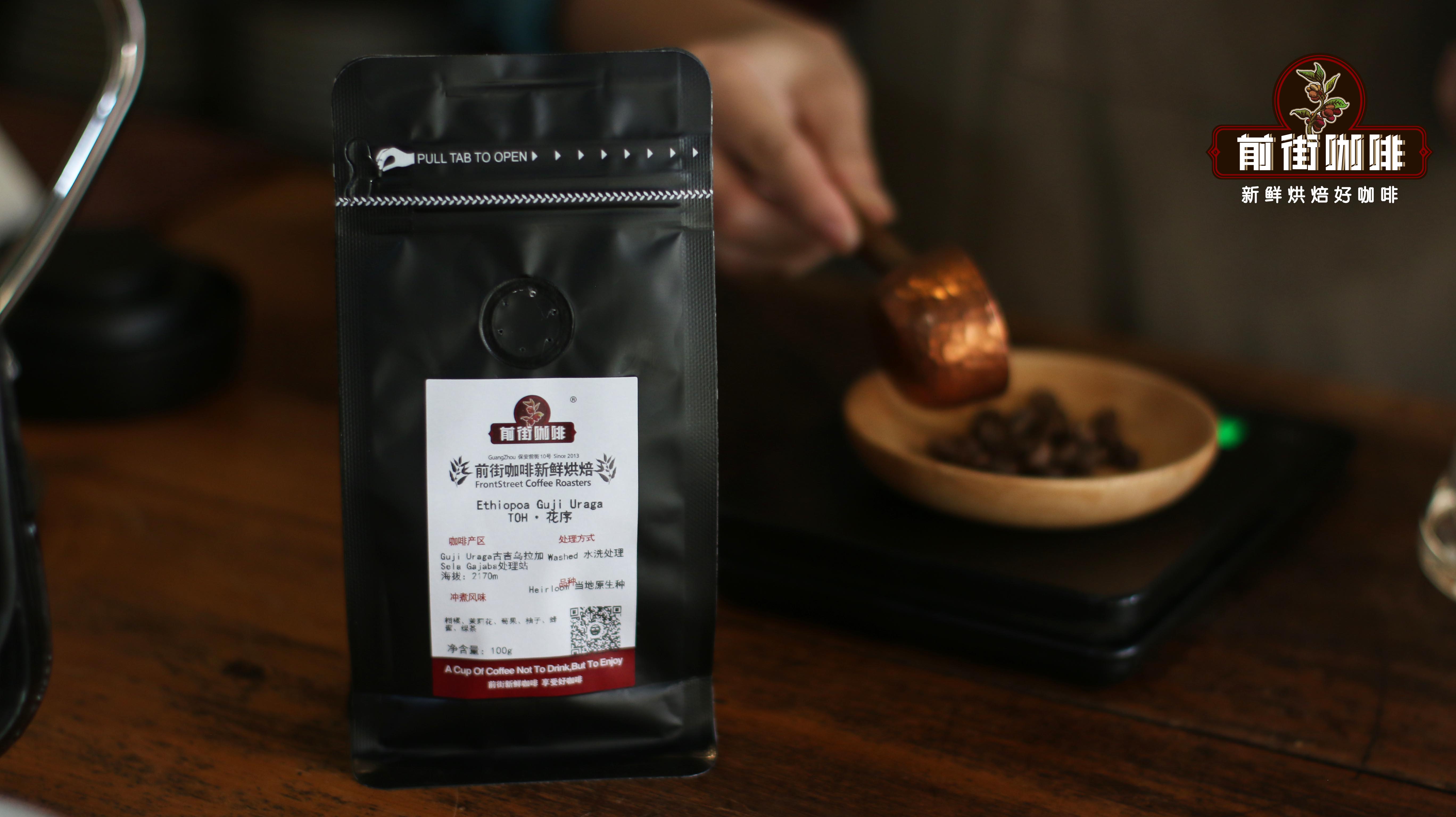
Ethiopia TOH Washed Champion Top — This bean, the 2020 TOH Washed Category Champion, comes from the Guji Uraga Zone and is known for its bright floral and citrus notes. Using 60g of coffee grounds to drip for about 6 hours yields 600ml of coffee liquid, which is then recommended to be refrigerated for another 12 hours. Before serving, add ice and pour the coffee—expect pronounced honey-like sweetness, pomelo acidity, and honey-like sweetness, with a refreshing green tea-like finish. It’s an excellent choice for summer.
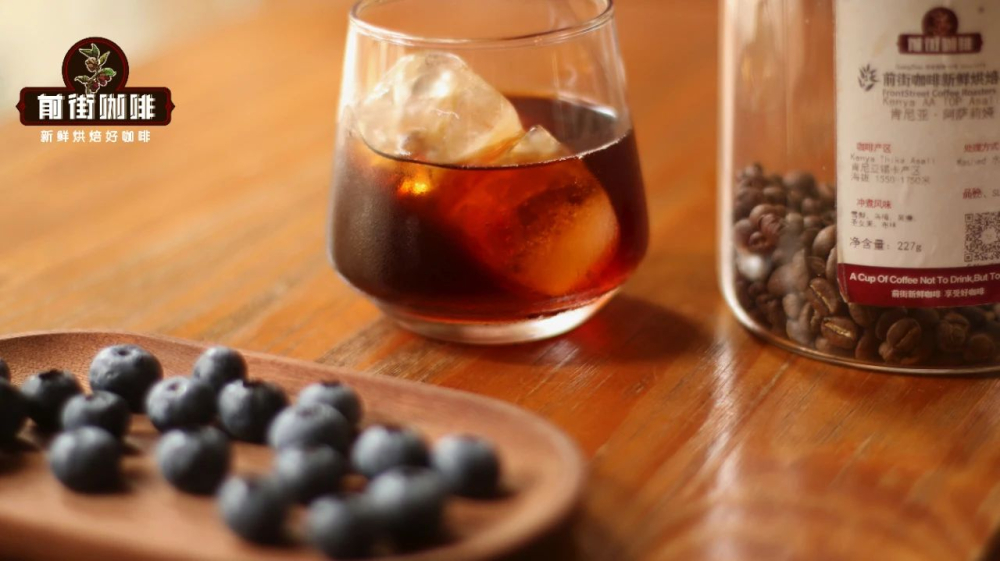
Kenya Assaria — Made from the renowned SL28 and SL34 varieties, processed with the K72 washed method, this bean boasts vibrant and solid acidity with lively fruity expression. The resulting cold drip has a flavor reminiscent of sour plum soup—acidic yet sweet, with clear notes of sour plums and cherry tomatoes, paired with a caramel-like finish. The mouthfeel is round and smooth, making it ideal for those who enjoy bright acidity and rich layers.
Costa Rica Strawberry Sugar Geisha Blend — A blend from Mirasú Estate, combining Geisha with other varieties—with Geisha making up 50%—it delivers intense fruitiness and sweetness. Processed with raisin honey, the cold drip version presents a fruit wine-like flavor that’s sweet without being cloying, with a unique taste that’s highly favored.
Honduras Sherry — This bean, based on a washed process, is further fermented in sherry whiskey barrels, resulting in a rich wine aroma. In its cold drip form, notes of vanilla cream, dark chocolate, and sherry wine are distinctly layered, making it one of the most intensely flavored options. It can also be mixed with sun-dried Yirgacheffe or other beans to create diverse complex flavors.
The above content is compiled by CoffeeHunters, a coffee news website.


