







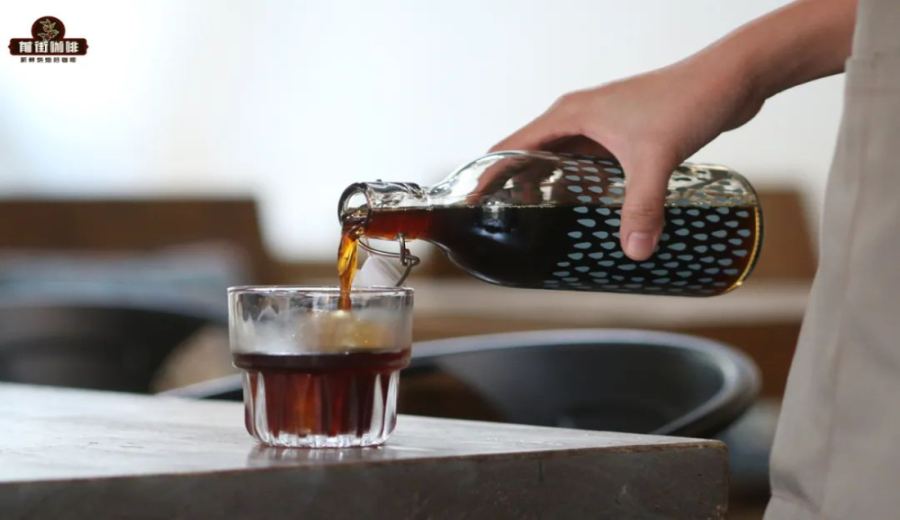
Introduction:Want to brew clear, refreshing, and complex cold drip coffee at home? This article will detail the key elements of making cold drip coffee, including selecting suitable coffee beans, achieving the precise grind size, the golden coffee-to-water ratio, and controlling the drip rate—practical techniques from bean selection and preparation to post-brew aging. Master both the science and art of cold drip coffee, and easily brew a professional-grade masterpiece.
A memorable cup of cold drip coffee is not just the result of slow extraction at low temperatures—it's also about precise control over every detail. During the cold drip brewing process, the water temperature is maintained at a cool 0–7°C, which effectively suppresses the release of overly bitter and astringent large molecular compounds, allowing the coffee to showcase more pronounced acidity and fruity notes, resulting in a refreshing and layered mouthfeel.
When choosing coffee beans, it’s recommended to prioritize light to medium roasted beans. These beans typically feature bright floral and fruity aromas along with fermentation characteristics, making them particularly well-suited to the slow extraction nature of cold drip. Dark roasted beans, while rich in flavor, often rely on high temperatures to release their caramel or chocolatey notes, which may not fully develop during cold drip brewing.
In addition, freshness is also a key factor influencing extraction consistency and flavor. It’s recommended to use coffee beans roasted around 20 days prior—by this time, CO₂ release has stabilized, helping to avoid excessive expansion of the coffee bed or channeling effects, thus ensuring smoother and more balanced extraction. Beans that are too fresh may cause uneven extraction due to gas release when ice water is introduced, negatively affecting the final flavor profile.
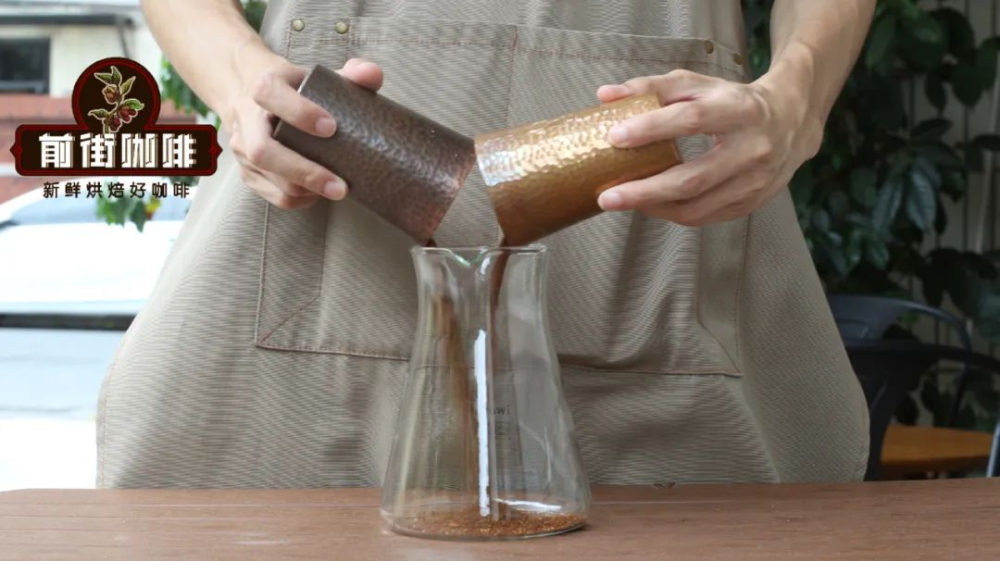
In practical operation,the step of tamping is often overlooked, but it’s actually crucial. Unlike espresso machines that use pressure to aid drainage, cold drip does not rely on such force. Therefore, the coffee bed should not be tamped too tightly—gently tap to even out the grounds, then use a flat tamper to press uniformly. Tamping too firmly can cause water pooling, poor gas release, and lead to uneven extraction or even clogging, negatively impacting overall flavor and flow rate.
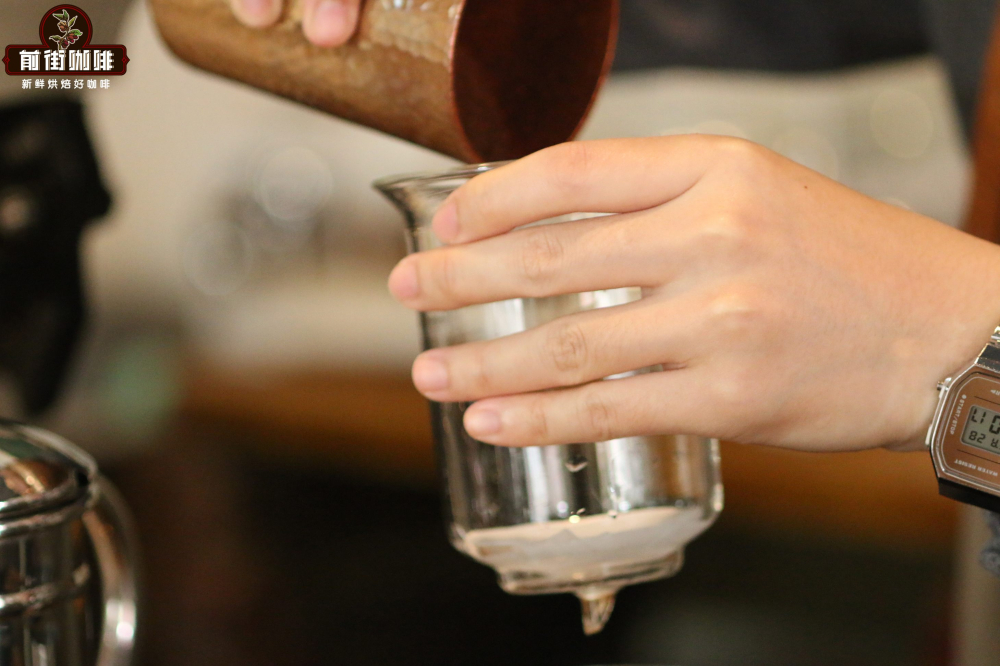
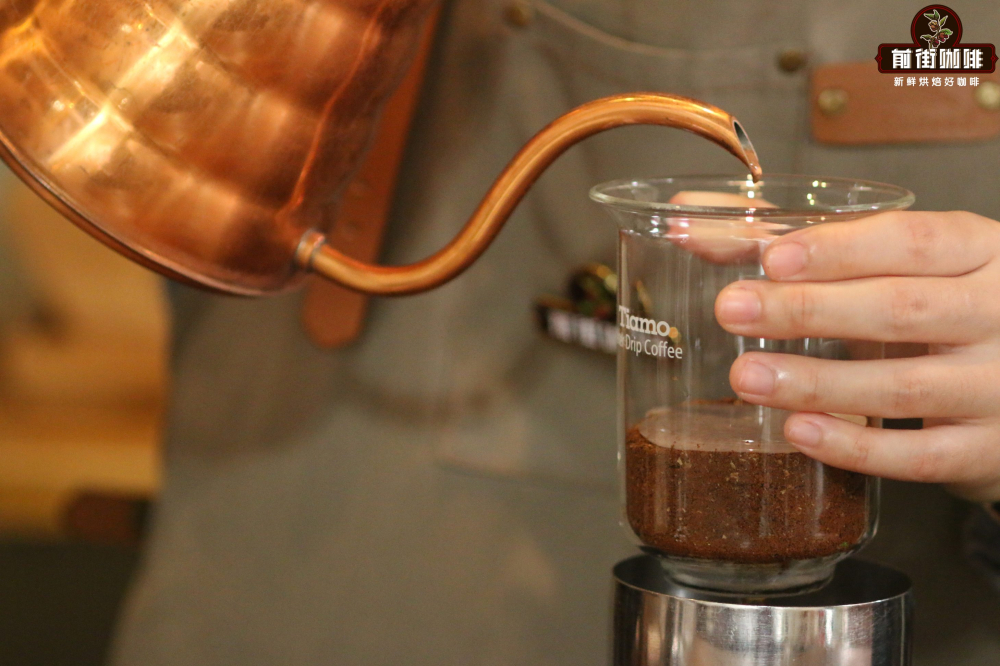
Pre-soaking the coffee grounds with ice water—similar to the blooming step in pour over—helps the coffee bed absorb water evenly and initiates extraction, preventing some grounds from being underutilized. This step not only improves extraction consistency but also shortens overall brewing time, resulting in a more balanced and complete flavor.
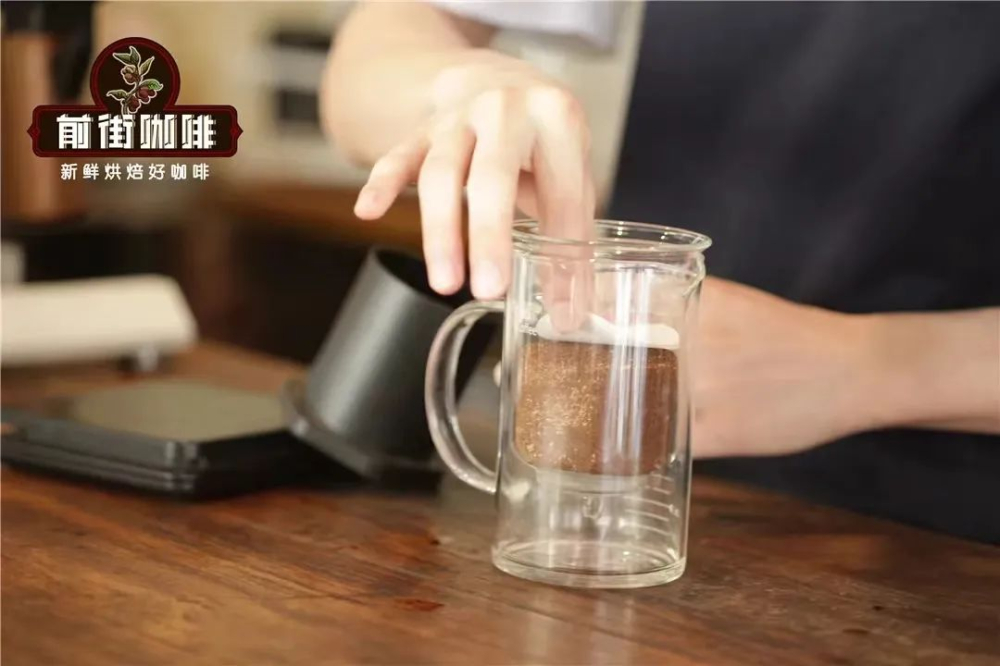
Placing a round filter paper on top of the coffee grounds provides better water permeability and diffusion, preventing the water drips from concentrating in one spot and creating indentations that leave surrounding grounds under-extracted. The filter paper helps ensure even penetration of water throughout the coffee bed, extracting a cleaner and more complete flavor profile.
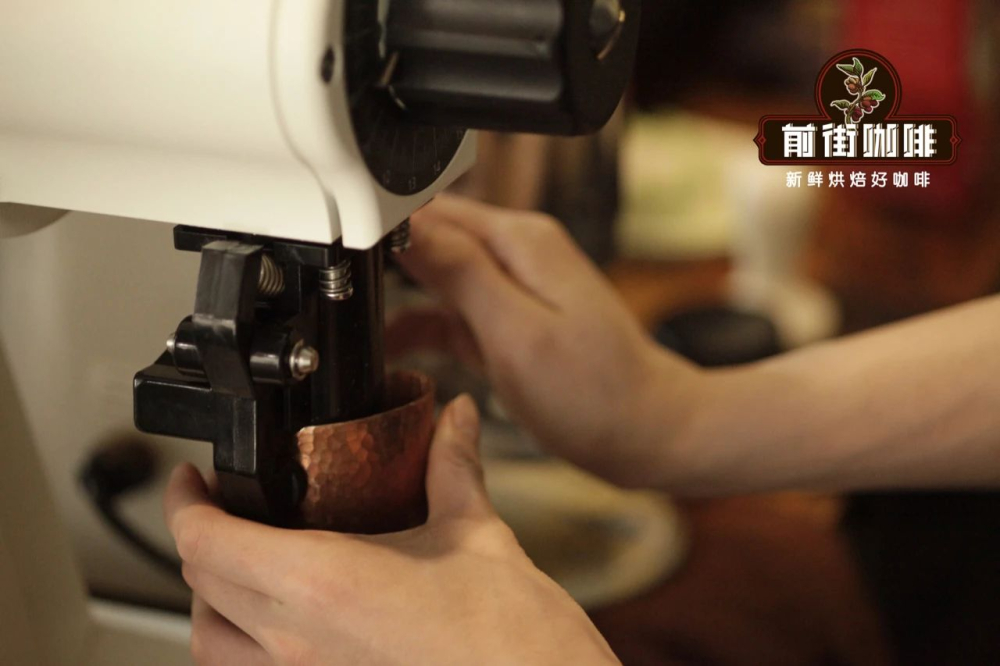
For grind size, it’s recommended to use a coarseness where about 80–85% of particles pass through a Chinese No. 20 standard sieve—that is, slightly finer than your typical pour over grind. For a bright bean like Kenyan “Little Tomato,” a grind setting of 9.5 (on an EK43s grinder) or 20–22 clicks on a C40 hand grinder is ideal, balancing extraction speed and flavor release, and avoiding overly coarse grinds that result in weak flavor or overly fine grinds that clog and over-extract.
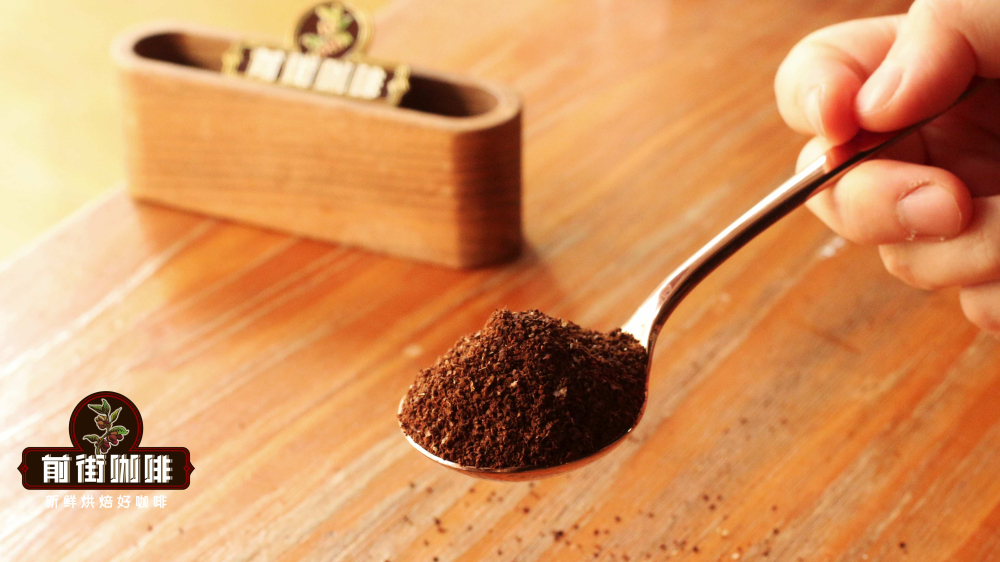
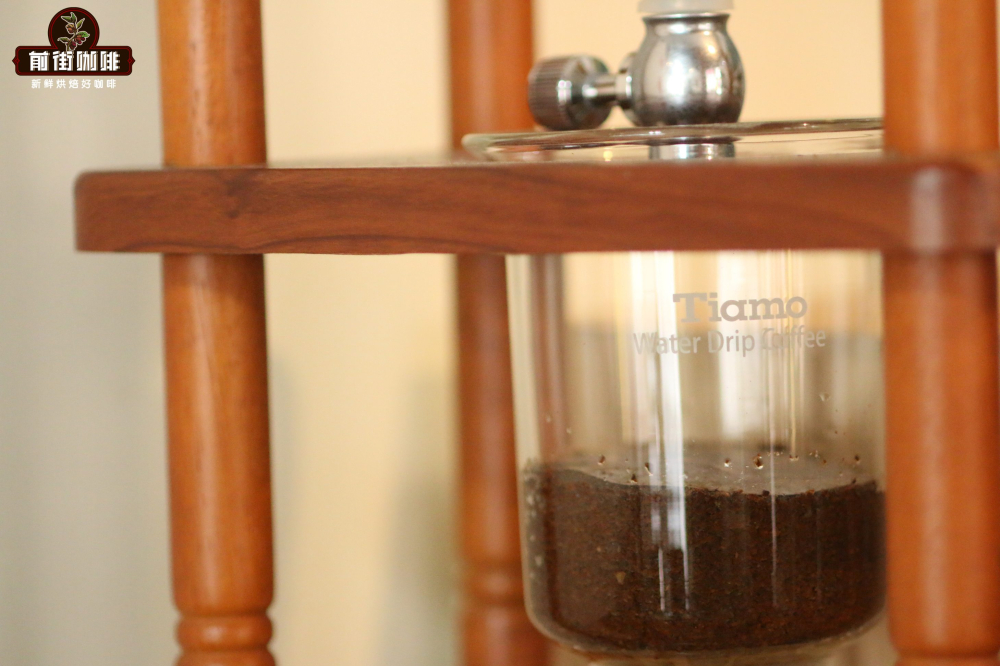
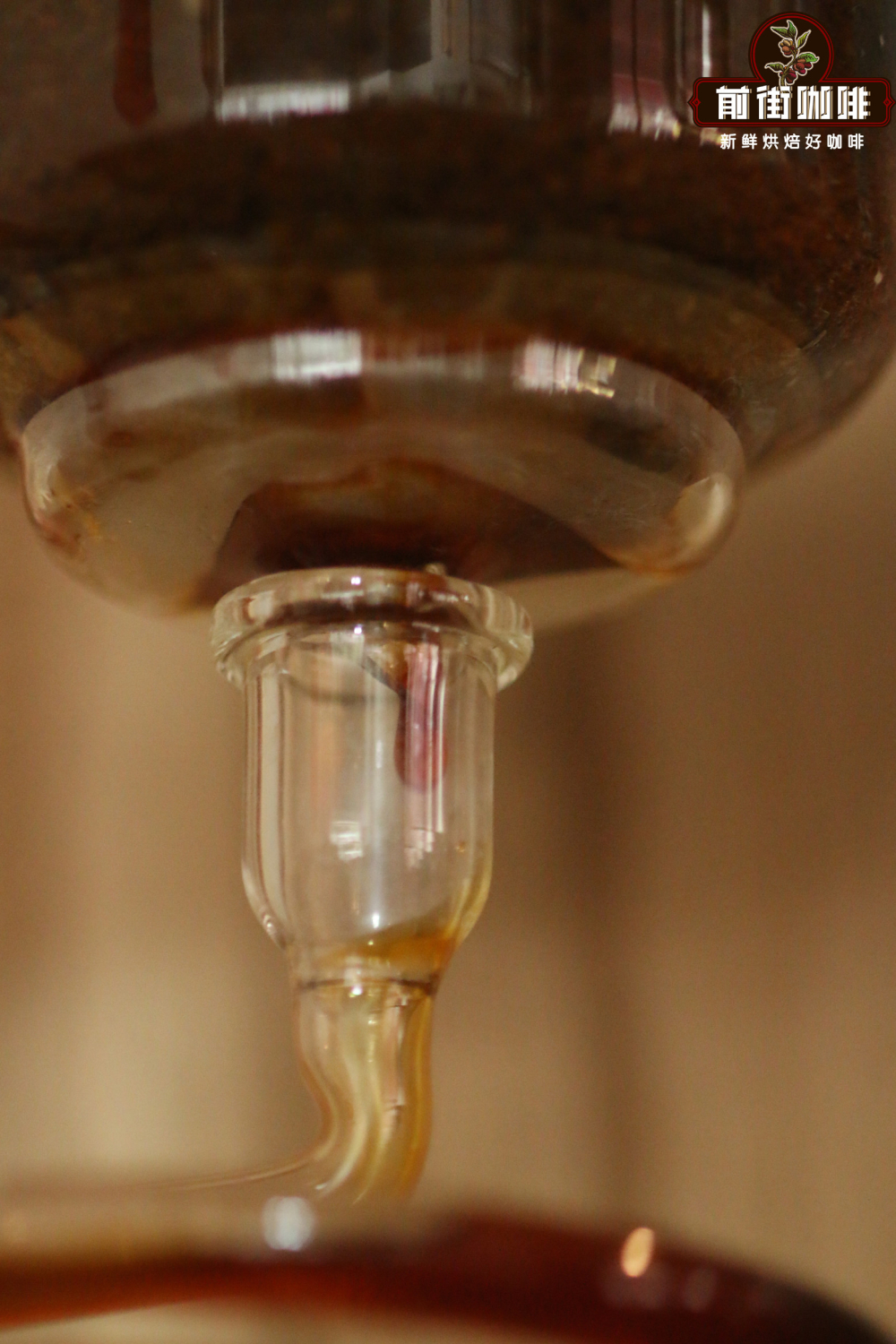
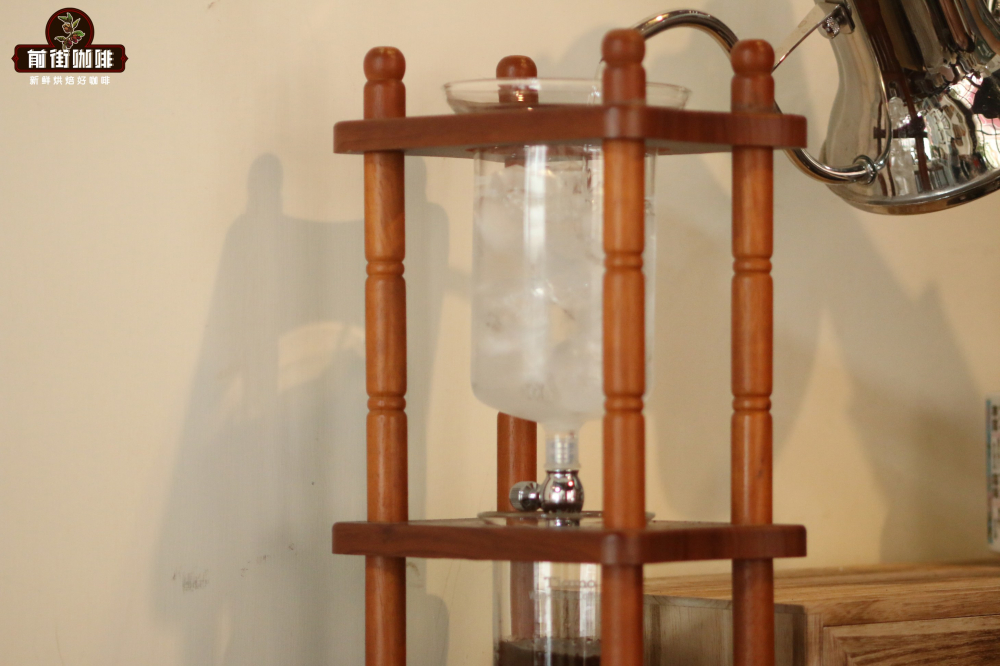
For the coffee-to-water ratio, 1:10 is commonly used as a baseline. If you plan to dilute the coffee later with ice, you can adjust it to 1:12 to 1:14 based on personal taste. It’s recommended to control the drip rate at 7 drops per 10 seconds—too slow may lead to over-extraction, and too fast may under-extract. Using 60 grams of coffee placed on filter paper, add a mixture of ice and water (at a 1:1 ratio), aiming for a total yield of around 600 grams, to achieve a rich and balanced base liquid.
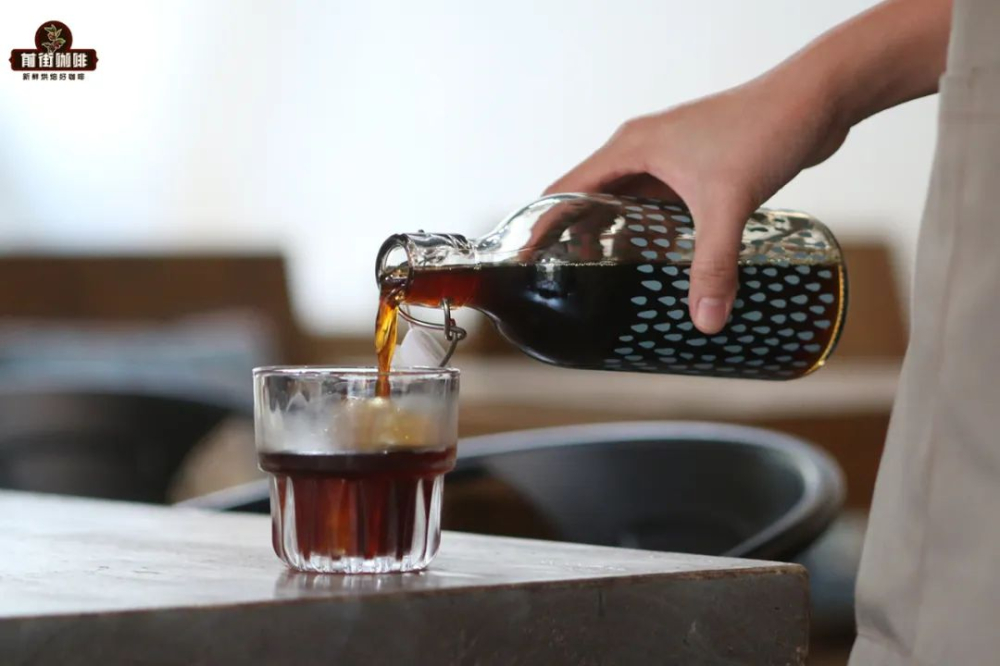
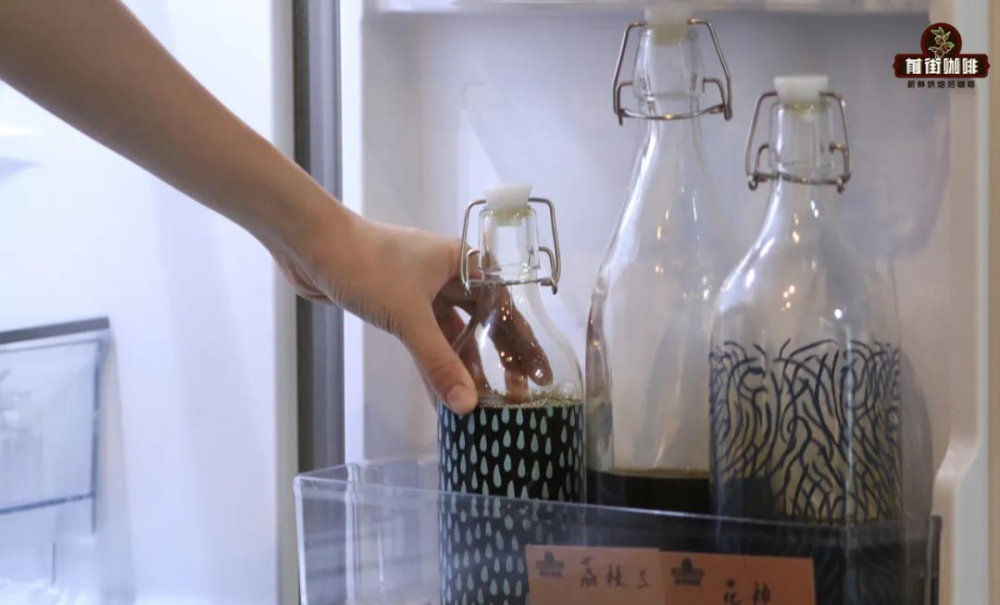
After brewing, it’s recommended to pour the cold drip coffee into a sealed glass bottle and refrigerate it for about 12 hours. This allows the coffee to undergo slight fermentation in a low-temperature environment, enhancing overall aroma complexity and flavor intensity. This period not only aids in flavor integration but also leads to a smoother mouthfeel—a golden window of flavor development widely acknowledged by cold drip enthusiasts.
The above content is compiled by CoffeeHunters, a coffee news website.


