







Introduction:On a hot summer day, do you crave a refreshing yet complex cup of coffee? Cold drip coffee is an excellent choice. This article delves into the origins of cold drip coffee, its extraction principles, how its flavor differs from hot water extraction, and offers practical brewing tips along with recommended single-origin beans—so you can easily make captivating cold drip coffee at home.
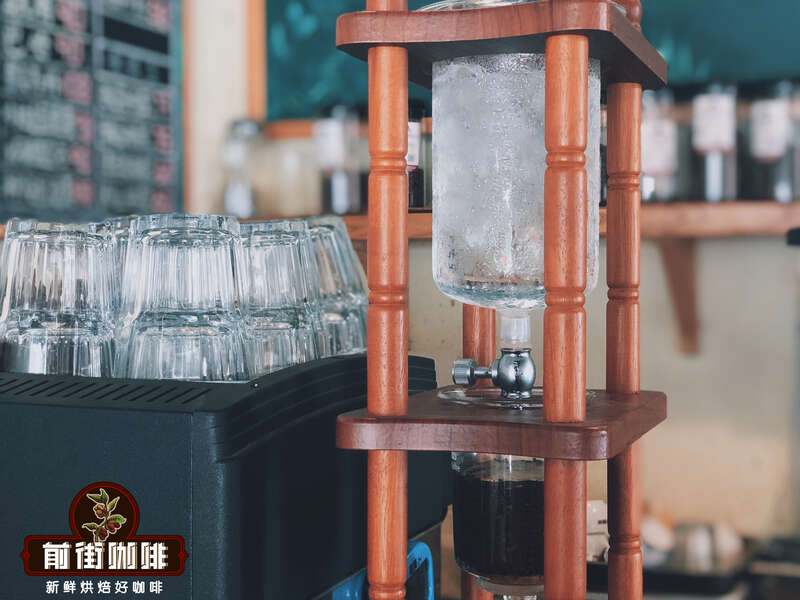
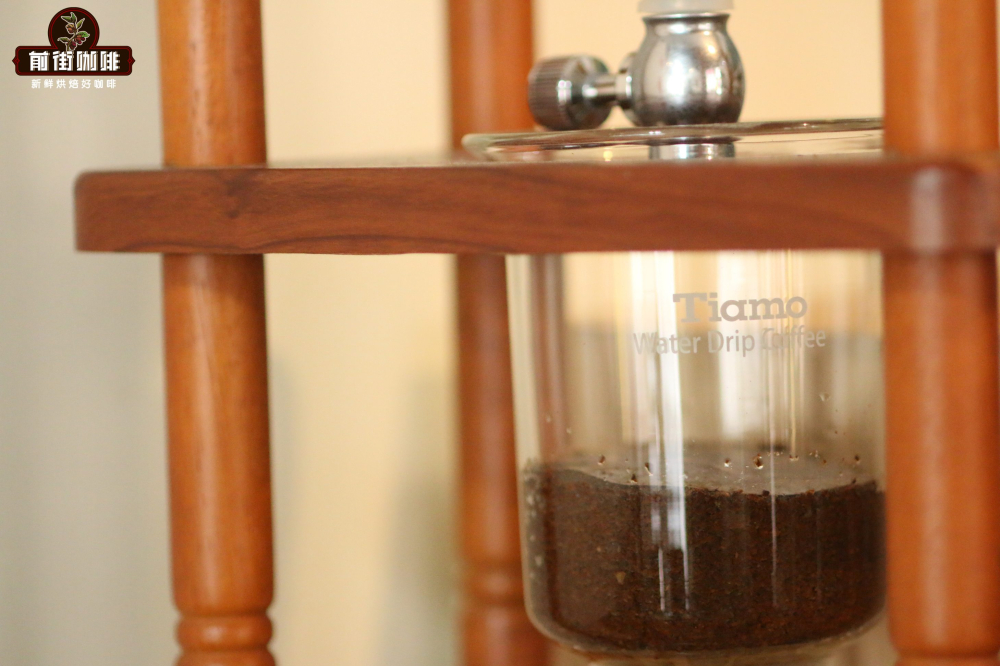
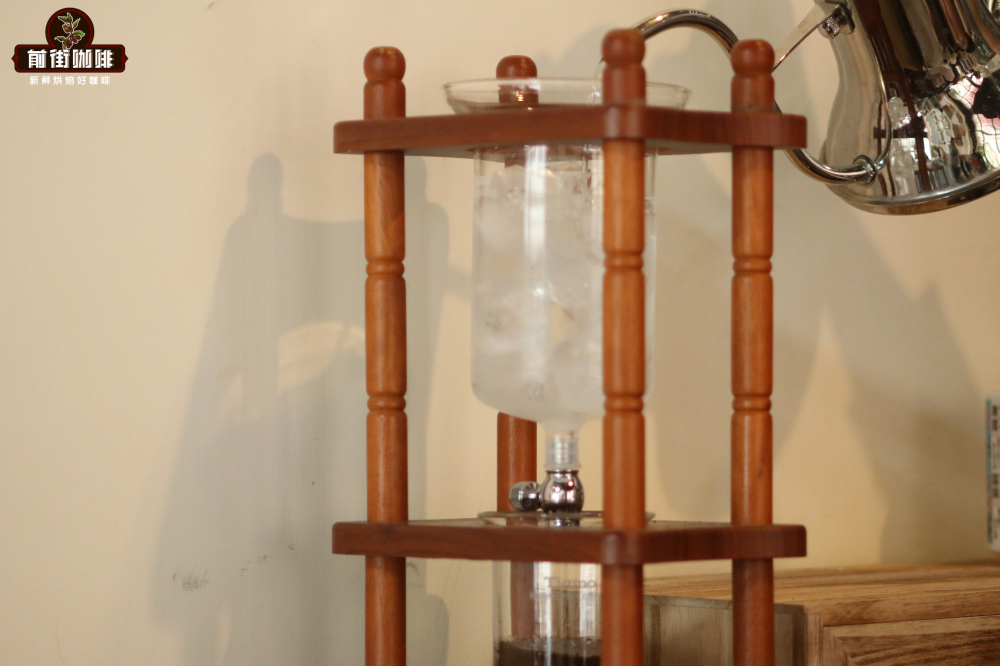
As September arrives, many regions remain under the grip of scorching weather, and many coffee enthusiasts turn to iced coffee for relief. Among them, cold drip coffee stands out as a sought-after beverage due to its unique brewing method and rich flavor. This coffee-making approach, which resembles a chemistry lab setup, actually holds many secrets to coffee flavor.
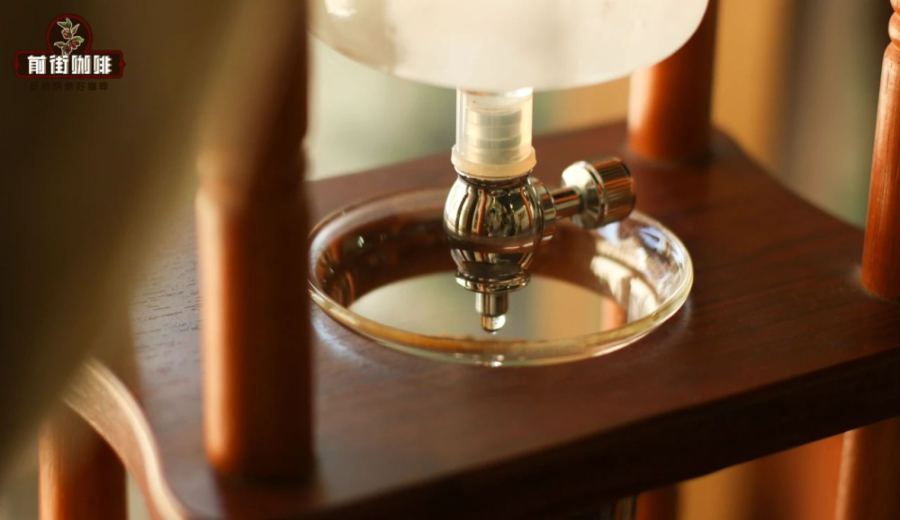
Cold drip coffee originated in the Netherlands, hence it is also known as Dutch drip coffee. Its most distinctive feature is the use of ice-cold water for low-temperature extraction, which is vastly different from the conventional hot water brewing method. This brewing process takes longer but preserves more delicate flavors while reducing the release of impurities and caffeine.
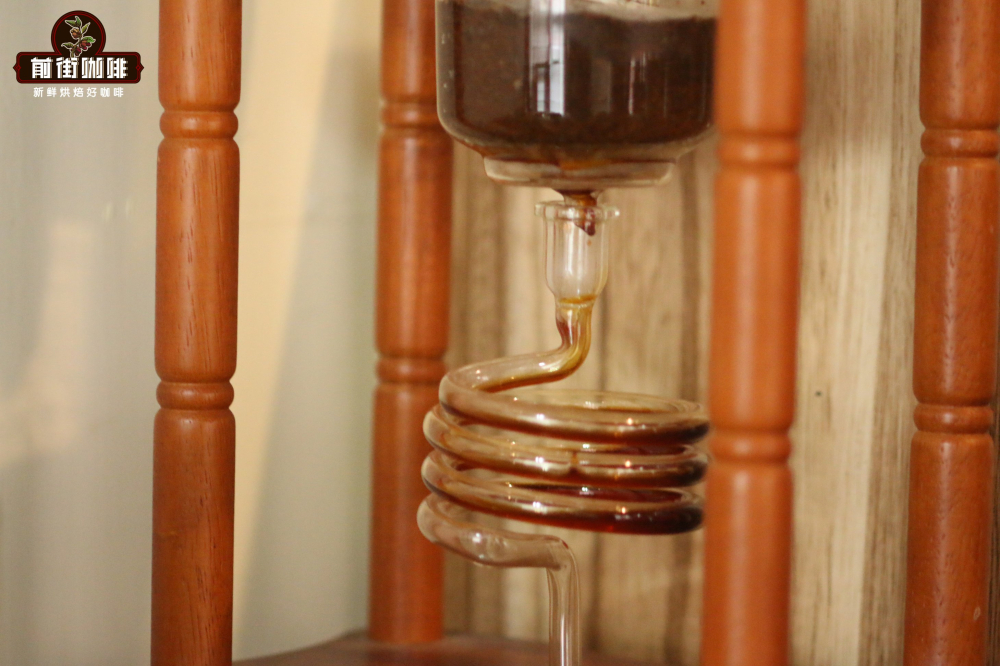
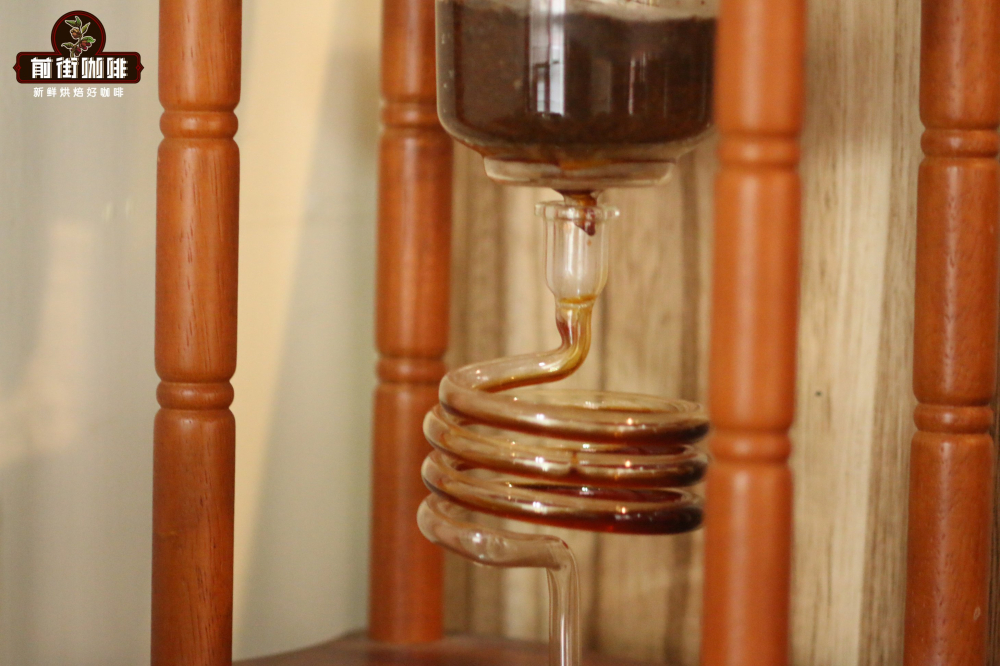
The extraction principle of cold drip coffee relies on the interplay of time and low temperature.A low-temperature environment suppresses the release of astringent compounds, resulting in a smoother coffee taste. Additionally, if the brewed coffee is refrigerated for some time, a subtle oxidation process occurs, enhancing the richness and complexity of the flavors and producing a mild, fermented-like aroma.
So,what’s the difference between coffee extracted with cold water versus hot water?In short, temperature directly affects the decomposition rate of various compounds in coffee. High temperatures can quickly convert tannic acid into quinic acid, leading to premature astringency and woody off-flavors. In contrast, low-temperature extraction only releases smaller molecular floral and fruity aromas, minimizing bitterness and undesirable flavors.
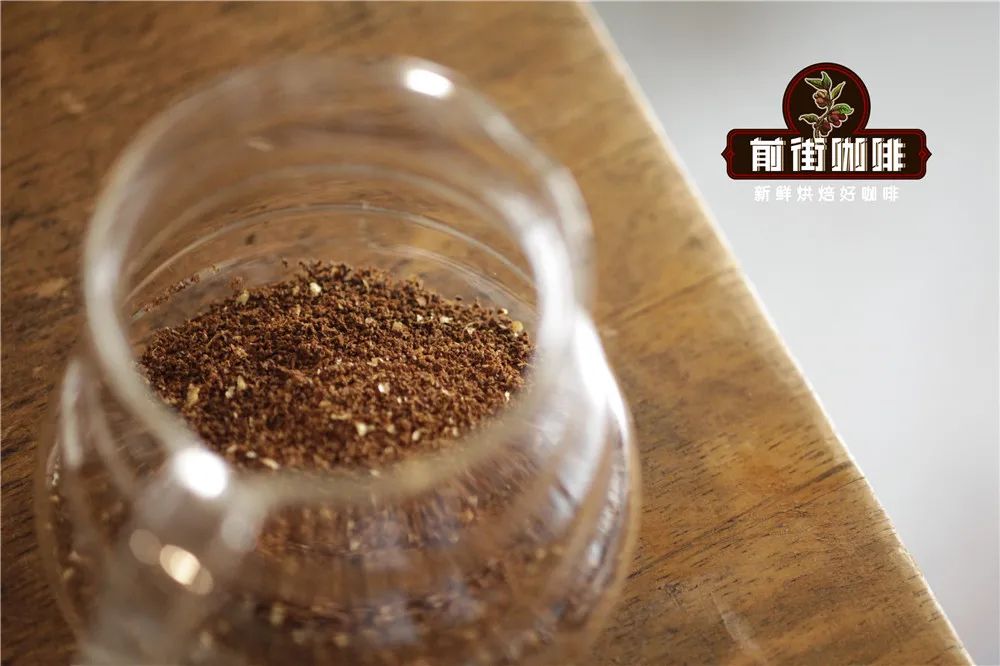
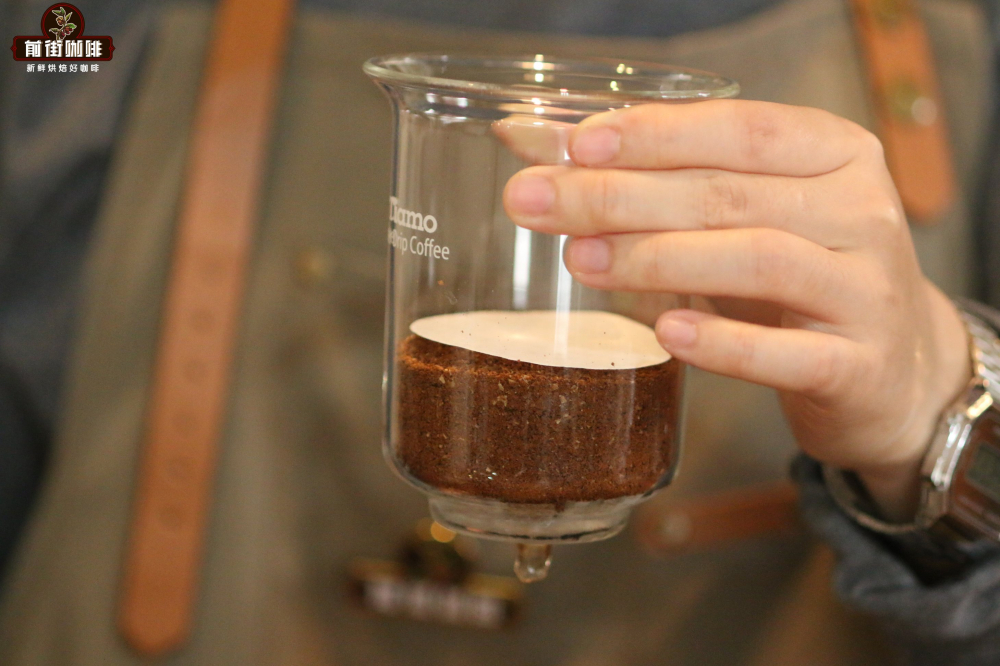
When making cold drip coffee, there are severalpractical tips and parametersto keep in mind. First is grind size—opt for a slightly finer coarse grind than what you’d use for pour over, roughly 75%–85% passing through a Chinese No. 20 sieve, similar in coarseness to sugar granules, to balance extraction efficiency and flow rate. Second is the coffee-to-water ratio, recommended between 1:10 and 1:12. Coffee brewed within this ratio can be consumed directly or diluted with ice cubes to adjust strength.
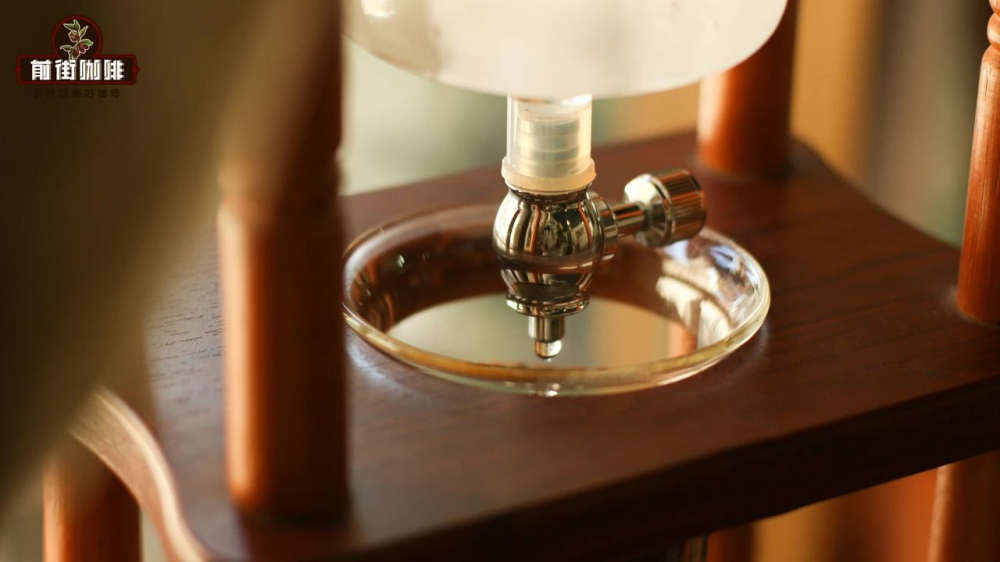
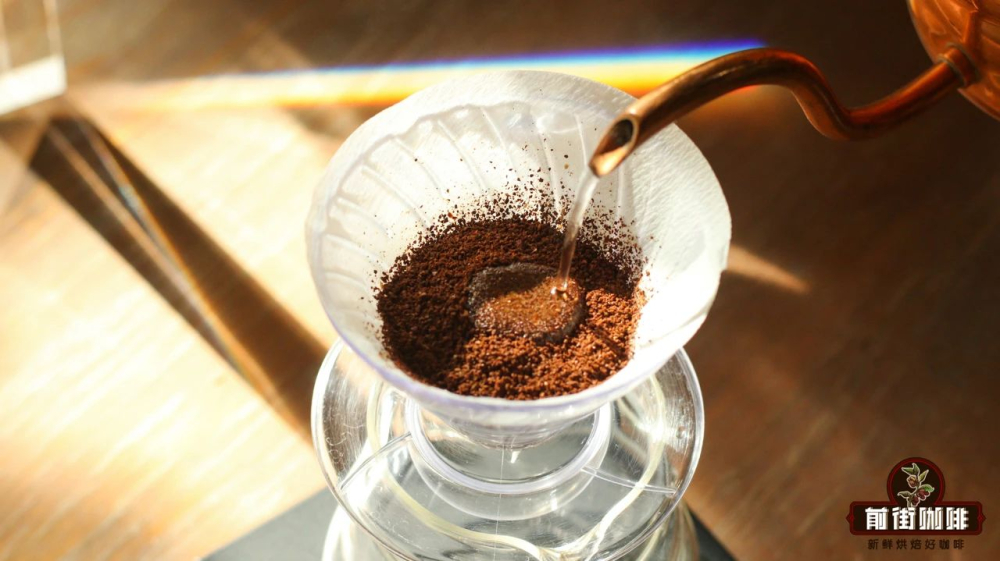
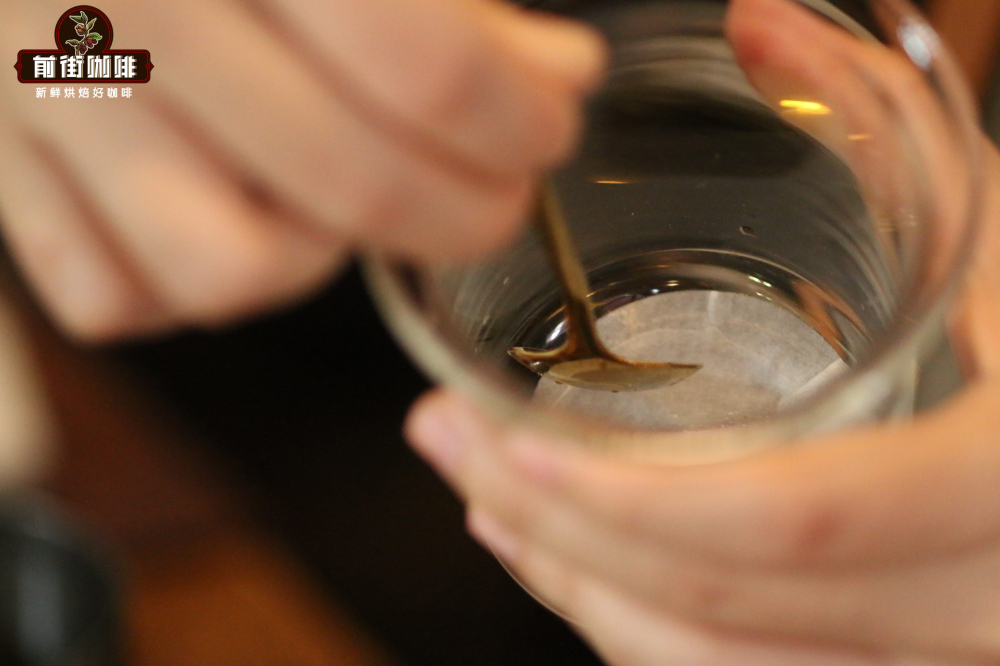
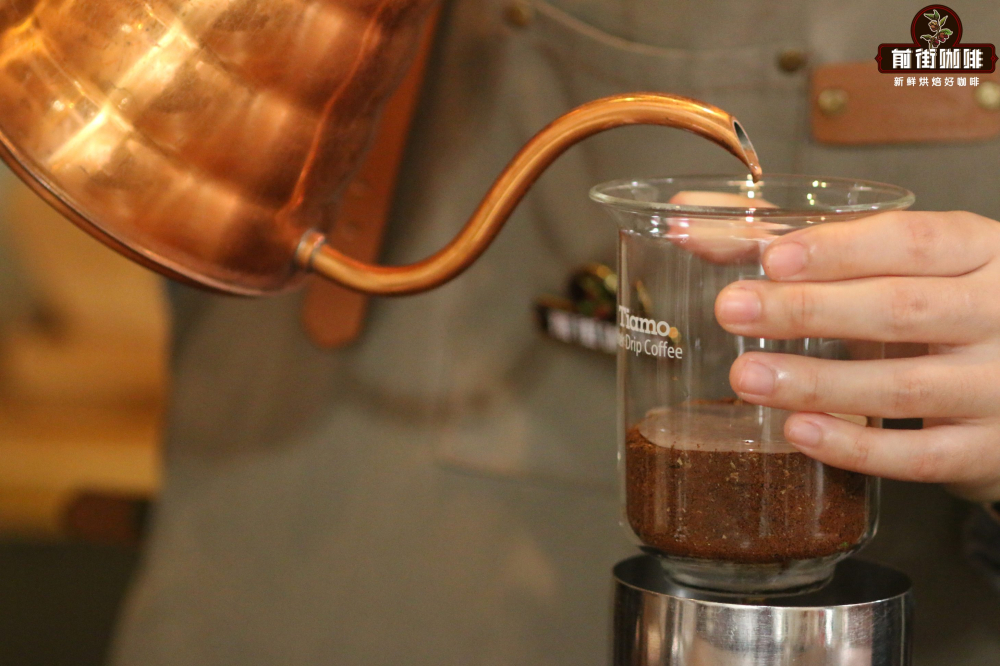
Before starting the extraction,don’t forget to wet the coffee grounds and place a filter paper. Wetting the grounds helps achieve water saturation, stabilizing extraction, while the filter paper ensures even distribution of water droplets, preventing over- or under-extraction in localized areas. The dripping time is recommended to be controlled between 12 to 14 hours—going too long may lead to excessive flavor release and unwanted bitterness.
Additionally,it is advised to let the cold drip coffee sit in the fridge for 12 to 24 hours after brewing. While not strictly fermentation, the carbon dioxide pressure inside the sealed bottle during this period further releases and blends flavor molecules, resulting in a smoother coffee mouthfeel. However, please note that it is best to consume the coffee within 72 hours to ensure optimal flavor and hygiene.
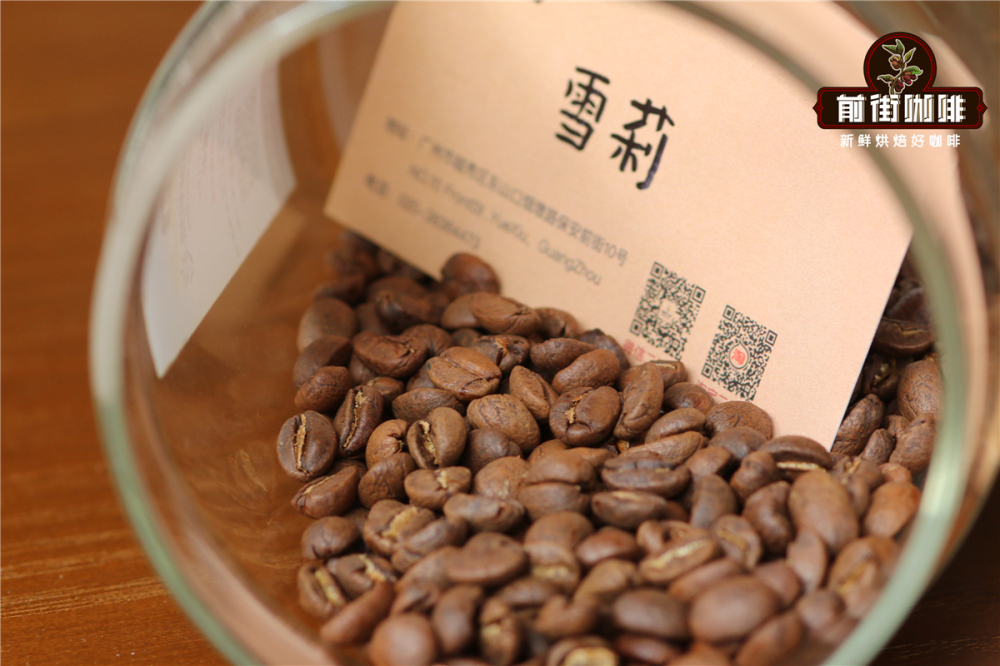
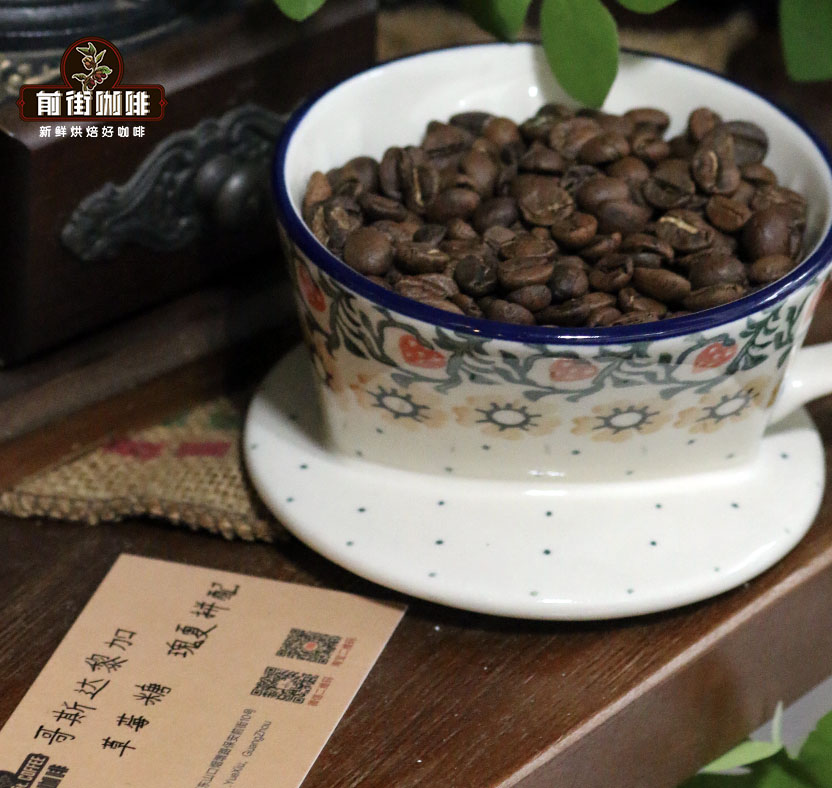
As for the types of coffee beans suitable for cold drip,medium to light roasted single-origin beans with fruity or fermented notes are the top choice. For instance, Costa Rica’s Musician Series or Honduras’ wine barrel-processed beans can showcase rich fruitiness and delicate layers. Some shops also opt to blend different bean varieties to balance aroma and flavor profiles, crafting a more unique cold drip experience.
In summary, cold drip coffee is not only a refreshing beverage but also an excellent way to explore the nuances of coffee flavor. Master the right grind size, coffee-to-water ratio, and extraction time, choose the appropriate beans, and you too can enjoy a professional-grade cup of cold drip coffee at home.

The above content is compiled by CoffeeHunters, a coffee news website.


