







Introduction:The moka pot is an essential tool for many coffee enthusiasts, but improper cleaning can not only lead to oxidation and blackening but also affect the flavor of the coffee. This article delves into the correct cleaning methods for both aluminum and stainless steel moka pots, detailing the disassembly, cleaning, installation direction, and replacement cycle of gaskets and filters, as well as offering solutions to restore oxidized pot bodies. It helps you effectively maintain your moka pot and extend its lifespan.
The moka pot is a commonly used brewing device in many households and among coffee lovers, but if daily cleaning is not thorough enough, the aluminum pot body can easily turn black due to oxidation, while the filter and gasket are often overlooked. Over time, this not only affects the appearance but may also interfere with the extraction flavor of the coffee. This article will explain in detail the differences in cleaning between aluminum and stainless steel moka pots, teaching you how to correctly disassemble and clean the gaskets and filters, including their installation directions and replacement timing. It also provides effective cleaning and restoration methods for already oxidized pot bodies, such as soaking them in white vinegar or lemon juice, helping you maintain your moka pot in optimal condition.
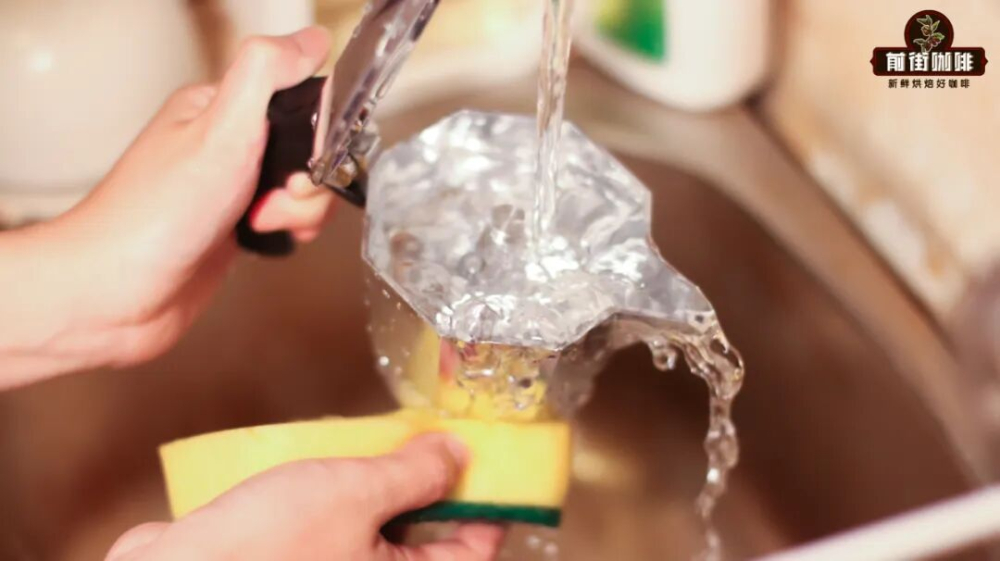
After each use of the moka pot, it is recommended to let it cool down naturally, then gently unscrew the upper and lower sections, pour out the coffee grounds, and rinse off any small particles attached to the pot body and interior. Many people are accustomed to just giving it a quick rinse with water or using dish soap for a simple wash, but this is actually a crucial step that is often overlooked, and any negligence can easily lead to pot body oxidation. Currently, the moka pots available on the market are mainly made of two materials: aluminum and stainless steel, which have significant differences in cleaning methods, especially when it comes to aluminum pots that require more careful handling.
Aluminum is prone to reacting with alkaline components or chlorine in cleaning agents, leading to corrosion and oxidation, resulting in the so-called "blackening" phenomenon. In addition, aluminum has strong adsorption properties, and if cleaning agent residues remain, they may affect the flavor of subsequent brews. Therefore, when cleaning an aluminum moka pot, it is recommended to rinse it only with water and avoid using any dish soap or cleaning agents. Stainless steel moka pots, on the other hand, have relatively better corrosion resistance and can be cleaned with dish soap, but care should be taken to prevent the cleaning agent from coming into contact with the gasket, as this may accelerate aging and reduce the sealing effect.
Regardless of the material, you should avoid using steel wool or other abrasive cleaning tools. These tools can easily scratch the surface of the pot and even damage the protective layer, not only affecting the appearance but also accelerating metal oxidation. After cleaning, make sure the moka pot is completely dry before reassembling; otherwise, residual moisture can also cause oxidation and blackening issues, especially in humid environments where extra care is needed.
In addition to the pot body, the gaskets and filters of the moka pot are also often overlooked but extremely important parts. Many people focus only on cleaning the upper and lower sections, the coffee chamber, and the water reservoir during washing, neglecting these small accessories. However, they can easily accumulate coffee grounds and residual liquids, which are difficult to clean thoroughly with just water. The correct approach is to use simple tools (do not use sharp objects) to gently pry up the gasket from its inner ring, allowing you to remove both the gasket and filter together for internal cleaning.
The gasket is an important component that secures the filter. When it is removed, the filter will also come loose, making it possible to thoroughly rinse them along with the interior of the moka pot. When reinstalling, pay attention to the orientation of the filter—it should have its concave side facing inward and the convex side facing outward; otherwise, it may cause leaks and affect normal use. In addition, like many seals in coffee equipment, the gasket is a consumable item that wears out gradually with increased usage, affecting the sealing effect. Generally, the lifespan of a gasket is about one year, but the actual replacement time still depends on usage frequency. If you notice any leakage, you should immediately inspect and consider replacing the gasket to maintain the stable performance of the moka pot.
If your moka pot has become noticeably oxidized and blackened due to improper cleaning or lack of proper maintenance over time, there’s no need to worry too much. Even if oxide deposits appear, as long as it is made of food-grade aluminum alloy, it usually does not pose a direct health risk. But if you find the appearance unappealing, you can try soaking the oxidized areas in a mixture of white vinegar or lemon juice with water for about an hour, which can help soften and fade the oxides. After soaking, rinse the pot thoroughly with water again and ensure it is completely dry. This can effectively improve the appearance of the pot body and delay further oxidation.
In summary, cleaning and maintaining your moka pot is not just about keeping it looking good, but also about ensuring the quality of each cup of coffee you brew and the long-term usability of the device. Remember to clean it thoroughly after each use, let it dry completely, and regularly check the condition of the gaskets and filters, replacing them when necessary, so that your moka pot can continue to brew delicious coffee for you reliably.
The above content is compiled by CoffeeHunters, a coffee news website.


