








Introduction:Arabica coffee boasts a diverse array of varieties and flavors, but for beginner coffee enthusiasts, selecting the right single-origin beans can be quite a challenge. This article will delve into commonly found Arabica varieties such as Typica, Bourbon, Geisha, and Caturra, explaining their origins, characteristics, and typical flavor profiles. It also includes practical brewing tips and parameter suggestions, along with recommendations for 8 representative entry-level single-origin beans to help you embark on your own coffee flavor journey based on personal taste.
The rise of the specialty coffee trend has led more and more consumers to pay attention to the variety and origin information behind coffee beans. As a representative of high-quality coffee, Arabica has numerous genetic branches, including Typica, Bourbon, Caturra, Geisha, etc. Each variety, influenced by different climates, soils, and processing methods, exhibits unique aromas and taste profiles. For beginners, the wide range of options can often be overwhelming. This article will systematically guide you through the background, characteristics, and suitable brewing methods of major Arabica varieties, and recommend 8 entry-friendly, flavor-distinctive single-origin beans to help you establish your own bean selection direction.

When choosing the right Arabica single-origin bean, the foremost consideration should not just be the brand, but rather your own brewing habits and flavor preferences. Many novice coffee drinkers, when making their first purchase, often end up with results that don’t meet expectations due to a lack of understanding of variety characteristics or roast levels. Therefore, it is recommended that beginners start by focusing on three aspects: choosing a reputable local roaster, selecting an appropriate roast level based on the brewing method (such as pour over or espresso), and picking a product whose flavor profile aligns with the variety’s traits.
In terms of brand selection, it is advisable to go for local roasters that offer a stable product line and high transparency in roasting. A stable supply chain and clear labeling of origin and processing methods enable beginners to more easily understand the source of their coffee beans and their potential flavor characteristics. As for brewing methods, pour over coffee typically suits medium-light to medium roasts, which can highlight the beans’ delicate acidity and layered complexity. If you prefer a richer taste, espresso (or SOE) is better suited to medium-dark roasts or above, offering a fuller body and caramelized aromas.
Below are eight recommended Arabica single-origin beans suitable for beginners, each representing a common variety type, along with their characteristics and suitable brewing scenarios:
1. Typica — 2013 Yunnan Typica
Typica is one of the earliest and most widely planted Arabica varieties, known for its delicate and elegant aroma, though it suffers from low yield and weak disease resistance, and is now mostly found in small-scale high-altitude farms.Its flavor profile is dominated by notes of nuts, brown sugar, and apricot, with a soft black tea-like aftertaste.This Yunnan-grown Typica is ideal for those who enjoy a light, balanced cup with fruity and tea-like qualities. Recommended brewing method is pour over using a medium-light roast, with a brewing temperature of around 90–92°C and a coffee-to-water ratio of 1:15 to highlight its delicate acidity.
2. Bourbon — Brazilian Cerrado Red Bourbon
Bourbon is a mutation of Typica, with fruit that ripens to a beautiful red color. Its flavor is sweeter than Typica, with pronounced acidity and wine-like complexity.This Brazilian Red Bourbon offers intense roasted nut aromas, a full-bodied mouthfeel, and a sweet finish, making it highly suitable for both pour over and French press.A medium roast is recommended. When brewing via pour over, aim for an extraction time of around 2 minutes to emphasize its sweetness and low acidity.

3. Caturra — Colombian Huila Coffee
Caturra is a variant of Bourbon, renowned for its high yield and strong disease resistance. It is well-suited for high-density planting and can thrive without shade, often referred to as “sun-grown coffee.”Its flavor profile is similar to Bourbon, but with a richer mouthfeel, often featuring notes of dark chocolate and caramel.This Colombian Huila Caturra is presented with a medium-dark roast, suitable for those who prefer a fuller-bodied cup. It can be brewed via pour over or as an SOE. Recommended brewing temperature is 91–93°C, with an extraction time of about 2 minutes and 10 seconds.
4. Catuai — Panamanian Elida Estate Catuai
A hybrid of Caturra and Mundo Novo, Catuai is highly resistant to wind and rain, with firm fruit that is less prone to dropping. It is one of the main varieties grown in many Central and South American regions.This Panamanian Catuai is processed using the natural (sun-dried) method, showcasing refreshing aromas of peach, citrus, and red grapes, with a balanced sweet and sour profile and a clean, crisp finish.Suitable for pour over and cold brew, a medium-light roast is preferred to enhance its fruity characteristics.
5. Geisha (Geisha / Gesha) — Panamanian Geisha Flower Butterfly
Originating from Ethiopia’s Gesha Mountains, Geisha is famed for its extraordinary aroma, tea-like sweetness, and premium pricing, making it a star variety in the specialty coffee world.The Geisha Flower Butterfly contains 70% Geisha, delivering prominent notes of orange blossom, honey, and green tea, with delicate acidity and a long-lasting finish.It is recommended to brew via pour over using a medium-light roast. Fine grinding and lower water flow can better unlock its intricate layers.
6. Ethiopian Heirloom — Ethiopian Huika
Ethiopia is home to the world’s richest coffee genetic diversity, but much of it comes from smallholder mixed-variety farms, so exported beans are often collectively referred to as “heirloom.”This Huika variety showcases intense tropical fruit and creamy strawberry aromas, with a smooth mouthfeel and gentle acidity, making it perfect for those who love vibrant fruit flavors.Suitable for both pour over and cold brew, a medium-light roast is suggested to accentuate its floral and fruity notes.
7. SL28 & SL34 — Kenyan Little Tomato Coffee
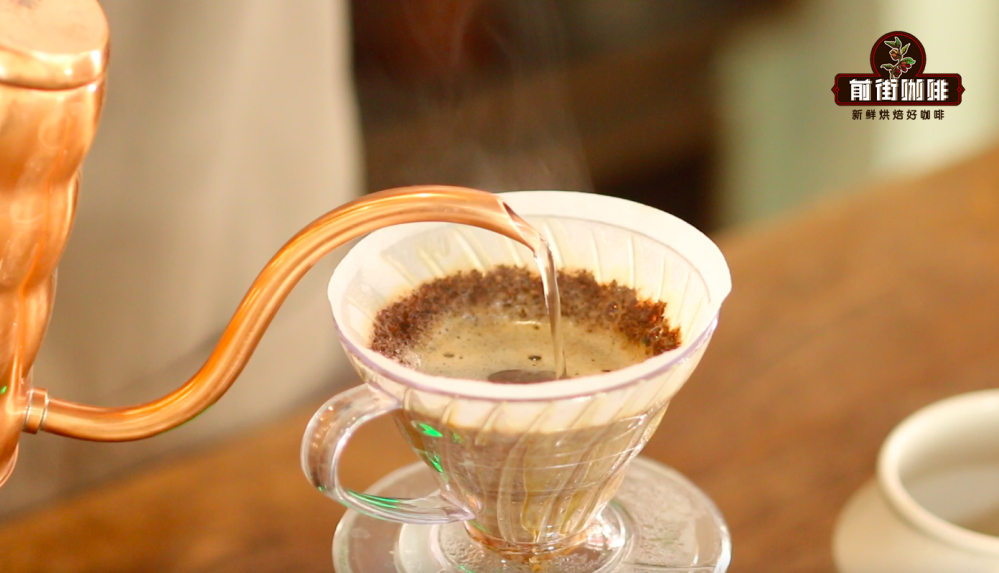
Developed by Scott Laboratories in the 1930s for Kenya, these varieties exhibit exceptionally high acidity and distinctive citrus and dark plum flavors.This Kenyan Little Tomato features pronounced berry acidity, blended with sweet notes of cherry tomato, pear, and brown sugar, resulting in a refreshing and layered cup.Recommended brewing method is pour over using high water temperature (around 94°C) and medium-fine grinding to fully express its complex sweet and sour structure.
8. Catimor / TimTim — PWN Golden Mandheling
Catimor is a hybrid of Timor and Caturra, with 25% Robusta lineage. It boasts strong disease resistance and high yield, commonly found in Southeast Asian growing regions.Indonesia’s Golden Mandheling, based on this variety, delivers deep flavors of herbs, spices, nuts, and caramel, with a full body and unique earthy and woody undertones.Suitable for those who prefer a rich, low-acid cup, it is recommended to use a medium-dark roast and brew via espresso or French press.
In summary, selecting the right Arabica single-origin bean involves not only understanding the genetic background and flavor profile of each variety, but also considering your own brewing equipment, skill level, and taste preferences. Whether you’re just starting to explore pour over coffee or looking to expand your variety experience, these 8 recommended beans offer a great entry point to help you gradually develop a keener sense of coffee flavors and sharpen your selection skills.
The above content is compiled by CoffeeHunters, a coffee news website.


