







Introduction:Want to learn how to make delicious cold brew coffee? From the ideal grind size, coffee-to-water ratio, to the unique flavor characteristics of cold brew — and even common questions like: will drinking cold brew keep you up at night? This article breaks down the brewing principles, key parameters, and flavor profile of cold brew in an easy-to-understand way, helping you master the essence of this low-temperature extraction method. Whether you’re making it yourself or tasting it, you’ll have a clearer direction.
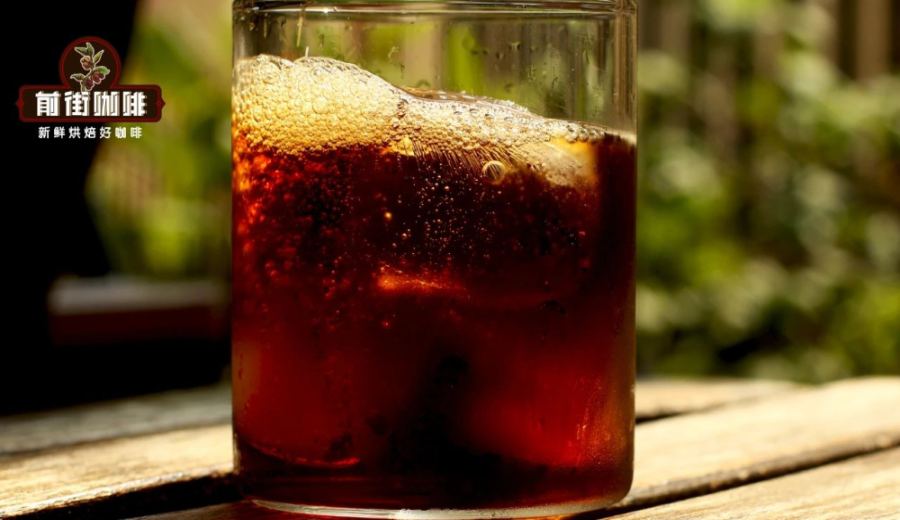
Cold brew coffee, known in English as Cold Brew Coffee, is a brewing method that involves steeping coffee grounds in cold water for an extended period, usually at least 12 hours, and sometimes even up to 24 to 48 hours, to achieve a richer and smoother taste. Compared to traditional high-temperature, short-duration extraction, cold brew's low temperature and long duration effectively reduce acidity and bitterness, while highlighting lighter flavors such as floral and fruity notes in the coffee.
 " alt="Schematic diagram of the cold brew coffee extraction principle">
The extraction principle of cold brew coffee lies in the slow interaction between cold water and coffee grounds. Through prolonged contact, it extracts only small-molecule flavor compounds — such as floral, citrus, and berry notes — while larger molecules like smoky and chocolatey tones are less likely to be released. This results in a smoother, lower-acid taste with a natural sweetness, making it ideal for coffee lovers who prefer a refreshing flavor.
 " alt="Flavor comparison illustration between cold brew and hot brew coffee">
The flavor characteristics of cold brew coffee come from its low-temperature, long-duration extraction environment. Compared to hot water extraction (around 82–95°C, for just tens of seconds to 3 minutes), cold brew’s slow immersion in cold water creates a smoother, more refreshing, and intricately layered taste. Not only is the acidity lower, but the overall flavor is also sweeter and silkier, showcasing the subtle regional characteristics of the coffee beans — especially well-suited for light to medium roast beans.
 " alt="Cold brew coffee water-to-coffee ratio reference chart">
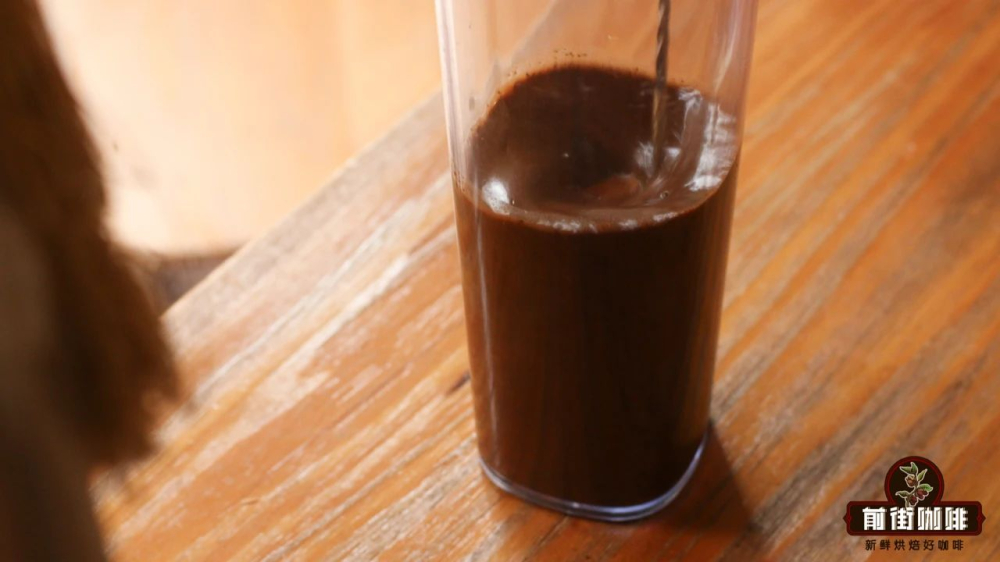
When making cold brew coffee, the choice of water-to-coffee ratio greatly affects the final flavor. It is generally recommended to use a ratio between 1:10 and 1:16, adjusted according to personal taste preferences. For a stronger taste, you can opt for a concentrated 1:10 ratio; if you prefer a cleaner, balanced flavor, 1:15 is the widely recommended golden ratio. Regardless of the ratio, the key is thorough steeping and even extraction.
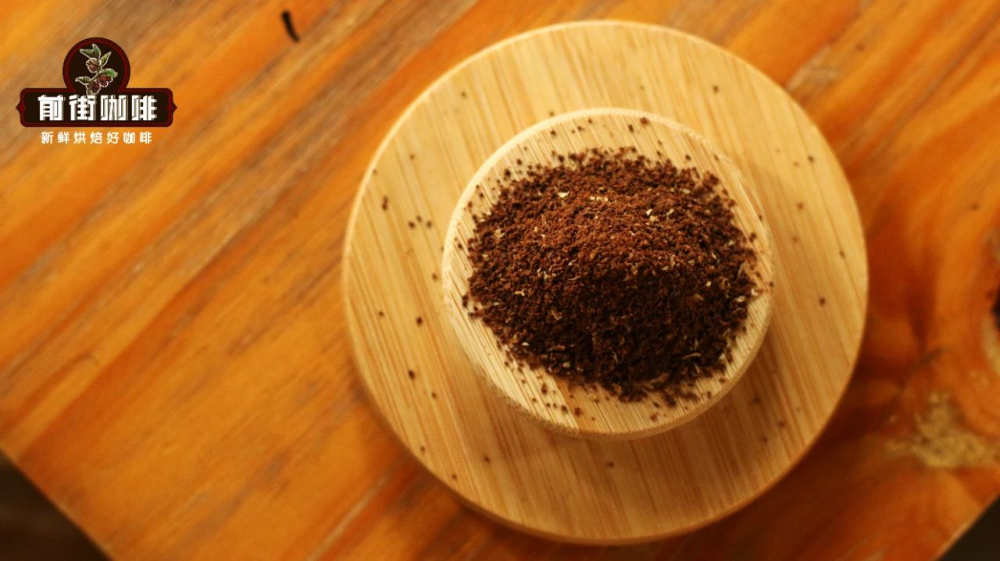
As for grind size, since the cold brew process takes a long time, using too fine a grind can easily lead to over-extraction, resulting in a bitter and gritty taste with more impurities. Therefore,it is recommended to grind the coffee slightly coarser than what you would for pour over, allowing the cold water to steadily extract the flavors while avoiding the excessive release of undesirable compounds.
 " alt="Comparison chart of coffee grounds with different grind sizes">
Another common question about cold brew coffee is: how much caffeine does it contain? According to general estimates, a cup of cold brew coffee (about 200 ml) made with 20 grams of coffee beans contains roughly 200 mg of caffeine, which is considered moderately high. Therefore, although cold brew has a refreshing taste, its caffeine strength should not be underestimated. It’s suitable for when you need a pick-me-up, but it may affect your sleep at night, so it’s best to adjust your consumption timing based on your personal tolerance.
 " alt="Explanation diagram of the impact of cold brew and hot brew on coffee acidity">
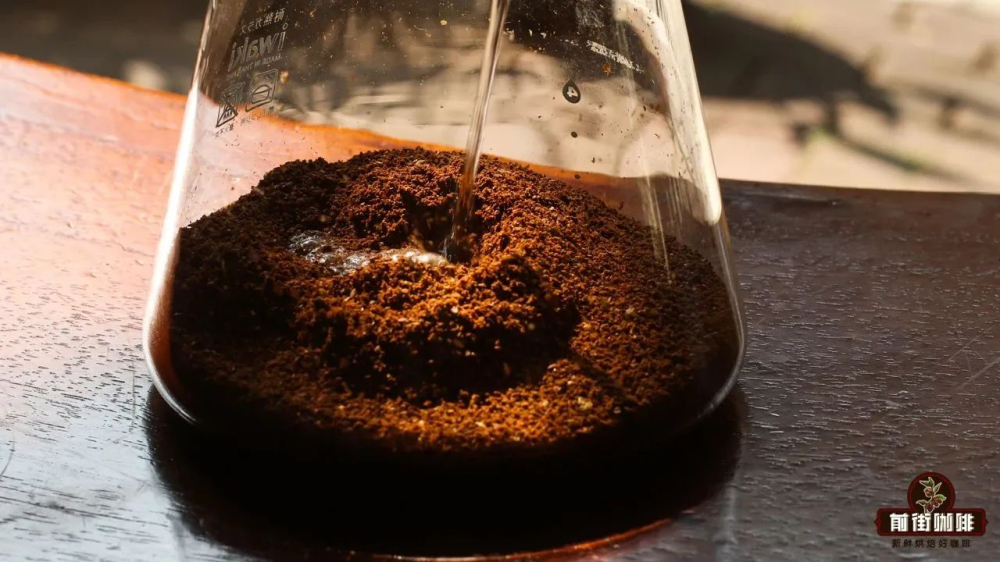
Additionally, some people worry whether cold brew coffee is prone to turning sour. In fact, because the cold brew process occurs at low temperatures, acidic substances and oils in the coffee beans are less likely to be released through oxidation or heat. As a result, cold brew typically has lower acidity and is less prone to spoilage. Compared to hot brew, cold brew better preserves the sweet compounds in coffee, resulting in an overall smoother and more enduring flavor. As long as it’s stored properly, cold brew coffee can maintain a pleasant taste even after several days in the refrigerator.
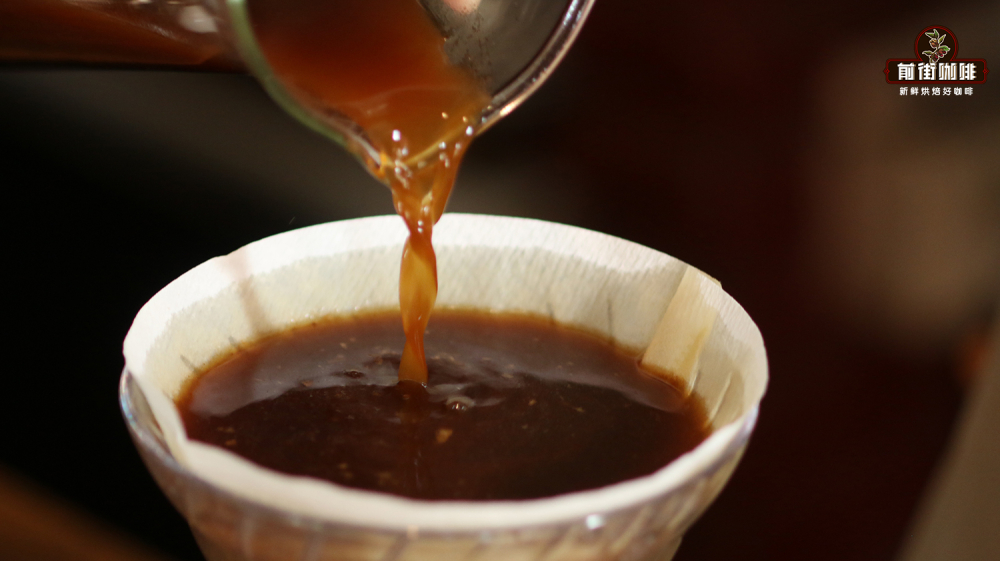 " alt="Finished product illustration of cold brew coffee">
In summary, with its low acidity, smoothness, and beginner-friendly nature, cold brew coffee has become the summer favorite of many coffee enthusiasts. By mastering the grind size, water-to-coffee ratio, and steeping time, you can easily make a cup of cold brew with balanced flavor and a refreshing taste at home, enjoying the unique cold extraction coffee experience.
The above content is compiled by CoffeeHunters, a coffee news website.


