








Introduction:Thanks to its low-temperature slow extraction method, cold drip coffee exhibits a unique richness and sweet flavor profile. However, its complex and time-consuming preparation process has led many to wonder about the principles and parameters behind it. This article will delve into the differences between cold drip, cold brew, and Dutch coffee, and guide you through the extraction ratio, ideal coffee-to-water ratio range, suitable roast levels for coffee beans, as well as the complete timeline from production to tasting — helping you master every detail of this summer specialty.
As summer arrives, a cool cup of coffee can bring a moment of refreshment. Yet, walking into a café, it’s not hard to notice that cold drip coffee often comes with a higher price tag than regular iced coffee. This is not only due to its unique name, but also because of its time-consuming brewing process and its delicate, rich taste — qualities that give it a truly one-of-a-kind status.
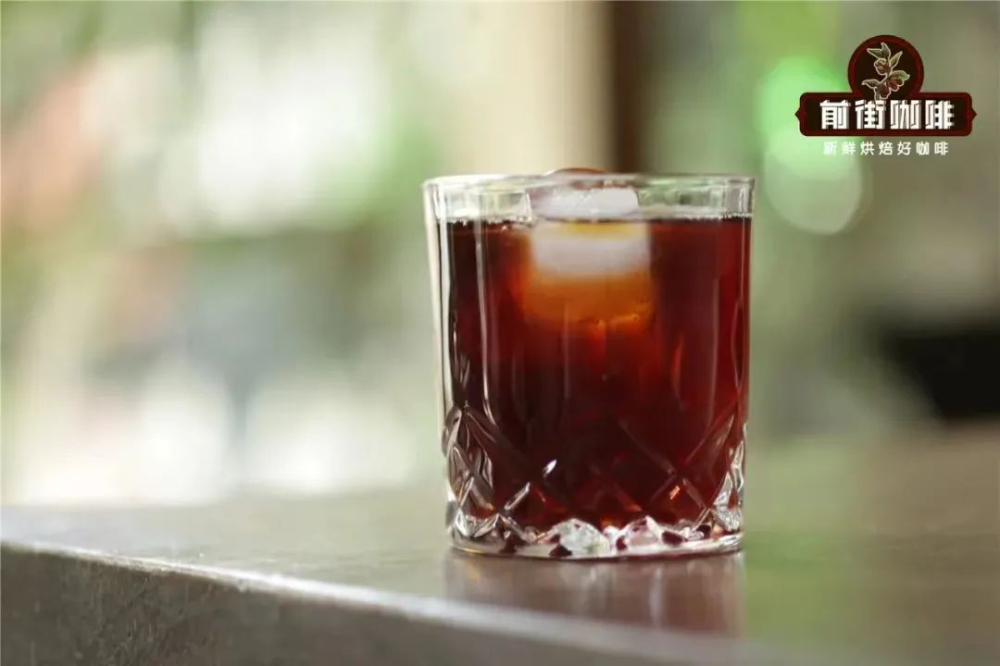
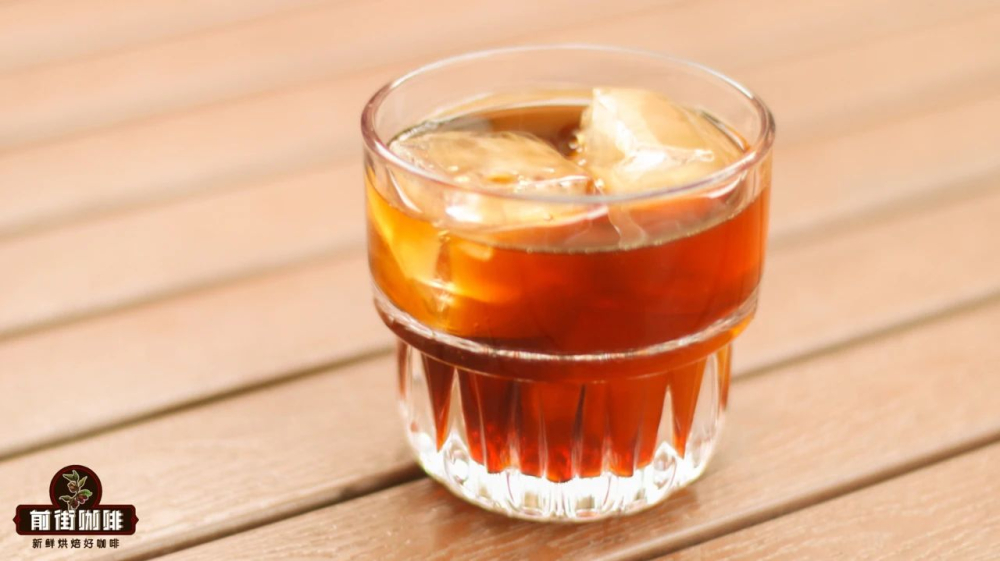
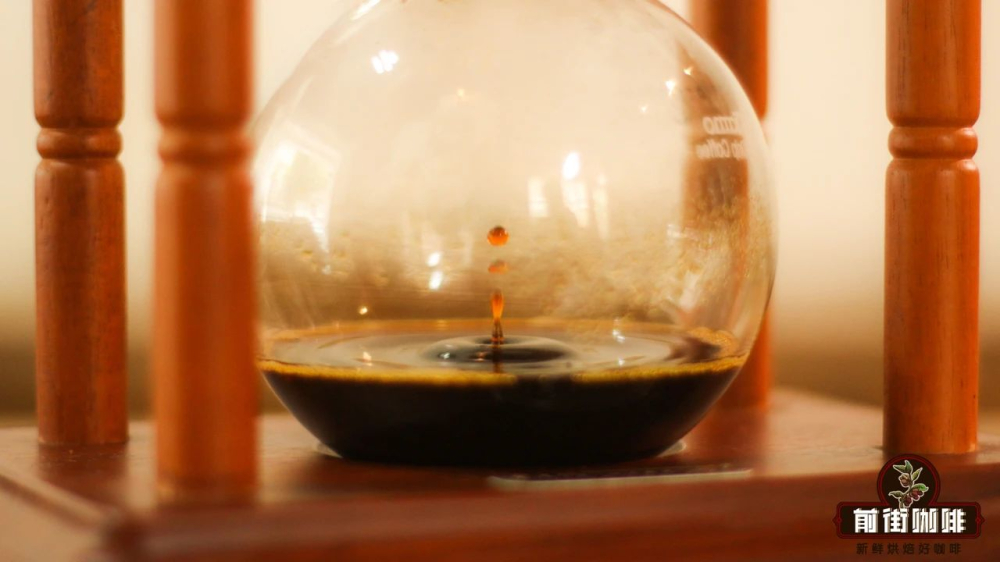
Cold drip coffee is made by slowly dripping ice water drop by drop to extract the flavor compounds from coffee grounds. Compared to high-temperature brewing, the low-temperature environment effectively suppresses the release of bitter-tasting components in coffee, resulting in a brew that is intense yet not bitter, rich and smooth — making it highly suitable for those who enjoy the flavor of cold extraction at lower temperatures.
Before discussing cold drip coffee, it’s important to clarify several commonly confused terms: cold drip coffee (Cold Drip Coffee), cold brew coffee (Cold Brew Coffee), and Dutch coffee (Dutch Coffee). In short, Dutch coffee broadly refers to various methods of extracting coffee using cold water, while cold drip and cold brew are two representative techniques within this category. Although the history of Dutch coffee is said to date back to the 17th century when Dutch sailors created it during their voyages in Southeast Asia to satisfy their coffee cravings, this is actually a marketing story promoted later by Japanese cold drip equipment manufacturers. There is no such narrative in Western markets, where immersion-style cold brew remains the mainstream approach.
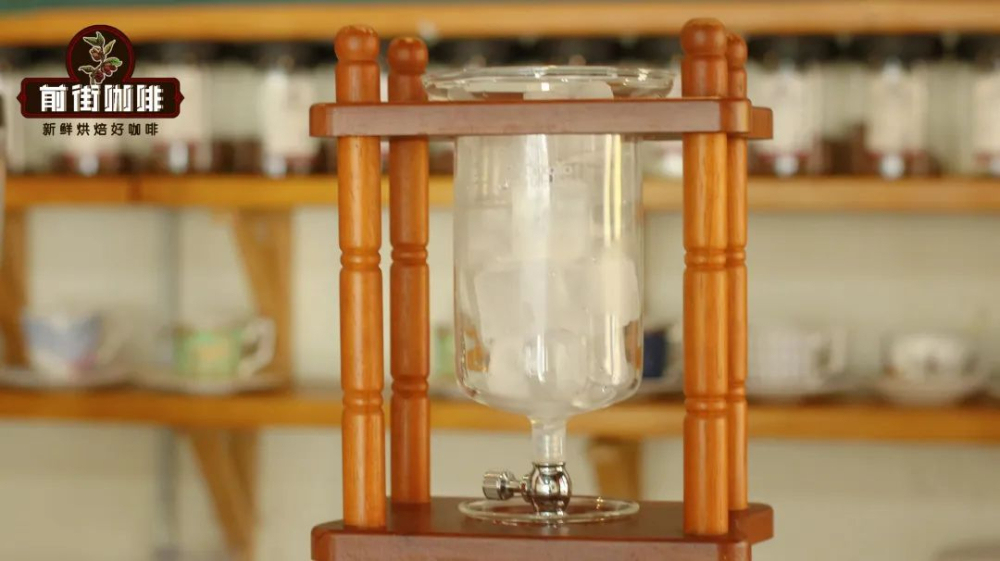
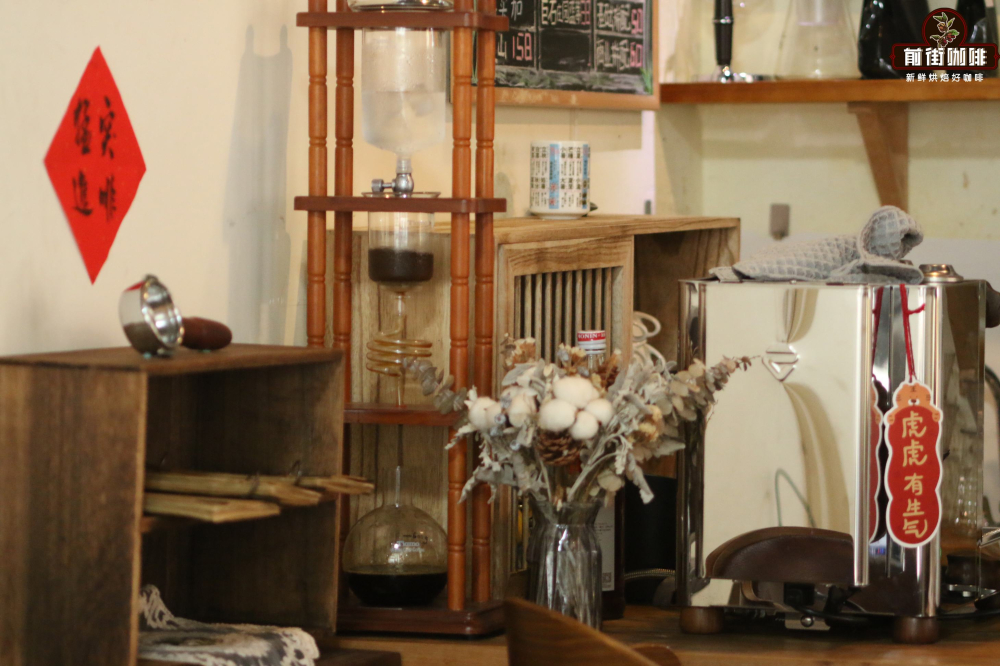
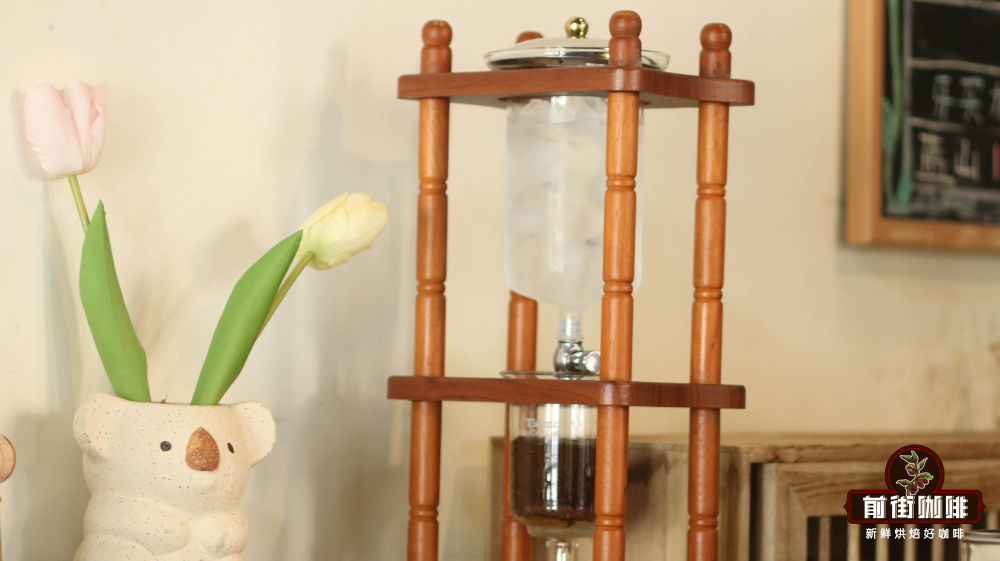
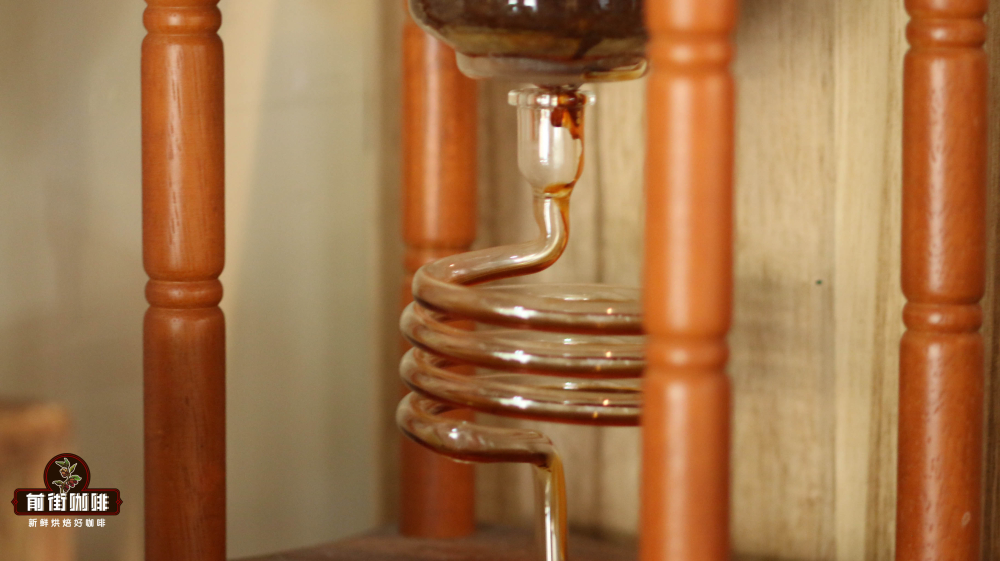
The basic setup for cold drip coffee consists of three tiers: the top tier holds the ice water, the middle tier is filled with coffee grounds, and the bottom tier collects the dripped, extracted coffee liquid. This extraction process is a long-duration, continuous, and low-temperature drip method, usually taking several hours to complete. Since the coffee liquid continues to mature even after being refrigerated, its flavor profile can vary at different stages. Some enthusiasts even believe that cold drip coffee is akin to aged wine, undergoing subtle changes over time.
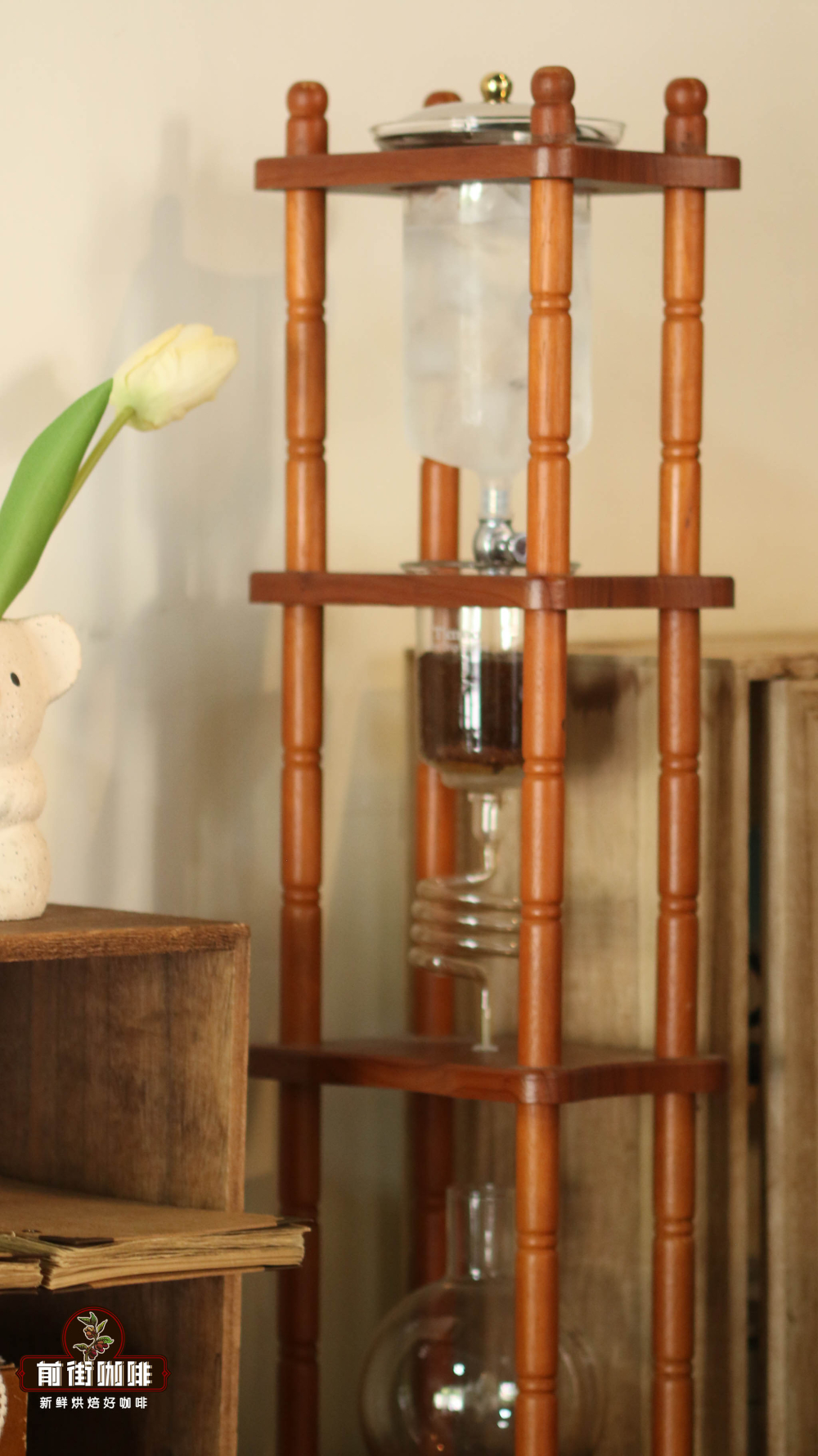
Based on practical brewing experience, it is recommended to consume cold drip coffee within approximately 24 to 72 hours after refrigeration following extraction, when the flavor is most balanced, with acidity, sweetness, and body at their ideal states. After 72 hours, although the mouthfeel may become more rounded and full, the aroma can gradually dissipate. Therefore, if you’re aiming for the most vibrant flavor expression, it’s best to enjoy it within three days.
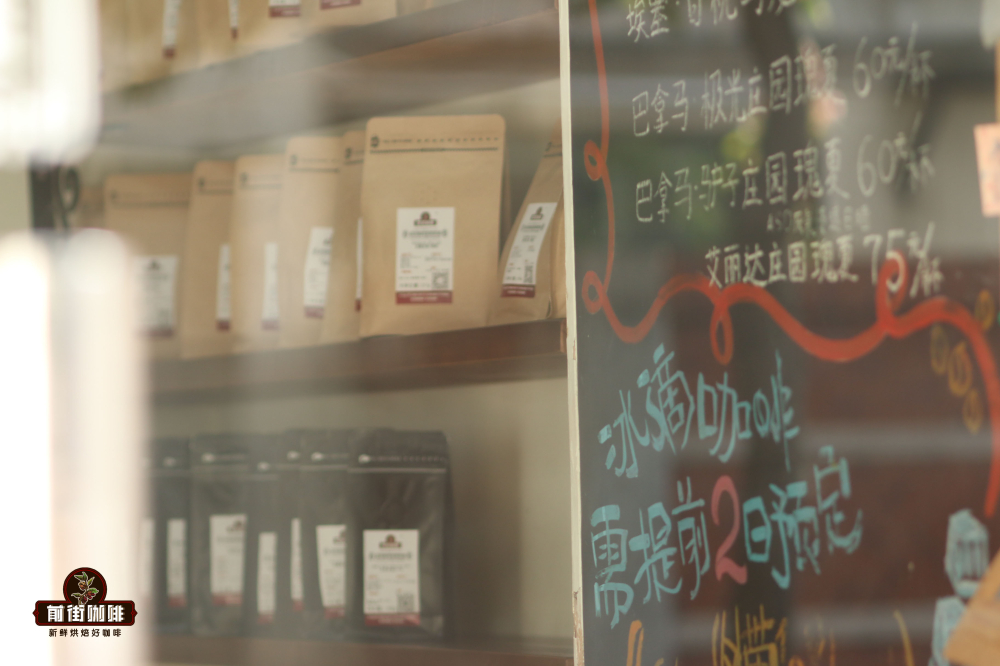
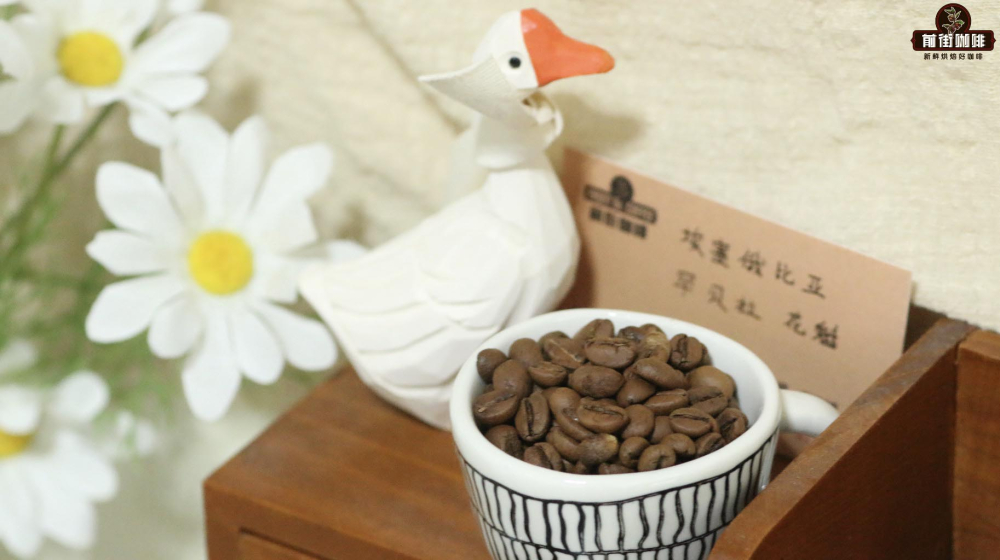
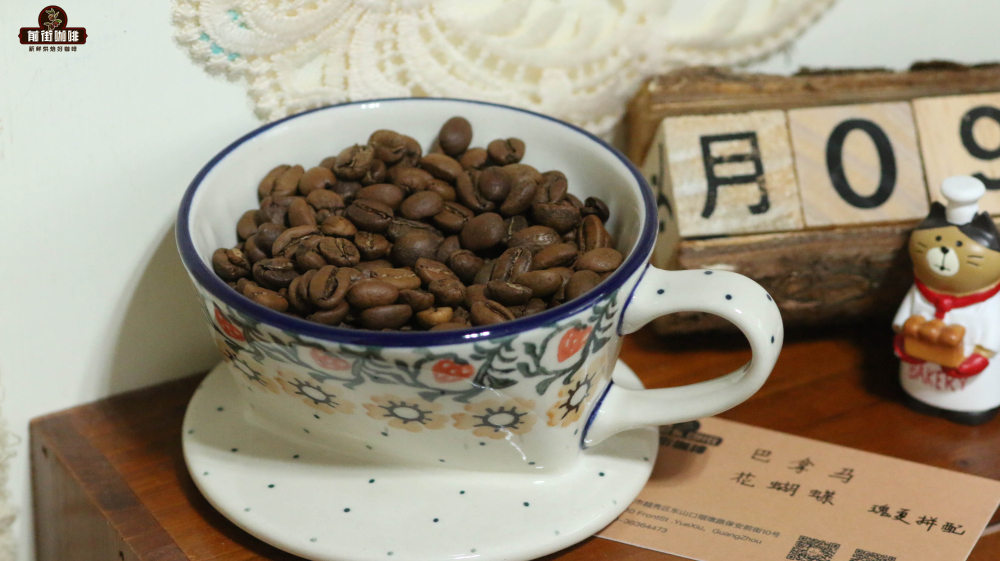
When selecting coffee beans, since cold drip extraction uses low temperatures — which are not conducive to the release of high-boiling-point, large-molecular flavor compounds — dark roasts are not recommended, as their flavors often tend to come across as thin. In contrast, medium-light to medium roasts can better showcase delicate fruit acids, floral and fruity aromas, and sweetness. Through prolonged low-temperature extraction, these elements can be more fully released. It’s advisable to use freshly roasted coffee beans to ensure flavor integrity, ideally within five days post-roast.
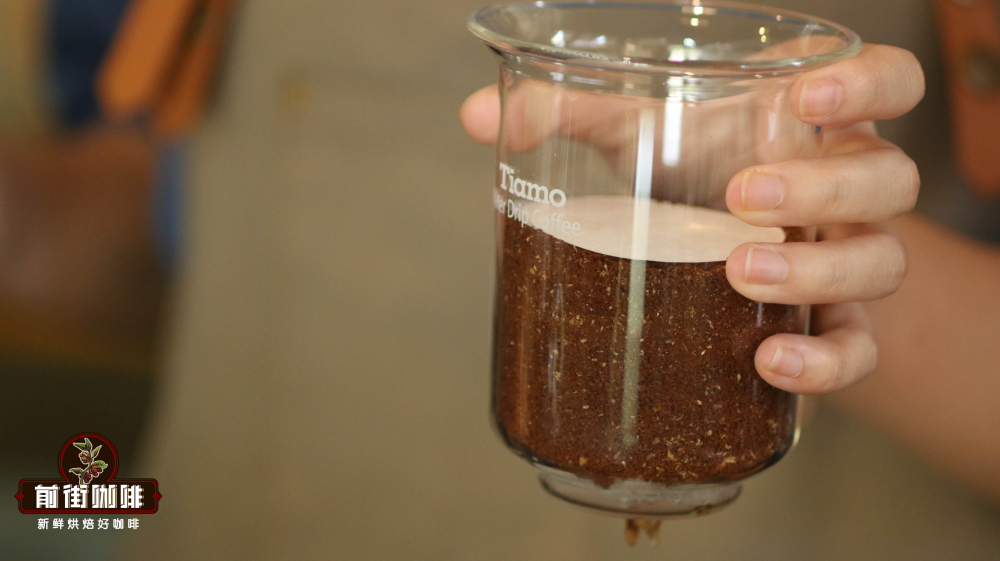
If making cold drip coffee at home, the recommended coffee-to-water ratio range is 1:8 to 1:10 — that is, 100 grams of coffee grounds paired with 800 to 1000 grams of an ice-water mixture (with an ice-to-water ratio suggested at 1:1). The grind size should be medium-fine, similar to the size of fine sugar granules, ensuring smooth water flow and even extraction. After placing the coffee grounds in the middle chamber, you can lay down a filter cloth or filter paper to help distribute the water flow and avoid channeling.
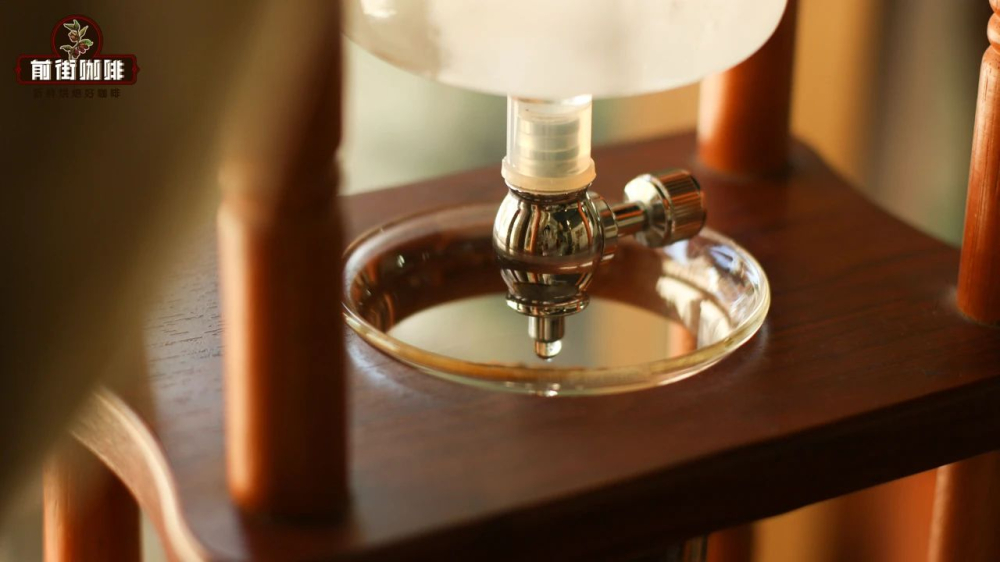
During actual operation, it’s necessary to first thoroughly wet the coffee grounds with ice water — this step is called “blooming” and helps prevent uneven extraction during the subsequent dripping process. Then adjust the dripping speed, ideally to around 7 drops per 10 seconds. Too fast results in under-extraction and a weak flavor, while too slow may lead to over-fermentation, causing excessive acidity or a boozy taste. The total extraction time varies depending on the amount of coffee and drip rate, typically ranging from 3.5 to 12 hours.
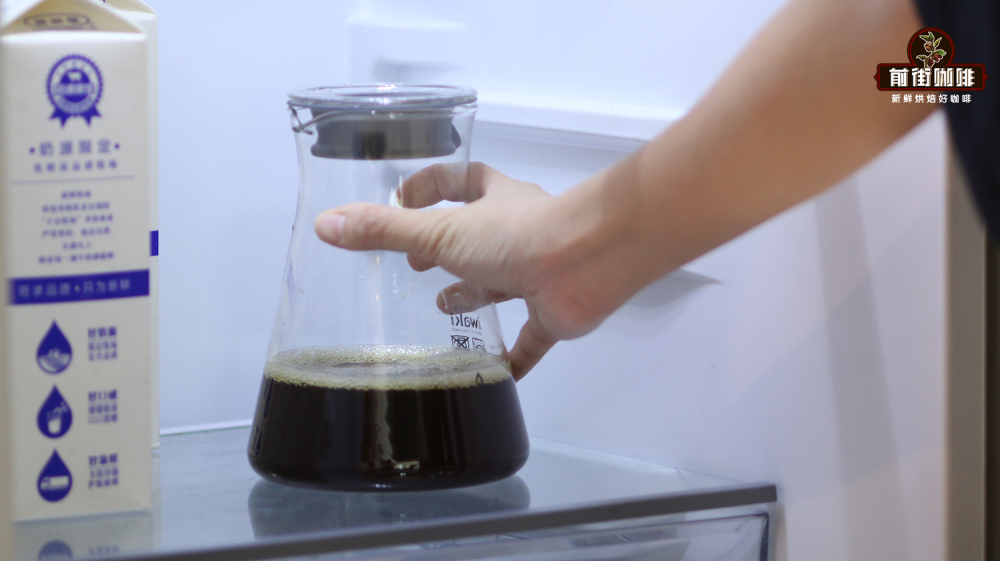
After extraction, it’s recommended to pour the coffee liquid into a clean, airtight container and place it in the refrigerator. Refrigeration not only helps stabilize the flavor but can further enhance the sweetness and subtle fermentation layers, enriching the overall mouthfeel. Whether enjoyed as a summer refresher or savored for its evolving flavors over time, cold drip coffee offers a uniquely distinctive coffee experience.
The above content is compiled by CoffeeHunters, a coffee news website.


