







Introduction:With its refreshing, low-acid profile, cold brew has become one of the most popular coffee choices in summer. This article delves into the differences between cold brew and traditional iced coffee, explores the unique flavor origins, and provides professional brewing suggestions and bean pairings to help you make professional-grade cold brew at home.
In recent years, driven by the rise of specialty coffee culture in Europe and America as well as chain brands, cold brew has quickly risen to the top of the iced coffee category in popularity. Compared to ready-to-drink beverages in cafes, more and more coffee enthusiasts are choosing to make this specialty drink—requiring 8 to 12 hours of slow extraction—at home themselves. Notably, this low-temperature immersion method is fundamentally different from conventional high-temperature extraction, resulting in the unique taste characteristics of cold brew.
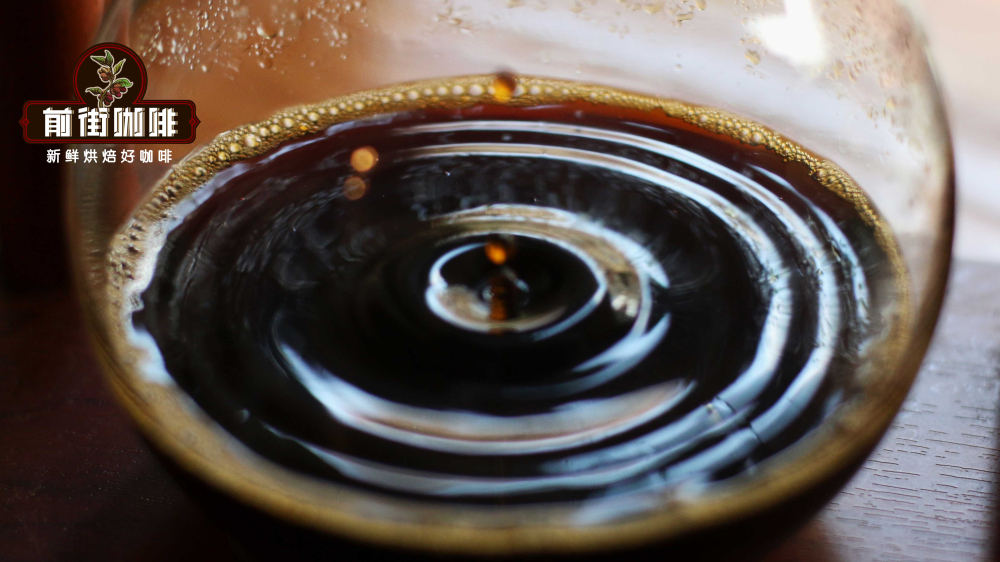
The low-temperature environment effectively suppresses the release of bitter and astringent substances, especially those high-molecular-weight, heavy-tasting compounds. Research shows that extending the extraction time to over half a day actually helps extract the delicate, light-molecular aromatic compounds in coffee beans. This dual mechanism results in a product that retains a rich mouthfeel while presenting an exceptionally refreshing flavor profile. Additionally, the long soaking time leads to a relatively higher caffeine concentration, and some drinkers may experience a slight tipsy sensation similar to alcoholic beverages.
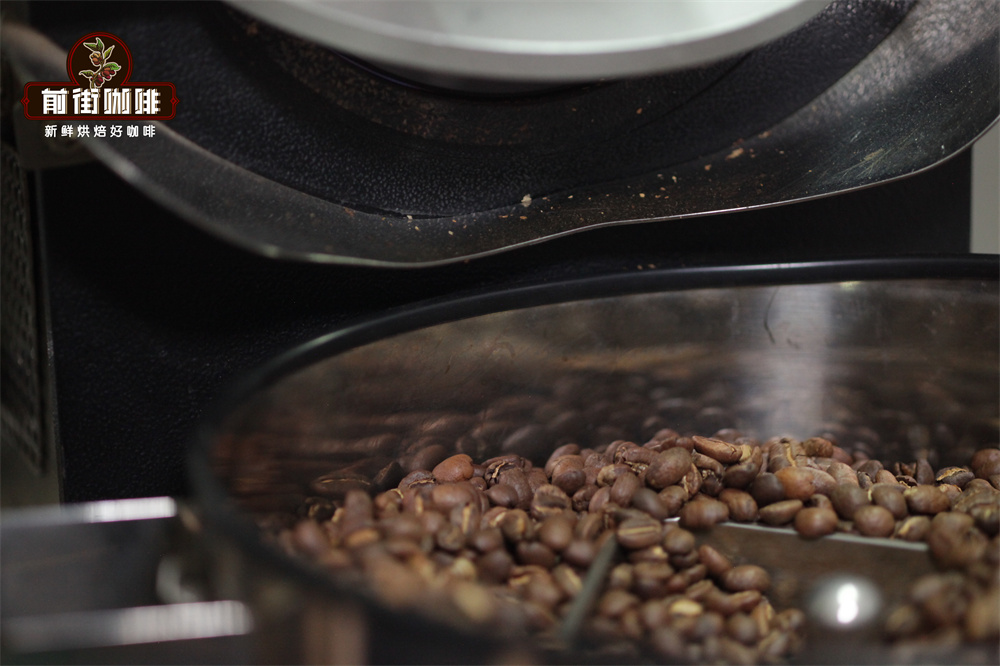
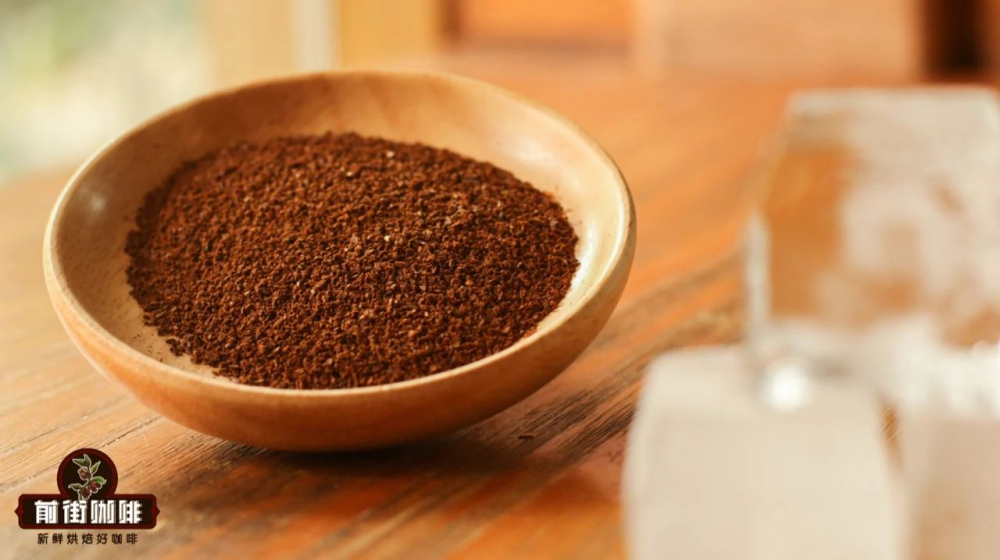
The key to successfully making cold brew lies in ingredient selection. Since low-temperature extraction cannot mask off-flavors, it is recommended to prioritize freshly roasted, high-quality green beans. The ideal beans should have a distinct balance of acidity and sweetness, which will be perfectly highlighted during the cold brew process. Notably, the grind size should be coarser than that for pour over, ideally controlled within a range of 70–75% passing through a Chinese standard No. 20 sieve, roughly equivalent to the fineness of white sugar granules.

A specific brewing method can use a coffee-to-water ratio of 1:13 (30 grams of coffee grounds to 390–400 milliliters of cold water), using a pre-cooled, filtered container, and letting it sit undisturbed in a constant temperature refrigerated environment for 8 to 12 hours. During this process, ensure the coffee grounds and ice water are fully homogenized; it is recommended to use a stirring stick to assist with mixing. After soaking, thoroughly separate the coffee grounds through a filter cloth or a professional filter to obtain a clear and bright final product.

Different origin beans impart distinctly different flavor characteristics to cold brew. Sun-dried beans from Ethiopia’s Yirgacheffe region often exhibit citrus notes, white floral tones, and honey-like sweetness; Kenyan beans are known for their bright fruit acids like cherry tomato and black plum; Costa Rican varieties such as Strawberry candy or Mozart offer unique dried fruit fermentation aromas. Advanced coffee drinkers can try Honduran sherry cask-aged beans, which feature distinctive whiskey notes and layers of vanilla cream.
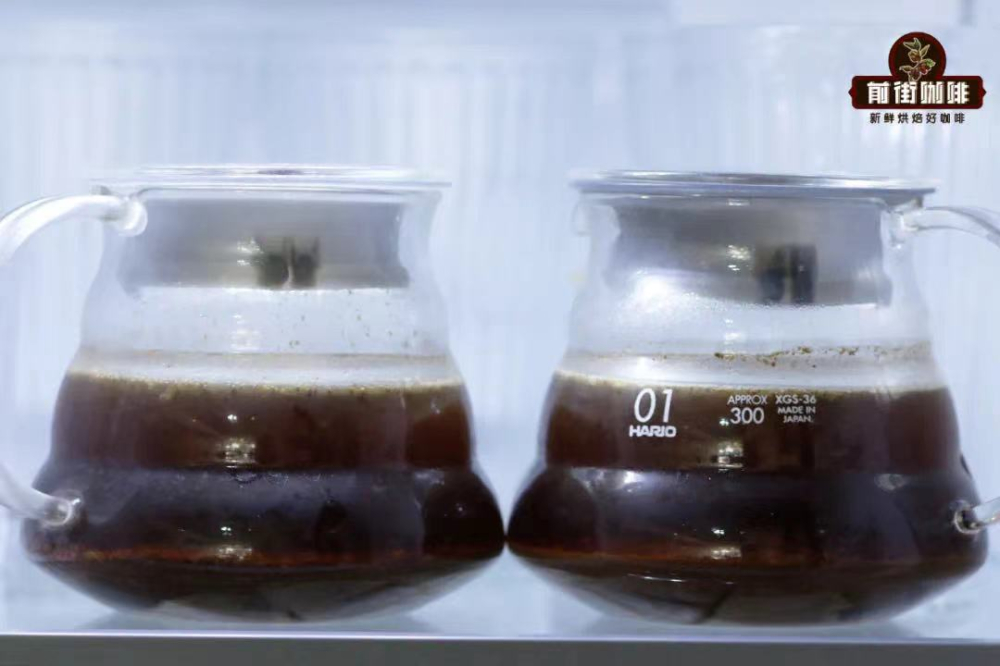
Practical operation requires attention to several common pitfalls: over-extending the extraction time may lead to over-extraction—strictly adhere to the 12-hour limit; using a fine grind can cause filtration difficulties and excessive sediment; an unpre-cooled container may affect the initial extraction temperature. Additionally, although cold brew generally has a higher caffeine content, actual intake still depends on the specific recipe ratio.
This low-temperature extraction method not only changes the flavor expression of coffee but also reshapes the landscape of the summer coffee consumption market. Compared to traditional iced coffee, cold brew drinks have successfully captured the favor of millennials with their smooth mouthfeel, prompting chain brands to launch innovative variations such as nitrogen cold brew and "Cloud Series." With this professional knowledge, you can adjust the recipe according to your personal preferences to create a unique cold brew coffee experience.
The above content is compiled by CoffeeHunters, a coffee news website.


