








Introduction:The moka pot is a classic tool for many coffee enthusiasts to make espresso-style beverages at home. Among them, Bialetti has become the market leader thanks to its historical and technical advantages. This article delves into the design principles and extraction differences between Bialetti’s single-valve and double-valve moka pots, and provides practical operation advice to help beginners choose the most suitable model based on their needs, thereby enhancing their home coffee experience.
In recent years, more and more coffee lovers have chosen to make richly flavored coffee at home using a moka pot. This classic Italian device, with its simple operation and unique extraction method, is deeply loved by users around the world. However, with so many moka pot brands on the market, each with different designs and functions, how do you choose the one that best fits your needs? This article will focus on the classic brand Bialetti, analyzing the differences between its single-valve and double-valve moka pots, helping readers find the most suitable entry-level choice.
When talking about the moka pot, one cannot overlook its inventor—Bialetti. As early as 1933, the brand’s founder, Alfonso Bialetti, drew inspiration from the workings of a washing machine. Observing how steam pressure generated by heating pushes liquid upward through a metal tube, he developed the world’s first household device that uses steam pressure to extract coffee. This groundbreaking innovation not only changed the daily coffee habits of Italians but also established Bialetti’s classic status in the moka pot world.
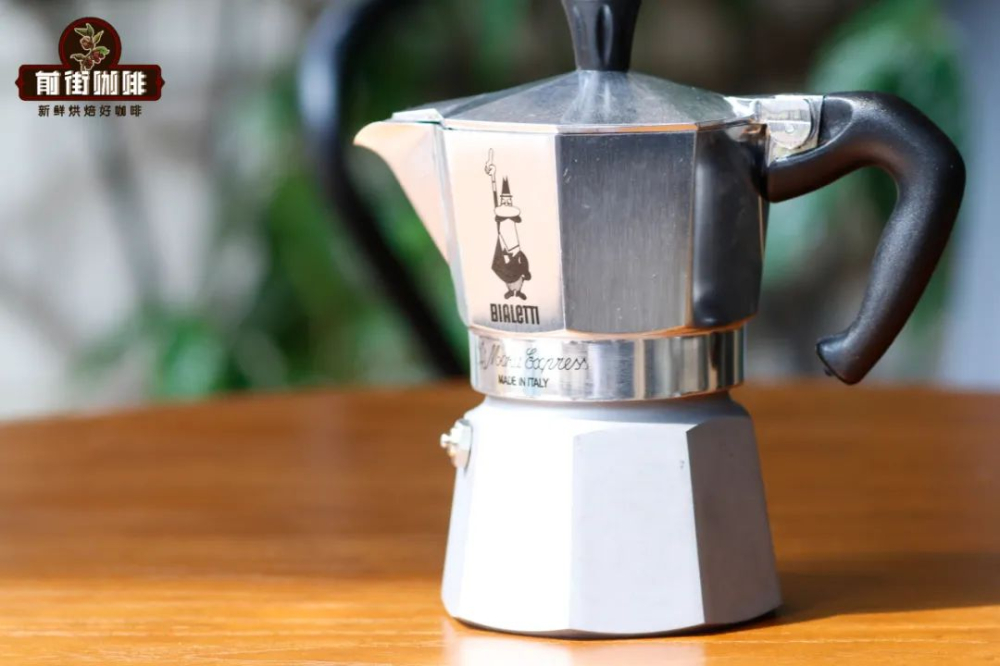
The classic Bialetti moka pot often features a small mustachioed figure called “Omino,” which is a symbol of the brand’s founder and also reflects the Italian cultural trait of integrating coffee into everyday enjoyment. To this day, Bialetti moka pots once held up to 90% of the market share. Even now, amidst fierce competition, they still maintain a solid position of over 50%. In addition, the market has also seen the emergence of emerging brands like Bincoo that focus on stylish designs, offering consumers a diverse range of choices.

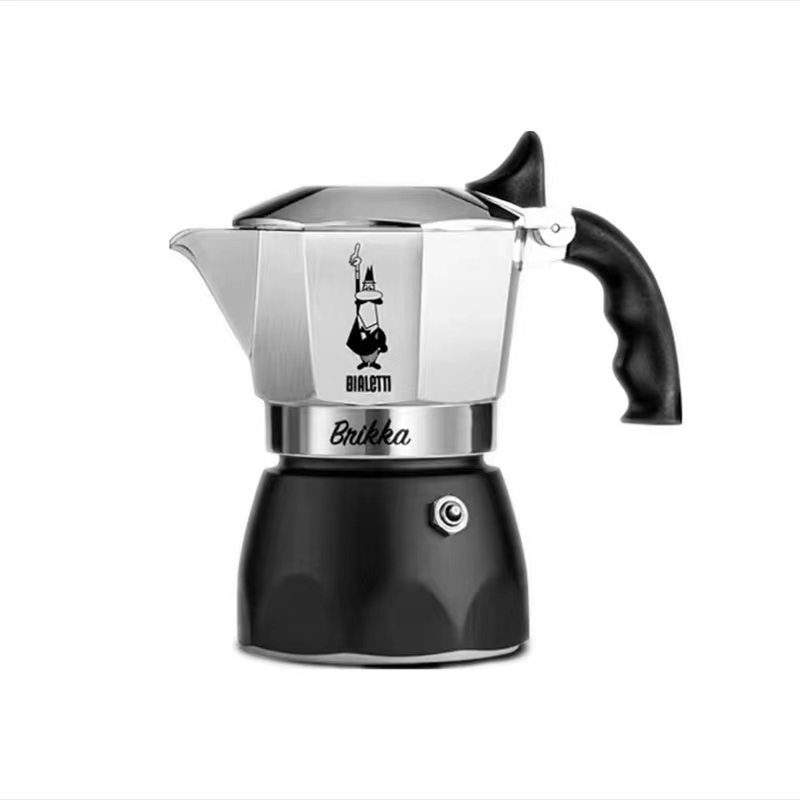
Among Bialetti’s various moka pot models, the most discussed are the single-valve and double-valve designs. The single-valve moka pot is the earliest classic style, with internal pressure typically maintained between 2 to 3 bar, suitable for users who prefer traditional espresso flavors. The double-valve version, on the other hand, uses advanced technology to increase steam pressure, thereby extracting richer and finer coffee crema, with a more distinct flavor profile. Beginners are advised to choose the valve design that best matches their taste expectations and usage scenarios.
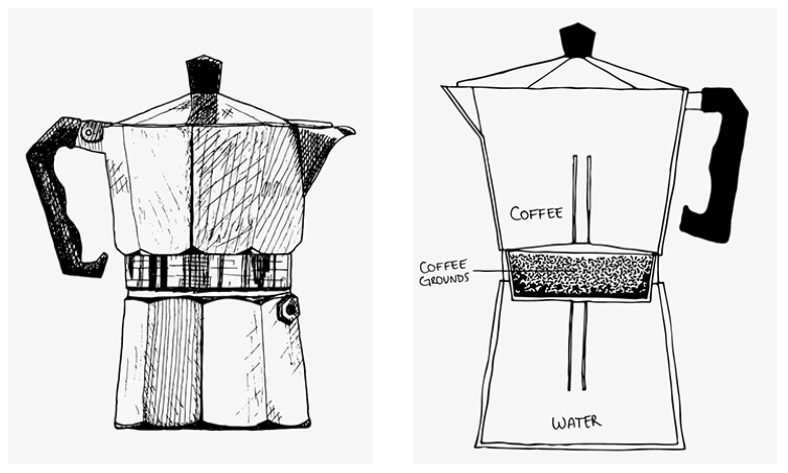
Understanding the structure of the moka pot helps operate it correctly and improve extraction results. Taking the single-valve moka pot as an example, it can be divided into three main parts: the lower chamber, the middle filter basket, and the upper chamber. The lower chamber holds the heated water, the middle filter basket contains the ground coffee, and the upper chamber collects the extracted coffee. When heated, the water in the lower chamber generates steam pressure, pushing the water through the central tube into the filter basket. Here, the coffee grounds release their flavors under appropriate pressure, and the resulting concentrated coffee liquid rises through the tube into the upper chamber and flows out.
When selecting coffee beans, beginners are recommended to start with medium to dark roasts. These beans generally pair well with the high-temperature, high-pressure environment of a moka pot, extracting rich and balanced flavors. For first-time buyers, you can directly choose products labeled as “espresso beans.” These beans are often specifically blended for use in moka pots or espresso machines, delivering stable flavor performance. For example, common options such as classic Italian blends, commercial blends, or dark cocoa blends are all good beginner choices.
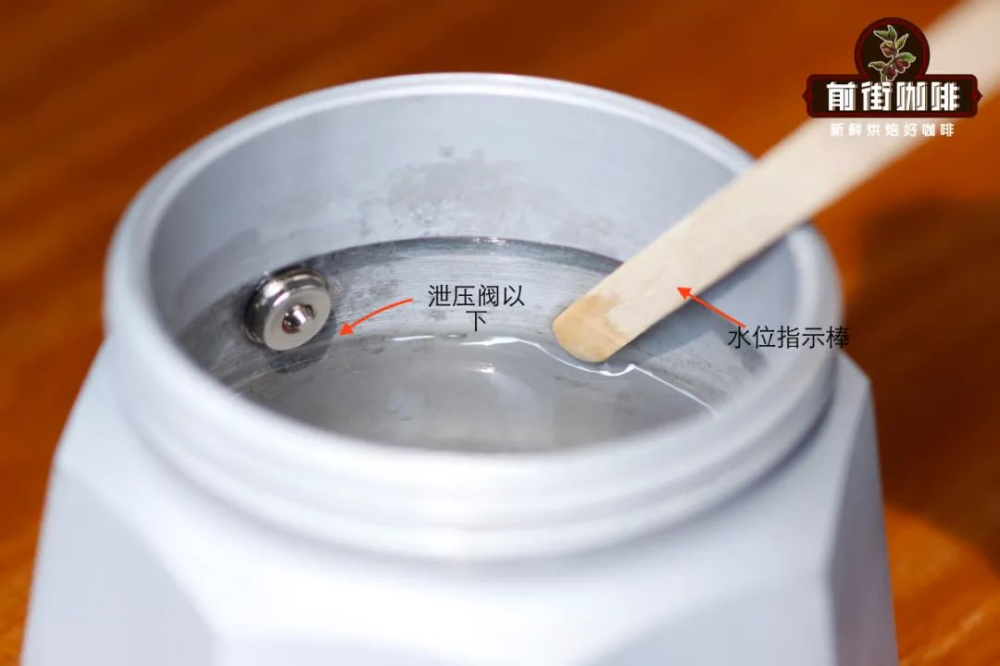
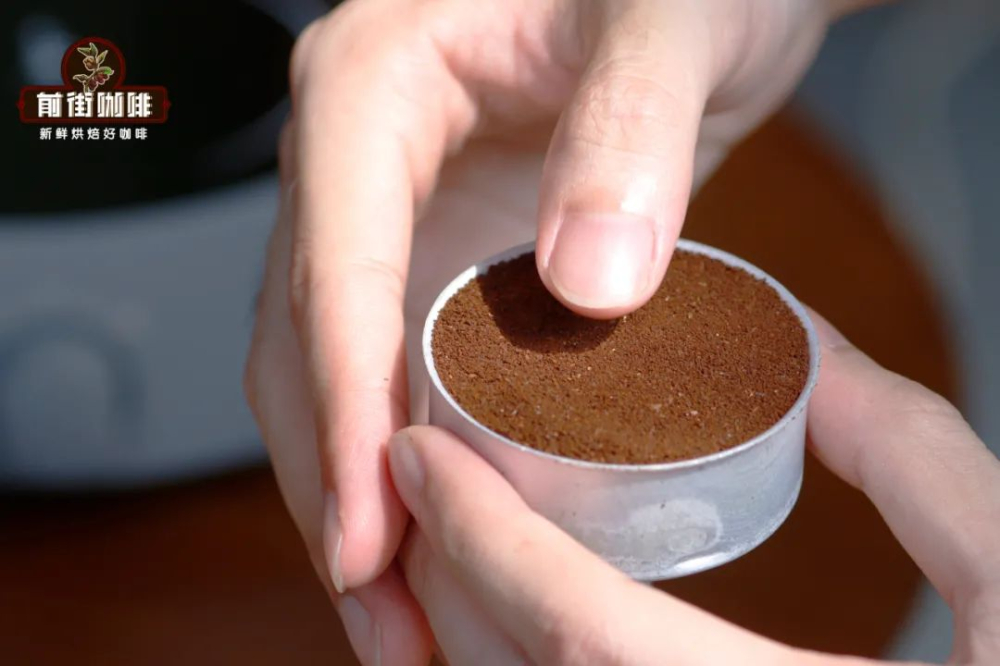
During actual operation, it is recommended to first add hot water to the lower chamber up to about 0.5 cm below the safety valve. Using hot water can effectively shorten the heating time and improve extraction efficiency. Next, pour about 20 grams of medium to dark roasted ground coffee into the filter basket, gently level the surface without applying pressure, ensuring the coffee layer is evenly aerated and avoiding excessive compaction that could hinder water flow. Afterward, place the filter basket into the lower chamber and tightly attach the upper chamber, ensuring a good seal.

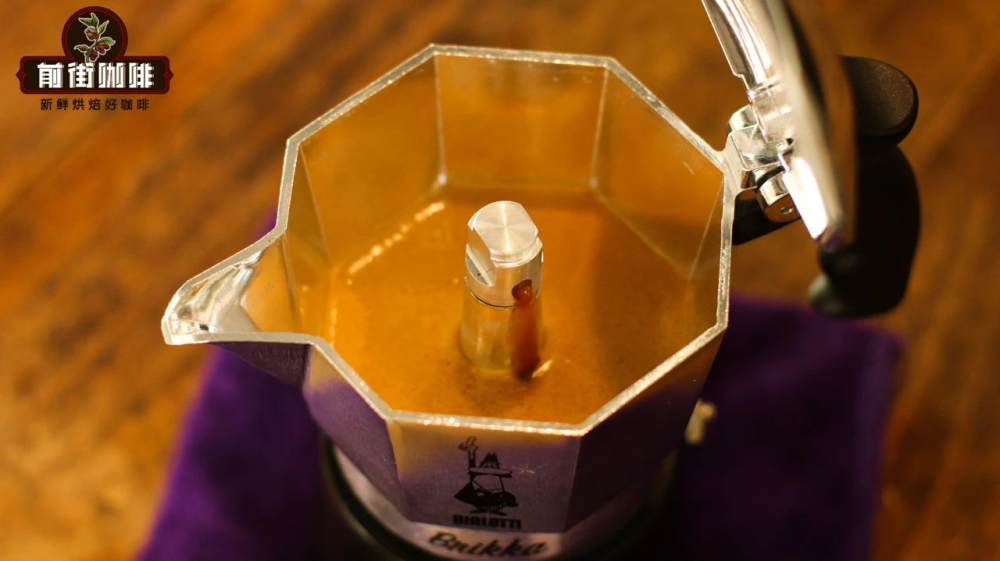
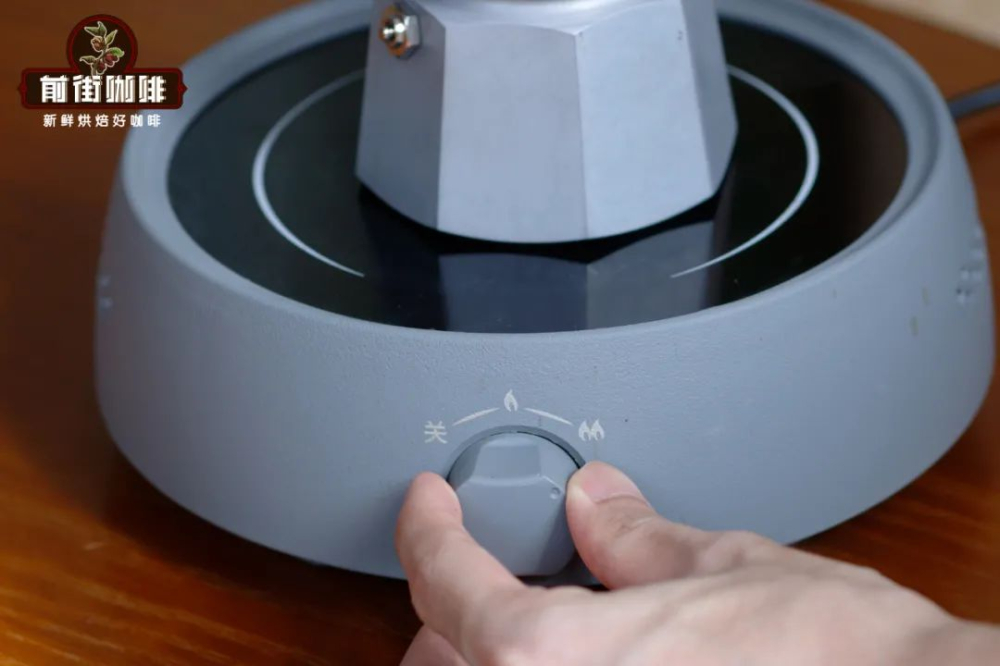
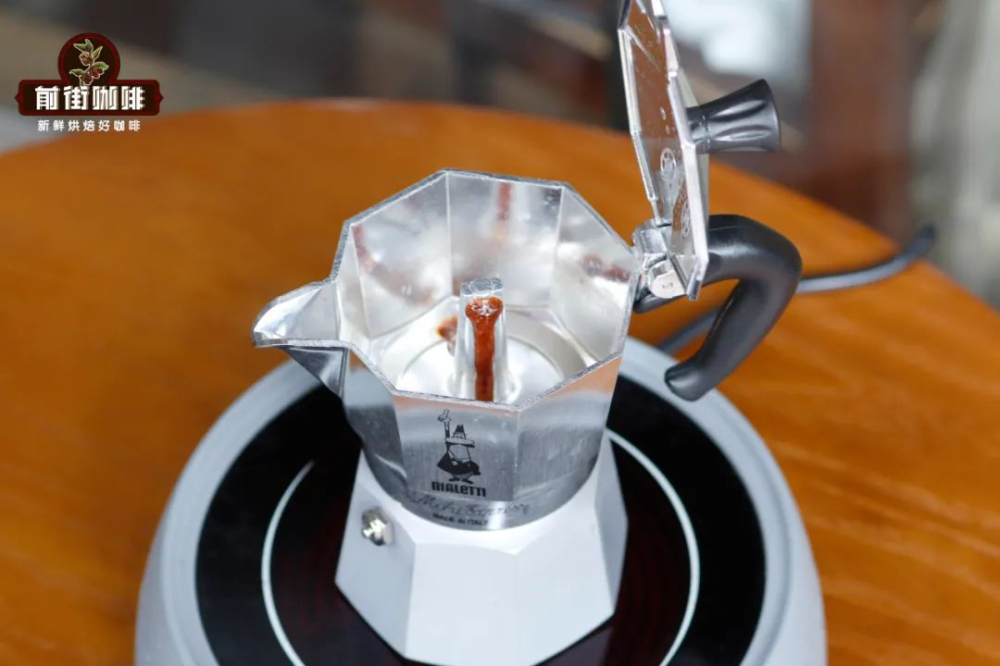
Place the assembled moka pot on an electric stove and heat it. When you hear a clear “wuu wuu” sound, it indicates that the appropriate pressure has been reached inside the pot. At this point, reduce the heat to low and slightly open the upper chamber lid to observe the coffee liquid and crema starting to slowly flow out. When about half of the coffee liquid has flowed out of the upper chamber, it is recommended to turn off the heat and move the moka pot to a table surface, allowing the residual heat and remaining pressure to fully push the rest of the coffee into the upper chamber, avoiding over-extraction that could lead to bitterness.
Finally, pour the extracted coffee into a cup and enjoy. It’s worth noting that the coffee crema produced by a single-valve moka pot is usually thinner and less persistent. However, Bialetti’s recently launched new generation of pressurized moka pots have shown significant improvement in crema performance, delivering a richer flavor. Whether you choose a single-valve or double-valve model, it is recommended to adjust grind size and heat control according to your personal taste preferences and frequency of use, gradually finding the brewing method that suits you best.


The above content is compiled by CoffeeHunters, a coffee news website.


