








Introduction:Although the moka pot is not a common tool in commercial coffee shops, it is the traditional coffee brewing device beloved by Italian households. This article delves into the structure and working principle of the moka pot, the suitable types of coffee beans and grind sizes, and provides a detailed explanation of the usage steps and common mistakes to help coffee beginners brew coffee at home with a flavor close to that of espresso.
As Italian coffee culture sweeps the globe, many people are familiar with drinks like Americano, latte, and cappuccino, but the moka pot remains relatively unknown. Although it rarely appears in specialty coffee shops, it is a staple in Italian kitchens, used to make strong homemade espresso. Many mistakenly believe it does not belong to the espresso system, but in fact, it extracts a concentrated flavor similar to espresso using pressure.
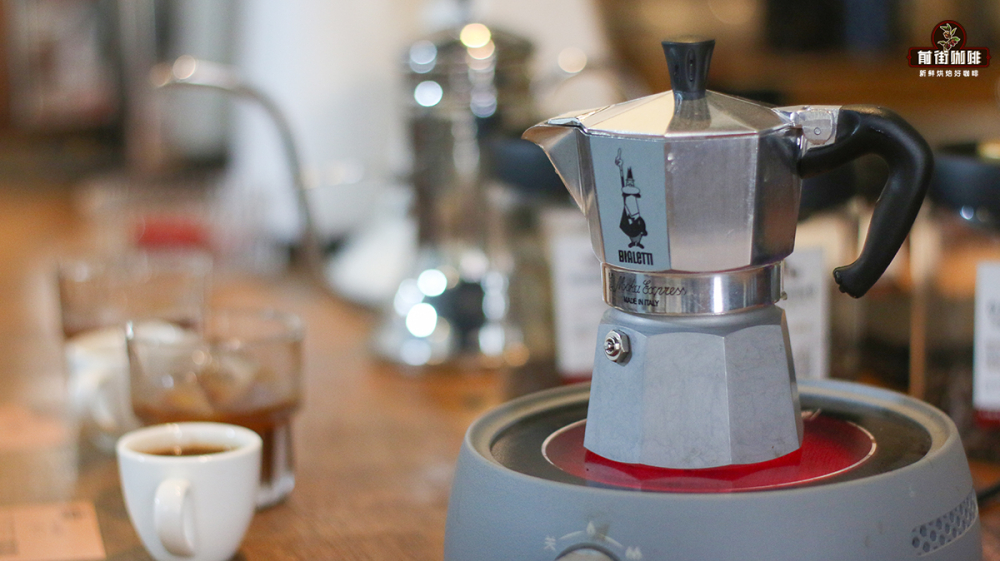
In Europe, the moka pot is commonly referred to as an Espresso Pot. As the name suggests, the coffee it brews is essentially similar to espresso, though its appearance and device are more traditional. Some coffee enthusiasts question its lack of high-tech aesthetics like those of an espresso machine, and the absence of visible crema (coffee foam), and therefore do not consider it true espresso. However, once you understand its operating principle, you’ll realize it is indeed one of the pressure-brewed coffee devices.
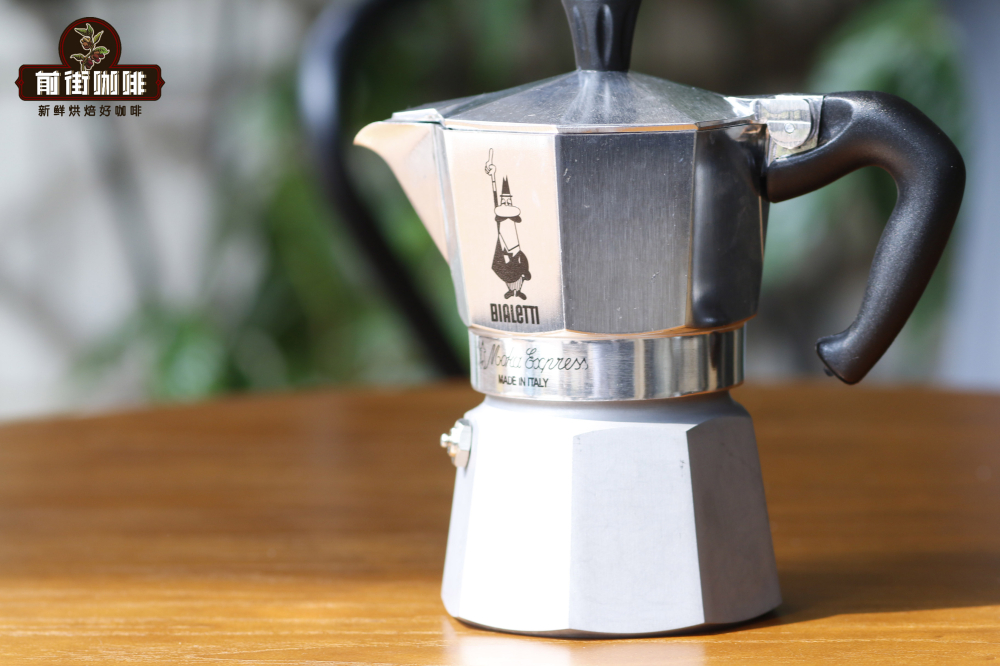
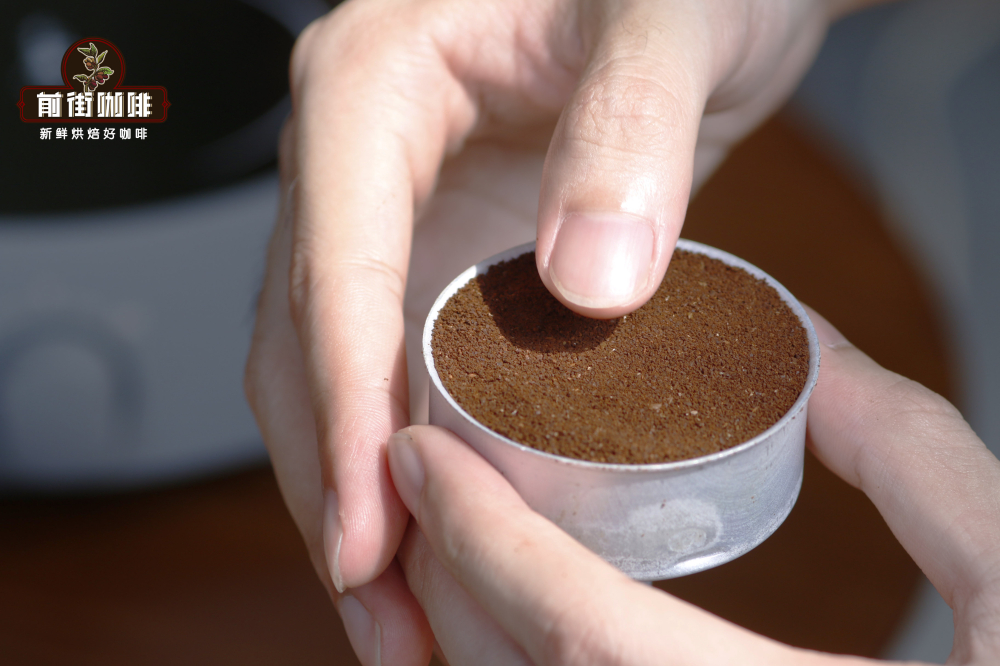
The moka pot mainly consists of three parts: the lower chamber (for water), the filter basket (for coffee grounds), and the upper chamber (for collecting brewed coffee). When using it, first fill the lower chamber with an appropriate amount of hot water, making sure the water level does not exceed the safety valve. Next, add finely ground coffee powder to the filter basket—there’s no need to tamp it with a tamper, just evenly fill and gently tap to settle the grounds. After placing the filter basket into the lower chamber, screw on the upper chamber tightly to ensure a good seal.
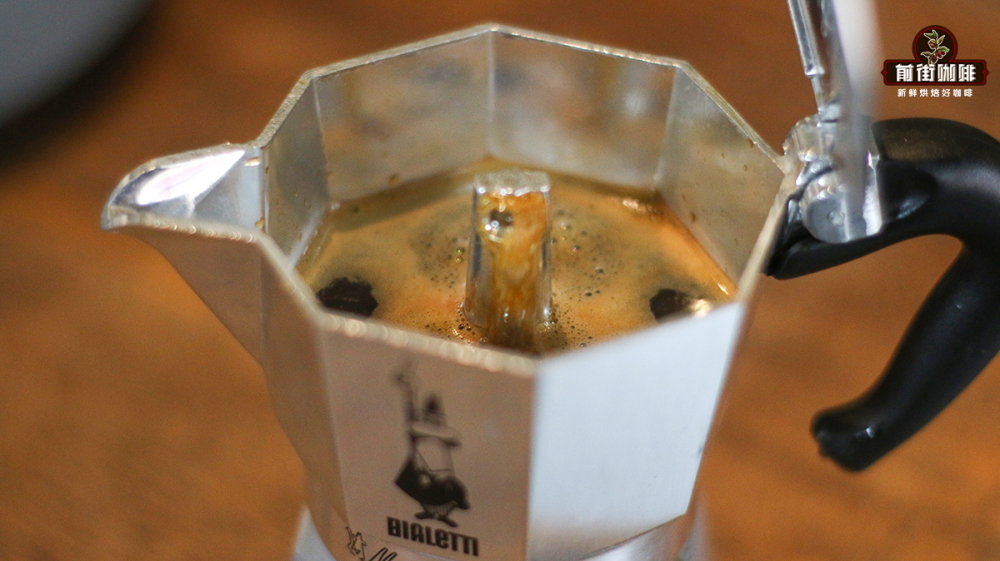
When heated, the water in the lower chamber generates steam pressure, forcing the water upward through the central metal tube, passing through the coffee grounds in the filter basket, then through the filter screen, and finally spraying out as brewed coffee from the central metal tube in the upper chamber. During this process, the pressure is around 1.5 to 3 bar, which is lower than the 9 bar of a professional espresso machine, but still sufficient to extract a rich coffee liquid. The presence of a safety valve also proves that it is a pressurized device, and when operated correctly, it can deliver an extraction experience similar to espresso.

The moka pot works best with medium to dark roasted coffee beans. It is recommended to choose Italian-style blends, such as a combination of Brazilian and Colombian beans, which offer a balanced flavor of nuts and chocolate. If you prefer a stronger, oilier coffee, you can opt for blends specifically designed for moka pots or espresso machines—these beans can showcase rich texture and aroma in the moka pot.
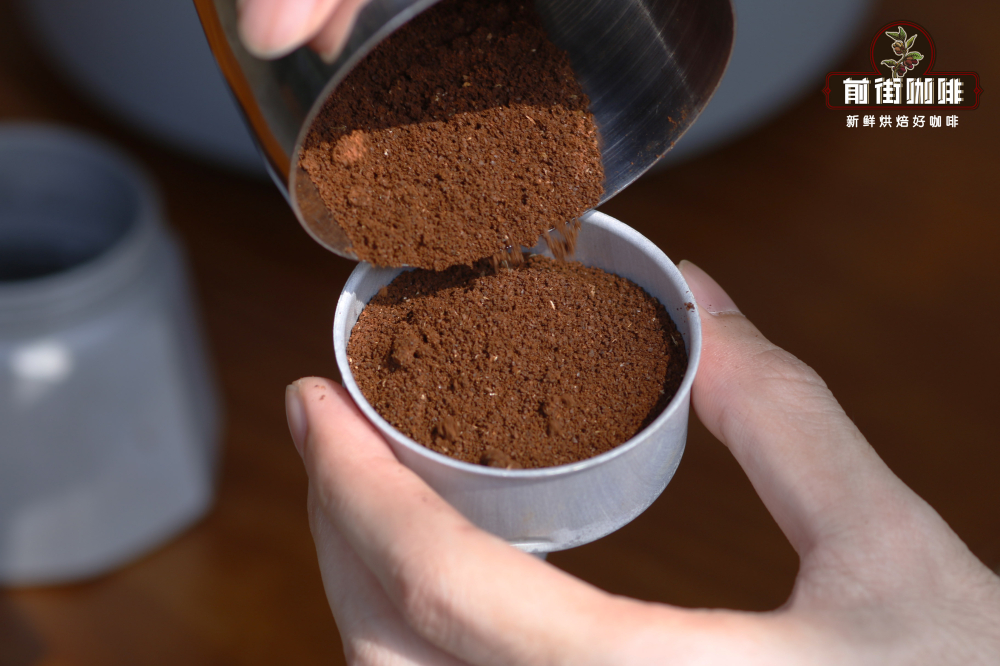
For grind size, it is recommended to use coffee powder with a fineness of about 0.3 to 0.55 mm, close to the grind level of espresso. If you don’t have a particle size gauge, you can adjust through trial and error, usually figuring it out within 3 to 5 attempts. If the coffee flows out too quickly, the grind may be too coarse; if you hear the water boiling but no coffee comes out, the grind may be too fine—in which case, immediately turn off the heat to avoid over-extraction.
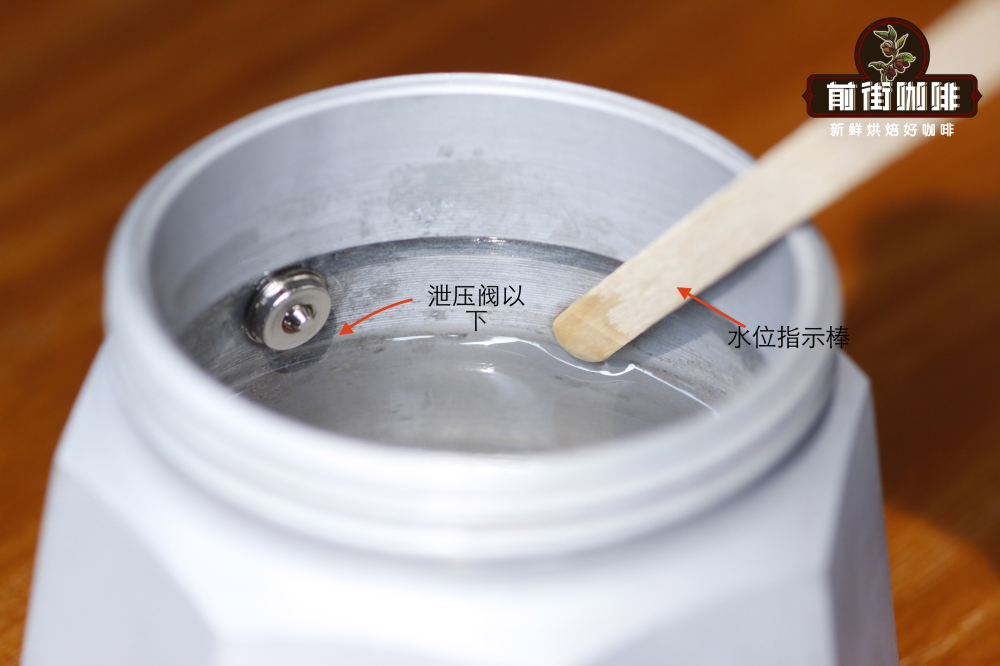
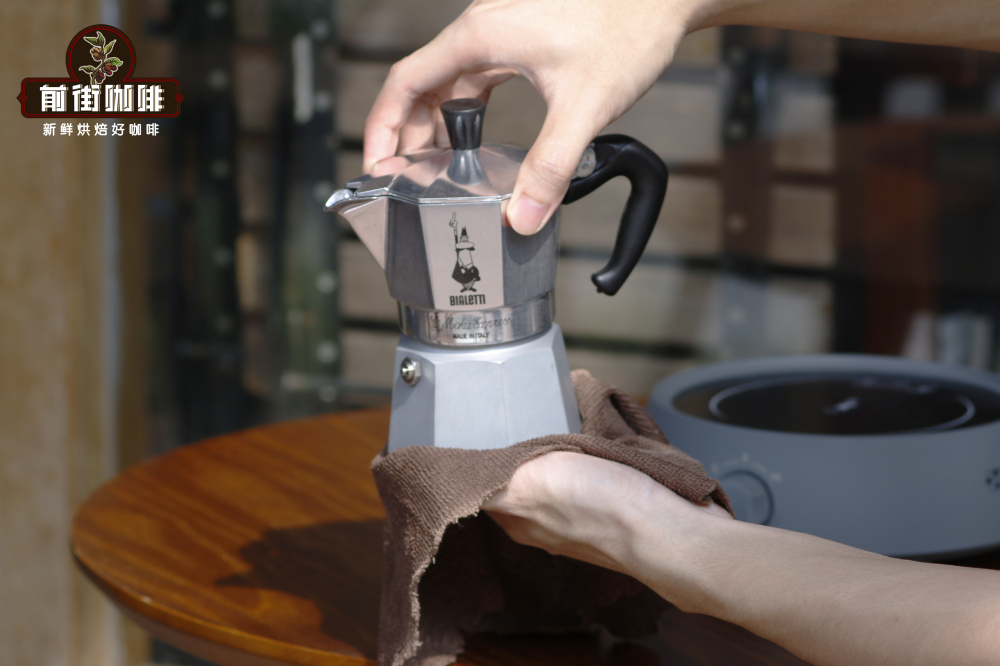
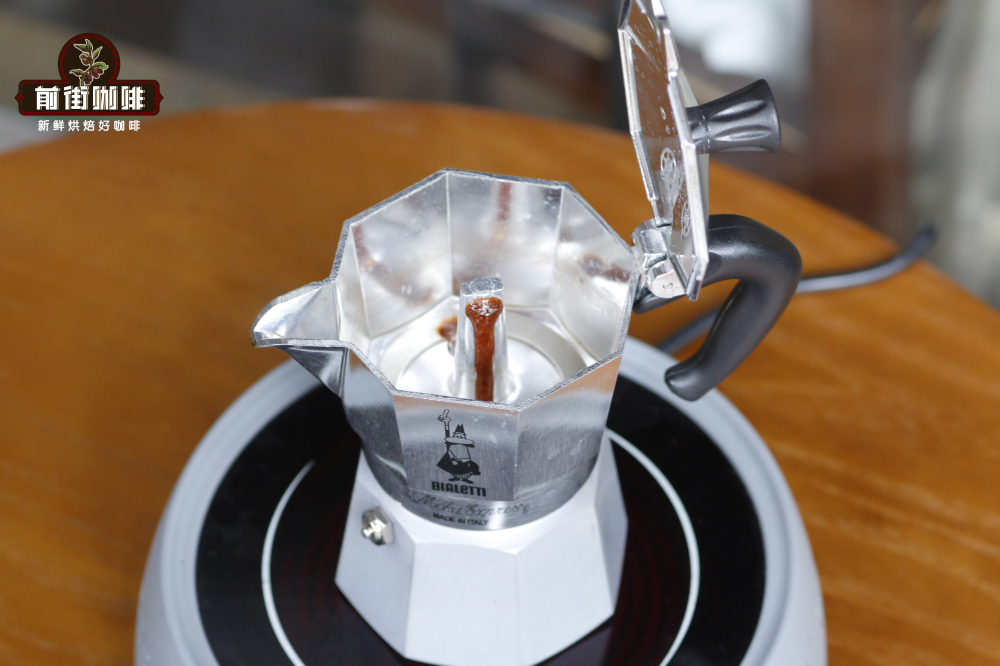
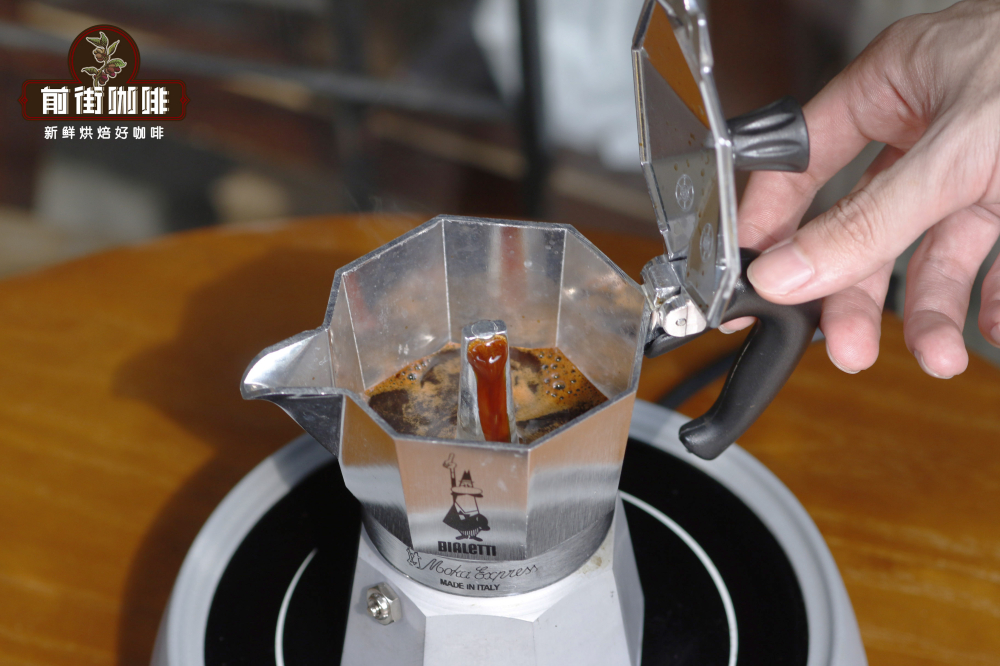
The correct steps for using a moka pot include: first pouring in hot water not exceeding the safety valve, adding an appropriate amount of evenly tamped coffee grounds, gently tapping the filter basket to ensure there are no gaps, then tightly assembling the filter basket with the upper and lower chambers. When heating, it is advised to keep the lid open to observe. When the coffee begins to emerge with dark oils, note that brewing is nearing completion. When the oil color lightens or you hear unusual sounds, immediately turn off the heat, and you may move the moka pot to a cold towel to cool down to prevent over-extraction that could affect the flavor.
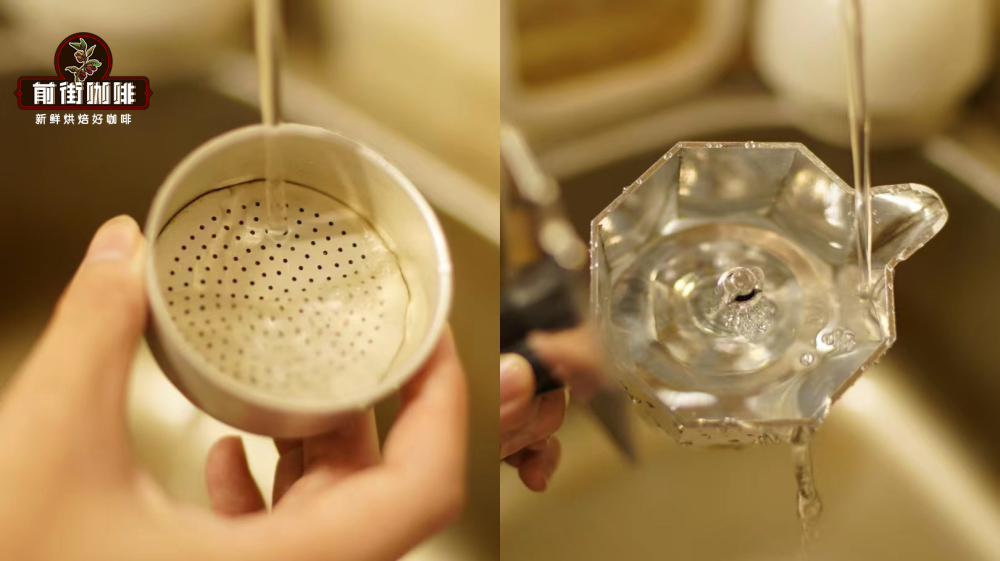
In addition, maintenance of the moka pot is extremely important. The sealing gasket in the upper chamber is recommended to be replaced annually to prevent air leaks that could impact pressure and extraction quality. If you notice the pressure relief valve leaking or abnormal gas release, check whether the middle metal disc is damaged, and replace it promptly if necessary to maintain proper pressure operation. Proper care and operation will allow your moka pot to consistently brew rich, authentic Italian-style coffee for you over the long term.
The above content is compiled by CoffeeHunters, a coffee news website.


