








Introduction:The moka pot is a practical tool for many coffee enthusiasts and camping aficionados. Not only is it easy to operate, but it also allows you to easily brew espresso-style coffee at home or outdoors. This article will delve into the types of coffee beans suitable for the moka pot, the optimal grind size, and how to achieve ideal flavors through proper usage, helping you go from novice to proficient in mastering this classic brewing device.
In recent years, with the rise of camping culture, many young people have pursued a refined lifestyle during outdoor activities. The moka pot, which can be directly heated on a portable gas stove and has a low learning curve, has become an indispensable coffee tool for many campers. With just a gas stove, coffee grounds, and a moka pot, you can enjoy a rich cup of coffee in nature—combining practicality with ambiance.
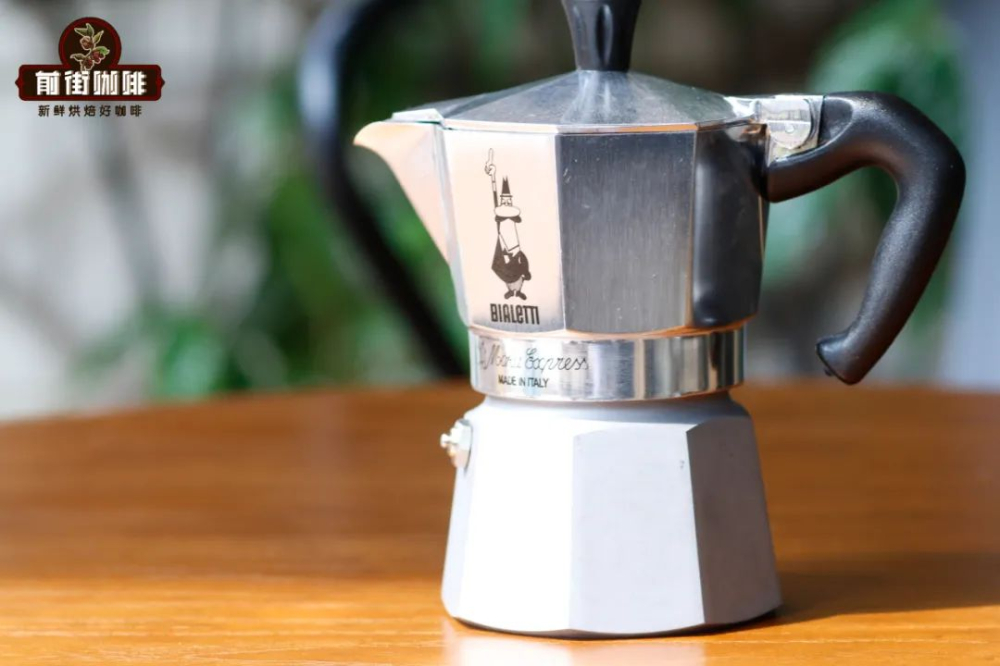
The charm of the moka pot lies in its simplicity; no professional skills or complex accessories are required. Although its name contains the word "mocha," the coffee it brews is actually espresso-style, not a chocolate-flavored mocha drink, nor is it made from beans sourced from Yemen’s Mocha port. This extraction method, which uses heat to generate pressure, makes it highly practical for both home and outdoor settings.
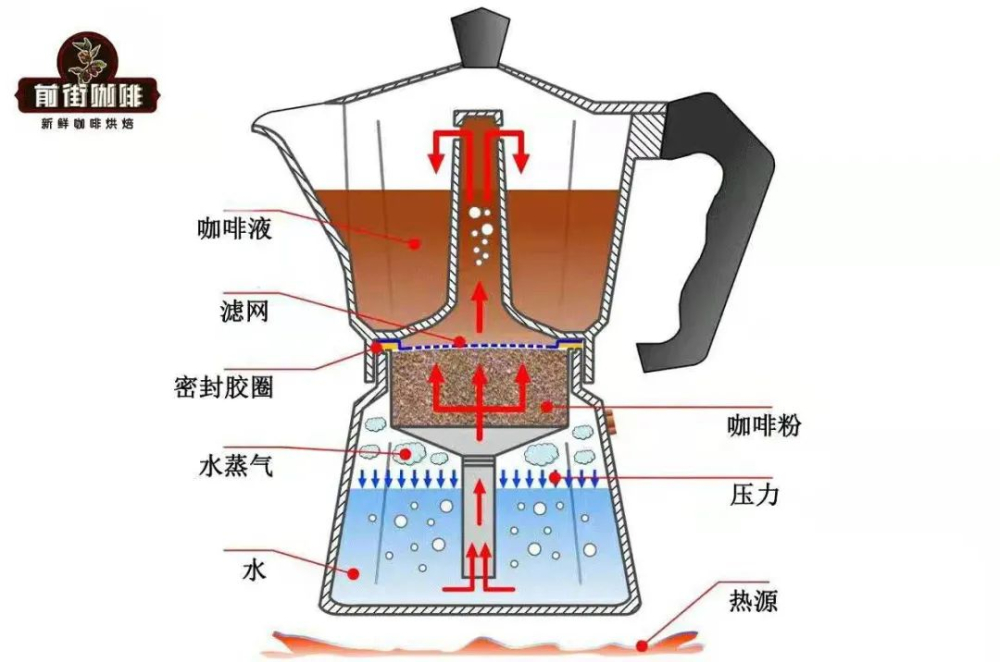
The moka pot mainly consists of several components: the upper chamber serves as the container for collecting brewed coffee, the middle column is responsible for pressure transmission, and the perforated filter plate along with the gasket is used to filter coffee grounds and maintain a seal. The funnel is where you place the coffee grounds—note that unlike conventional devices, the water flows upward from the bottom. The lower chamber holds the water and is used for heating. It usually includes a safety valve that releases pressure if it gets too high, serving as an important safety feature.
When choosing a moka pot, it is recommended to select reputable brands and retailers to avoid purchasing cheap imitation products from unknown sources. Especially for the safety valve design in the lower chamber, poor quality may cause it to rupture under excessive pressure during heating, leading to potential danger. Classic brands such as Bialetti, with their long-standing manufacturing experience, are widely regarded as reliable choices for beginners and everyday use, with genuine products typically priced at 499 yuan or above.
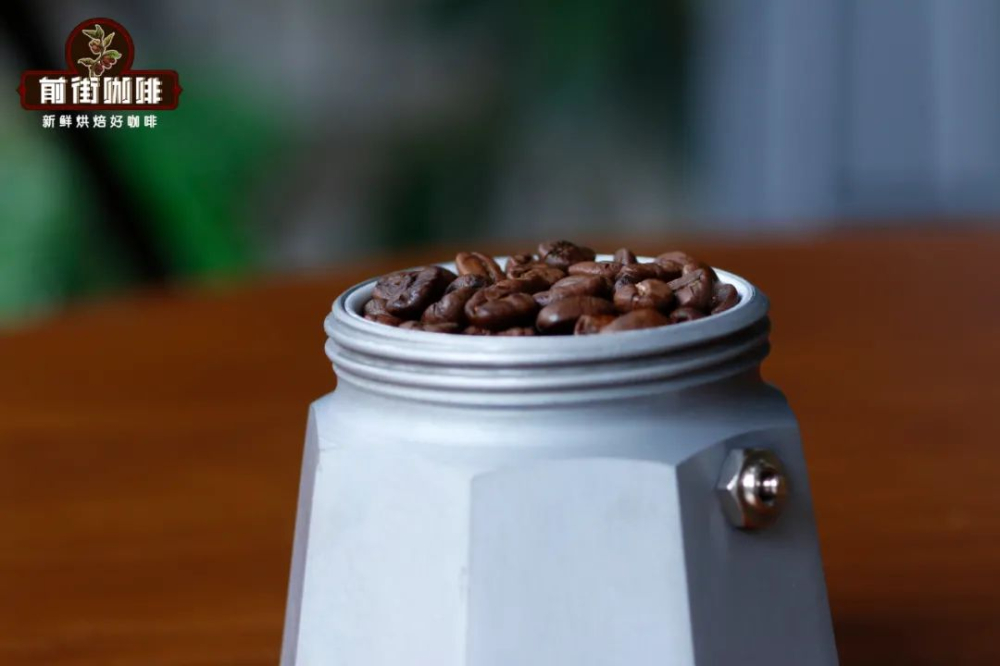
Not all coffee beans are suitable for brewing with a moka pot. Since the moka pot operates at water temperatures close to 100°C and generates a certain amount of pressure, using lightly roasted beans—whose high acidity and abundant carbon dioxide may produce an unpleasant sharp sourness under high pressure—is not ideal. Such beans also tend to form less crema, which is an important source of espresso flavor and contributes to a smoother, more layered mouthfeel.
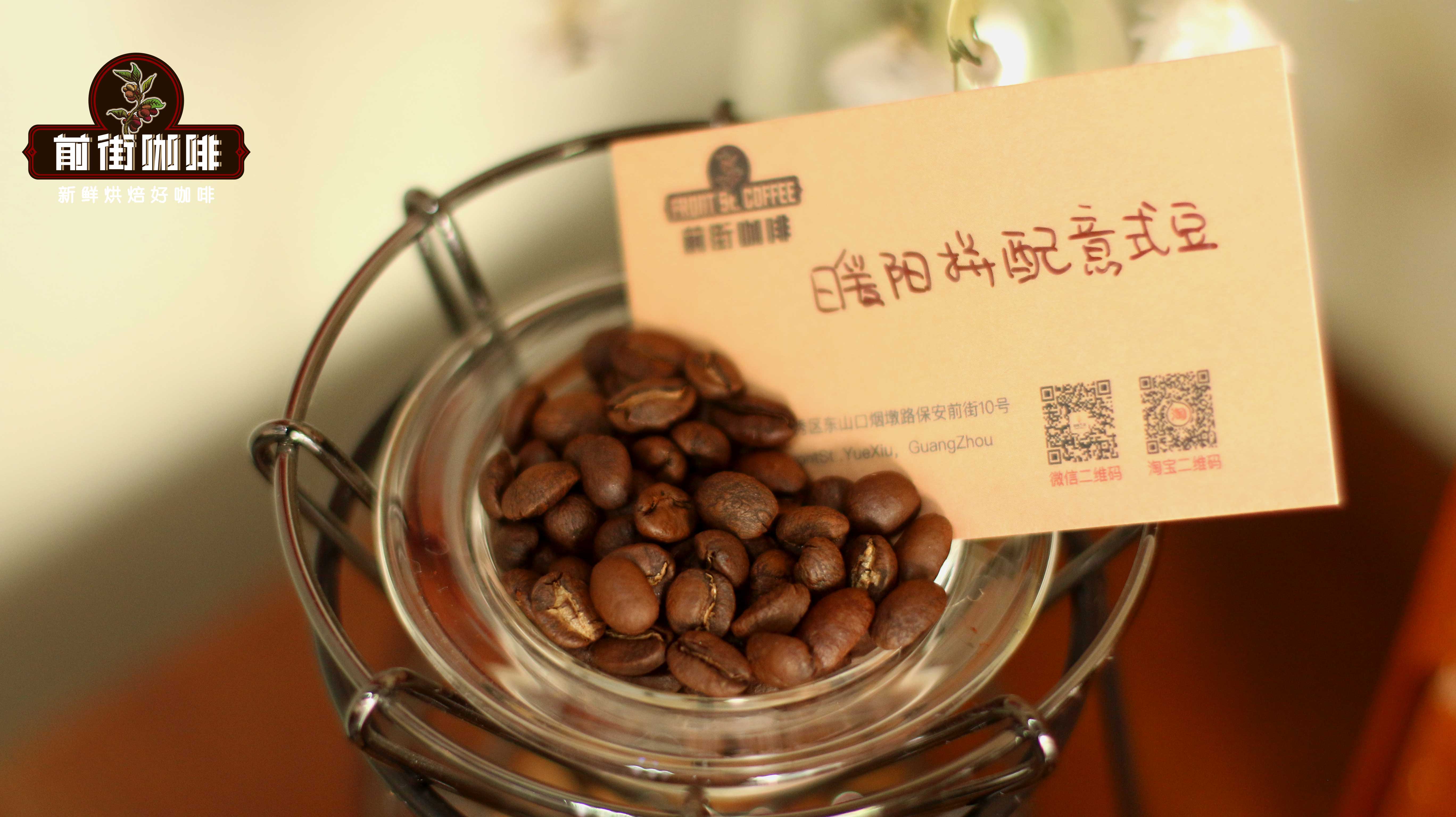
To achieve a better extraction, it is recommended to choose medium-dark to dark roasted coffee beans, whether single-origin or blends. These beans generally have lower acidity and rich notes of caramel and spices, which complement the high temperature and pressure conditions of the moka pot. For example, beans with nutty and cocoa flavors, Indonesian beans with herbal and spicy notes, or blends that exhibit wine-like and creamy characteristics are all excellent choices.
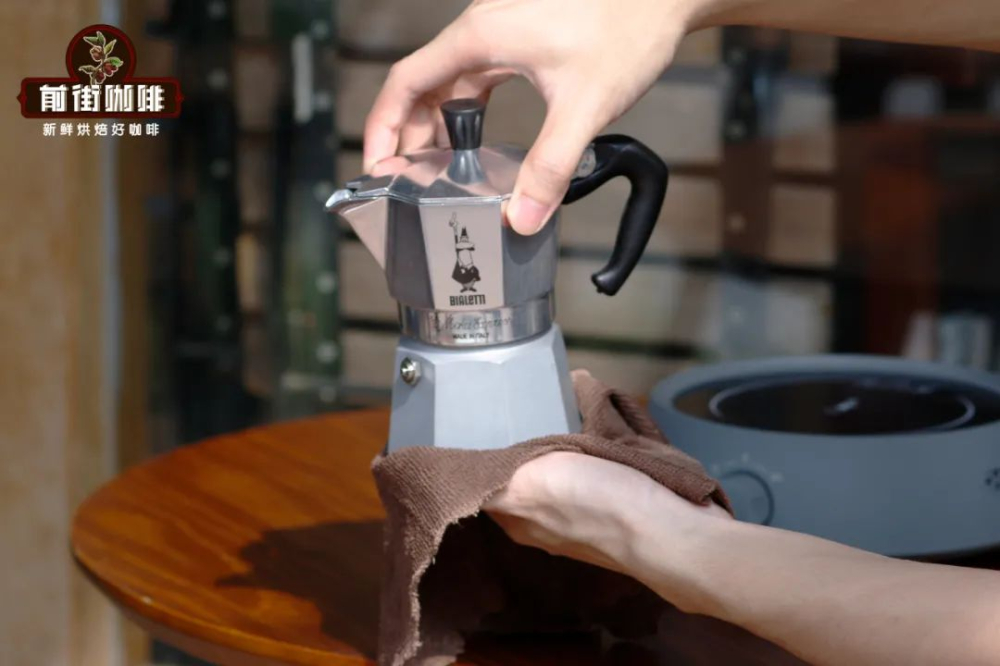
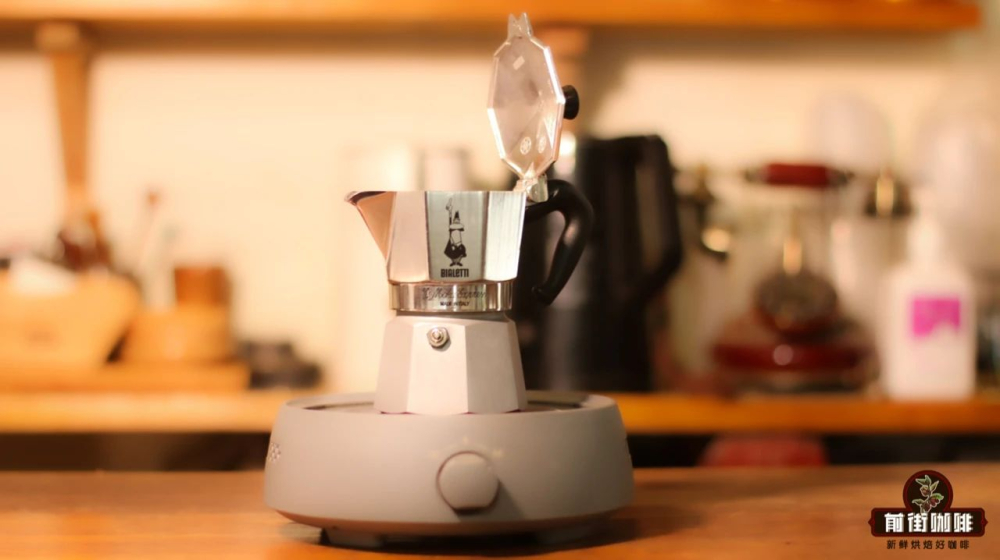
When using a moka pot, it is recommended to first add hot water to the lower chamber, ensuring the water level does not exceed the safety valve to avoid affecting pressure release. Then, place the appropriately ground coffee into the funnel—the grind size should be similar to medium-fine for pour over, and slightly finer if you prefer a stronger taste. After filling, level the surface without tamping, then assemble the pot. Once heated, wait for the water to boil and gradually rise. When you hear a distinct hissing sound, it indicates that the extraction is about to finish—this is when you should turn off the heat. The entire process takes approximately 5 minutes. Be mindful of burns and familiarize yourself with the equipment to safely and smoothly enjoy a cup of moka pot coffee.
The above content is compiled by CoffeeHunters, a coffee news website.


