







Introduction:The moka pot is an entry-level tool for many coffee beginners to explore espresso, but without understanding its operating principles and correct usage, it can easily affect the extraction results. This article delves into how the moka pot uses heat and pressure to brew rich coffee, analyzing grind size, flame control, safety precautions, and offering practical coffee bean selection advice to help you easily brew a well-balanced, crema-rich espresso-style coffee.
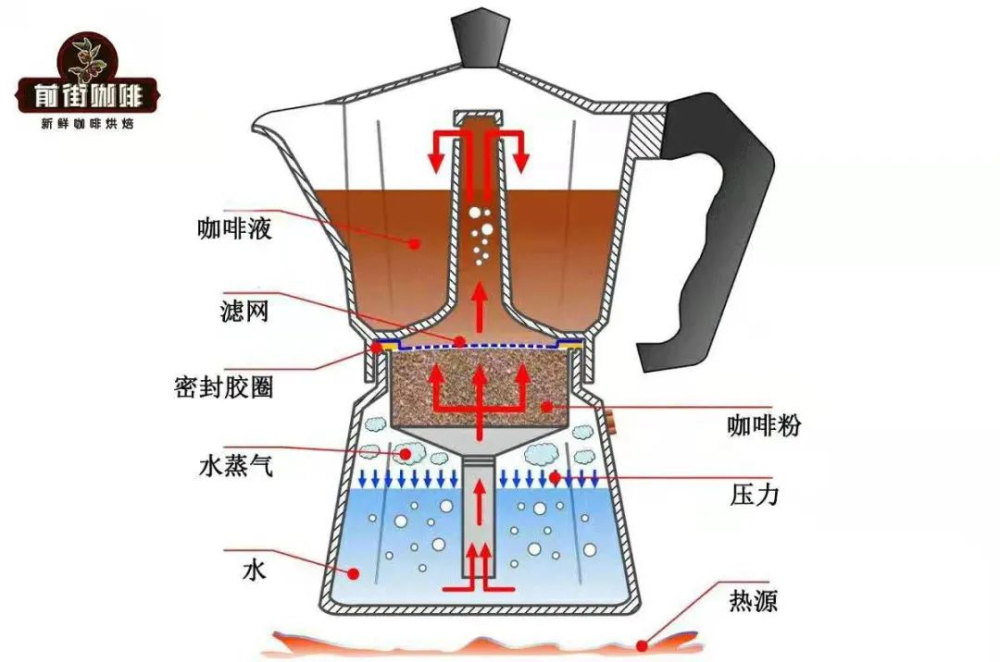
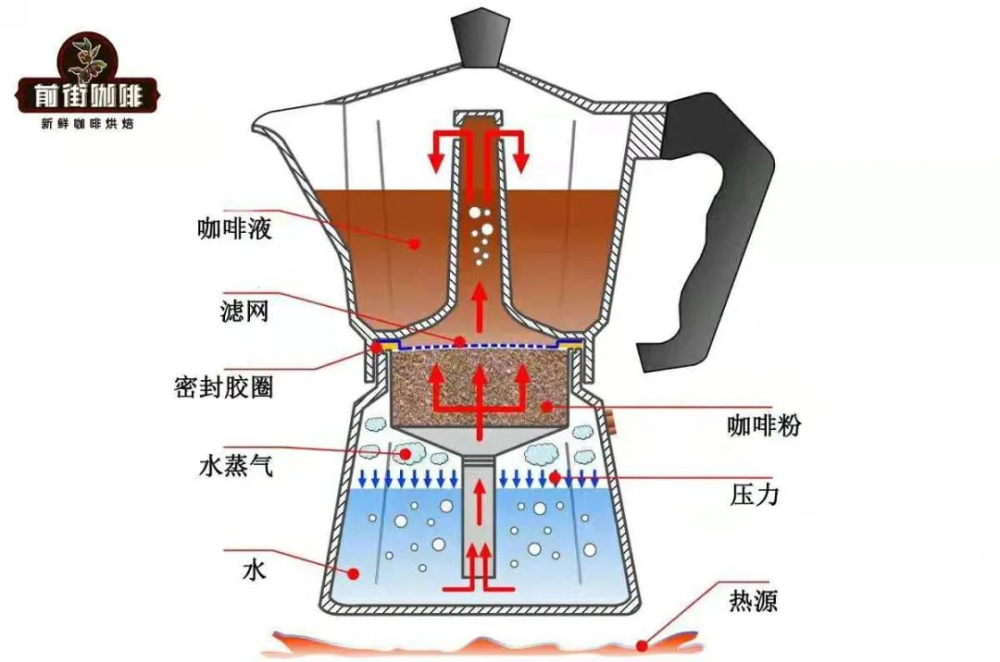
The moka pot is a classic Italian coffee brewing device that works by heating water in the lower chamber, causing the water to turn into steam and generate pressure, which then pushes the hot water upward through a middle filter filled with ground coffee, ultimately extracting espresso in the upper chamber. This process is similar to the principle of a small espresso machine, but with a simpler structure, making it suitable for home use.
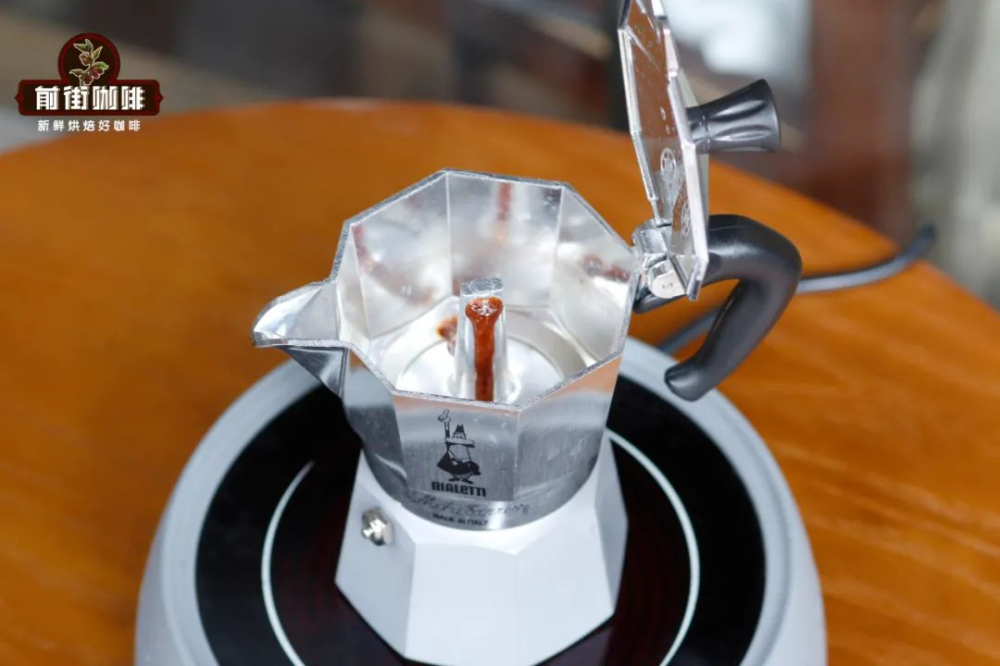
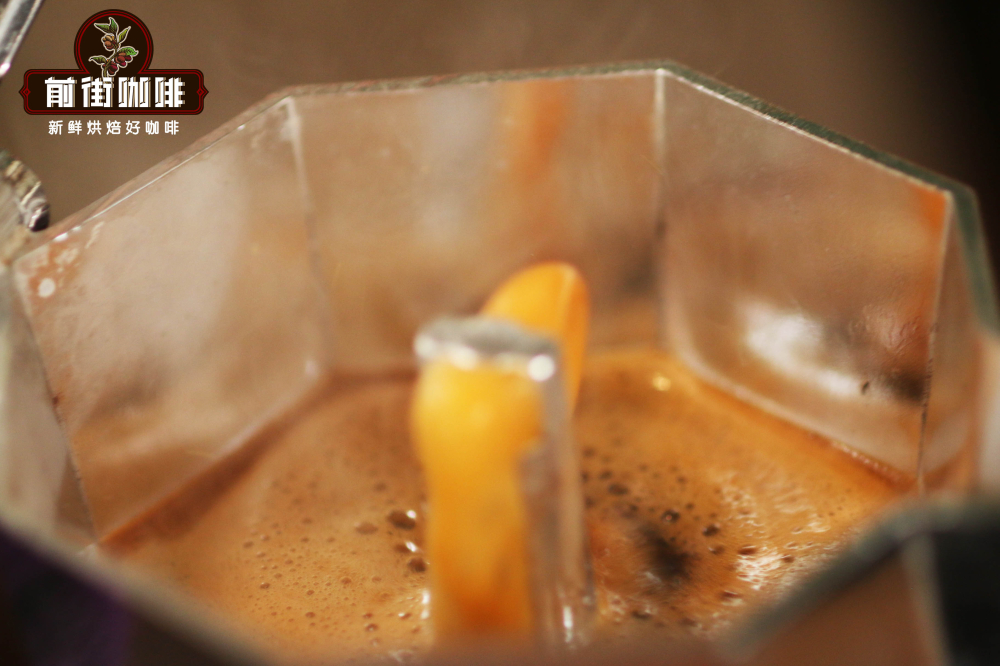
The core working principle of the moka potlies in using the steam pressure generated by heating to push water from the bottom to the top. When the water in the lower chamber is heated, the water and steam expand in volume, gradually pushing upward through the filter filled with coffee grounds, thereby extracting the essence of the coffee. The brewed coffee liquid eventually flows out through the spout of the upper chamber, forming a strong, espresso-style cup of coffee.
When using a moka pot,the grind size of the coffee is crucial. Since the water is pushed by pressure, the flow rate is relatively fast, so it is recommended to use very finely ground coffee, but not so fine that it clogs the holes in the filter. Grinding the coffee to a fineness close to that of espresso helps fully extract the flavors without under-extraction due to excessively fast flow.
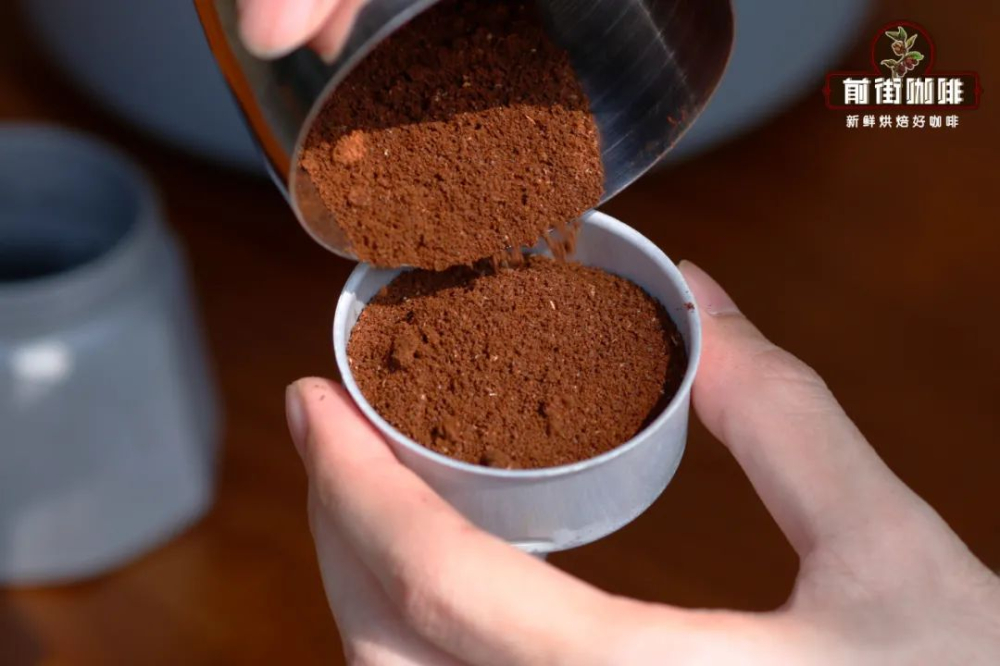
After filling the coffee grounds into the filter, it is recommended to gently level the surface of the coffee bed with your fingers, then slightly tamp it—but not too firmly. Moderate tamping allows the water to evenly penetrate the coffee layer, avoiding the formation of overly easy channels that could result in some coffee grounds not being fully extracted, thus affecting the overall flavor balance.
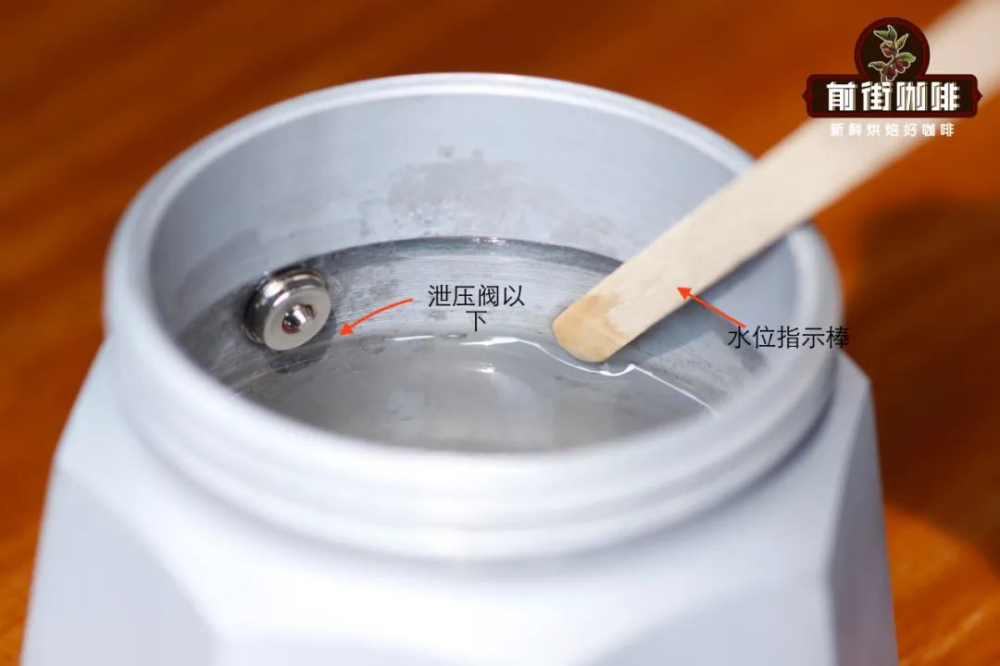
There are several common precautions when using a moka pot. First, it is recommended to add already boiled water to the lower chamber, which can reduce the time the coffee grounds are exposed to high temperatures and avoid over-extraction that leads to burnt or bitter tastes. When adding water, make sure the water level is below the safety valve to prevent blockage of pressure release, which could cause excessive pressure and potential danger.
It is recommended to heat with low to medium flame and try to avoid direct flame contact with the metal parts of the pot body. This not only protects the material of the pot but also prevents the coffee in the upper chamber from becoming bitter due to prolonged high-temperature heating. A stable and moderate flame helps extract a balanced and smooth-tasting coffee.
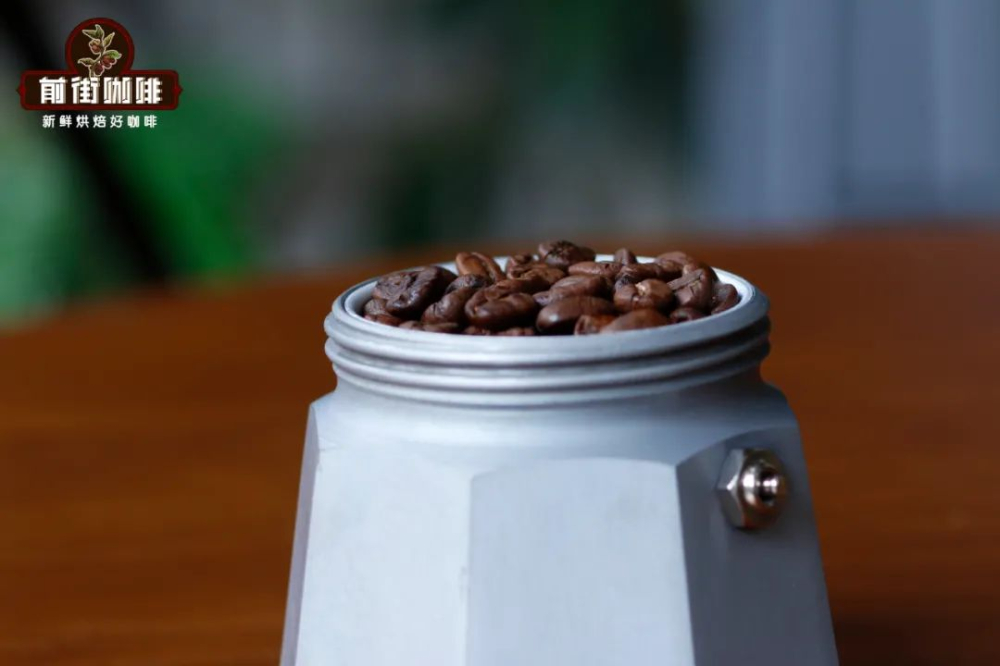
As for coffee bean selection,it is recommended to choose freshly roasted medium to dark roast beansto match the high-pressure extraction characteristics of the moka pot. Medium to dark roast beans typically have a richer mouthfeel and abundant crema, capable of showcasing deep and layered flavors within a short extraction time. For example, properly roasted blends or espresso blends are both great choices.
In summary, brewing espresso with a moka pot is not complicated, but mastering the grind size, coffee bed tamping, flame control, and safety details is essential to unlocking its full potential. Brewing a cup of coffee with intense flavor, attractive color, and captivating crema is a classic brewing method every coffee enthusiast should try.
The above content is compiled by CoffeeHunters, a coffee news website.


