








Introduction:The moka pot is one of the most common coffee brewing devices in Italian households, known for its simple operation and rich flavor. This article details the steps for using a moka pot, the appropriate grind size, extraction techniques, and offers practical advice to help even coffee beginners easily brew a pot of distinctive-tasting coffee.
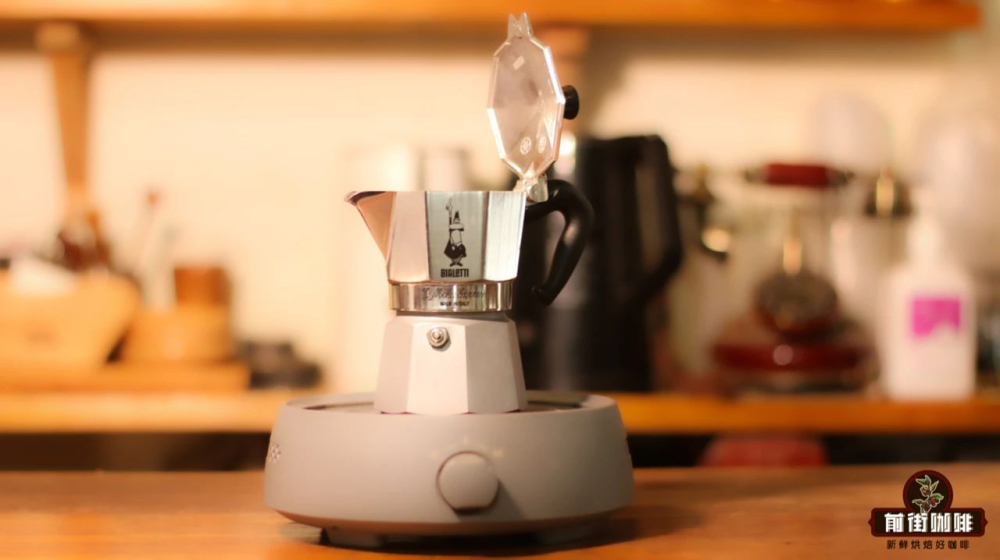
The moka pot was invented in 1933 by Italian designer Alfonso Bialetti and remains one of the most popular home coffee makers worldwide. It has a simple structure and is easy to use, making it ideal for users who want to enjoy strong coffee flavors at home. Whether you're a beginner just starting out or a coffee enthusiast looking to explore new brewing methods, you can find enjoyment in it.
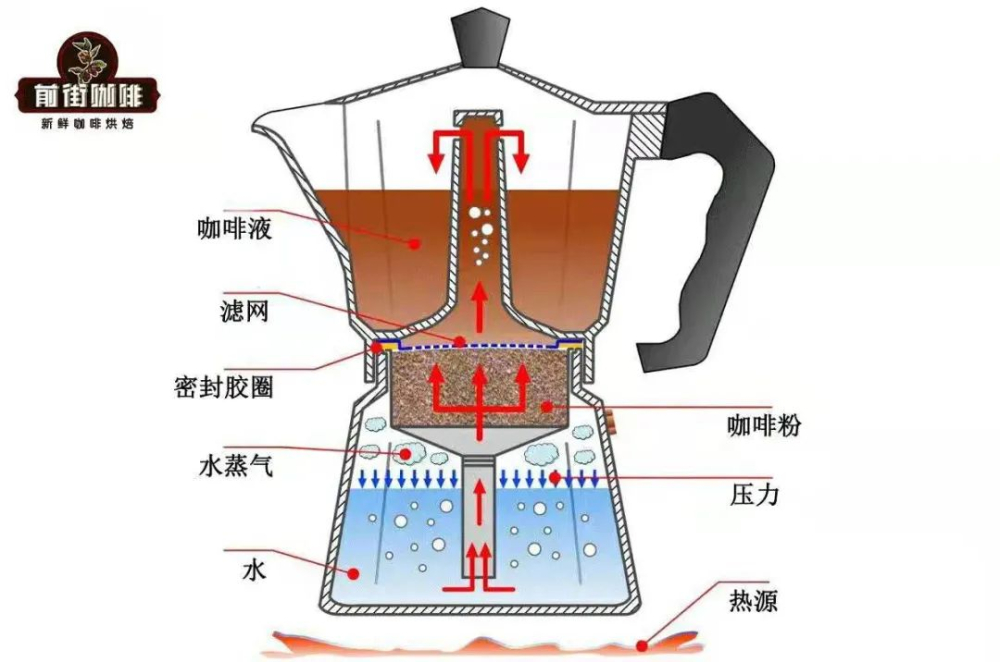
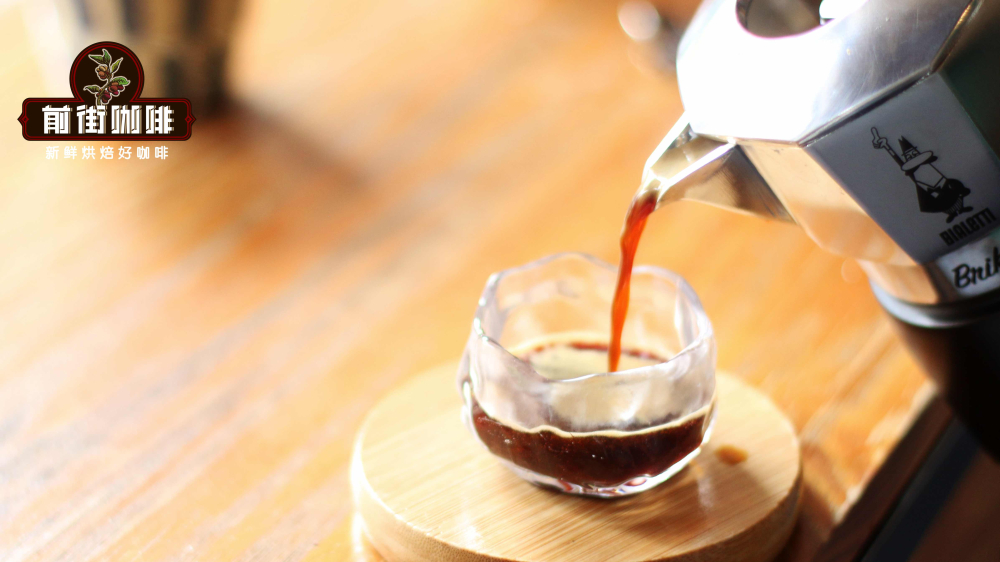
The moka pot consists of three main parts: the upper chamber holds the brewed coffee, the middle section is the filter basket for the ground coffee, and the lower chamber contains the water. When heated, the water turns into steam, creating pressure that pushes the hot water through the coffee grounds, extracting a rich coffee liquid that drips out from the upper chamber. Its principle is similar to that of espresso, but due to the lower pressure at home, the taste is closer to something between espresso and filtered coffee.
Before using a moka pot, you’ll need to prepare an appropriate amount of water, freshly roasted coffee beans, a grinder, and a stable heat source (such as a gas stove or induction cooker). It’s recommended to choose medium to dark roasted coffee beans, which typically have rich notes of caramel, nuts, and chocolate that complement the high-pressure extraction of the moka pot, bringing out a fuller flavor profile.

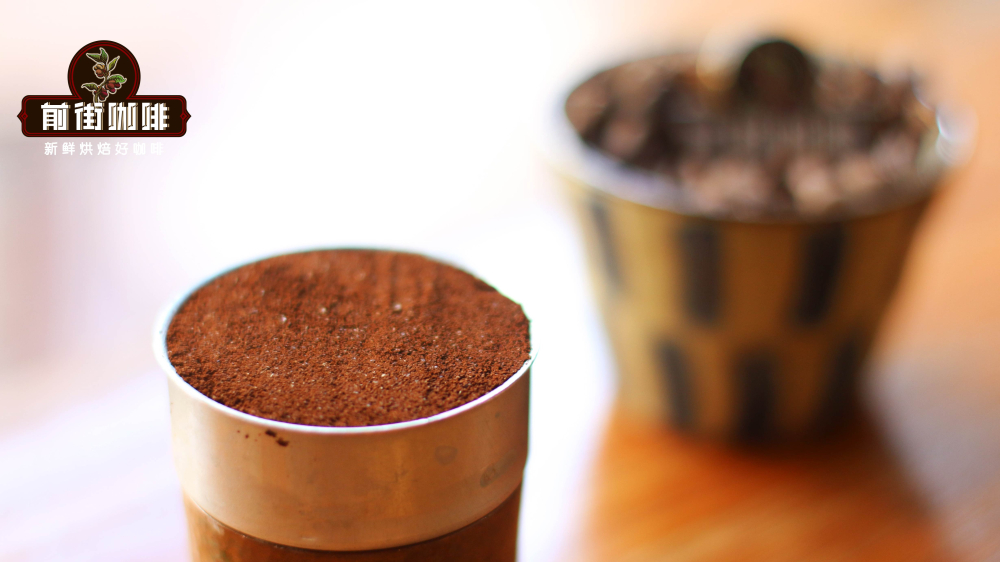
Regarding coffee grind size, the moka pot requires a grind that is between pour over and espresso.It should be finer than pour over coffee but slightly coarser than the coffee used in commercial espresso machines.If using an EK43s grinder, you can refer to settings #3 to #3.5, with a texture similar to fine sugar but even more refined. If the grind is too coarse, it may lead to under-extraction, resulting in a weak flavor and fast flow; if too fine, it may cause over-extraction, clogging, or even splattering due to excessive pressure, posing a scalding risk.
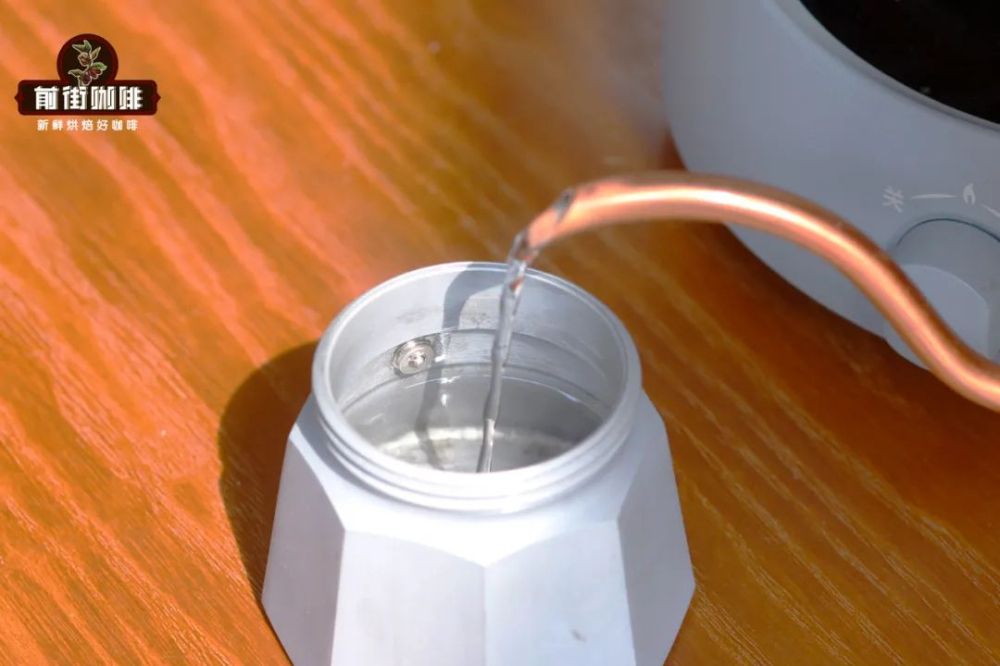
Before starting the extraction, first pour hot water into the lower chamber, with the water level recommended to be about 0.5 cm below the safety valve—this is roughly 100 grams in capacity. For a 2-cup moka pot, it’s generally advised to use about 20 grams of coffee grounds, a ratio of approximately 1:5, balancing richness and mouthfeel. It’s better to use hot water rather than cold, as it shortens the brewing time and avoids over-extraction and bitterness caused by prolonged steeping.
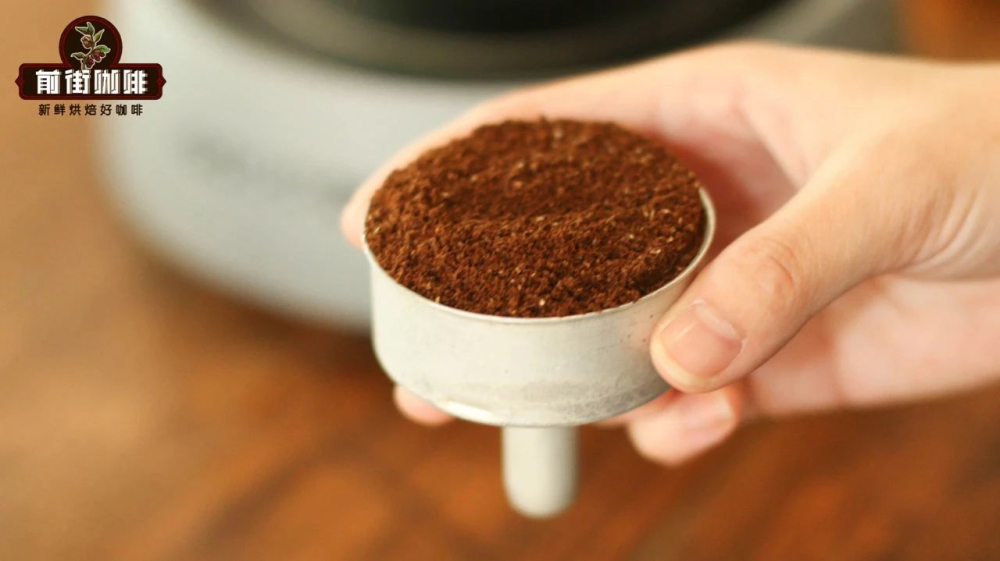
Pour the ground coffee into the filter basket, gently level it, and smooth the surface with your fingers—there’s no need to tamp. Then reattach the filter basket to the lower chamber and securely screw on the upper chamber to ensure a good seal. Place the moka pot on the heat source, and it’s recommended to use low to medium heat to slowly heat it, avoiding excessive heat that could cause uncontrolled pressure.
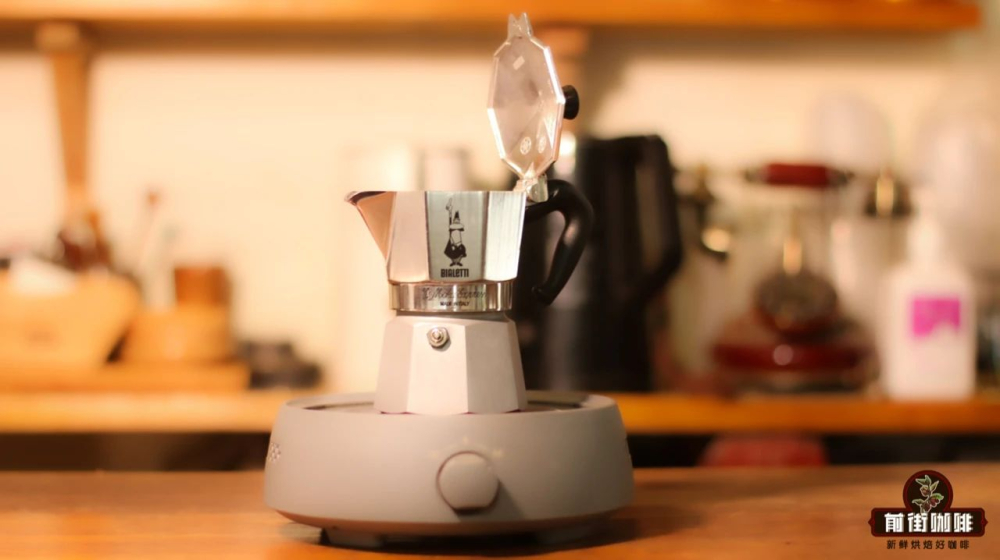
When you hear a faint “hissing” sound from the pot, it means the water has begun to turn into steam and build pressure. At this point, you can reduce the flame and open the upper chamber lid to observe whether the coffee liquid has started to drip. When the coffee in the upper chamber has accumulated to about half, it is advisable to turn off the heat and let the residual heat finish the extraction. Doing so not only prevents over-extraction but also helps avoid burns from the hot metal surface.
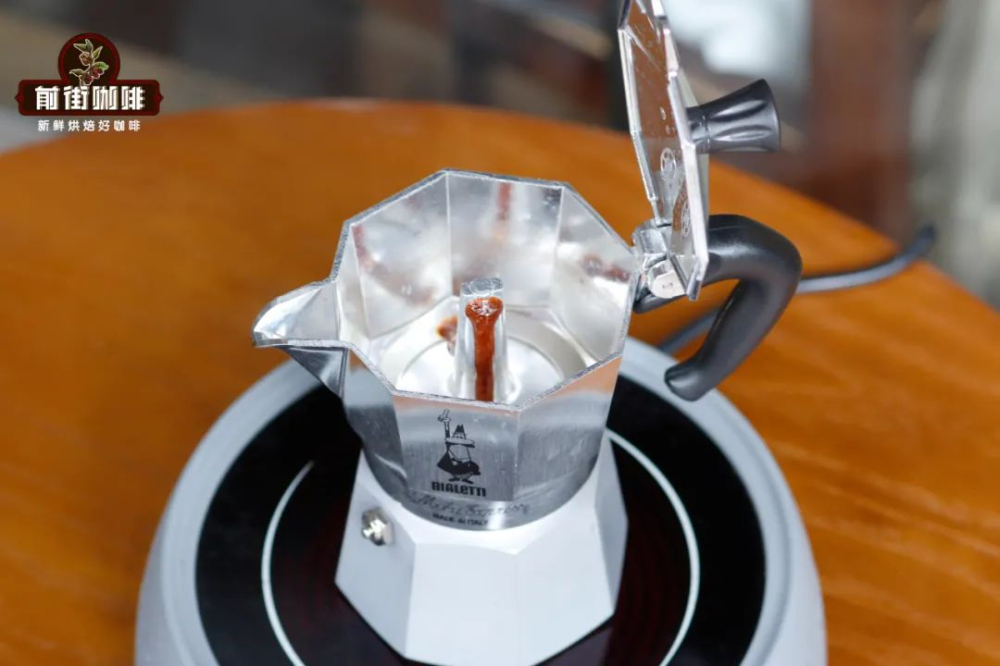
The finished moka pot coffee has a rich flavor and full body, making it suitable for drinking straight or customized to personal taste with milk. When paired with hot milk, it can showcase a silky texture and sweet aftertaste reminiscent of chocolate cream. To achieve a richer crema layer, it’s recommended to use freshly roasted medium to dark roasted beans—the carbon dioxide released during roasting can form an attractive crema under pressure, adding layers of flavor.
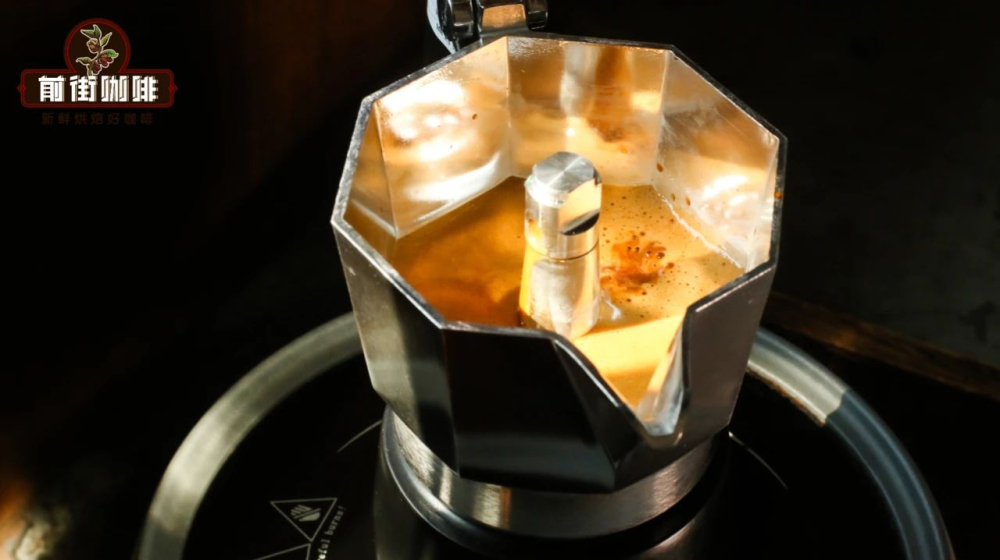
Finally, a safety reminder: when using a moka pot, be cautious as the pot becomes very hot during heating—avoid touching the metal parts directly. Additionally, regularly checking that the safety valve is functioning properly is also an important safety measure. As long as you master the correct grind size, coffee-to-water ratio, and heat control, you can also brew moka pot coffee with café-quality richness at home.
The above content is compiled by CoffeeHunters, a coffee news website.


