







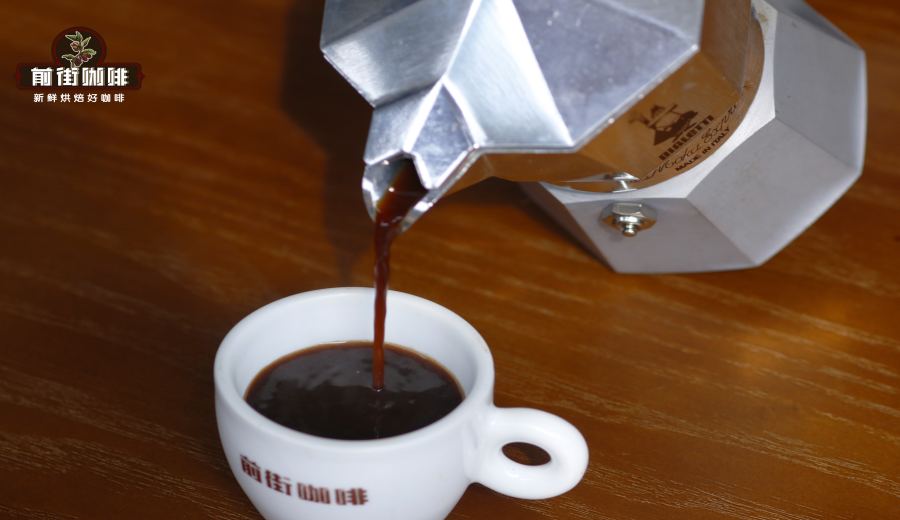
Introduction:To brew richly flavored espresso with a moka pot, selecting the right coffee beans and mastering the extraction time are key. This article delves into the working principle of the moka pot, the types of coffee beans that suit it, and the appropriate roast levels, while also offering practical brewing steps and timing recommendations to help you use this classic tool to brew aromatic coffee close to authentic espresso.
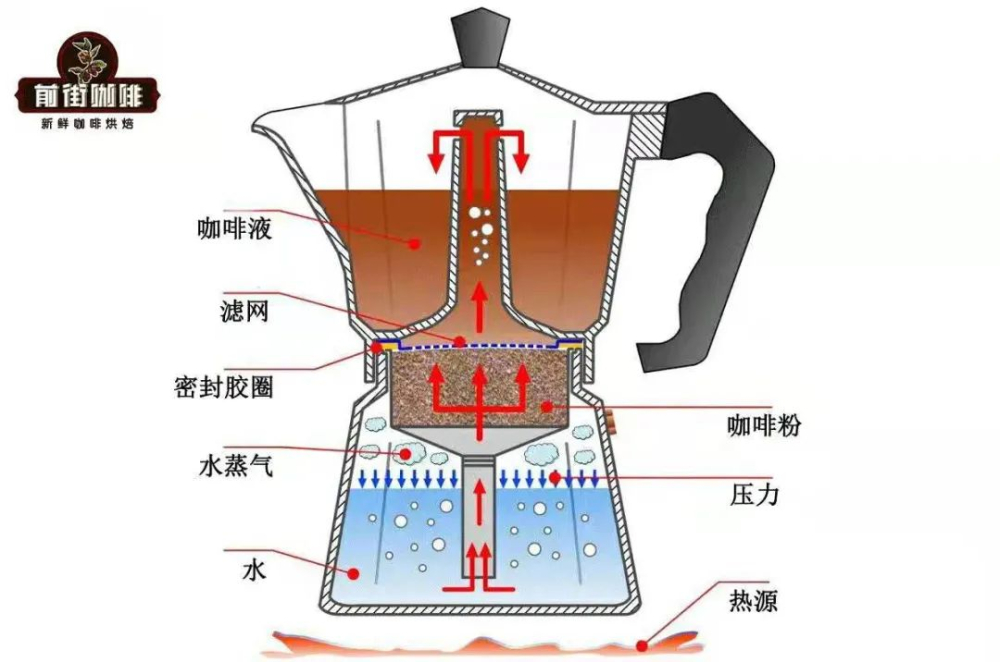
Moka Pot(Moka Pot) is a classic coffee maker originating from Italy that is widely loved by home users. It generates steam pressure by heating the lower chamber, pushing hot water through medium-fine ground coffee to extract a richly flavored coffee liquid. Although this direct-fire extraction method doesn’t reach the 9-bar high pressure of professional espresso machines, it can still produce noticeable crema and a full-bodied taste.
The earliest moka pot was invented by the Italian Alfonso Bialetti in 1933. Although its appearance and materials (such as aluminum, stainless steel, heat-resistant glass, etc.) have evolved over time, the basic structure and principle have remained unchanged. Understanding its design features can help you better unlock its potential and brew coffee with your desired flavor.
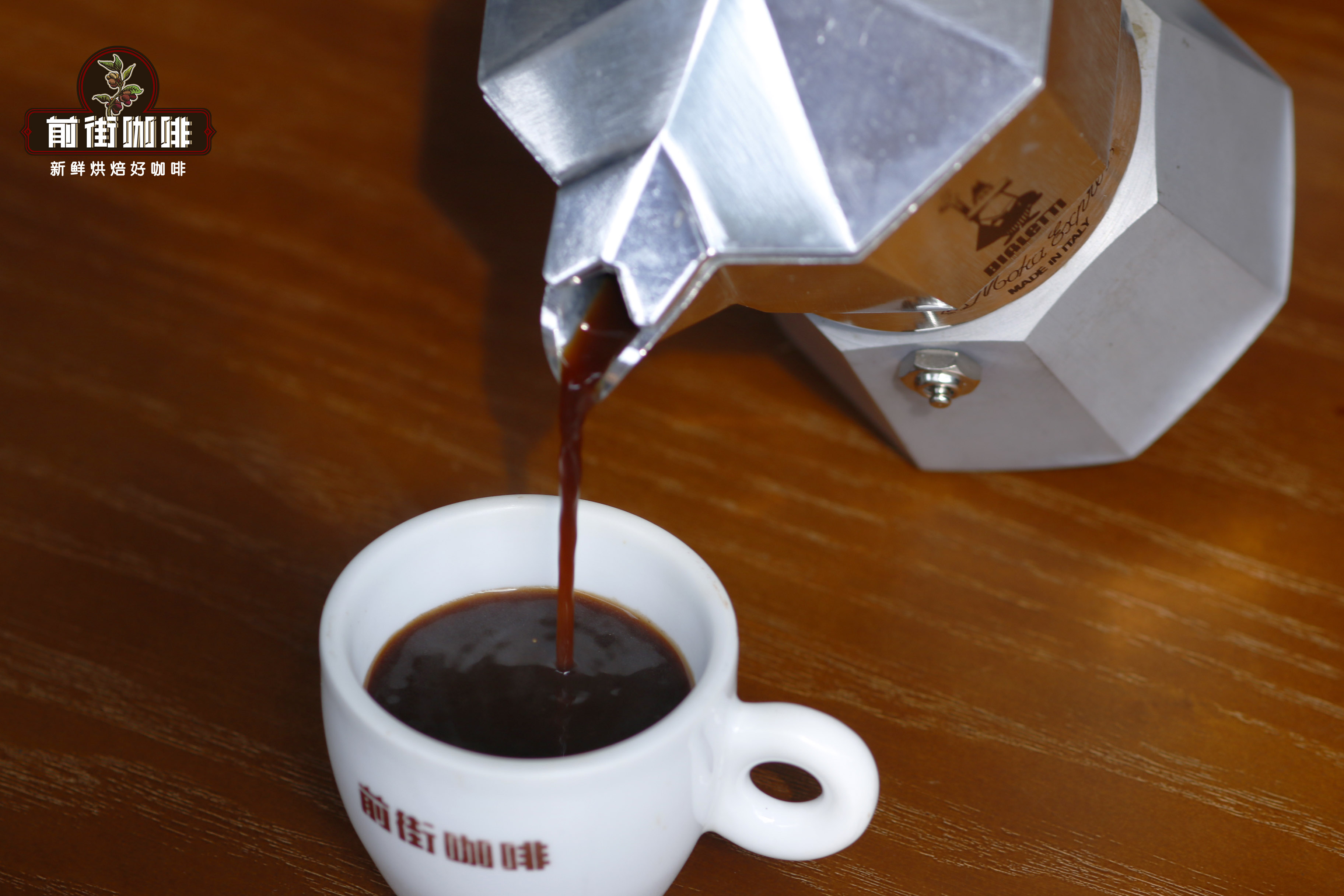
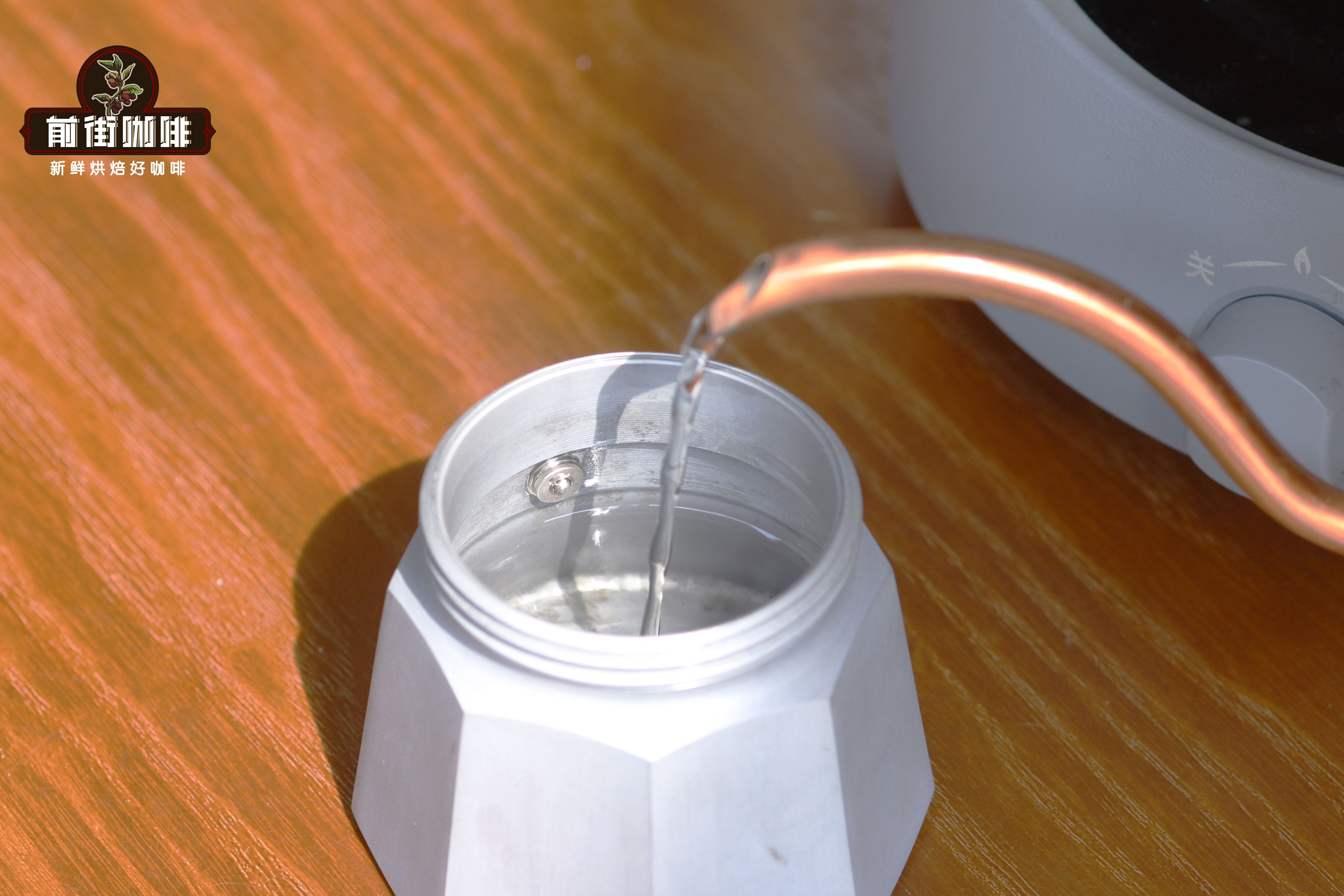
The moka pot mainly consists of three parts:Lower chamberwhich holds the water,Filter basketwhere the ground coffee is placed,Upper chamberwhich collects the extracted coffee. When heated, the water produces pressure that pushes the steam through the coffee grounds, ultimately forming a strong cup of coffee in the upper chamber. This extraction pressure is typically between 1.5 to 2 bar — although not as high as commercial espresso machines, it is sufficient to draw out the essence and crema of the coffee.
Depending on their design, moka pots can be divided intosingle-valveanddouble-valvetypes. The double-valve design adds extra extraction pressure once a certain pressure level is reached, often resulting in more crema and a richer, more layered flavor. If you’re aiming for a taste closer to espresso, a double-valve moka pot is a better choice.
In terms of capacity, commercially available moka pots are usually labeled by “servings,” with common options including 1, 2, 3, 6, 9, 12, and 18 servings. Generally, 1–2 servings are ideal for solo drinkers or couples, 3 servings suit small families, and 6 servings or more are good for sharing with multiple people or at gatherings. Choosing the right capacity affects not only extraction efficiency but also convenience and the stability of coffee flavor each time you brew.
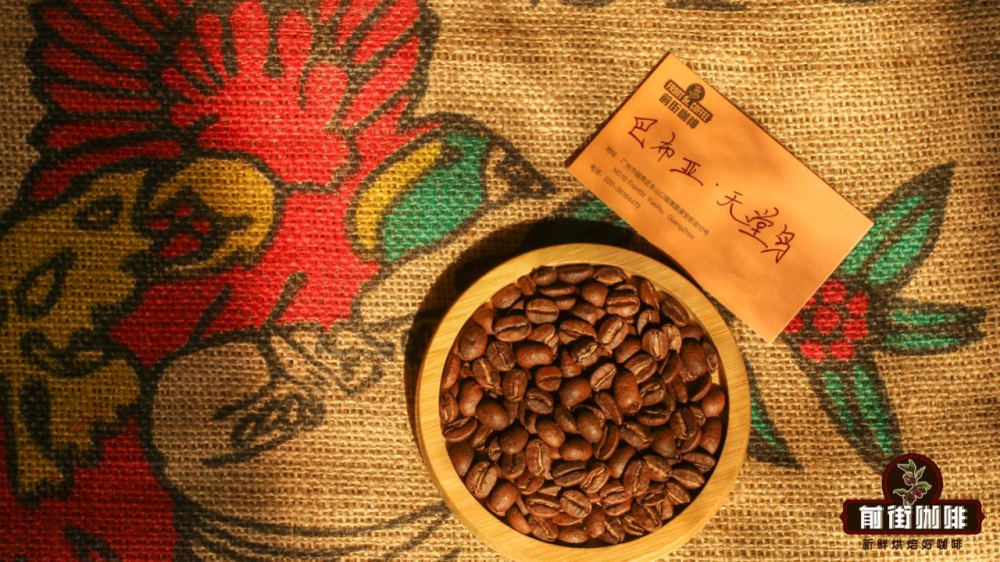
To brew great coffee with a moka pot,the choice of coffee beans is crucial. Since the extraction method of a moka pot is similar to that of espresso, it’s recommended to choosemedium-dark to dark roastedcoffee beans. These beans typically feature intense flavors and rich notes of caramel and chocolate, which complement the extraction characteristics of a moka pot.
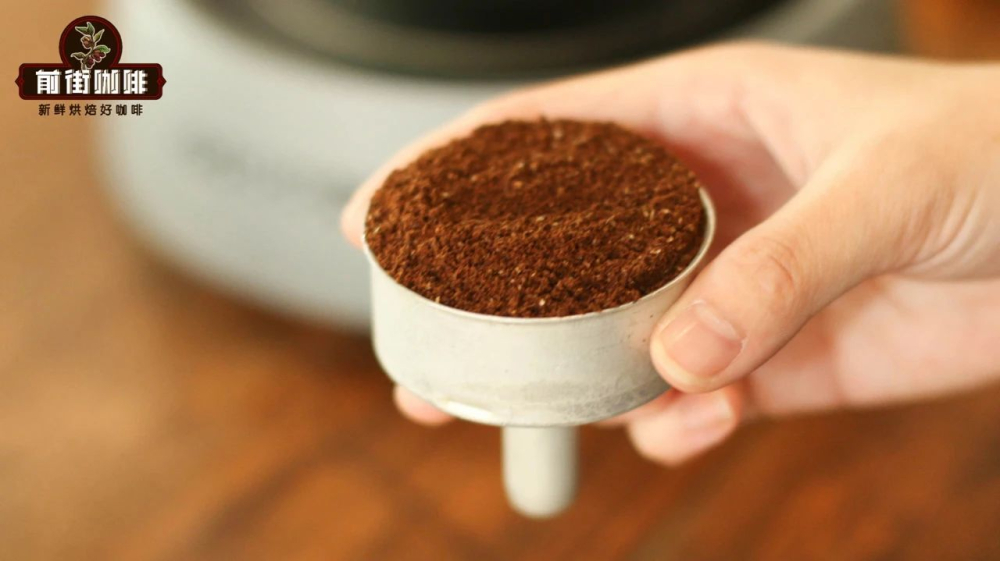
In terms of grind size, the coffee grounds for a moka pot should bebetween granulated sugar and sea salt— slightly finer than pour over but a bit coarser than the very fine grounds used in standard espresso machines. The correct grind ensures even water flow through the coffee bed, avoiding over-extraction or under-extraction. It’s advisable to adjust your grinder to a moderate fineness and observe the color and flow rate of the coffee during extraction, making fine adjustments as needed.
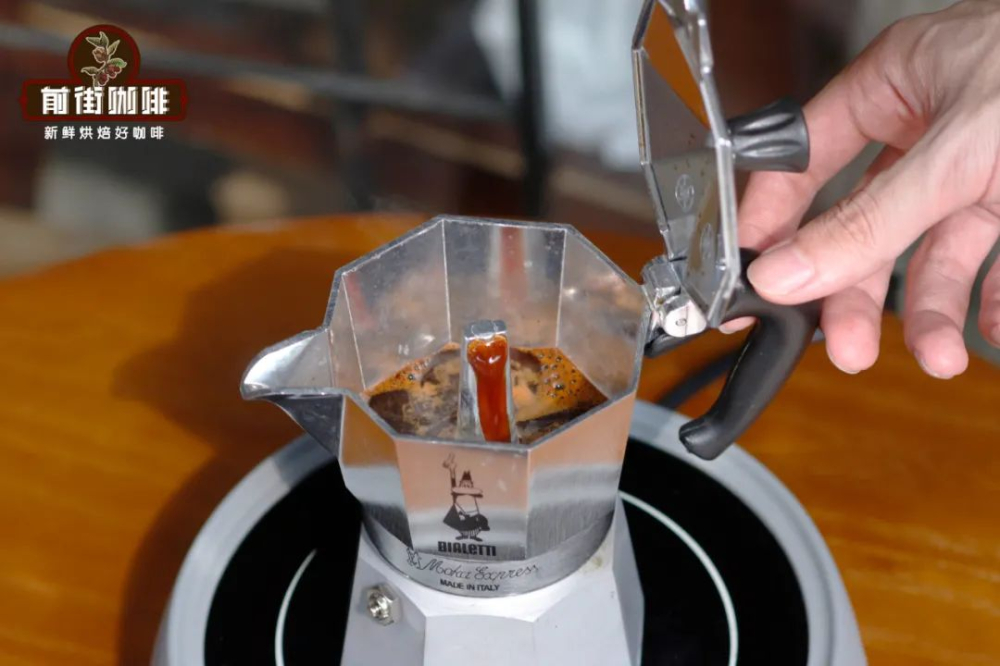
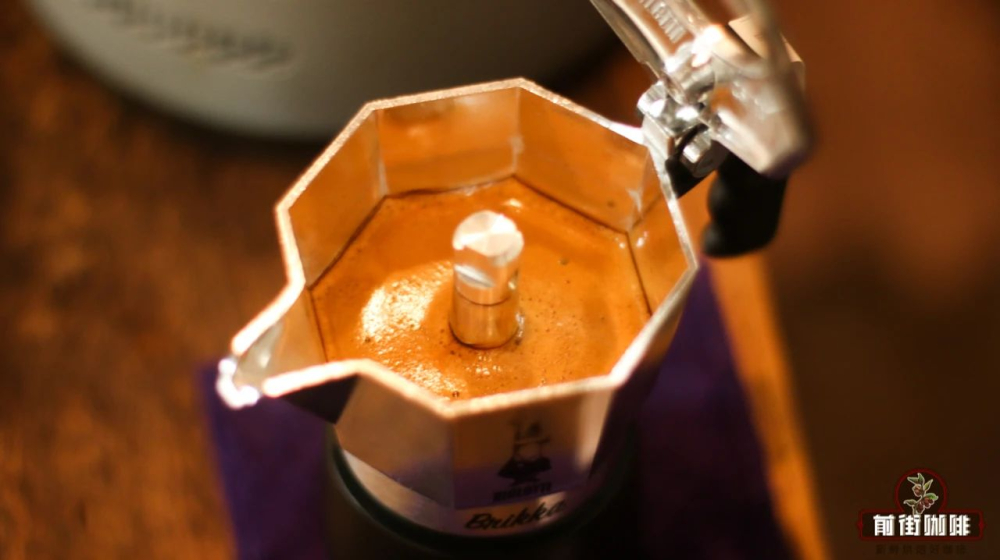
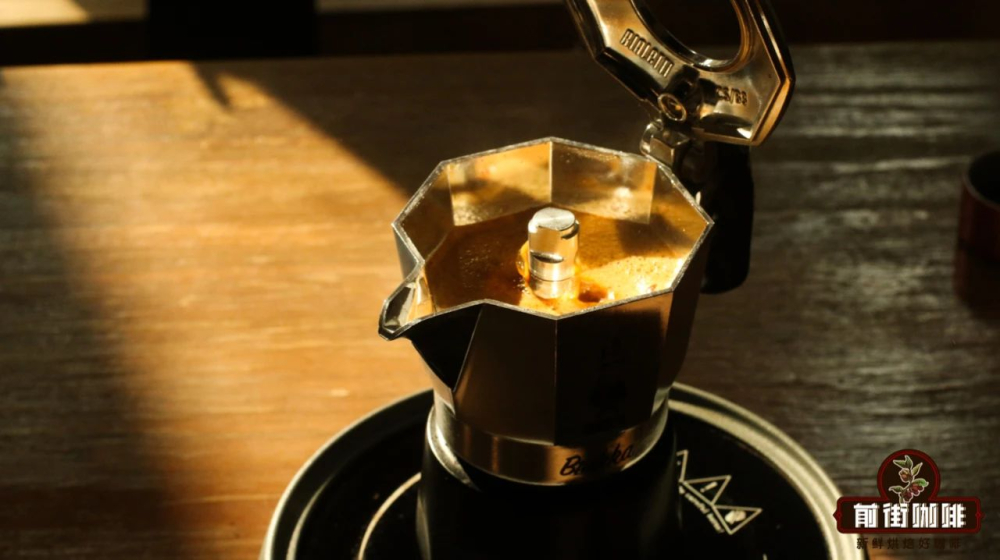
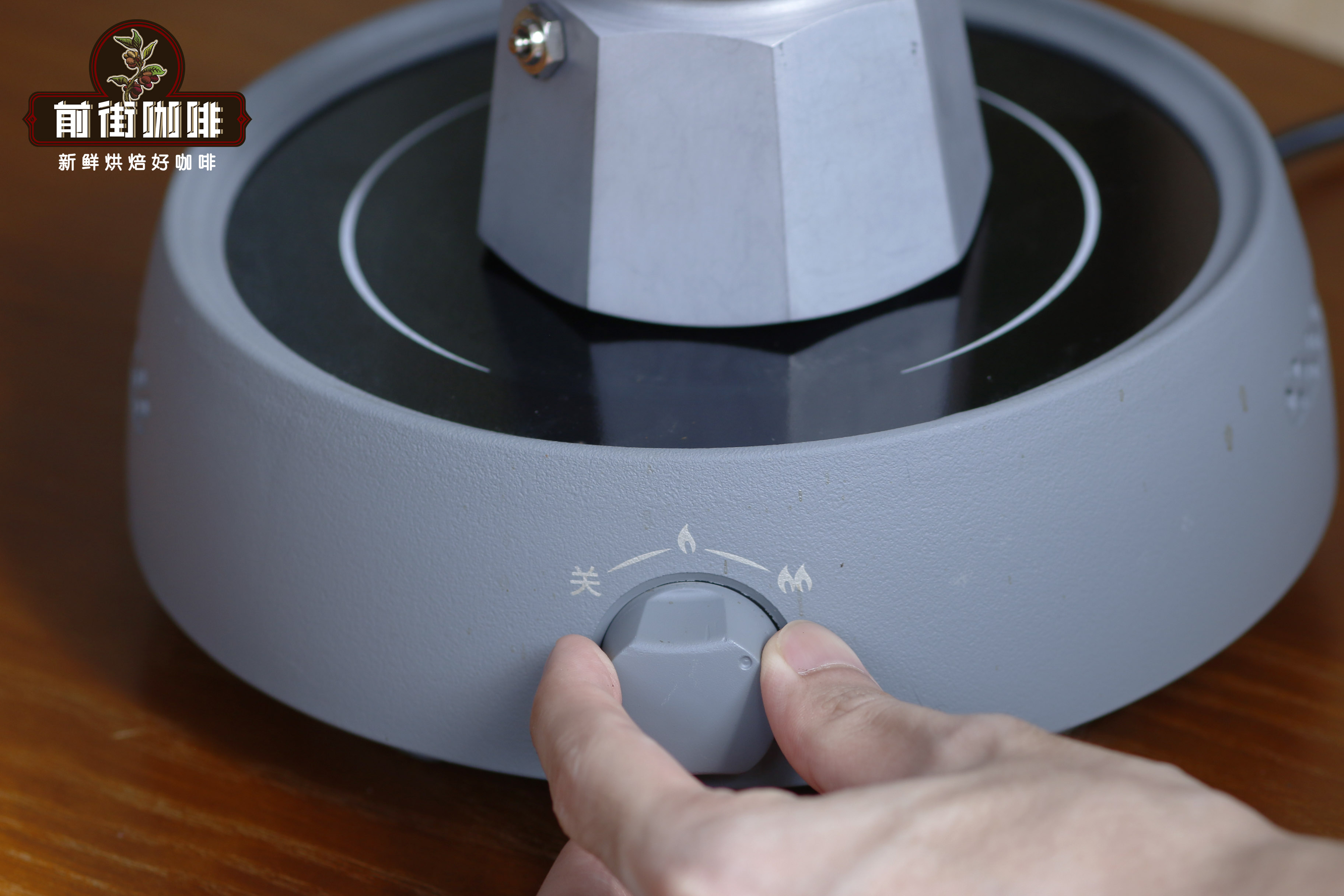
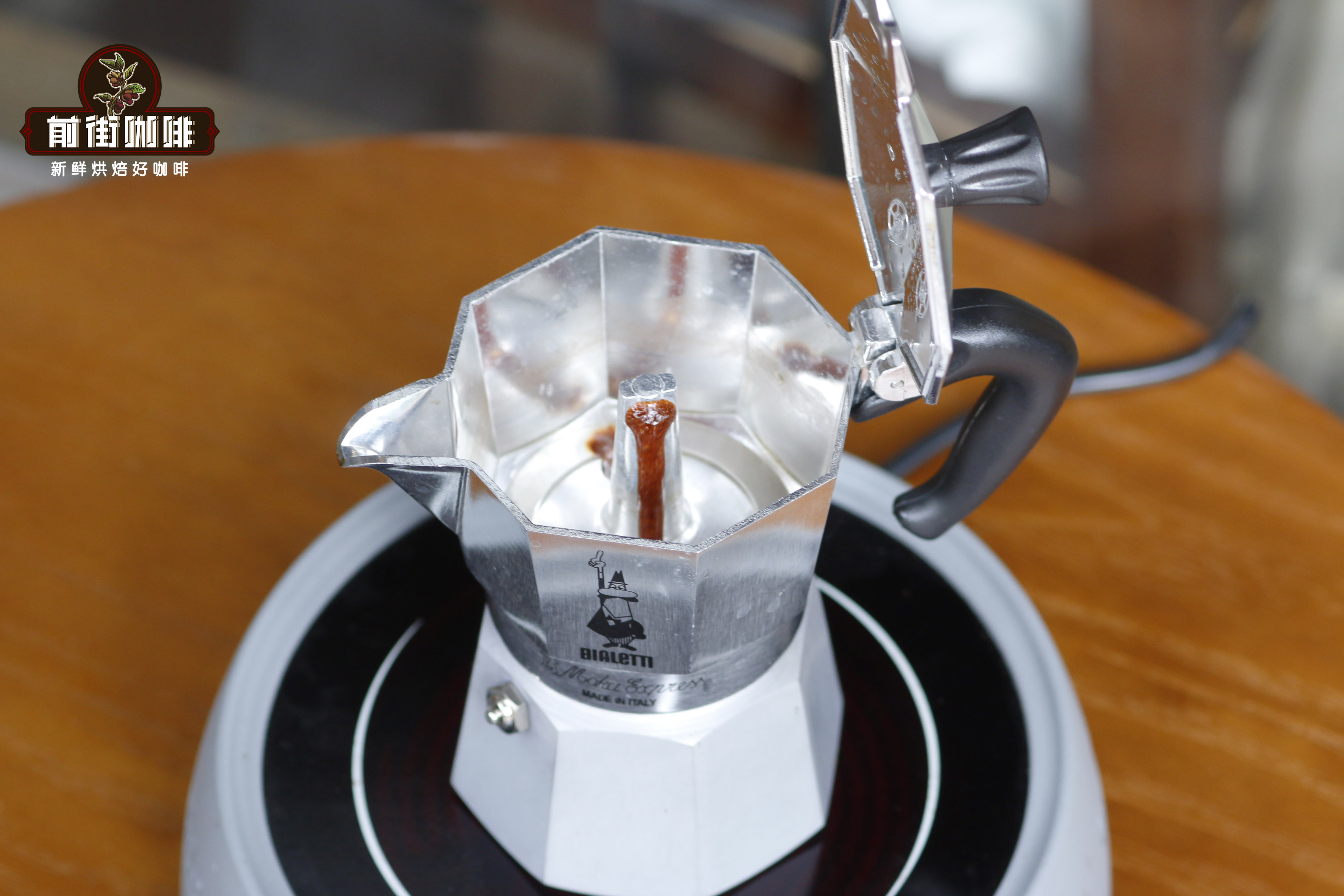
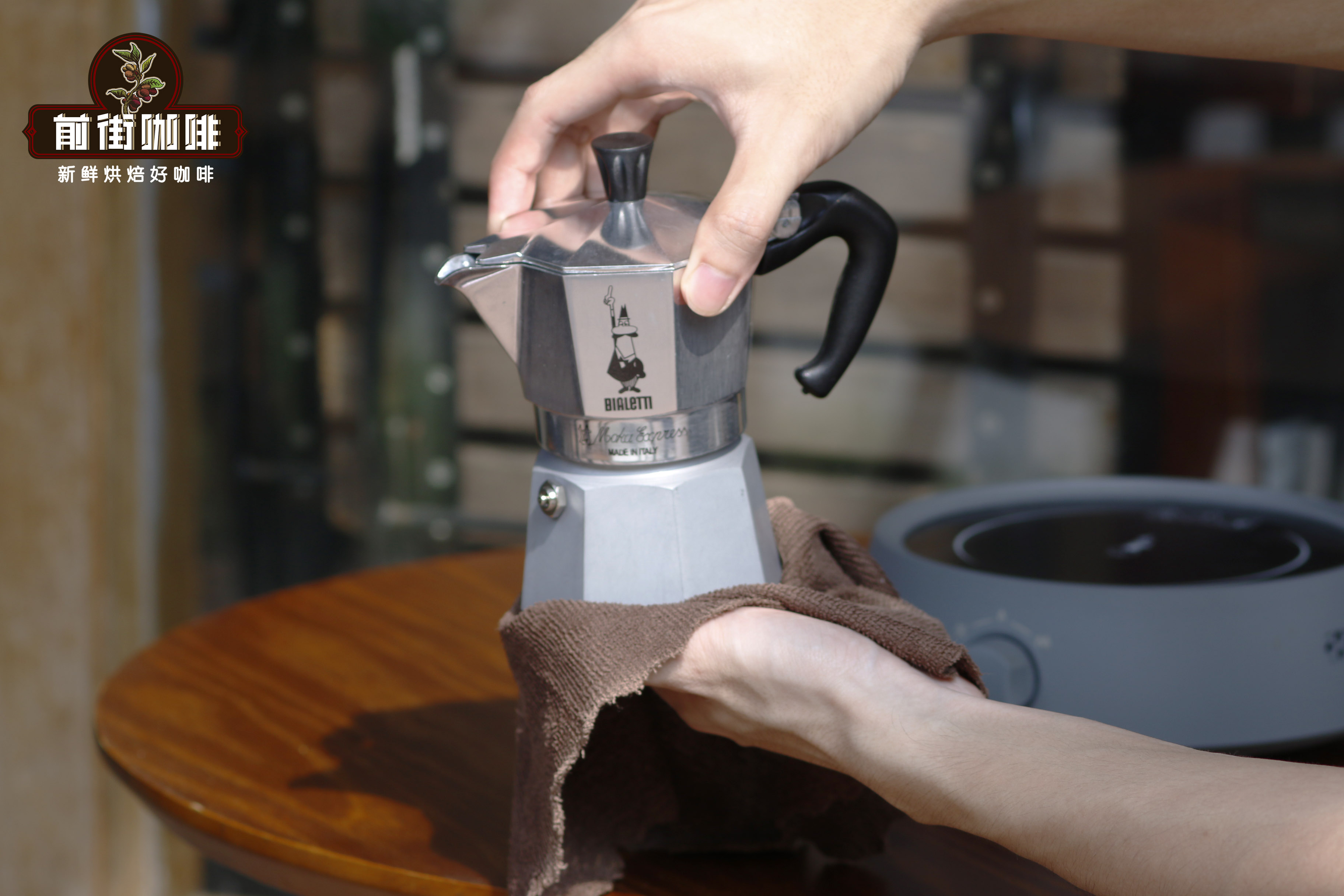
Extraction time is also an important factor influencing flavor. Generally speaking, once the moka pot is placed on the heat source and heated, you will begin to hear a distinct“hissing” or “gurgling” sound after about 3~4 minutes, indicating that pressure is building up and the coffee is about to rise into the upper chamber. At this point, reduce the heat to low and observe the flow of coffee into the upper chamber. Once about half of the coffee has flowed out, you can turn off the heat and let residual heat complete the final extraction.
In summary, although the moka pot has a simple structure, brewing balanced and richly flavored coffee requires mastering the right type of coffee beans, roast level, grind size, and extraction time. Suitable beans are usually medium-dark to dark roasts, featuring rich chocolate, nutty, or caramel notes. With the proper grind fineness and an extraction time of about 3–4 minutes, you can easily enjoy an espresso-like rich experience at home.


The above content is compiled by CoffeeHunters, a coffee news website.


