







Introduction:The moka pot is a common brewing tool in many coffee enthusiasts' homes, but there are still many details worth exploring when it comes to using it to brew a cup of espresso with ideal flavor. This article will guide you through the best way to use a moka pot, including recommended coffee bean types, suitable grind size, coffee-to-water ratio, the right time to turn off the heat, and common questions like whether to leave the lid open—helping you master the core techniques of the moka pot and elevate your home coffee experience.
In recent years, more and more coffee lovers have been using the moka pot at home to make espresso and enjoy its rich and bold aroma. However, for beginners or those who haven’t yet fully mastered the technique, operating a moka pot still involves quite a bit of know-how. By grasping a few key elements, you too can brew satisfying coffee with a moka pot. There's no need to stick rigidly to a fixed method—flexible adjustments can better showcase your personal taste.
Choosing the right coffee beans is the first key step
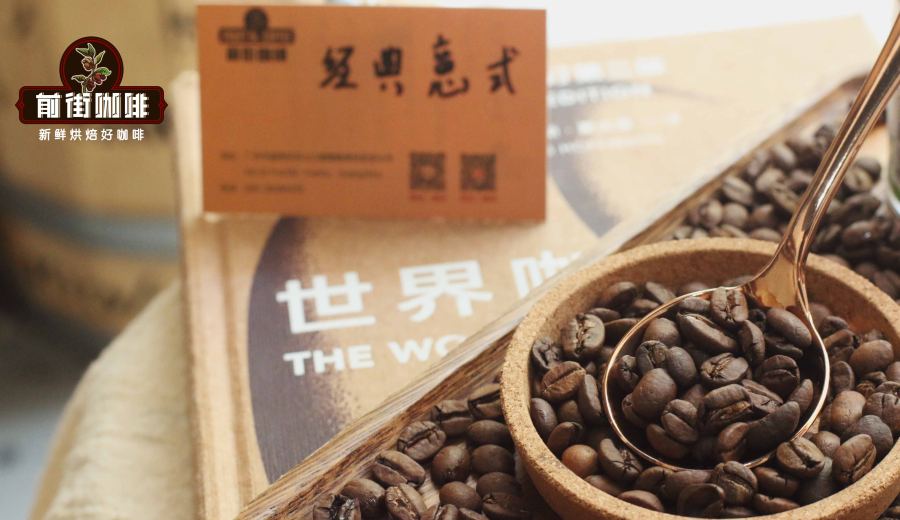
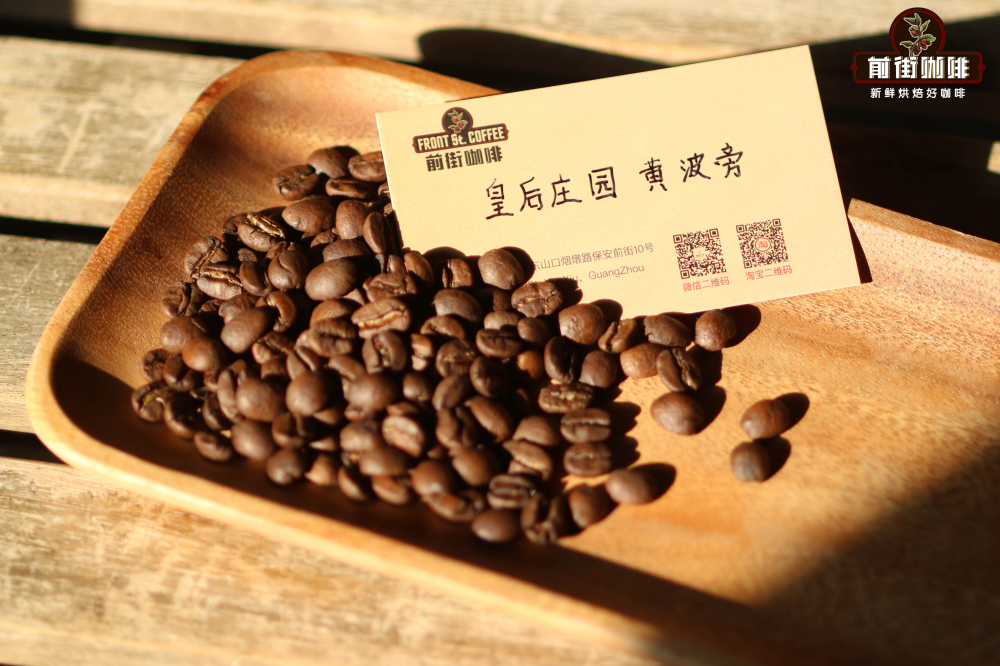
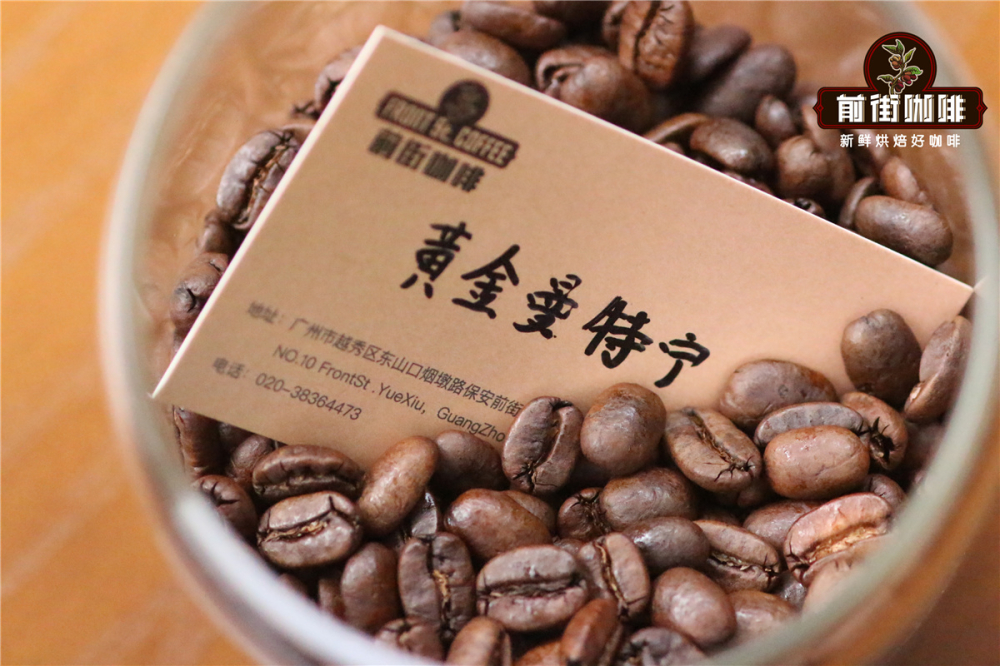
The flavor of coffee brewed with a moka pot is closely related to the type of coffee beans selected. It’s recommended to choosemedium to dark roasted beans, as beans that are roasted too lightly can produce pronounced acidity, which affects the overall taste. If you enjoy coffee that is bold with notes of chocolate, caramel, and nuts, you might consider trying some classic flavor beans. For example, a blend of Brazilian, Mandheling, and Vietnamese beans can deliver layers of dark chocolate, toasted bread, and caramel; if you prefer coffee with a noticeable sweetness, you can opt for medium-roasted Brazilian Yellow Bourbon, whose sugarcane-like sweetness is great for drinking straight or with milk; additionally, Indonesia’s Golden Mandheling is known for its full body and low defects, making it a must-try for coffee lovers who enjoy intense bitterness and aroma.
Grind size affects extraction efficiency and taste
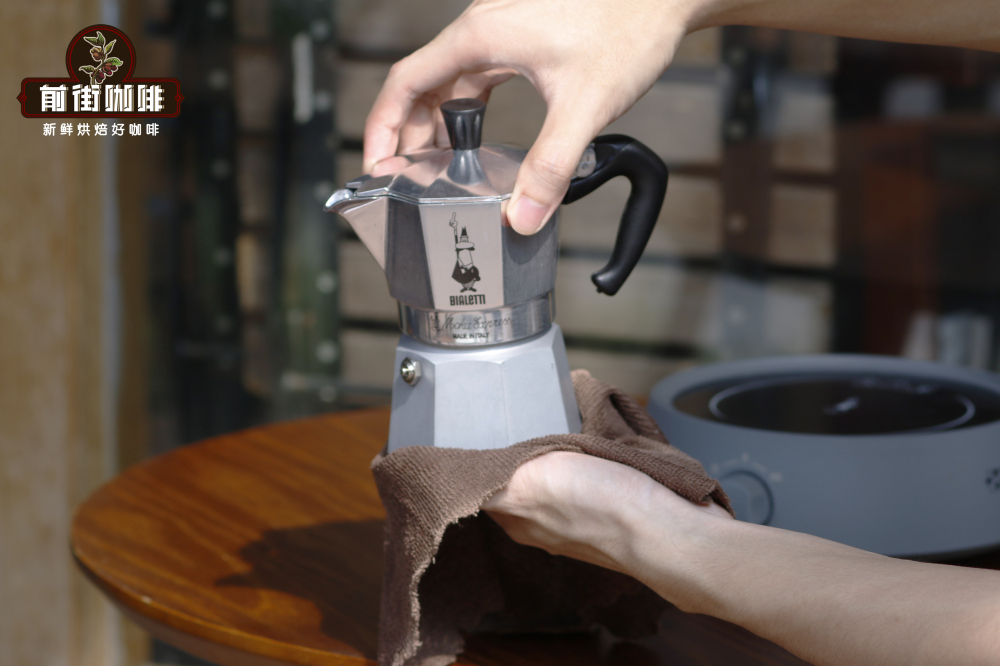
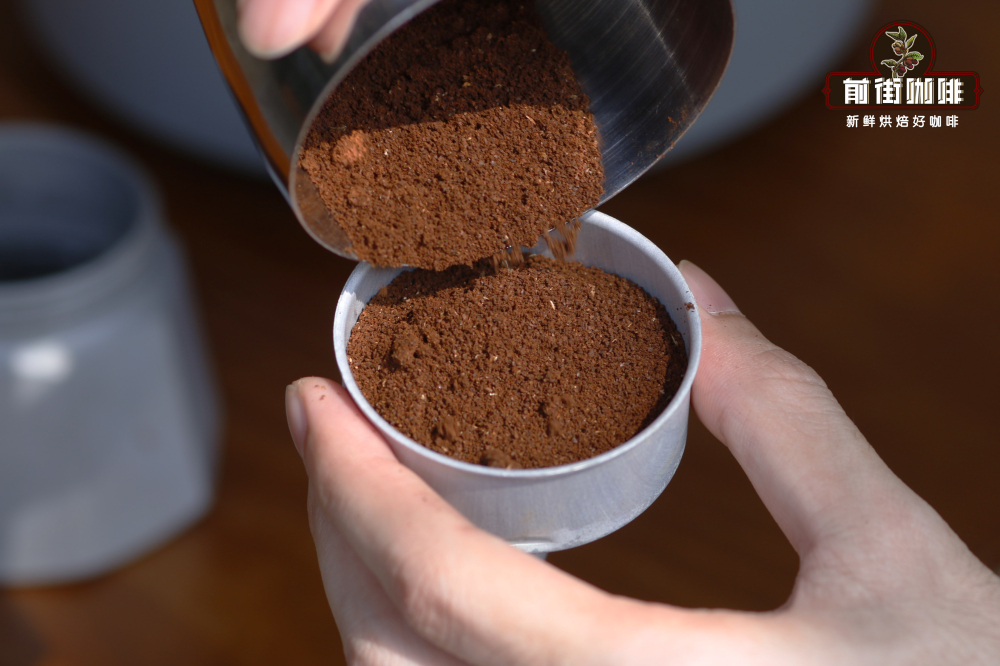
The moka pot has fairly specific requirements for thegrind sizeof coffee grounds. The ideal particle size is about 0.3 to 0.55 mm, which is similar to that used in espresso machines but usually slightly coarser. If ground too fine, water may not pass through the coffee bed, not only lengthening the extraction time but also easily resulting in burnt or bitter flavors; conversely, if ground too coarse, water will pass through too quickly, causing under-extraction, reducing richness, and possibly even leading to coffee spraying out from the safety valve—posing a scalding risk. In addition, the design of the moka pot’s top lid includes features to prevent burns and splashing, so be sure to install it properly when using.
Coffee-to-water ratio and filling technique
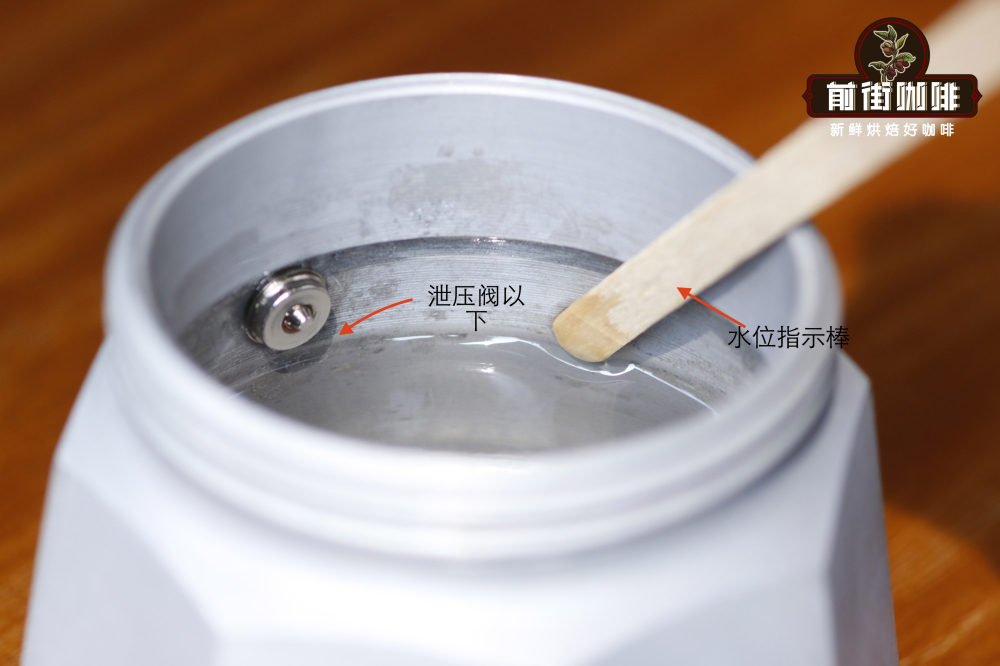
There is no absolute standard for the coffee-to-water ratio of a moka pot—the key is to adjust reasonably based on the capacity of the pot itself. The water level in the lower chamber should not exceedthe position of the safety valve, which is a safe and commonly used benchmark. The coffee grounds need to fill the basket and, without applying pressure, be smoothed out to ensure there are no obvious gaps or uneven areas. It’s worth mentioning that after the coffee grounds are added to the moka pot, they need to be lightly tamped—a step different from using an espresso machine. Moderate tamping helps stabilize the water flow and improve extraction efficiency.Without applying pressure, ensure the coffee bed is level and free of obvious gaps. It's worth noting that after filling the moka pot with coffee grounds, a light tamp is required, which differs from the operation of an espresso machine. Moderate tamping helps stabilize water flow and improves extraction efficiency.
Master the timing to turn off the heat to avoid over-extraction
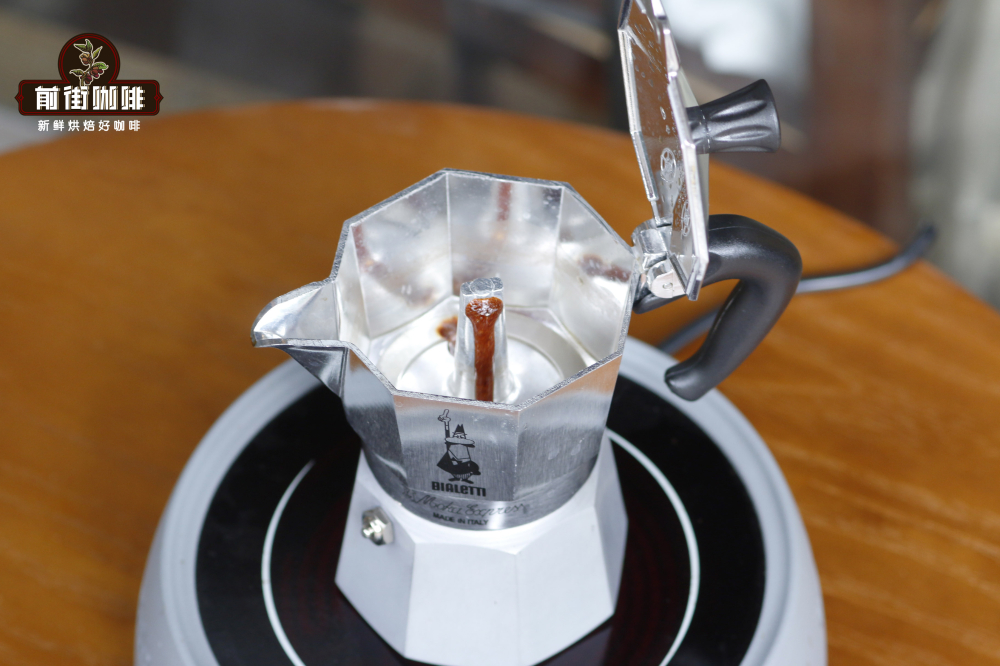
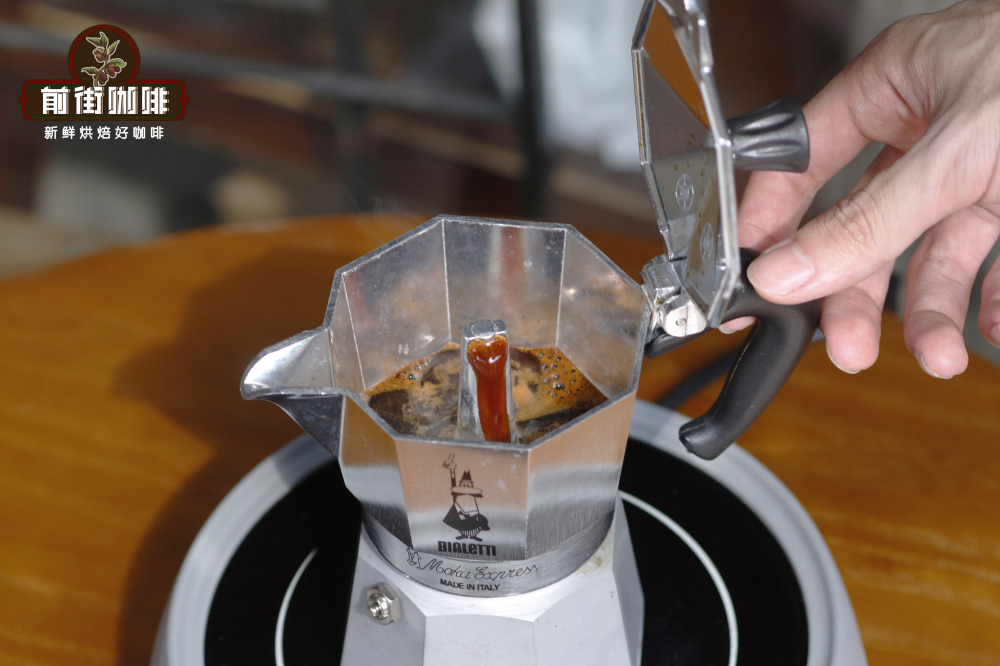
When starting to heat the moka pot, it’s recommended to usemedium heatto maintain a steady source of heat. When you hear a sound similar to “woo woo woo,” it indicates that pressure is gradually building up. At this point, you can open the lid to observe. Once you see the first drops of coffee liquid begin to flow out, that’s the best time to turn off the heat. If you continue using high heat, or wait until coffee flows out abundantly or even starts boiling before turning off the heat, the coffee is likely to develop burnt, bitter, and over-extracted flavors, compromising the overall flavor profile.
Do you need to open the lid when using a moka pot?
Some tutorial videos show the lid being opened, mainly to demonstrate the process of coffee shooting out from the upper chamber. But in actual operation,you generally don’t need to keep the lid open the whole time. If you’re concerned about the heat being too high or want to check the extraction status, you can briefly open the lid to observe the flow of coffee, but keeping it open for too long may cause the coffee to splash and increase the risk of burns. Therefore, unless there’s a specific need for observation, it’s recommended to keep the lid closed to ensure a more stable and safe brewing process.
The coffee brewed with a moka pot is rich and concentrated in flavor. You can adjust the way you drink it according to your personal preferences. If you prefer black coffee, you can drink it as is; or you can mix it with about 80°C hot water at a ratio of 1:4 to make an Americano with a refreshing flavor; if you’d like to enjoy a latte or latte-style coffee, simply pour in hot milk and stir well to enjoy a creamy and aromatic coffee beverage.
The above content is compiled by CoffeeHunters, a coffee news website.


