








Introduction:The moka pot, with its simple operation and rich extraction, has become the go-to tool for many coffee beginners looking to make espresso-style drinks at home. This article dives deep into why the moka pot is so popular, whether it can be used with fresh milk, and how to use it to make milk coffee with both crema and flavor — including lattes and americano — while also offering bean selection advice, grind size recommendations, and key extraction parameters to help you easily master moka pot milk coffee preparation.
Since its introduction in 1933, the moka pot has quickly gained popularity in Italian households due to its simple design and ability to quickly brew strong coffee, even becoming a symbol of hospitality. In local films such as "To Rome with Love," we can see classic scenes of coffee being made with a moka pot. This small copper or aluminum device is not only affordable but also capable of producing an espresso-like concentration similar to that of professional espresso machines in a home setting.
In recent years, the moka pot’s popularity has continued to rise globally, especially in regions with large Italian communities such as Australia and the United States. In Taiwan and mainland China, although it was not widely known in the early days, with the growing coffee culture and increasing online tutorial resources, more and more coffee enthusiasts are beginning to experiment with the moka pot and explore the possibilities of making various types of coffee drinks.

For users on a budget who still want to enjoy the flavor of espresso at home, the moka pot is a great choice. Compared to professional espresso machines that can cost several thousand or even tens of thousands of yuan, the moka pot usually only costs a few hundred, yet can deliver about 70% of the espresso experience. Moreover, as long as you choose the right coffee beans and master the correct technique, the base coffee extracted with a moka pot is also suitable for making classic milk coffees such as lattes and cappuccinos.

Many users wonder, "Can the moka pot use fresh milk?" The answer is yes. However, since the moka pot is only responsible for extracting the coffee, the milk still needs to be heated and frothed separately. It is recommended to use a milk frother or the double-boiler heating method to handle fresh milk for the best taste and temperature control. At the same time, the coffee produced by the moka pot, with its certain level of oils and concentration, makes it an excellent base for milk coffees like lattes.
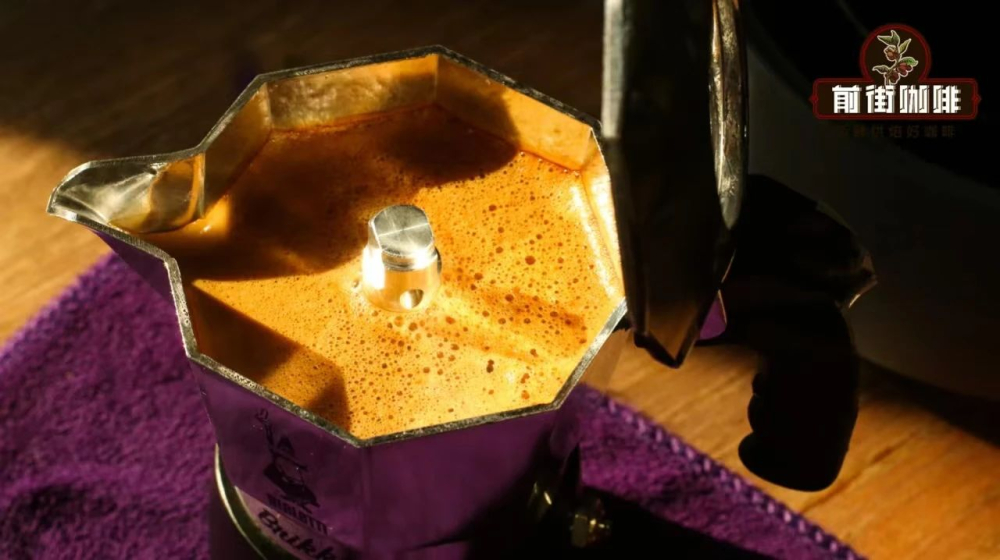
If you want to make a milk coffee with a moka pot, you need to start with bean selection.The roast level of the coffee beans directly affects flavor expression and extraction results.. If you prefer a strong, rich, and oily coffee, medium-dark to dark roast beans are the top choice, such as classic Italian blends, Mandheling, Brazilian Cerrado, or Huila — these bean varieties often bring out rich chocolate, nut, and caramel notes, and are more likely to produce crema (coffee oils).
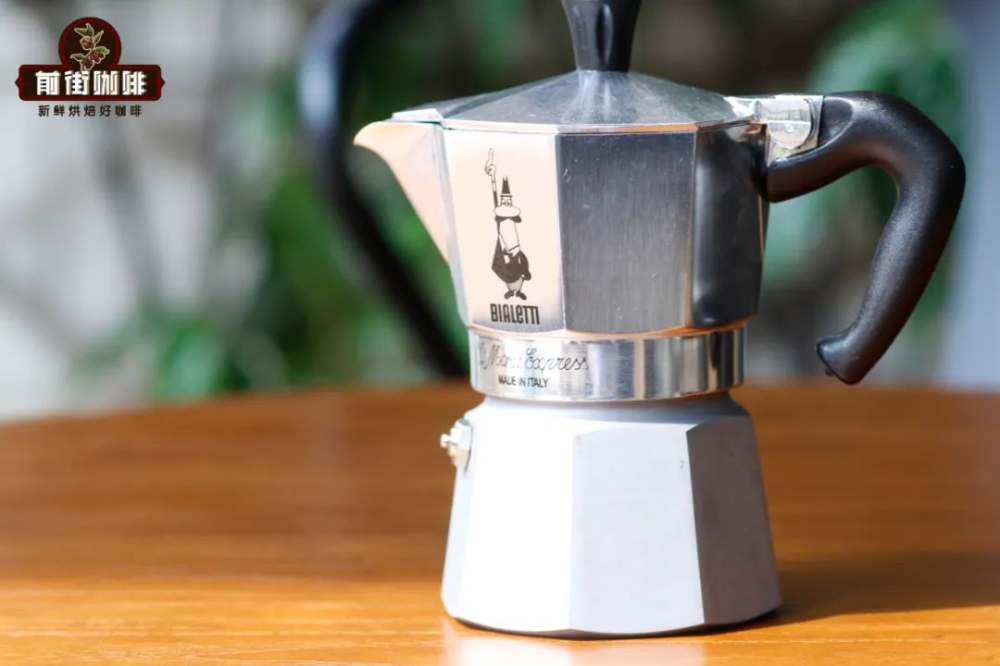
On the other hand, if you prefer a brighter, fruit-acidic, and floral-tasting coffee, medium-light roasted beans such as Huakui, Kafa Forest, or Little Tomato are better options. These types of beans typically have vibrant lemon acidity, citrus notes, and floral characteristics, making them suitable for making black moka pot americano or lightly milked coffee with a small amount of milk.
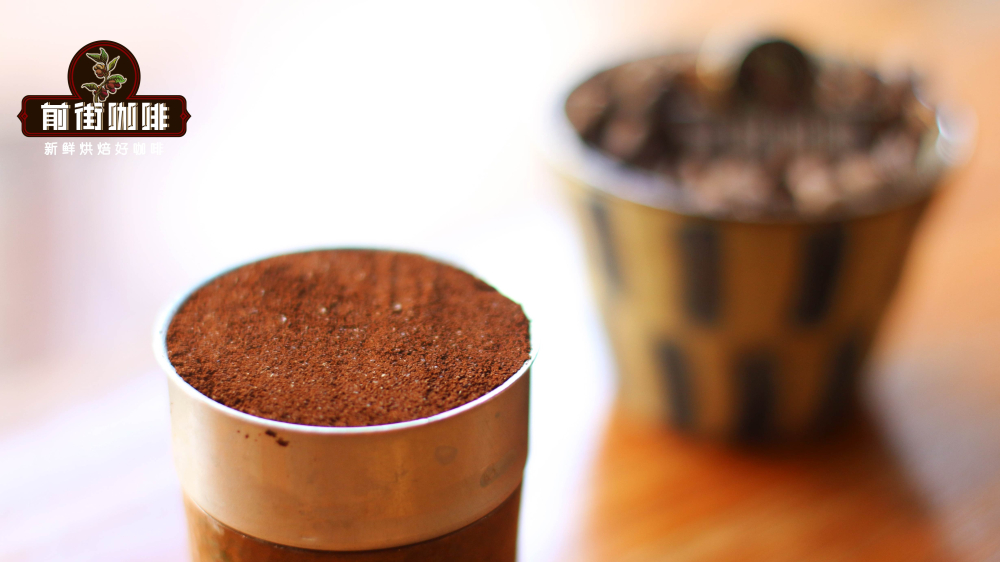
In addition, selecting the appropriategrind sizeis also crucial. The grind size needed for a moka pot falls between pour over and espresso — it should be slightly finer than typical pour over coffee but not too fine, as overly fine grinds can cause excessive pressure leading to spraying or over-extraction. The ideal grind size should create moderate resistance as water passes through, forming stable extraction pressure, which helps bring out coffee oils and full flavor.

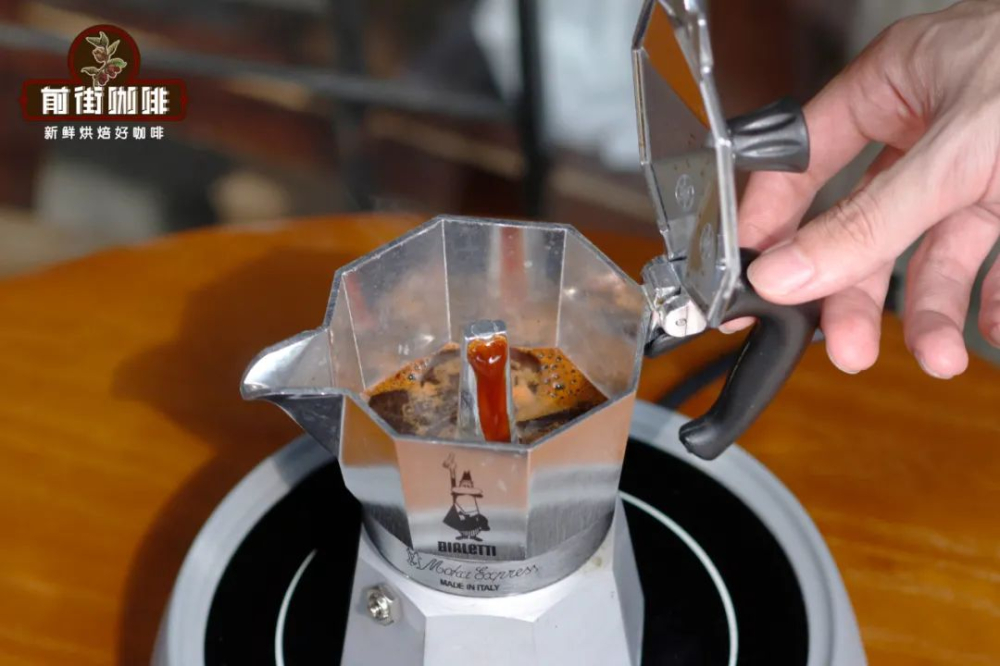
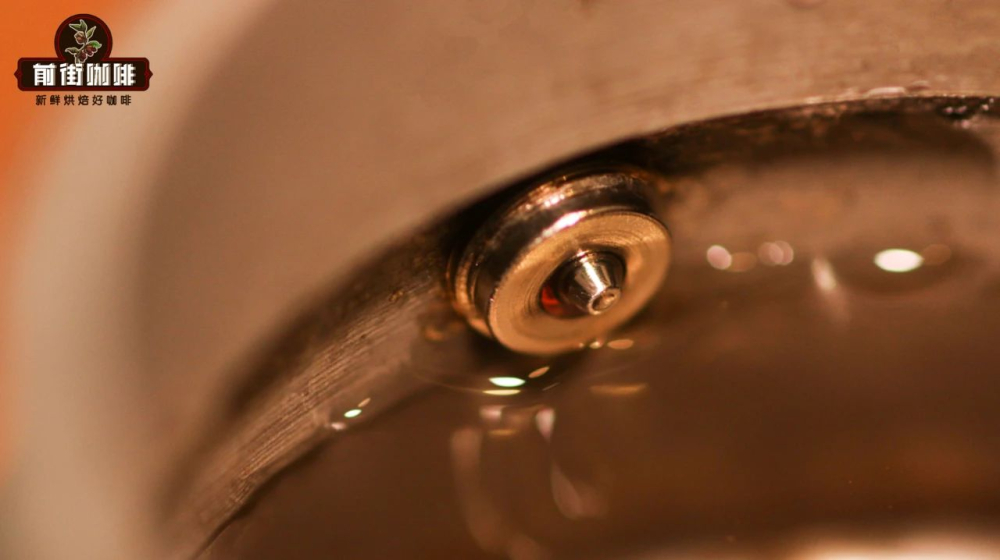
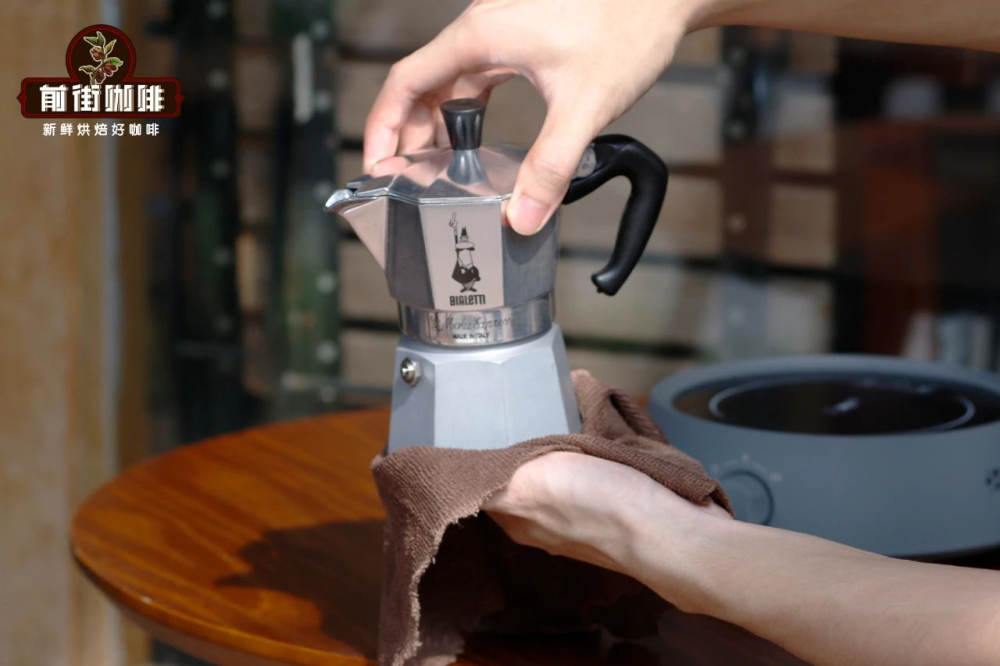
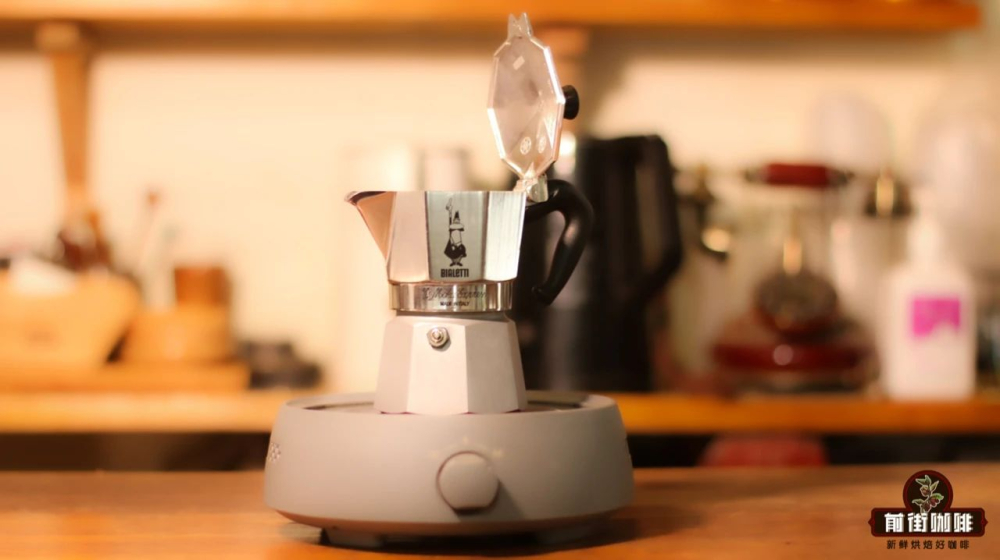
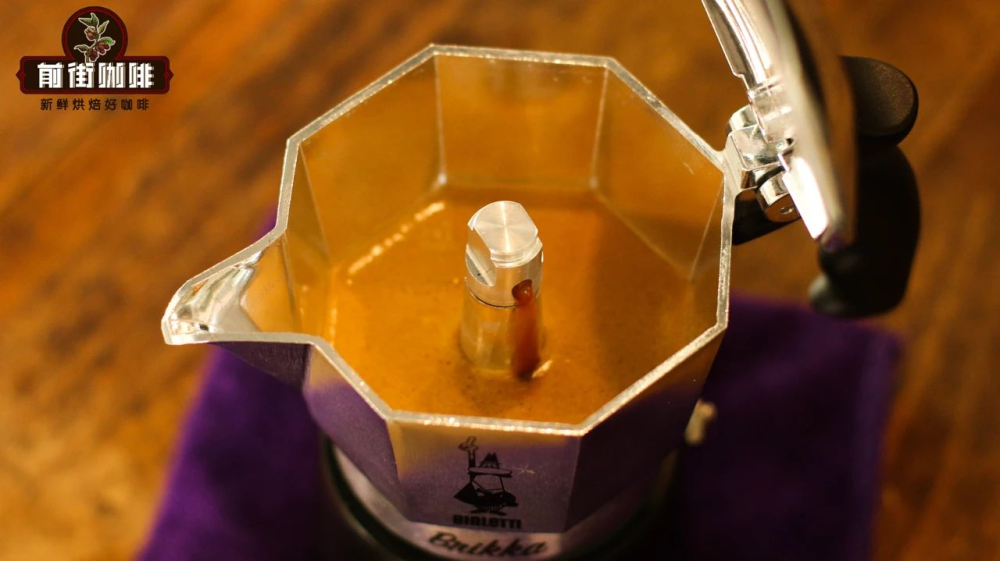
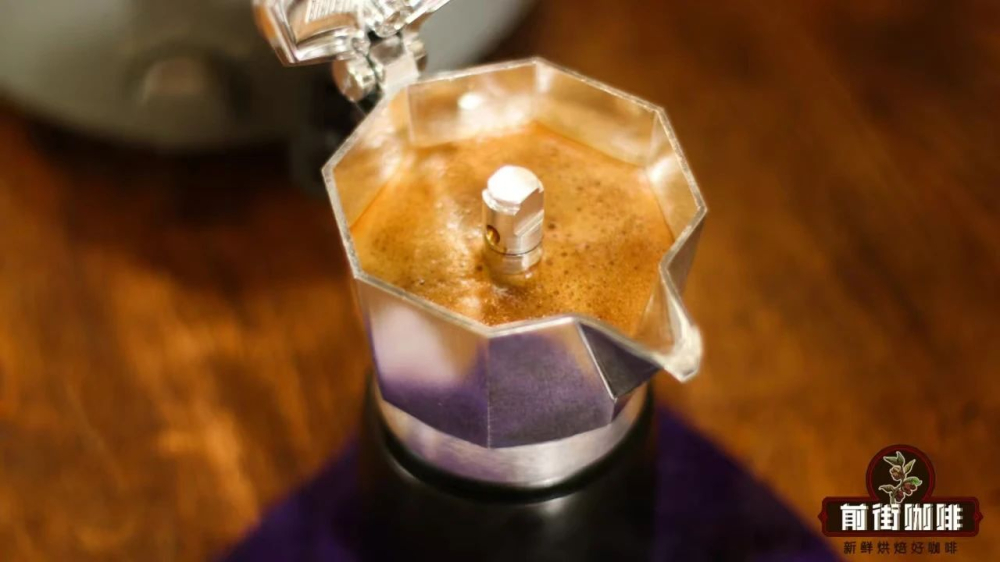
In practice, it is recommended to follow these steps for moka pot extraction: First, pour cold water into the lower chamber, keeping the water level about 0.5 cm below the safety valve; next, fill the coffee chamber with medium-fine ground coffee, gently level it and lightly tamp, but avoid over-tamping which can impede water flow; reassemble the coffee chamber onto the lower chamber, then heat it over high flame while keeping the lid open to observe the extraction.

When you hear a distinct “wuu wuu” sound, it indicates that the proper pressure has been reached inside the pot. At this point, reduce the flame to low and wait for the coffee liquid to slowly rise into the upper chamber. Once about half of the coffee has flowed out, you can turn off the heat and let the residual heat finish the final stage of extraction. This way, you’ll get a rich and layered moka pot coffee, perfect for direct drinking or for further use in making americano and latte-style milk coffees.

To make a latte, mix the extracted espresso with fresh milk in a ratio of 1:3 to 1:5. It’s recommended to use a 300 ml cup filled with an appropriate amount of ice cubes and fresh milk, then pour hot coffee over it and stir gently. For a hot latte, mix hot milk with coffee in a similar ratio to enjoy a well-balanced moka pot latte. Remember, the fresh milk temperature should not exceed 65°C to avoid damaging the milk foam structure and flavor.




The above content is compiled by CoffeeHunters, a coffee news website.


