







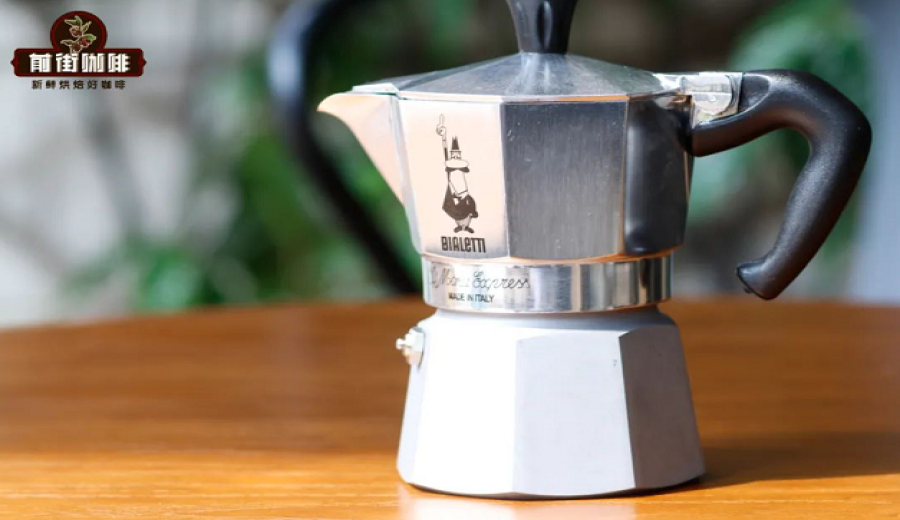
Introduction:Want to brew rich, crema-covered espresso-style coffee at home using a moka pot? The key lies in the correct coffee grind size. This article dives deep into how a moka pot works and details the ideal fineness range for coffee grounds, teaching you how to improve extraction quality—through grind adjustment, bean selection, and technique—to brew café-quality coffee at home.
Many people are used to the bold coffee from commercial machines, but when trying to replicate that flavor at home, the moka pot is often their go-to. However, just having the tool isn’t enough—the right coffee grind size is crucial for optimal extraction. How do you adjust the moka pot’s coffee grind for a well-balanced, full-bodied cup?
To master the moka pot, it’s important to first understand its history and basic working principle. As early as the 1920s, Italian designer Alfonso Bialetti drew inspiration from washing machine designs to create a device that used steam pressure to push water through a bed of coffee grounds. By the 1930s, he had successfully developed the world’s first moka pot, whose ingenious design combined pressure and heat to extract intense flavors in a short time.
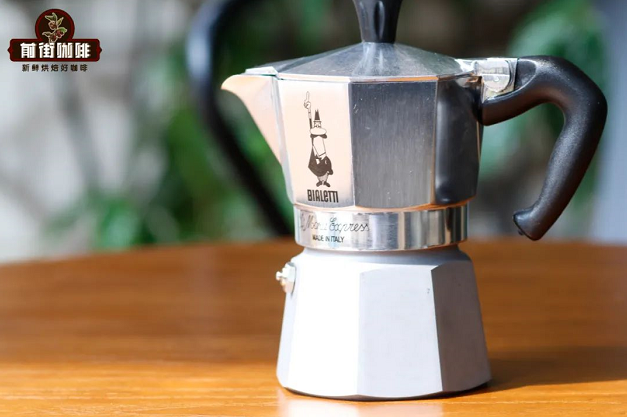
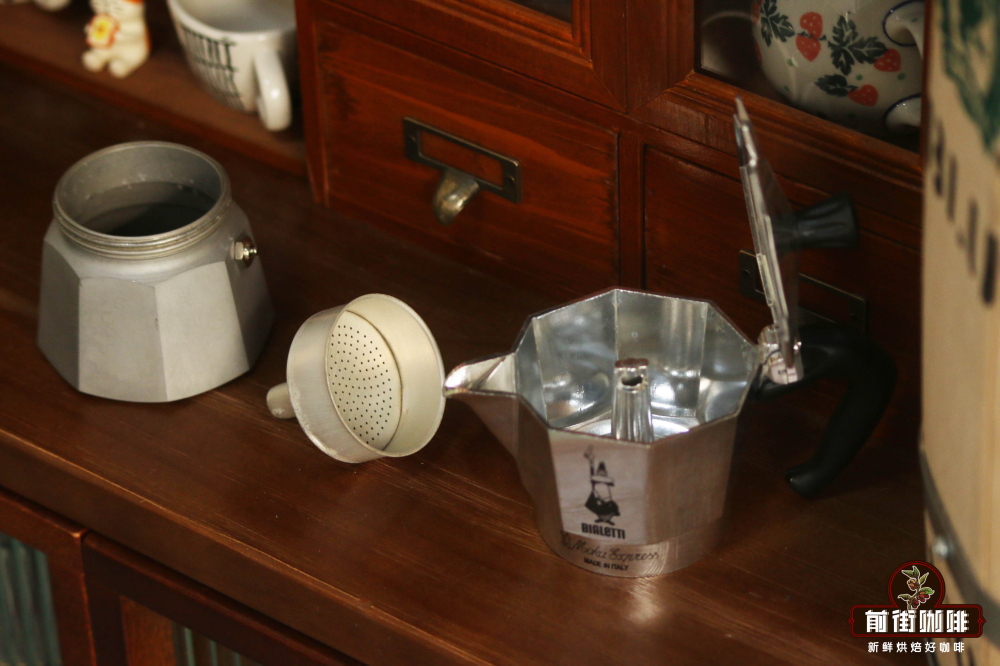
The basic structure of a moka pot consists of a lower chamber, a filter basket, and an upper chamber. During use, add hot water to the lower chamber, place coffee grounds in the middle filter basket, assemble the pot, and then heat it on a stove. As the water heats up, steam pressure forces the water upward through the compacted coffee grounds, eventually pushing the brewed coffee into the upper chamber to form a fragrant cup.
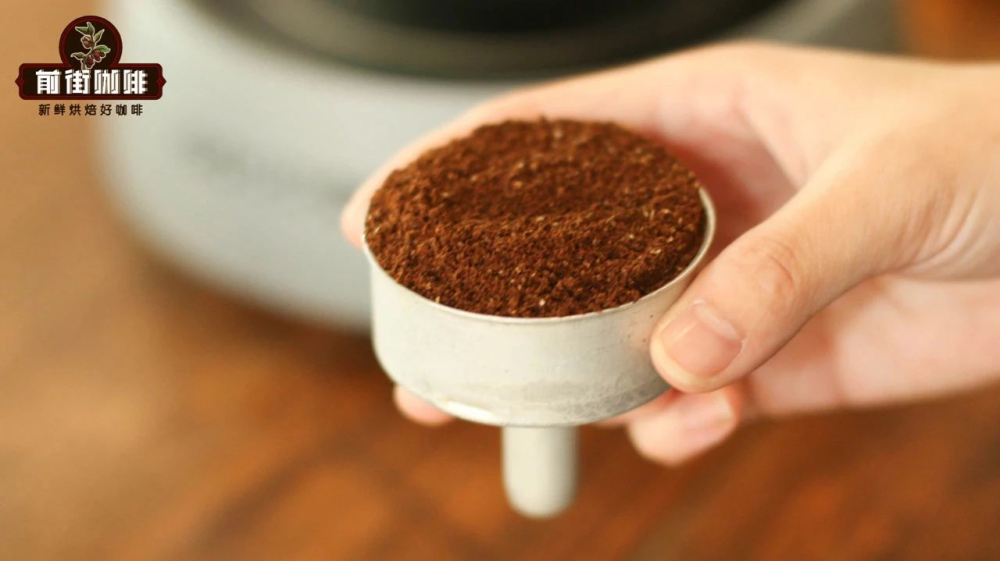
The correct coffee grind size is one of the most important factors affecting the extraction performance of a moka pot. Generally, a fine grind is recommended, though slightly coarser than what’s used in professional espresso machines. The ideal grind size ranges from about 0.3 to 0.55 millimeters—roughly between the texture of superfine sugar and table salt. This grind size increases the contact surface between water and coffee grounds, helping to improve extraction efficiency and flavor intensity.
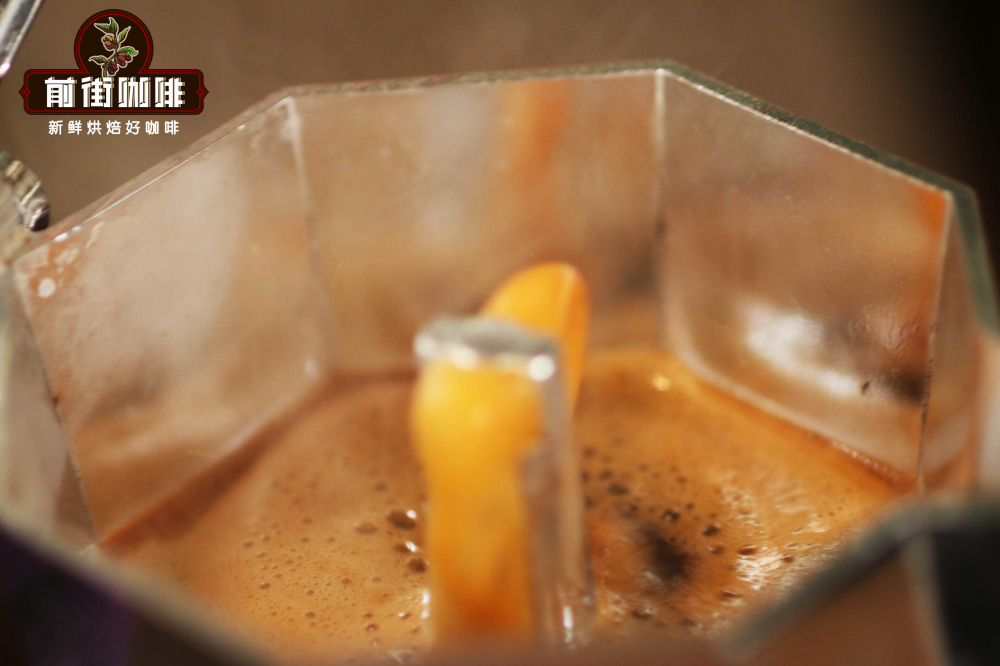
If you notice the coffee gushing out like a fountain, it likely means the grind is too coarse, allowing water to pass through too quickly and resulting in under-extraction. Conversely, if you only hear hissing sounds with no coffee coming out after heating, the grind may be too fine, creating excessive resistance or even dangerous high pressure. In such cases, immediately turn off the heat and carefully move the moka pot away from the heat source to ensure safety.
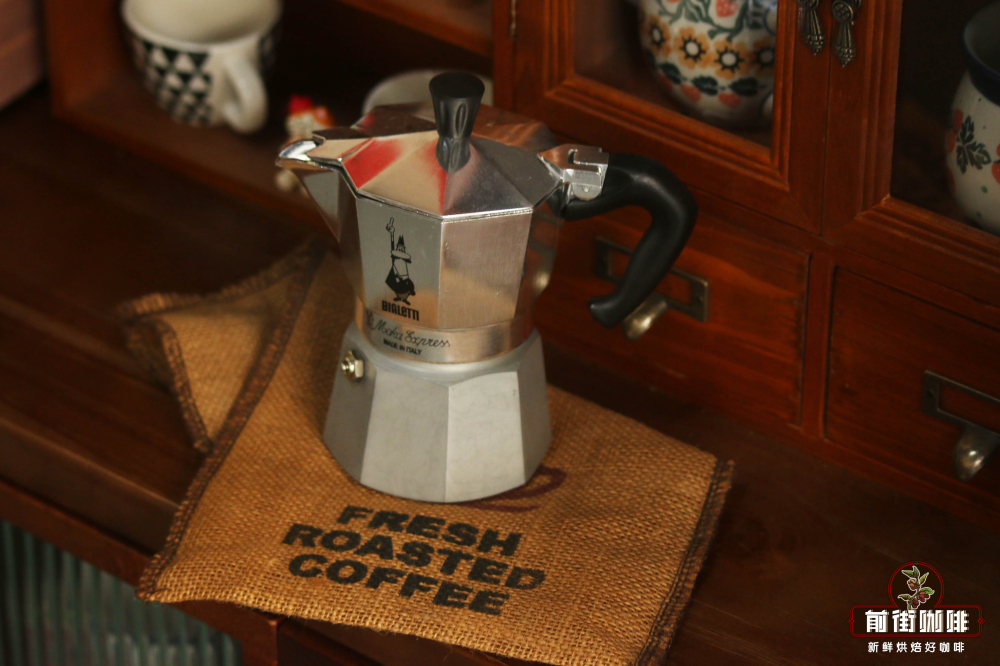
The bottom of the moka pot is equipped with a safety valve, primarily designed to prevent explosions caused by excessive internal pressure. Be aware that if the water level goes above the safety valve, its function will be disabled, significantly increasing the risk of danger. Therefore, always fill the water to about 0.5 cm below the valve.
To further enhance coffee flavor, consider the bean variety and roast level. Choosing medium to dark or dark roasted beans can bring out richer aromas and crema-like textures—for example, popular Italian blends or specialty blends with notes of vanilla, caramel, and wine. Additionally, the freshness of the coffee beans is extremely important. It's recommended to use beans that are 4 to 7 days post-roast and have completed their degassing period for the best flavor.



In summary, to brew a rich, espresso-like coffee using a moka pot, the key is to maintain the coffee grind size between 0.3 and 0.55 mm—fine but not overly so. Pair this with the right bean type and proper roast freshness, while paying attention to correct water levels and safe heating practices, and you’ll be able to enjoy a thick, creamy, and full-bodied cup of coffee at home with ease.

The above content is compiled by CoffeeHunters, a coffee news website.


