








Introduction:Cold brew coffee, with its refreshing low acidity, sweet smoothness, and silky mouthfeel, has become the top choice for coffee lovers in the summer. But did you know that not all coffee beans are suitable for making cold brew? This article will delve into the unique flavor characteristics of cold brew, common extraction issues, and recommend several medium to light roasted coffee beans that are ideal for cold brewing. It also provides detailed suggestions on grind size, coffee-to-water ratio, and steeping time to help you easily master everything from bean selection to brewing, so you can enjoy a high-quality cup of cold brew.
Among the many coffee brewing methods, cold brew is relatively simple and requires no complicated techniques, making it very suitable for coffee beginners to try. This method, which involves steeping coffee grounds in cold water for an extended period, not only reduces bitterness and off-flavors but also fully highlights the inherent sweetness and fruit acidity of the coffee, delivering a smoother and more layered taste experience.
However, to brew a satisfying cup of cold brew, besides mastering the basics of time and ratio, selecting the right coffee beans is key. Many coffee enthusiasts have wondered: can espresso coffee beans also be used to make cold brew? The answer is yes, but special adjustments to grind size and extraction parameters are needed; otherwise, it can easily result in over-extracted bitter flavors.

The most captivating aspect of cold brew coffee lies in its "clean" flavor profile. Because it uses low-temperature water for extraction, it not only suppresses the release of tannins and undesirable impurities but also preserves fruity, floral, and sugary notes, resulting in a beverage that feels rounded, full-bodied, and smooth. Whether consumed straight or with milk, it showcases different layers of complexity.
However, cold brew also has its limitations. The most obvious is the longer required brewing time — typically, coffee grounds and cold water need to be refrigerated together for about 8 to 12 hours. It is recommended to complete the preparation before going to bed at night so you can enjoy a refreshing cup of cold brew in the morning. Additionally, if the wrong beans are chosen, cold brew can easily develop off-flavors reminiscent of herbal tea, so selecting beans with the right flavor profile is crucial.
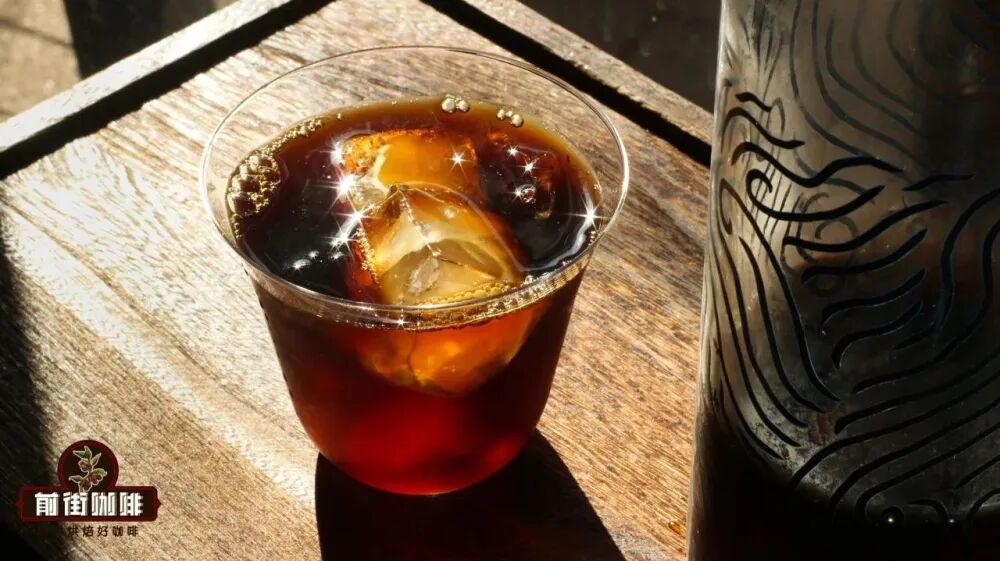
If you plan to make cold brew at home, it is recommended to prioritize medium to light roasted or medium roasted coffee beans. These beans usually exhibit pronounced fruit acidity, floral and fruity aromas, and moderate sweetness, which can showcase a refreshing juice-like flavor under low-temperature extraction. Compared to dark roasted beans, they are less likely to produce heavy bitterness. While dark roasted beans are rich and bold, without the aid of high temperatures, they can easily bring out overly dull charred bitterness and woody tones.
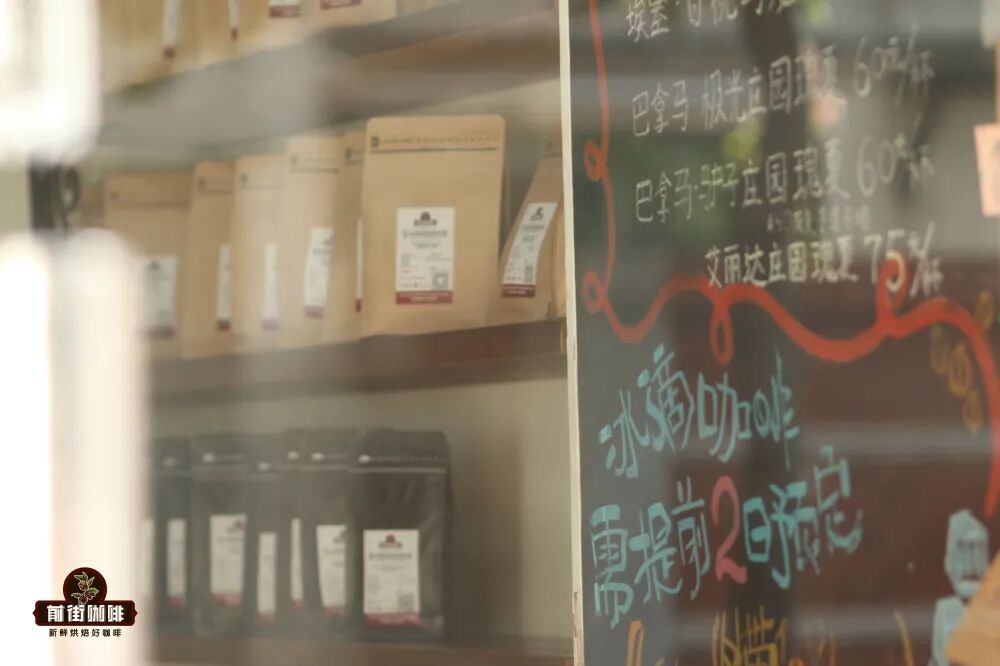
For example, Ethiopian Natural Alo Village coffee beans are known for their light floral notes, juicy berry acidity and sweetness, along with moderate fermentation aromas and a soft black tea-like finish; Panama Geisha (also known as "花蝴蝶") showcases bright citrus notes, fresh white floral tones, and honey-like sweetness, with a green tea-like refreshing aftertaste; and Honduran Sherry coffee beans combine whiskey-like aromas, vanilla, and a creamy smooth texture, along with enticing nutty and caramel undertones. All are highly popular choices for cold brew.

In actual preparation, it is recommended to use a coffee-to-water ratio of 1:10 to 1:12 — for instance, 30 grams of coffee grounds to 300 grams of cold water. As for grind size, it is advised to adjust it to roughly the coarseness of fine sugar (about 75% passing through a Chinese No. 20 sieve), which effectively controls the extraction rate and avoids excessive release of unwanted substances. If you don’t have a grinder at home, it’s recommended to specify "cold brew grind" when purchasing. Please note that ground coffee loses aroma more quickly, so grinding fresh right before brewing is the best option if possible.
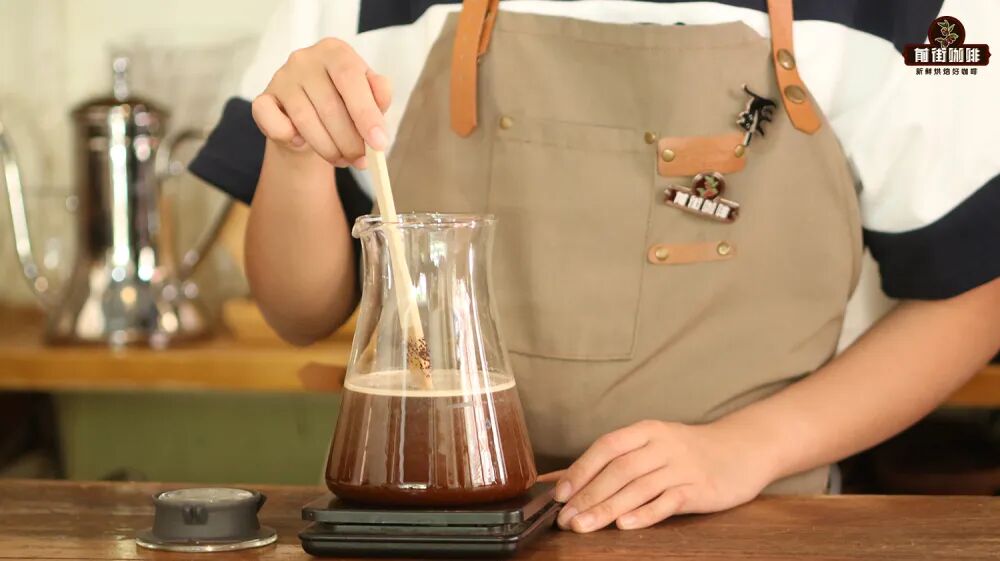
For the brewing process, simply pour the coffee grounds and cold water into a clean, sealable container, gently stir to ensure even contact, then seal and refrigerate for at least 8 hours. For optimal flavor, it’s suggested to steep for 10 to 12 hours. After extraction, use a cloth filter, paper filter, or sieve to filter out the coffee grounds, and transfer the brewed coffee liquid into another clean container. It can be stored in the refrigerator for about 5 days, but for the best flavor, it is recommended to consume it while fresh.
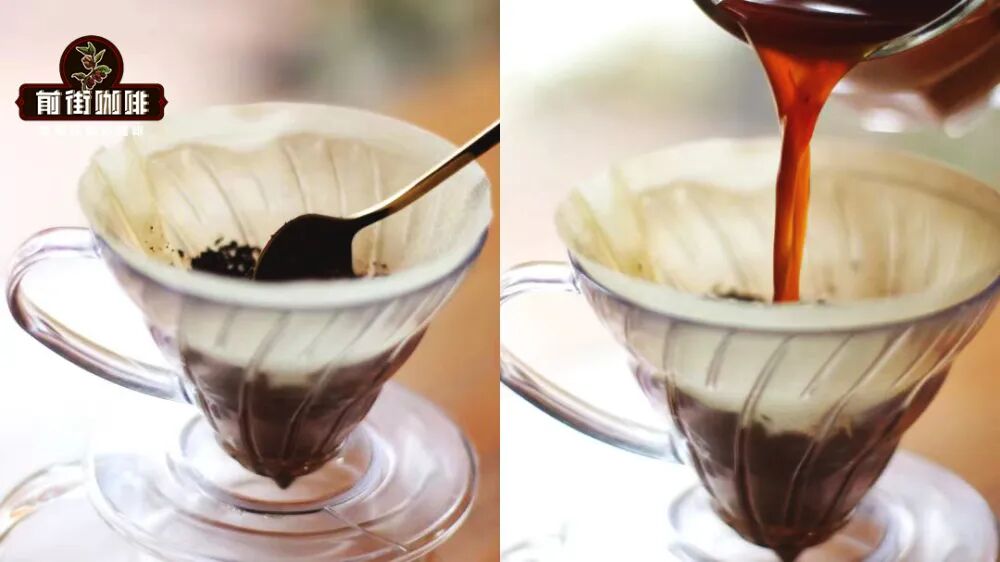
Returning to the original reader question: are espresso coffee beans suitable for making cold brew? The answer is conditionally yes, but special attention must be paid to parameter adjustments. Since espresso beans are typically ground very fine — similar to flour or powdered sugar — using them directly with the long steeping time of cold brew will lead to over-extraction, resulting in a coffee liquid that is overly intense, bitter, and even powdery in texture.
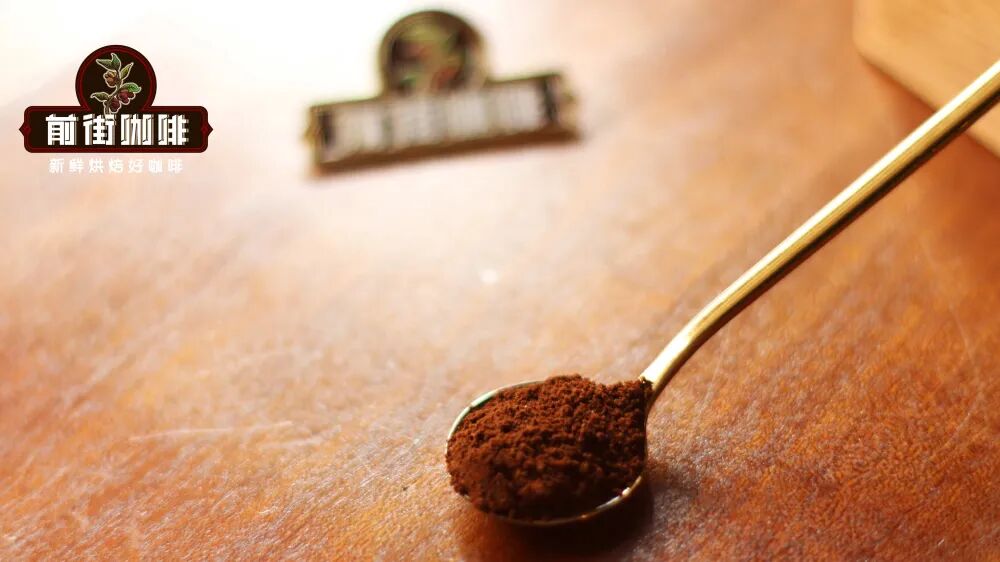
To demonstrate, we used a medium roasted Papua New Guinea Paradise Bird bean, which, when brewed via pour over, exhibits creamy, nutty, and sugarcane sweetness, and is suitable for various brewing methods. For this test, we simulated a typical espresso grind setting by using the commonly used Galileo Q18 grinder in our shop, adjusting the setting to 2.5 (equivalent to espresso grind fineness), yielding coffee grounds as fine as powdered sugar, with a noticeably delicate texture.
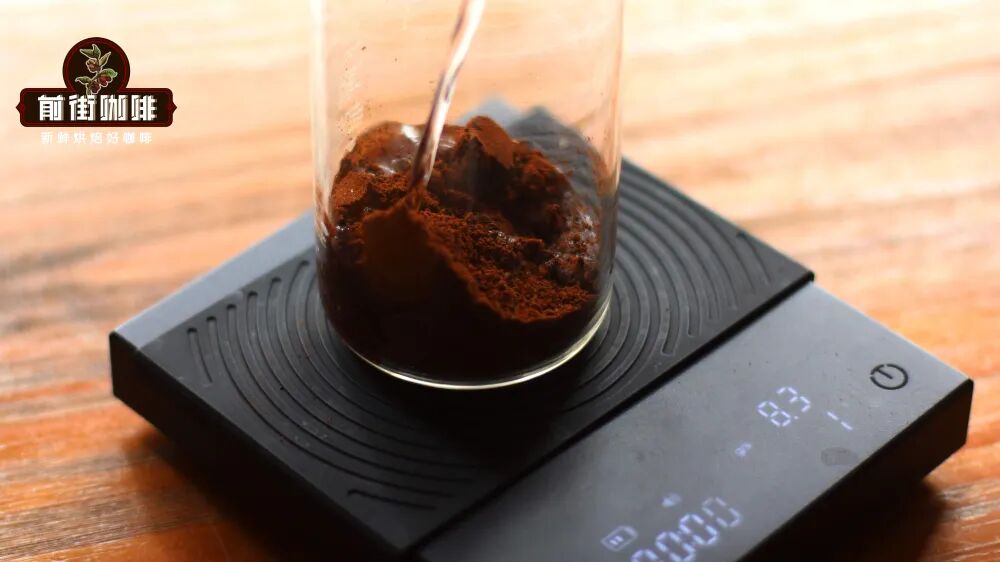
Given that the grind size was fixed, to avoid over-extraction, we adjusted the coffee-to-water ratio and steeping time: using 50 grams of coffee grounds with 650 grams of cold water, achieving a 1:13 ratio, and shortening the steeping time to 3 hours, followed by an additional 2 hours of refrigeration. This setup effectively lowers the overall concentration, resulting in a more refreshing and balanced flavor.
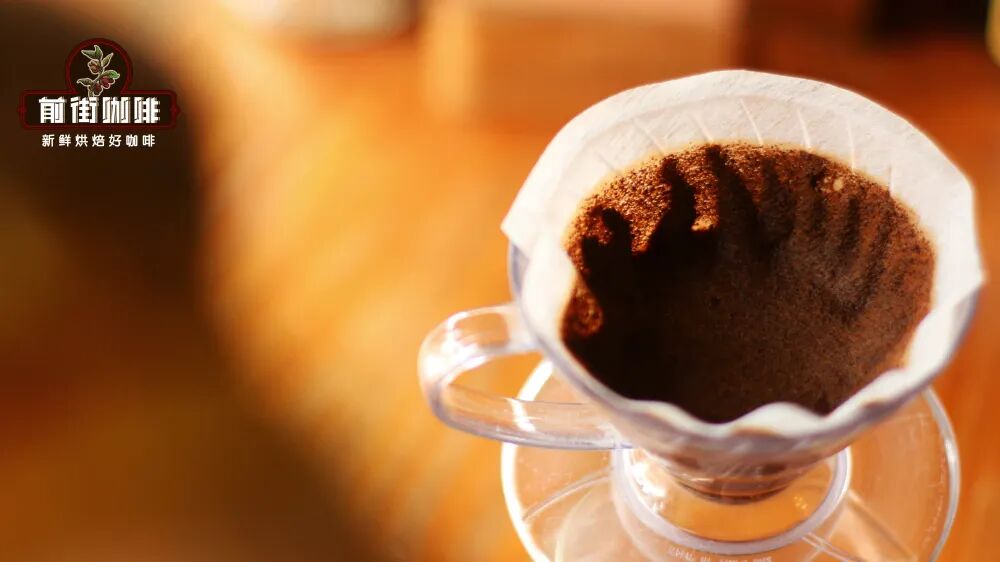
Because fine particles can produce more suspended solids, the filtered coffee liquid may initially have a slight powdery sensation upon tasting. It is recommended to refrigerate it again for a few hours to allow impurities to naturally settle, which helps improve the purity of the mouthfeel. In addition, if the espresso beans you use are darker roasted, the flavor may tend to be heavier, with pronounced caramel notes and a certain degree of bitterness. In such cases, consider adding a few ice cubes when drinking to mellow the intense flavors and enhance overall refreshment.
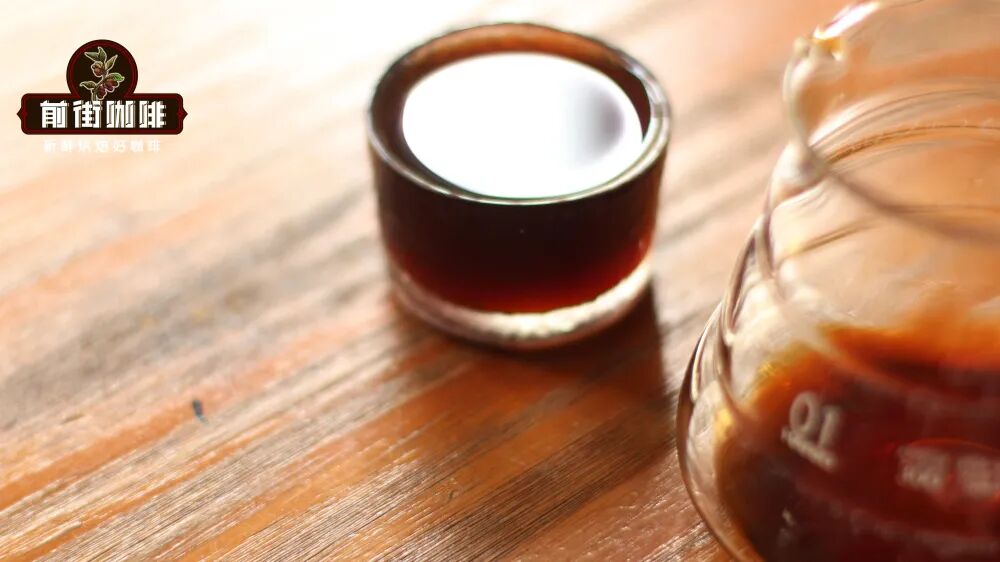
Taking the Paradise Bird beans as an example, the resulting cold brew, after the aforementioned adjustments and with the help of ice cubes, exhibits subtle flavors of spices, almonds, and caramel, along with a hint of refreshing oolong tea-like aftertaste. With low acidity and a silky mouthfeel, it is very suitable for a pick-me-up on a hot afternoon.

In summary, if the espresso coffee beans you have are darker roasted, the resulting cold brew flavor may be more intense. You might consider pairing it with other beverages or ingredients to adjust the flavor. You can also refer to the extended reading: “Taking a Different Path: Hidden Ways to Enjoy Cold Brew,” to explore more creative ways to drink cold brew, making each cup a unique flavor experience.
The above content is compiled by CoffeeHunters, a coffee news website.


