







Introduction:When people want to add unique flavors to their coffee, many consider directly mixing ingredients during the brewing process, thinking it will create a more natural flavor integration. However, for espresso, this approach not only fails to achieve the desired effect but can also lead to uneven extraction, imbalanced flavors, and even added cleaning hassles. This article will delve into the underlying principles, especially how "channeling" affects extraction quality, and offer more reasonable suggestions for flavoring.
If we want our coffee to have a certain special aroma or flavor, we usually do so by adding additional ingredients such as flowers, sugars, or spices, allowing these elements to blend with the coffee. For example, to bring out floral notes, some may choose to steep dried flower petals in the coffee; to enhance sweetness, they might add granulated sugar or flavored syrups. While such methods are common, they often involve longer processing times and extra steps.
So, some coffee enthusiasts came up with a clever idea: why not put these ingredients directly into the coffee puck along with the coffee grounds during the actual extraction in the machine? In theory, this would not only save on prep work but also allow the ingredients and coffee compounds to release simultaneously as hot water passes through, potentially resulting in a more naturally integrated flavor. Sounds like a smart shortcut, right?

However, this seemingly convenient method is actually not recommended for espresso—especially based on practical testing and professional experience, which show that doing so often leads to uneven extraction, subpar flavor performance, and can even introduce a series of operational and cleaning challenges.
Why is it not advisable to add other ingredients during espresso extraction? To understand this, we first need to look at the espresso extraction environment. Based on past tests and observations—for instance, as mentioned in the article “Does Coffee Made with 0.5g More Coffee Grounds Taste Different?”—home or commercial espresso machines typically apply about 9 bars of pressure during extraction. This pressure acts on a coffee puck with a diameter of 58 mm, equivalent to roughly 240 kilograms of force—close to the weight of three adults pressing down on the puck.
Such high pressure indeed allows for the extraction of a large amount of coffee compounds in a short time, but it also makes the entire extraction process highly sensitive and difficult to control. Just a few seconds’ adjustment in extraction time or a slight change in the amount of coffee grounds can lead to noticeable differences in the final flavor and concentration.
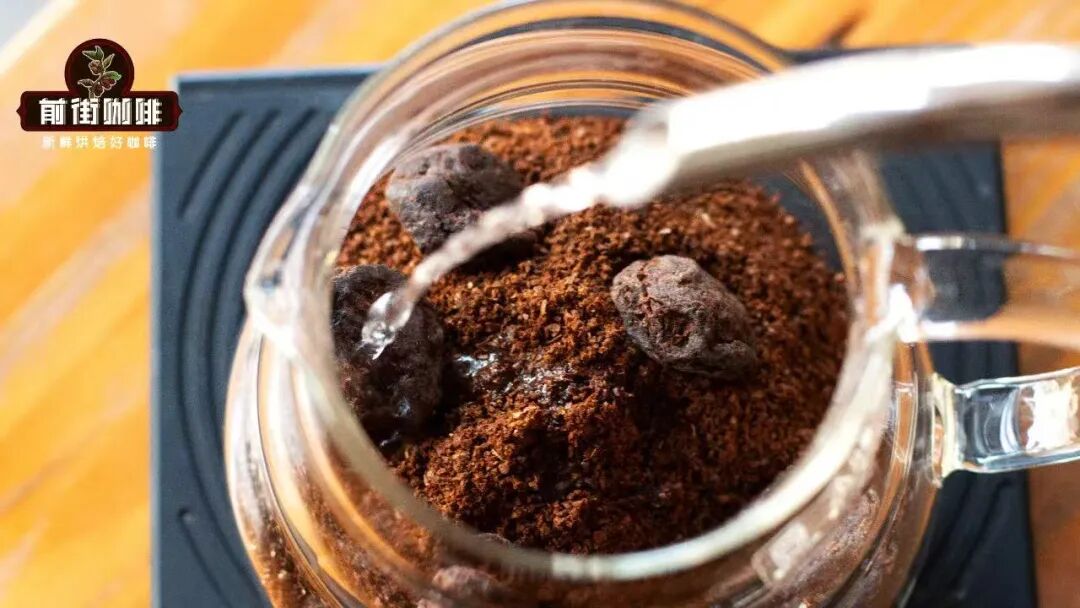
Additionally, the high-pressure environment can easily trigger what’s known as “bypass extraction,” where the water tends to find paths of least resistance through the puck rather than evenly penetrating the entire coffee bed. This phenomenon is particularly evident in espresso making because water, being inert, naturally flows toward areas of least resistance.
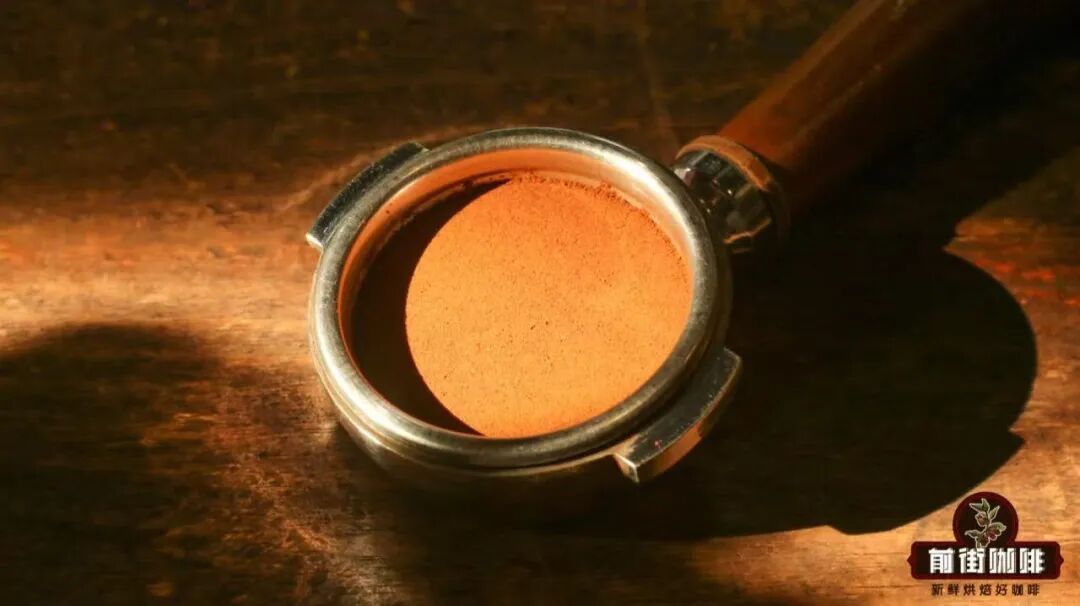
To minimize bypass effects, baristas usually perform careful distribution and leveling of the coffee grounds to ensure an even and uniformly dense puck. The reason espresso relies on pressure-assisted extraction is precisely to effectively extract a rich enough array of flavor compounds in a short time. According to Fick’s Law, the rate of compound release is proportional to surface contact area, which is why we grind coffee finely—to increase the coffee-to-water contact area and speed up extraction.
However, once the grind size becomes finer, the gaps between coffee particles also shrink. After tamping, these extremely fine coffee grounds bind tightly together, forming a puck that is nearly impermeable to water. At this point, only sufficient extraction pressure can force hot water through the layers of coffee particles to successfully extract the flavor compounds.
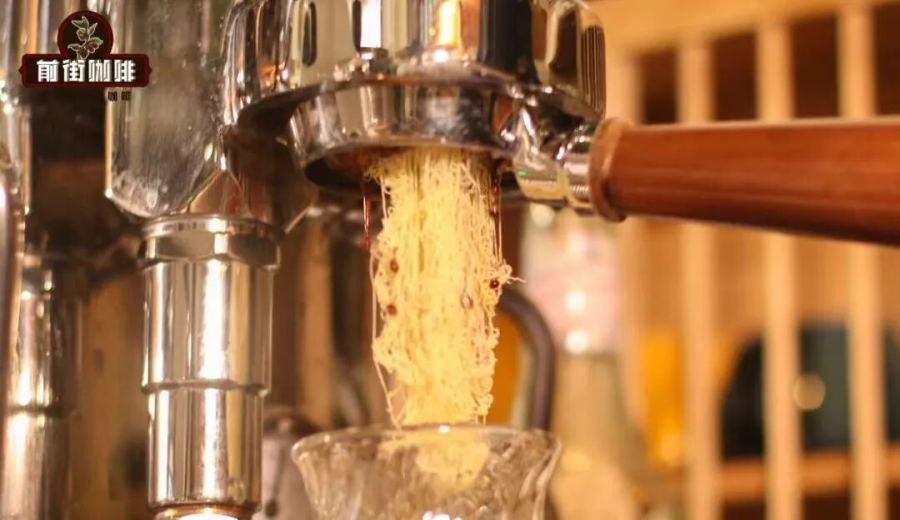
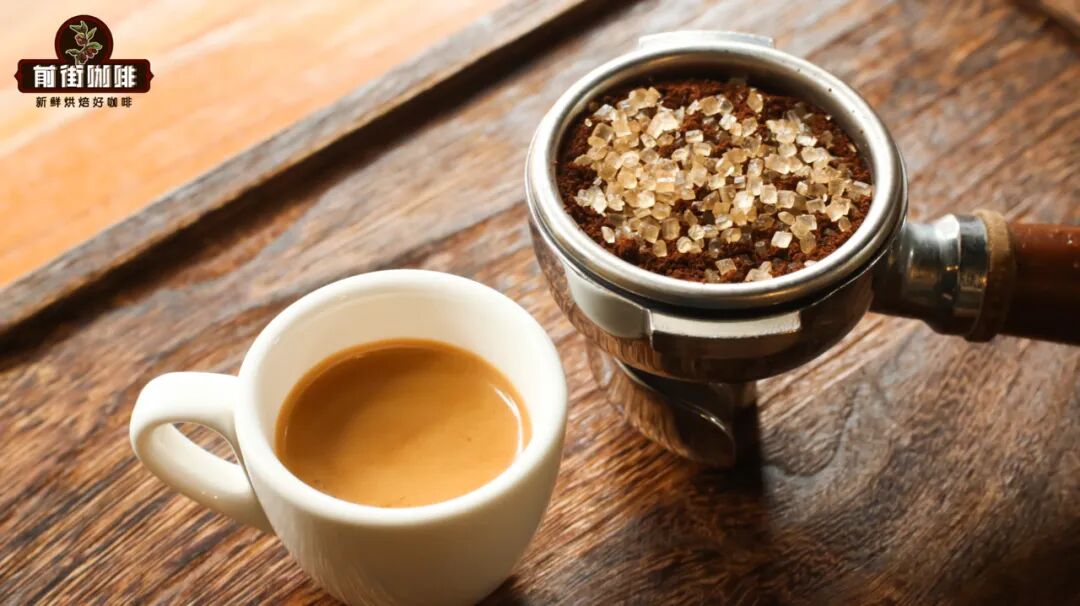
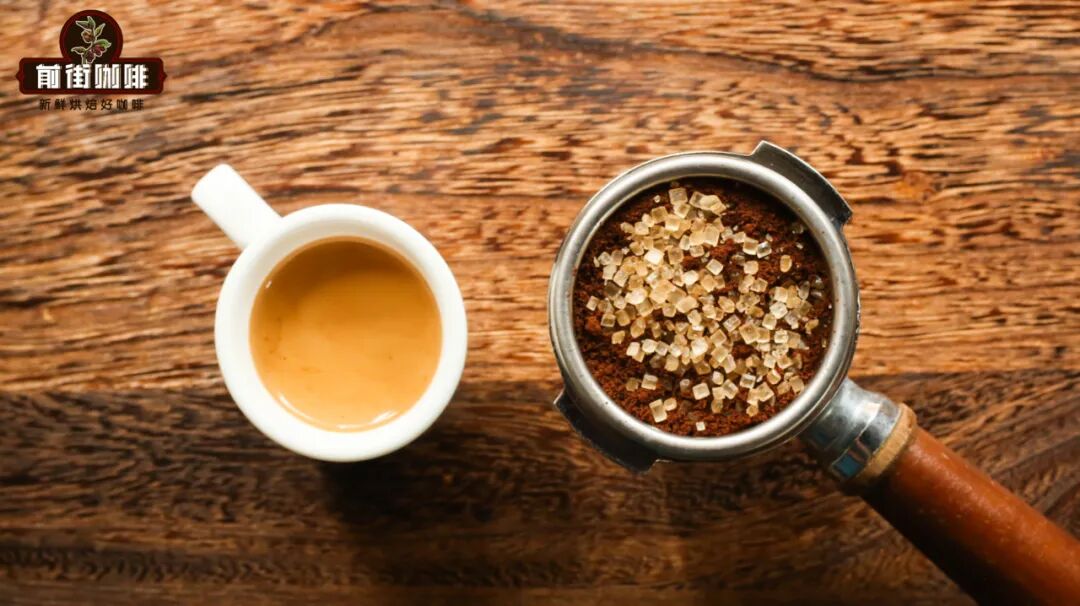
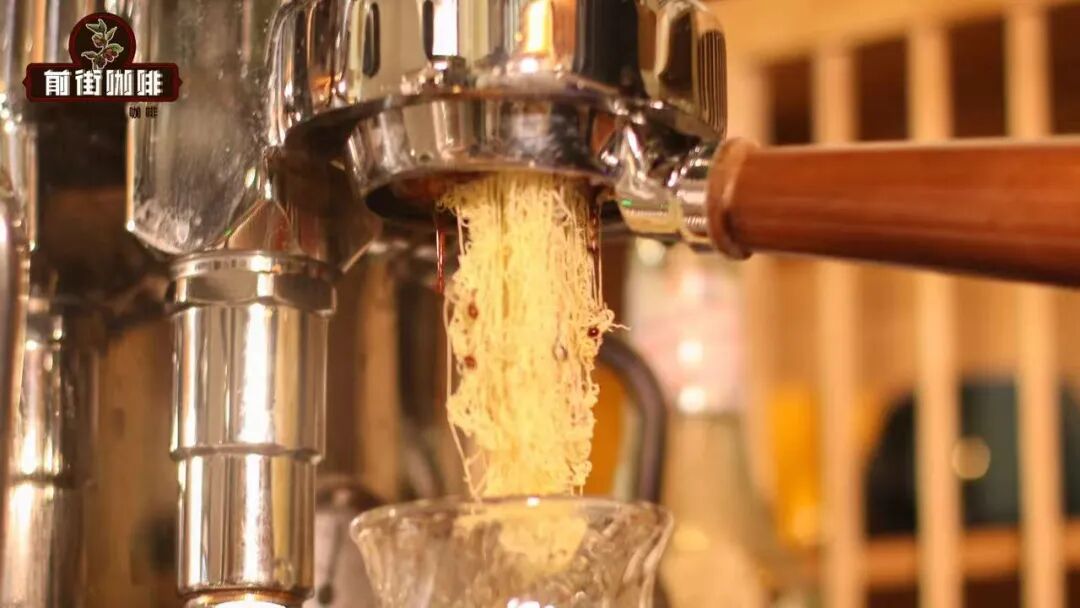
But here’s the problem—if you suddenly introduce foreign objects into this already “airtight” puck—such as sugar granules, flower petal fragments, or even oily ingredients—it can very likely disrupt the otherwise compact structure, creating localized “easy-pass” pathways. Once hot water finds these lower-resistance channels, it will concentrate its flow there, causing those parts of the coffee grounds to be over-extracted while other areas suffer from under-extraction due to diverted water flow. This phenomenon is what coffee professionals commonly refer to as “channeling.”

So why do we spend so much time discussing channeling? It may seem unrelated to “adding things to the puck,” but the two are actually closely connected. The main cause of channeling is the uneven internal structure of the puck—this could be due to uneven coffee distribution, improper tamping, or the physical alteration of the coffee bed caused by foreign objects. And adding ingredients like sugar, flower petals, or salt into the puck falls squarely into this third category.
No matter whether you add powdered sugar, dried flower bits, or other seasonings like salt—even if your distribution is perfectly even and your tamping is meticulous—these foreign substances can still disrupt the overall structure of the puck during extraction. As hot water passes through, these materials may dissolve or shift, altering local pore sizes and eventually triggering channeling.
The industry conducted a dedicated experiment last year, testing the simultaneous extraction of a standard puck with 5 grams of sugar added. The results showed that not only did coffee frequently splash during extraction, but the taste was also highly unstable, with an overall flavor that was hard to describe—clearly impacted by uneven extraction. Even worse, the sugar failed to integrate well with the coffee, resulting in a disjointed flavor profile.
And if you think only sugar causes problems, you might be underestimating the “destructive power” of other ingredients. Ingredients like butter—which are oily, tend to stick, and are extremely hard to clean—can make the job of cleaning the espresso machine even harder. There have been reports of coffee enthusiasts following trends by placing a piece of butter at the bottom of the portafilter in an attempt to create a so-called “butter coffee pulling waterfall.” Not only did they fail to achieve the desired flavor, but they also spent a great deal of time cleaning the residual grease inside the machine—clearly a case of more trouble than it’s worth.
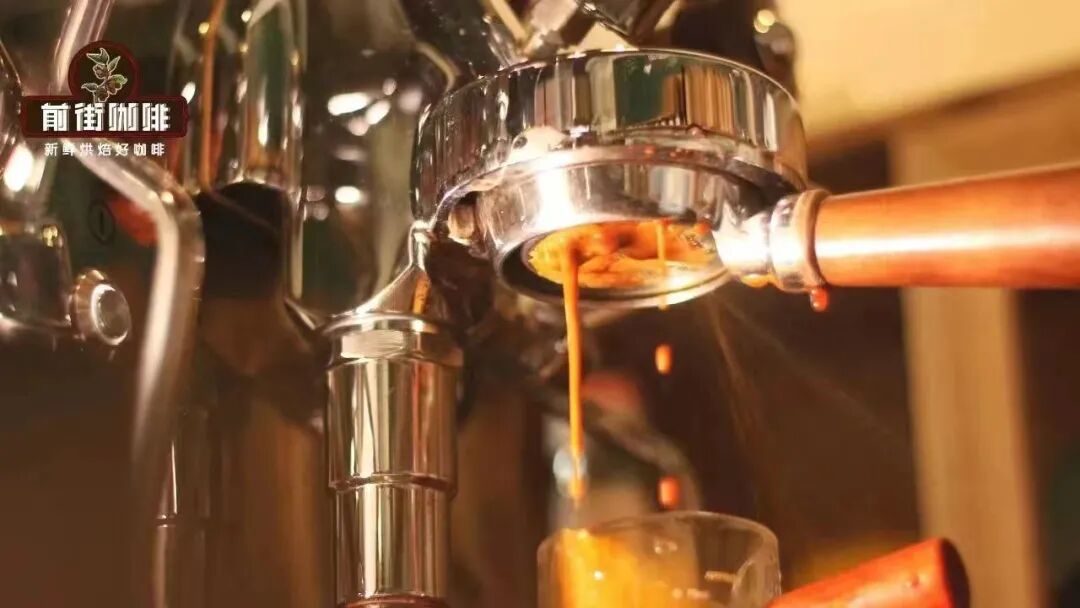
In summary, it’s clear that: in the espresso extraction process, carelessly adding other ingredients not only fails to guarantee natural flavor integration with the coffee, but can also lead to channeling by disrupting the puck structure, resulting in uneven extraction and flavor imbalance. Moreover, such attempts often increase operational difficulty and post-brewing cleanup issues.
Therefore, if you really want to add different flavors to your espresso, a more reliable and controllable approach is to add syrups, fresh milk, spices, or other ingredients after completing the standard extraction, according to your personal preference. This ensures the quality of the coffee extraction itself while allowing greater freedom in adjusting the final flavor, avoiding unnecessary risks and hassles.

The above content is compiled by CoffeeHunters, a coffee news website.


