








Introduction:The choice of water has a decisive impact on the extraction performance and flavor expression of pour over coffee, but many beginners have only a superficial understanding of water composition, TDS, pH, and other parameters. This article delves into the actual effects of common drinking water (such as bottled water) on coffee taste. Through experiments, it compares the flavor differences of coffee under different water conditions and explains how water hardness, acidity, and mineral content influence extraction—helping you find the ideal water source for brewing.
In the process of brewing coffee, water is not just a medium for carrying flavors but also a key player in extraction. In a cup of black coffee, water makes up over 90% of the total volume. Different water qualities not only affect the extraction rate but also directly influence the final flavor profile and mouthfeel. Therefore, understanding the impact of water on coffee is essential knowledge for every coffee enthusiast.
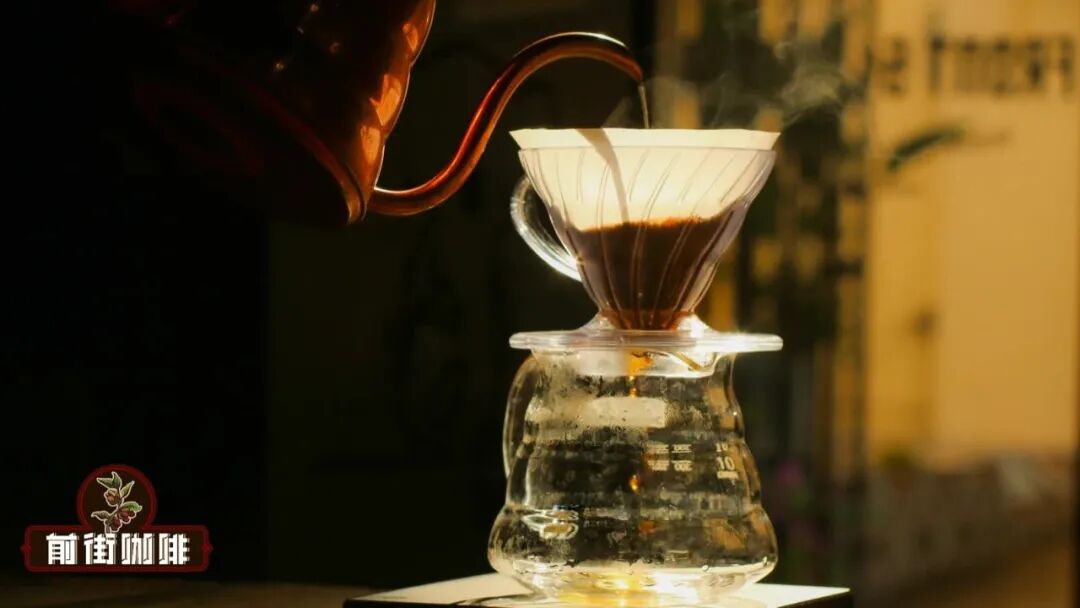
There is a wide variety of commercially available drinking water, from mountain spring water to mineral water and purified water, each with significant differences in source, processing methods, and composition. This naturally leads many to wonder: “Does more expensive water brew better-tasting coffee?” While this question isn’t easy to generalize, we can conduct practical tests using bottled water of different price points and water characteristics to observe their real-world performance in pour over applications.
This experiment focuses on commonly available and easily accessible bottled water, selecting two products with vastly different price tags: Kunlun Mountain Snow Mountain Mineral Water at approximately 19.9 RMB per 5 liters, and Dinghu Mountain Spring Drinking Natural Water at about 6.9 RMB per 5 liters. Additionally, the commonly available Nongfu Spring was included as a control group. The experiment used two representative coffee beans—one with pronounced fruity acidity, Yirgacheffe Red Cherry, and another with a nuttier flavor profile, Diamond Mountain—and employed consistent brewing parameters for a three-stage extraction, evaluating flavor differences through blind tasting.
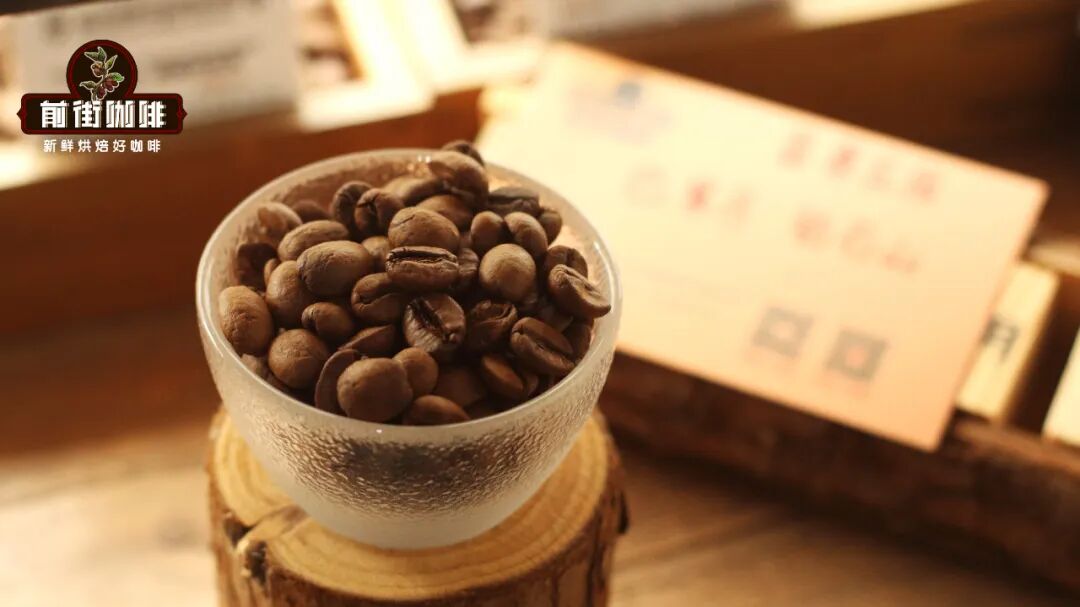
[Experiment 1] Yirgacheffe · Sun-Dried Red Cherry
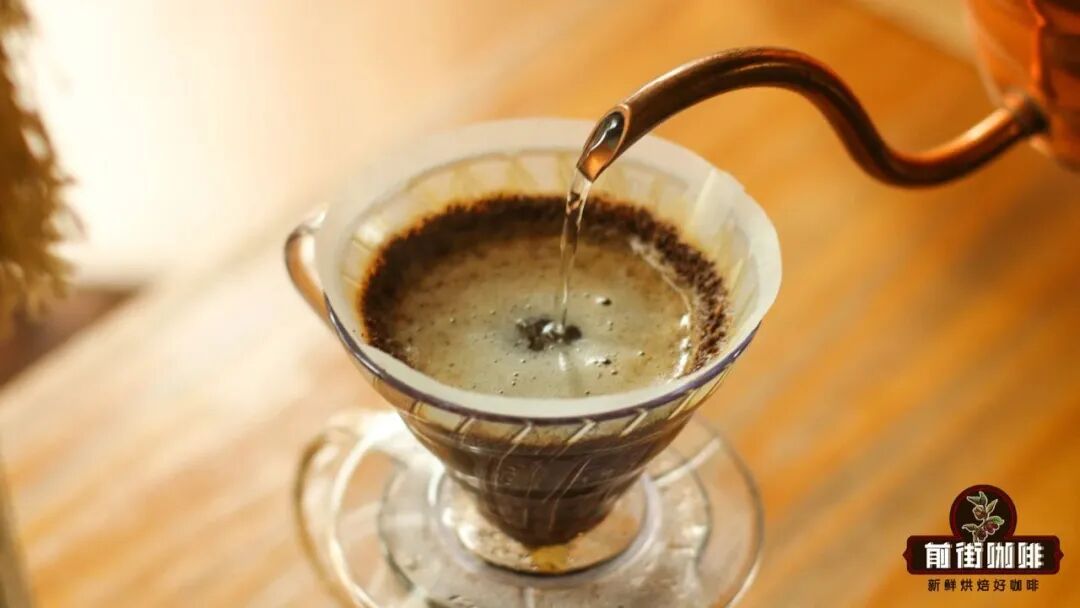
Dose: 15g; Coffee-to-water ratio: 1:15; Water temperature: 93°C; Grind size: EK43s setting 10; Three-stage pouring: 30g - 90g - 105g
Dinghu Mountain Spring Drinking Natural Water: Delivers pronounced lemon, grapefruit, and berry acidity, with sharp and clear acidity, but lacks overall body. The aftertaste is short, and the mouthfeel carries a slight watery sensation, with a relatively thin aroma profile. (TDS value: approximately 1.27)
Nongfu Spring: Performs relatively balanced, with citrus, sweet orange, and subtle black tea notes. The acidity, sweetness, and bitterness are well-coordinated, and especially at lower temperatures, it showcases delicate berry acidity. (TDS value: approximately 1.31)
Kunlun Mountain Snow Mountain Mineral Water: The flavor tends to be rich, with caramel and orange notes upon entry, but accompanied by noticeable bitterness and strong tea-like sensations. The aftertaste is long but lacks complexity, and the overall mouthfeel feels slightly rough. (TDS value: approximately 1.33)
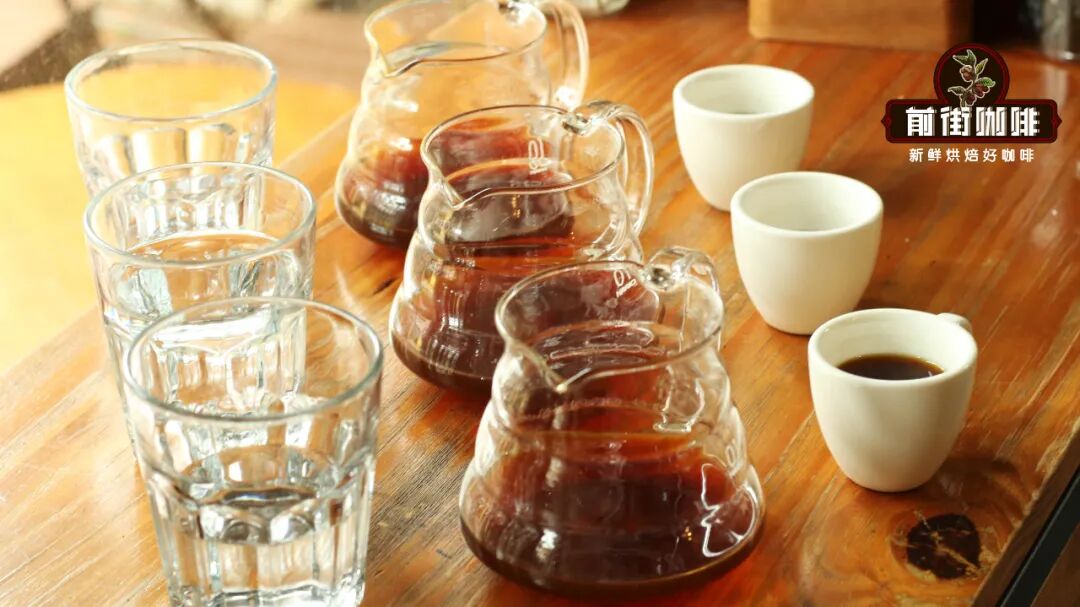
[Experiment 2] Diamond Mountain (nutty-profile coffee bean)
Dose: 15g; Coffee-to-water ratio: 1:15; Water temperature: 91°C; Grind size: EK43s setting 10; Three-stage pouring: 30g - 90g - 105g
Kunlun Mountain Snow Mountain Mineral Water: The flavors are concentrated on caramel and chocolate, but only apparent in the early stages, with little to offer in the mid-to-late phases. The aftertaste is short and the flavor is monotonous. (TDS value: approximately 1.31)
Dinghu Mountain Spring Drinking Natural Water: Shows plum and bayberry-like acidity, along with cocoa richness. The mouthfeel is relatively light, though slight sharp acidity appears at lower temperatures. (TDS value: approximately 1.36)
Nongfu Spring: Nut and cocoa aromas are prominent. At lower temperatures, deep berry, stone fruit acidity, and slight sucrose sweetness can be sensed, with a finish that carries ripe fruit fermentation notes. Overall, it delivers the most balanced performance. (TDS value: approximately 1.32)
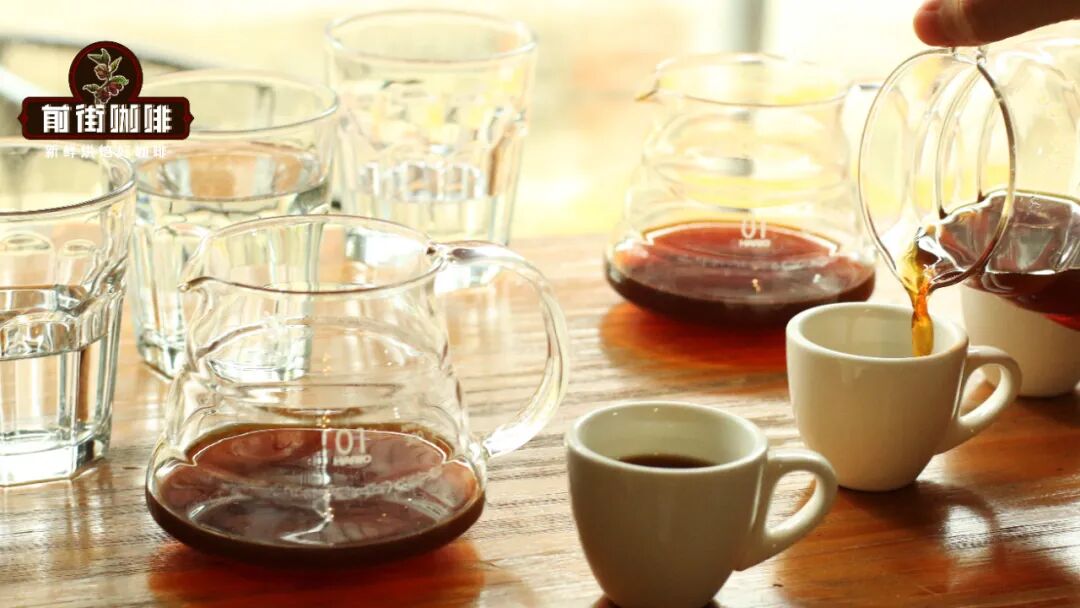
From the above experiments, it’s clear that the most expensive Kunlun Mountain mineral water did not deliver the best extraction results—in some cases, it even suppressed flavor layers and introduced unpleasant bitterness. Meanwhile, the most affordable Dinghu Mountain Spring, while bright in acidity, showed weaker body and aroma persistence. Nongfu Spring, on the other hand, demonstrated the most balanced extraction performance, suitable for most coffee bean types.
So, which characteristics of water affect coffee extraction and flavor? There are three main factors: acidity (pH), water hardness, and total dissolved solids (TDS).
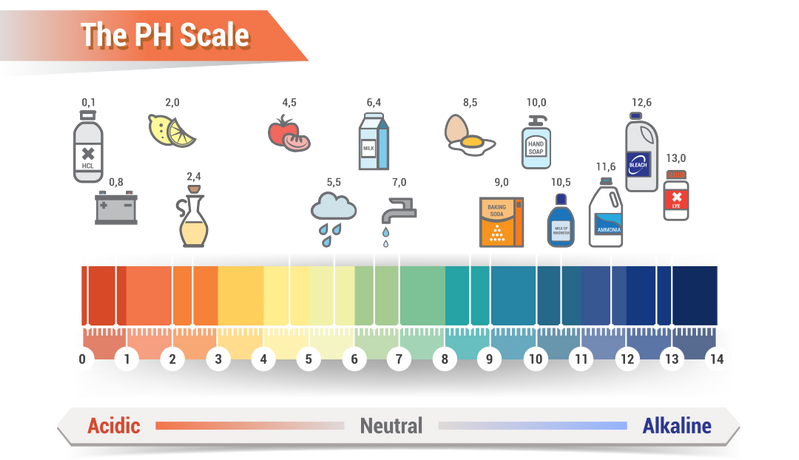
First, let’s talk about pH. Coffee itself is a mildly acidic beverage, with a pH typically between 5 and 6. When using slightly alkaline water for brewing, it neutralizes some of the coffee acids, making the overall flavor smoother. Generally, water used for pour over coffee should have a pH between 6.5 and 7, which is near-neutral or slightly alkaline, helping to showcase the overall balance of the coffee.
In the above experiment, Nongfu Spring had a pH of 7.3 ± 0.5, and Dinghu Mountain ranged from 6.5 to 7.3—both near-neutral or with minor fluctuations. Kunlun Mountain ranged from 7.0 to 8.5, placing it in the weakly alkaline range, which may be one of the reasons for its induced bitterness and flavor suppression.
Next is water hardness, referring to the content of magnesium and calcium ions in the water. These two minerals play a key role in extracting coffee flavors: an appropriate amount of calcium ions helps release the coffee's acidic notes, while magnesium ions enhance sweetness and aroma expression. However, if these mineral contents are too high (i.e., in hard water), it can lead to over-extraction, resulting in muddled flavors and even bitterness.
The World Health Organization (WHO) defines water with hardness below 200 ppm as soft water, and above 200 ppm as hard water. Professional organization SCA (Specialty Coffee Association) recommends an ideal water hardness for pour over coffee of 75–250 ppm, with an optimal value around 150 ppm. In practice, water with TDS (total dissolved solids) below 100 ppm often extracts clearer and livelier flavors.

Finally, TDS (Total Dissolved Solids) represents the total amount of dissolved inorganic and organic substances in water. In this experiment, Dinghu Mountain had a TDS of only 25 ppm, containing very few minerals; Nongfu Spring had 37 ppm, which is within a moderate range; Kunlun Mountain reached 322 ppm, indicating a high mineral content—this is the main reason it affected extraction performance and flavor layers.
In summary, choosing suitable water for pour over coffee doesn’t necessarily mean opting for high-priced or branded options. Instead, focus on TDS, pH, and mineral composition. Beginners are advised to prioritize drinking water with TDS between 30–100 ppm and a pH close to neutral (6.5–7), which helps highlight the delicate and layered true flavors of coffee.
The above content is compiled by CoffeeHunters, a coffee news website.


