







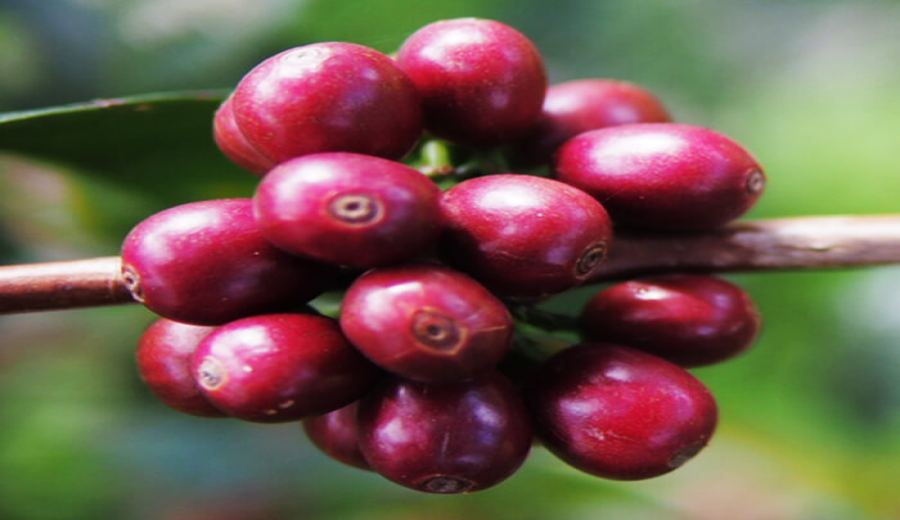
Introduction:Single-origin espresso (SOE) beans showcase unique flavor profiles due to differences in origin and processing methods, but it’s the roast level that ultimately determines which type of beverage they’re best suited for. This article breaks down the flavor characteristics of light-, medium-, and dark-roast SOEs, guiding you from pour overs and iced Americanos to lattes and mochas on how to choose the right roast based on your taste preferences, along with key brewing tips to bring out the essence of each origin in every cup.
The charm of single-origin espresso (SOE) lies in condensing the terroir—variety traits and processing details—of a specific region into a single shot of espresso. However, what truly determines which beverages it suits is the roast degree. Light-roast SOEs typically highlight floral and fruity notes with bright acidity and sweetness, medium roasts strike a balance between acidity, sweetness, and body, while dark roasts amplify cocoa, nutty, and richly sweet notes, delivering a fuller and heavier mouthfeel.
If you enjoy black coffee with clear flavors and vibrant acidity, light-roast SOE is a great choice. Using it for pour overs, Americanos made by diluting espresso with water, or iced Americanos can preserve more layers of aroma. When extracting with an espresso machine, it’s recommended to use a slightly longer brew ratio (e.g., 1:2.5 to 1:3), allowing the acidic and sweet flavors room to fully express. Opting for a short and concentrated shot may result in suppressed and less open flavors due to incomplete aroma release.
For example, a light-roast SOE from Kenya often exhibits bright fruity acidity reminiscent of fresh cherry tomatoes, blended with darker fruit notes like black plum and a syrupy sweetness.These beans are ideal for directly adding water to make hot Americanos or crafting iced Americanos—refreshing upon entry with a lingering, clear juice-like finish. If you prefer flavors where acidity and sweetness are distinct and the finish is clean, start your exploration with this type of light-roast SOE.
Light-roast SOEs also work well for creating sparkling coffee or orange-flavored coffee. During extraction, be mindful of controlling the sharpness of the espresso. Let it cool before adding ice and sparkling water, which can make the fruity and floral notes feel lighter and the acidity closer to that of natural juice. If you wish to add a small amount of orange peel or citrus juice for enhancement, use it sparingly to avoid overpowering the bean’s inherent complexity and reducing the drink to just a flavored impression.
Medium-light to medium-roast SOEs generally offer fuller sweetness and gentler acidity, capably handling everything from hot Americanos and flat whites to cappuccinos. These roast levels preserve the origin characteristics of black coffee while providing a moderate body that complements milk—making them suitable for coffee lovers new to SOEs, where flavors aren’t overly intense and changes in milk ratios don’t easily overshadow the core coffee taste.
Taking a common medium-roast SOE as an example, its flavor profile might include orange blossom, ripe apricot notes, and an oolong tea-like aftertaste.In hot espresso form, these traits are more concentrated. Adding an appropriate amount of hot water allows the aromas to unfold, and during the cooling process, the sweetness gradually emerges.When making a flat white, it’s recommended to moderately reduce the milk ratio to make the fruity and tea-like qualities more pronounced—perfect for savoring slowly at breakfast or in the afternoon.
As for pairing medium-roast SOEs with lattes or mochas, the key lies in whether the beans have sufficiently solid sweetness. Medium roasts usually bring rounded notes of caramel, ripe fruit, and cocoa, and milk can further soften these flavors, resulting in a smoother overall mouthfeel. When making a latte, maintain an appropriate concentration of the coffee liquid; if the milk proportion is high, opt for a more intense medium-roast bean to ensure the coffee still retains a clear presence in the drink.
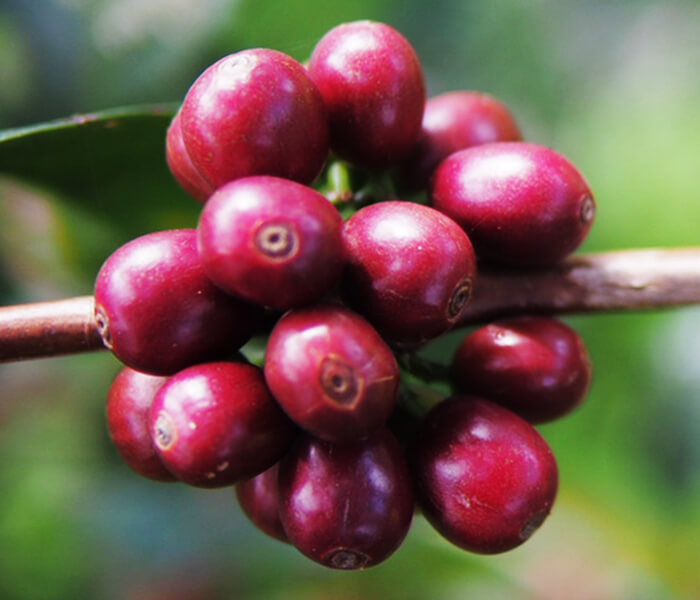
Dark-roast SOEs shift their flavor focus to dark chocolate, roasted nuts, and caramelized sweetness, making them highly suitable for espresso, short Americanos, lattes, and mochas. For instance, a dark-roast SOE from Brazil often presents a rounded cup profile of nuts, cocoa, and caramel—rich and full-bodied when consumed straight, and transforming into a silky texture interwoven with chocolate and roasted nuts when milk is added. It’s especially well-suited for those who prefer low-acidity and bold, mellow flavors.
Dark-roast beans also deliver a stable balance of bitterness and sweetness in cold drinks, such as iced Americanos or iced lattes.Since ice slows down aroma release, it’s advisable to ensure the espresso has sufficient concentration to prevent the flavor from becoming thin after the ice melts.If a noticeable burnt bitterness appears, consider shortening the extraction time or slightly lowering the brew water temperature. If the taste feels overly muted, you can slightly extend the extraction to allow more room for sweetness to shine.
When choosing an SOE, you can first narrow down the beverage direction based on roast level: for refreshing fruity notes, light roast is the top choice; for flexibility between black coffee and milk-based drinks, medium-light or medium roasts are more versatile; for bold, cocoa-leaning flavors and low acidity, dark roast better meets your needs. After purchase, don’t overlook the beans’ storage condition. In the early days after opening, let the espresso “degas” adequately, then fine-tune the grind size based on actual flavors (acidity, sweetness, bitterness, and concentration) to achieve optimal extraction performance.
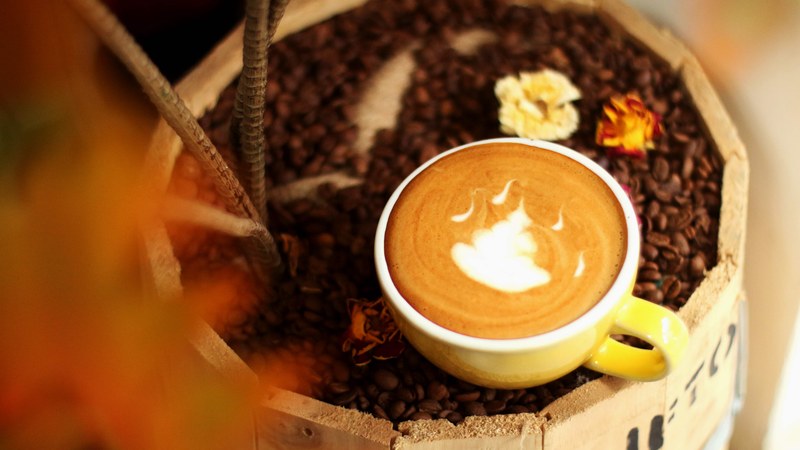
A single SOE actually offers multiple drinking possibilities—the key lies in preserving its core flavor characteristics. Light-roast beans let fruity notes take center stage, medium-roast beans serve as a bridge between black coffee and milk, and dark-roast beans amplify a rich and full-bodied texture. Choosing the roast level based on your daily drink preferences not only helps you better understand the uniqueness of single origins but also allows SOEs to truly become part of your everyday coffee moments.
The above content is compiled by CoffeeHunters, a coffee news website.


