







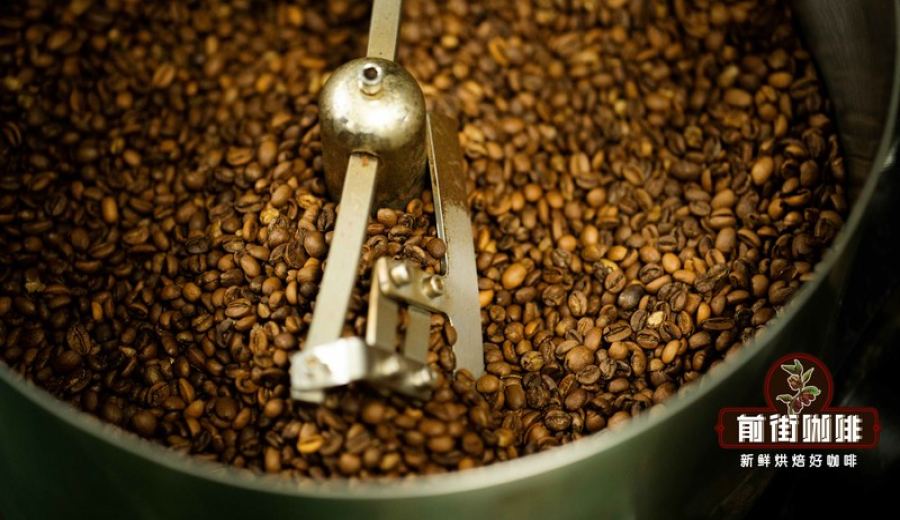
Introduction:While single-origin espresso (SOE) beans are often associated with espresso, they can also shine in pour over brewing when the right roast level and extraction method are chosen. This article will explore how to select SOE beans suited for pour over based on differences in light, medium, medium-dark to dark roasts, and provide practical extraction parameter suggestions and flavor profiles to help you find your ideal single-origin pour over experience.
SOE (Single Origin Espresso) refers to coffee beans from a single origin or single batch, originally mostly used for espresso extraction. However, as long as the quality is stable and the roast is well-executed, these beans are equally suitable for pour over. Brewing through a filter allows SOEs to display a more expansive aromatic profile and more delicate, charming sweetness compared to espresso.
To determine whether an SOE is suitable for pour over, it’s recommended to start by observing the “roast level.” Different roast levels directly influence the bean’s aroma and flavor profile: light roasts typically preserve distinct regional characteristics, often showcasing bright notes like floral, citrus, berries, or tropical fruits; medium roasts strike a better balance among sweetness, acidity, and aroma, resulting in a rounded and easy-to-drink cup; medium-dark to dark roasts focus on cocoa, nuts, caramel, and roasted aromas, offering a richer, fuller body with more restrained acidity.
If you prefer a bright, clean, layered coffee with subtle acidity, a light roast SOE is a great choice. For pour over, it’s recommended to use slightly higher water temperature to help release more aroma and sweetness from harder green beans;the grind size should not be too coarse, as under-extraction may lead to overly sharp acidity. After brewing, letting the coffee cool slightly often reveals clearer layers of floral notes, juice-like brightness, and tea-like undertones—making it perfect for solo sipping or pairing with light breakfasts.
For example, some light to light-medium roast SOEs from high-altitude regions, when brewed with pour over, often exhibit vibrant citrus-like fruitiness, the soft sweetness of ripe apricots or peaches, and an aftertaste reminiscent of the subtle astringency of oolong tea. These beans are well-suited for hot pour over using a filter dripper; by controlling moderate water temperature and flow rate, the upfront aroma shines while sweetness gradually unfolds. To achieve a lighter body, you can also adjust the coffee-to-water ratio—for instance, reducing coffee dose and increasing water volume—to craft a daily black coffee that’s easy to enjoy.
Drinkers who enjoy intense fruitiness and layered fermentation notes might want to look for some sun-dried, light-to-medium roast SOEs. These beans often carry complex aromas like orange blossom, guava, apricot, and berry compote, and reveal different flavor dimensions as the temperature drops. Pour over brewing allows for clearer distinction of these nuanced changes compared to espresso, and it’s recommended to use a slower pouring rhythm to avoid disrupting the delicate aromas with excessive water flow. Whether enjoyed hot or after cooling, these coffees offer rewarding depths to explore.
Medium roast SOEs are often the easiest choice for many pour over beginners. This roast level doesn’t overly emphasize acidity nor is it easily overshadowed by intense roasty flavors, allowing it to present a balanced mix of fruity notes, caramel sweetness, nutty aromas, and a soft cocoa finish—suitable for those who want to experience regional characteristics without too much intensity.
It’s worth noting that the same medium roast bean can deliver flavors through pour over and espresso that differ not just in concentration. Espresso machines extract quickly with a small amount of water, concentrating the aromas within the espresso shot; whereas pour over uses more water to stretch out the flavor profile, making it easier to savor acidity, sweetness, aroma, and aftertaste. If the bean is originally designed for espresso, when brewing via pour over, it’s advisable to use a slightly lower extraction water temperature than for light roasts, and start testing withmedium grind sizeto avoid dry or astringent flavors caused by over-extraction.
For those who prefer bold, rich black coffee, medium-dark and dark roast SOEs are also suitable for pour over. However, the focus here isn’t on bright fruitiness but rather on exploring the interplay of cocoa, nuts, caramel, and a full-bodied mouthfeel. For these roast levels, it’s recommended to use slightly lower water temperature and control brew time to avoid over-extraction from prolonged contact. The resulting coffee pairs well with breakfast bread or desserts and satisfies coffee lovers who enjoy a heavier body.
If a dark roast SOE tastes overly heavy after pour over, try adjusting to a coarser grind or reducing agitation during the latter part of brewing to achieve a clearer cup; if the taste feels too thin, you can moderately increase coffee dose or reduce total brew water. Adjustments should primarily aim for “sweetness on the palate,” “body,” and “aftertaste,” rather than trying to make a dark roast pour over taste as bright as a light roast. The charm of dark roast lies in its low acidity and solid mouthfeel.
When making a purchase, it’s recommended to refer to the product page details including “roast level,” “recommended brewing method,” and “flavor description”: for those seeking fruity and bright profiles, prioritize light or light-medium roasts; if you prefer balanced sweetness and versatility across temperatures, medium roast is a safe and reliable choice; for those accustomed to American-style coffee or milk-based drinks and who enjoy cocoa and nutty notes, medium-dark or dark roasts integrate more smoothly into daily routines. SOEs are absolutely pour-over friendly—the key is selecting a roast direction that aligns with your taste preferences.
It’s advised to start with a fixed coffee-to-water ratio and conduct multiple brew tests, separately recording the aroma when hot, the balance of acidity and sweetness upon tasting, flavor shifts after cooling, and the aftertaste once swallowed. Light roasts are ideal for slowly savoring layered complexity, medium roasts help establish a stable reference point, and dark roasts deliver a familiar, full-bodied mouthfeel. Choosing an SOE that matches your drinking habits and roast preferences means espresso and pour over are no longer mutually exclusive methods, but two ways to showcase different facets of the same bean’s charm.
The above content is compiled by CoffeeHunters, a coffee news website.


