







Introduction:When selecting beans for pour over coffee, the roast level is one of the most direct factors influencing flavor. From light to dark roasts, each degree of roast brings distinctly different aromatic layers and taste experiences. This article will guide you through the characteristics of different roast levels—including suitable flavor profiles, brewing parameter suggestions, and how to make choices based on personal preference—to help beginners easily find their first satisfying cup of pour over coffee.
A large part of the charm of pour over coffee comes from the flavor variations brought by roast levels. The three main roast levels—light, medium, and dark—not only affect the acidity-sweetness balance and body of the coffee, but also determine which brewing methods and drinking scenarios they are better suited for. For beginners just starting out with pour over, grasping the relationship between roast level and flavor is easier than diving straight into origin or processing methods, and helps build a foundation for judgment.
Roast level itself is not equivalent to coffee quality, but it can indeed help you estimate what style the coffee will have once brewed—whether it’s a bright, refreshing floral-fruity profile or a rich, robust nutty-chocolatey feel. As long as you choose the right roast level, even novice brewers can easily pull a cup that suits their taste.
Light Roast: Fresh Floral-Fruity Notes and Tea-like Qualities, Ideal for Those Who Enjoy Acidity and Aromatic Layers
Light roasted coffee beans usually retain more of the terroir characteristics of their origin, with common flavor notes including citrus, berries, tropical fruits, and even floral or tea-like qualities. The overall mouthfeel is relatively light and bright, with clear acidity that is not overly sharp, making it suitable for drinkers who enjoy slowly savoring aroma changes and prefer a refreshing taste. If you’re used to adding sugar or milk to your coffee, the delicate flavors of light roast may be harder to highlight—consider starting with a medium roast to get accustomed to the taste of pure black coffee.
For example, a highly distinctive light roast bean often delivers associations with ripe tomatoes and dark preserved fruits upon entry, followed by a gentle caramel sweetness. The acidity is vivid yet not overly stimulating. When brewed using a cone-shaped filter at hot temperatures, such beans tend to showcase a vibrant juiciness; as it cools, the aftertaste often becomes even cleaner and crisper, making it very suitable for beginners who enjoy fruity notes and lively mouthfeels.
However, light roast is more sensitive to pour over parameters. If the water temperature is too low or the grind is too coarse, it may result in insufficient aroma release, leaving only a dull acidity. Conversely, slightly higher water temperature or a slightly finer grind can help bring out sweetness and fruitiness. It is recommended that beginners use hot water with stable temperature and adopt a gentle, steady pouring technique when brewing light roast beans, allowing the flavors to unfold naturally without striving for complex techniques right from the start.
Medium Roast: Balanced Sweetness and Nutty-Tea Notes, a Universal Choice Suitable for Most People
Medium roasted coffee beans gradually shift their flavor focus toward caramel, ripe fruit, nuts, and tea-like qualities, with relatively softer acidity and more pronounced sweetness and body, resulting in an overall more balanced profile. This roast level is highly adaptable to various brewing methods—whether you’re aiming for a refreshing black coffee or a daily drink to go with breakfast, medium roast usually delivers a satisfying experience. For beginners who haven’t yet determined their preferences, medium roast is a safe and reliable choice.
Take a typical medium roast bean as an example—it often has bright aromas, such as orange peel or citrus notes, combined with the soft sweetness of ripe stone fruits, and leaves a lingering aftertaste reminiscent of oolong tea. When served hot, the layers are relatively light and brisk; as the temperature drops, the sweetness usually becomes more prominent. Even when brewed with standard filters and regular water temperatures, you can easily achieve a balanced cup suitable for everyday drinking.
If you enjoy floral-fruity aromas but worry that light roast might be too sharp, consider medium-light or slightly lighter medium roast beans. These often feature rich floral notes, tropical fruits, or even berry jam-like tones, with a relatively higher intensity. Using a slower, segmented pouring method during brewing can help you observe and appreciate the unfolding of each aromatic layer more clearly—especially fitting for leisurely enjoying the pour over process on weekends.
Dark Roast: Rich and Bold with a Warm Profile, Ideal for Those Who Prefer Chocolate and Nut Flavors
Dark roast beans, which undergo longer roasting times, typically exhibit aromas of dark chocolate, roasted nuts, caramel, and even smokiness, with lower acidity and a more stable, full-bodied mouthfeel. While dark roast can also be used for pour over, it requires more careful control of extraction strength to avoid excessive bitterness or dryness in the mouth. If you prefer a bold, rich coffee with a warm feel—or are accustomed to quickly enjoying a cup to perk you up in the morning—medium-dark roast can be a good starting point.
When choosing coffee beans, don’t overlook the brewing equipment you use and your drinking habits. If you mainly brew using pour over filters, light and medium roasts usually better showcase fresh origin aromas; if you often add milk to your coffee, medium-dark roasts tend to have a more pronounced flavor that complements the milk well. Additionally, if you enjoy iced pour over, the fruity notes of medium-light roast can bring a refreshing feel, while medium roast better retains sweetness and body. Choosing a roast level based on your drinking style ensures the beans better meet your practical needs.
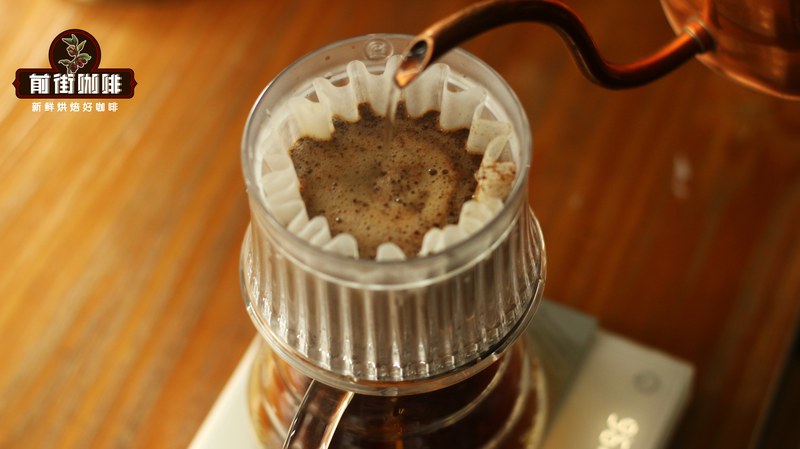
In actual brewing, there are corresponding parameter suggestions for different roast levels: for light roast, you can use slightly higher water temperature and longer contact time to fully extract acidity and aroma; for medium roast, it’s advisable to start with medium water temperature and standard grind size to balance acidity, sweetness, and body; for dark roast, you can appropriately lower the water temperature and reduce extraction intensity to avoid excessive bitterness. If the coffee tastes overly acidic upon entry, it may be due to fast extraction—check whether the coffee bed is draining too quickly. If it feels bitter or dry, try using a coarser grind, reducing agitation, and controlling the brewing pace. Adjusting one variable at a time makes it easier to observe flavor changes.
When purchasing coffee beans, remember to check the roast date, packaging seal, and the flavor suggestions provided by the roaster. It’s recommended to choose freshly roasted beans to be consumed within one to two weeks to ensure optimal flavor. Start by exploring floral-fruit and tea-like notes with light roast, seek sweetness and balance with medium roast, or experience richness and roast aromas with dark roast. Once you’ve identified your preferred taste profile, selecting the corresponding roast level will allow the joy of pour over coffee to unfold gradually, beginning with that first smooth, satisfying cup.
The above content is compiled by CoffeeHunters, a coffee news website.


