







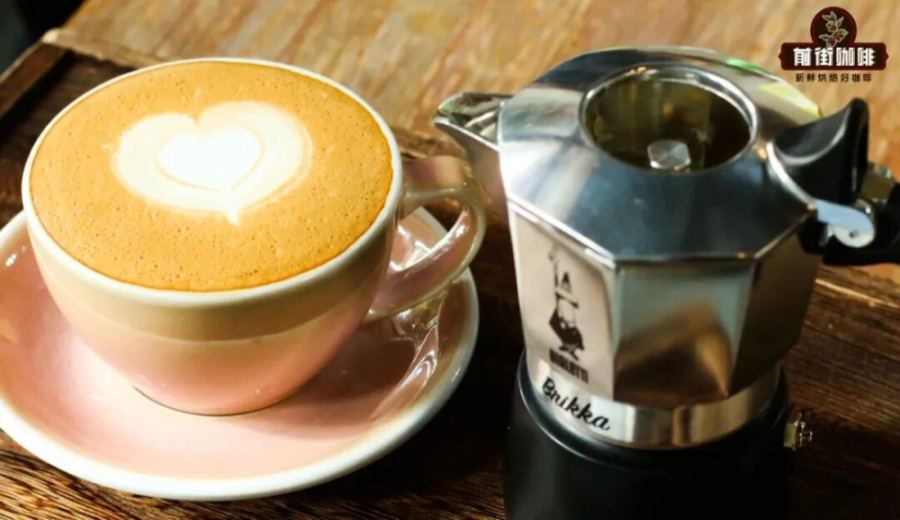
Introduction:Have you ever wondered what other fun ways you can use a moka pot besides making classic black espresso? Some have tried pouring milk into the upper chamber to mix with the brewed coffee, while others have boldly used milk instead of water to directly extract the coffee grounds. Can these two non-traditional methods produce a palatable moka pot latte? This article not only details the hands-on testing process of these two creative brewing methods, but also teaches you how to choose coffee beans suitable for pairing with milk, along with complete parameters and flavor evaluations, helping you explore more coffee fun.
A moka pot brews coffee under pressure, producing a rich and intense black coffee that is often paired with milk to create a simple latte. The usual method is to first complete the coffee extraction, then add milk according to preference. However, some coffee enthusiasts have proposed two innovative approaches: one is to pour milk into the upper chamber so that the coffee flows directly into the milk; the other is to pour milk directly into the lower chamber to replace water, performing a heated “milk extraction.” Can these two “unconventional” methods actually produce a delicious moka pot latte? We put them to the test in practice and break everything down—from bean selection and parameters to flavor profiles.
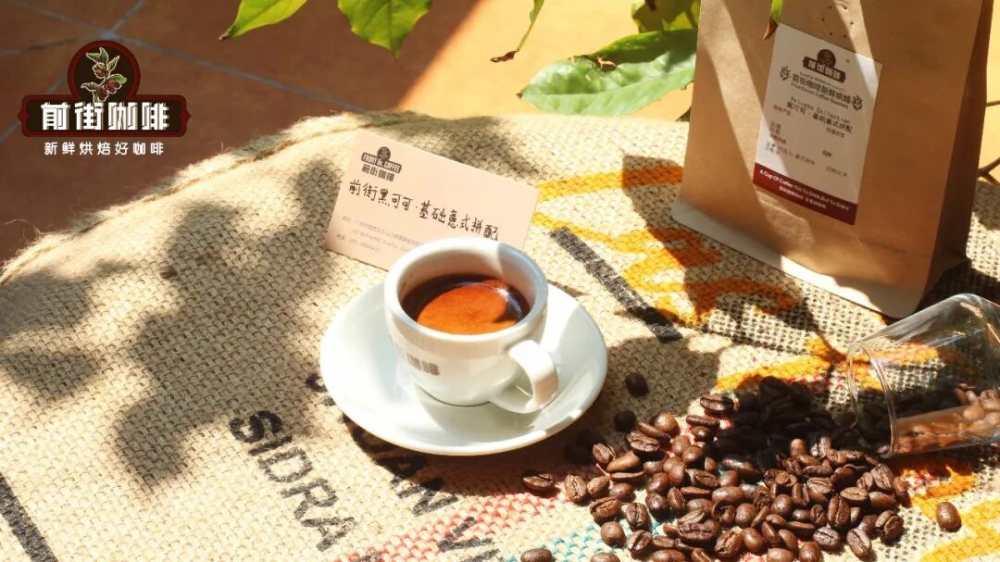
To make a good-tasting moka pot latte, the first step is choosing the right coffee beans. If you prefer a rich, full-bodied cup with low acidity and flavors of chocolate or nuts, it’s recommended to use traditional Italian-style blends—such as those rich in dark chocolate, cocoa, roasted nuts, and buttery notes. Examples include dark cocoa blends, autumn chestnut blends, and classic blends, all of which are solid choices. These blends are usually made from beans sourced from multiple regions, with medium to dark roasts giving them a rich crema, and they are relatively easy for beginners to work with.
If you want to try a lighter and smoother latte with gentler bitterness, you can opt for medium-roast coffee beans. If you enjoy fruity profiles, you might consider SOEs like the Gran Reserva Geisha or the Huakui SOE. These beans, due to their shorter roasting time, retain more bright fruit and floral notes, resulting in a rounder mouthfeel when paired with milk. Additionally, beans with dominant flavors of ripe fruits—like Xi Zha or blackberry—can bring higher sweetness and fermented aromas.
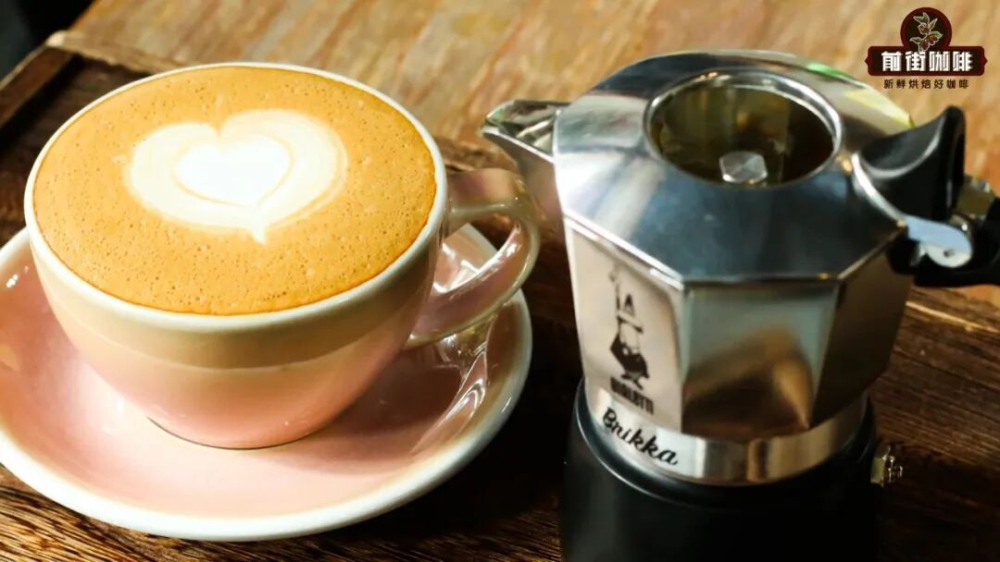
Creative Method One: Pouring Milk into the Upper Chamber
For this test, we used a brand’s dark cocoa-based blend, aiming to create a coffee base close to espresso while controlling the risk of over-extraction to avoid excessive bitterness. Parameters such as grind size and water volume were adjusted to precisely manage the extraction.
Coffee Beans: A brand’s dark cocoa-based blend
Dose: 18g
Grind Size: EK43s setting 2.0 or C40 setting 12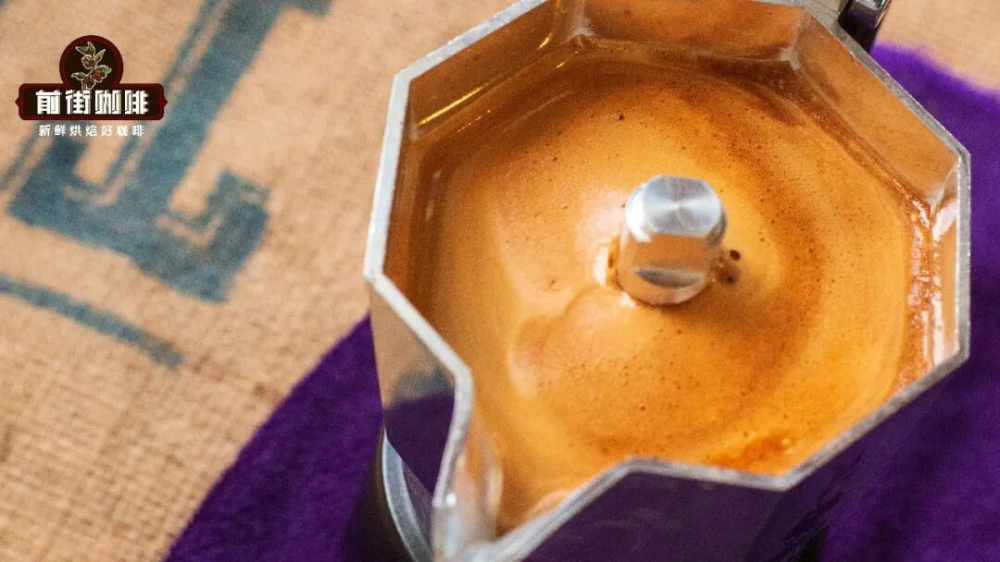
First, pour hot water into the lower chamber, with the water level recommended to be about two-thirds below the pressure relief valve—approximately 80g in our test. Using hot water helps reduce immersion time and the risk of over-extraction. Next, grind the coffee beans to the appropriate fineness, place them in the filter basket, gently level the surface, and then reinsert the basket into the lower chamber and screw on the upper chamber. Open the upper chamber lid, pour about 80ml of fresh milk to about 70% full, then begin heating.
When the moka pot starts to emit a faint hissing sound, it indicates that pressure is gradually building up. At this point, turn the stove to low heat. Soon after, you’ll see the coffee liquid slowly flowing out and merging with the milk in the upper chamber.
When the coffee-milk mixture in the upper chamber reaches about 70% full, immediately turn off the heat, move the pot onto a damp cloth to cool down, and allow the residual pressure and heat to complete the final extraction. Once all the liquid has flowed out, the liquid in the upper chamber will take on an inviting milky tea color, topped with fine yellowish-brown foam and exuding nutty aromas. This moka pot latte has a rich flavor, with a distinct dark chocolate note, and a gentle bitterness followed by the scents of almonds, cream, and macadamia nuts. The overall taste is layered and impressive.

Creative Method Two: Pouring Milk into the Lower Chamber
This method involves replacing water with milk in the lower chamber, heating it, and extracting through the coffee grounds. It carries relatively higher risks. Milk is less efficient than water at extraction, and the high temperature inside the moka pot can cause milk proteins to denature when exceeding 70°C, potentially affecting the mouthfeel. Nevertheless, we still took on the challenge to test it in practice and observe its actual performance.
This time, we selected a brand’s classic blend, which features flavors of butter and roasted chestnuts, suiting a medium to dark roast style. To accommodate the slower flow rate caused by milk, we adjusted to a coarser grind size and reduced the dose.
Coffee Beans: A brand’s classic blend
Dose: 15g
Grind Size: EK43s setting 3.5
Pour chilled fresh milk into the lower chamber, with the water level controlled to about 0.5 cm below the pressure relief valve. After adding the coffee grounds, gently level the coffee bed (without pressing it down firmly), tighten both chambers, and begin heating. Due to the initially lower temperature of the milk, the overall extraction time was noticeably longer.
When the moka pot starts to make noise, open the lid to observe—the coffee liquid flows out very slowly. As the coffee bed gradually becomes saturated, the flow rate increases. When the upper chamber contains about half the liquid, turn off the heat and let it finish the remaining extraction using residual heat on the table.
The result is a moka pot latte extracted directly with milk. It has a strong bitter taste upfront, and while there are notes of caramel and nuts, the overall mouthfeel is overly sharp and not smooth. To mellow the harshness, sugar had to be added afterward. This shows that although the method is creative, it still faces considerable challenges in terms of practicality and flavor performance. It’s best reserved for curious experimentation only.
The above content is compiled by CoffeeHunters, a coffee news website.


