








Introduction:Choosing the right filter cone is the first step to brewing great pour over coffee. This article delves into how to pair coffee beans of different roast levels with the appropriate filter cones, and provides detailed practical parameters such as coffee-to-water ratio, grind size, water temperature, and brew time. Whether you prefer the bright, fruity notes of light roasts or the rich, sweet flavors of dark roasts, you can find your ideal brewing setup to elevate the flavor profile of your coffee.
In the world of pour over coffee, many people focus on factors like coffee origin, roast level, water temperature, and grind size, yet often overlook the filter cone—an element that may seem simple but is actually crucial. In fact, the shape and design of the filter cone significantly affect water flow rate and extraction efficiency, thereby altering the final flavor expression of the coffee. Selecting the right filter cone for different roast levels makes it easier to extract the desired flavor profile.
For example, for light roasted coffee beans with prominent floral and fruity aromas and bright acidity, it’s suitable to use a fast-flowing conical filter cone, such as the famous V60. This type of filter cone helps speed up the water drainage, preventing over-extraction and preserving the coffee’s fresh layers and delicate nuances.
On the other hand, for dark roasted beans that are rich, sweet, and have a more pronounced bitterness, it’s recommended to choose a slower-flowing filter cone, such as the Kono or a flat-bottomed filter cone. These types of filter cones extend the contact time between water and coffee grounds, facilitating more complete extraction, making the chocolatey, nutty, and spicy notes of dark roasts more pronounced, while also yielding a rounder and fuller mouthfeel.
Take the popular medium-light sun-dried Ethiopian Geisha as an example—like the common Guji Geisha, its flavor profile features intense apricot, citrus, berries, and floral notes, along with a hint of oolong tea-like finish. To fully showcase these delicate flavors, using a fast-flowing filter cone like the V60 is an excellent choice. Recommended parameters are as follows: 15 grams of coffee, a 1:15 coffee-to-water ratio, a grind size of about 75% to 80% through a #20 sieve (similar in coarseness to coarse sugar), water temperature controlled between 91°C and 93°C, total brew time of about 2 minutes, and a three-pour technique is suggested.
With this set of parameters, the V60 effectively enhances the layered extraction, allowing each sip to deliver distinct fruit acidity and aromatic shifts, with a clean and refreshing mouthfeel and a long-lasting aftertaste. If you enjoy light roasts with complexity and bright acidity, this combination is definitely worth trying.
As for dark roasted coffee, such as Indonesia’s PWN Golden Mandheling, known for its rich body, low acidity, high bitterness, and abundant spices and nutty notes. This kind of coffee is suited for a slower-flowing filter cone like the Kono, which extends the water-coffee contact time to fully release its sweetness and deeper aromas. The recommended parameters are: 15 grams of coffee, a 1:15 coffee-to-water ratio, a slightly coarser grind size of about 70% to 75% through a #20 sieve, water temperature lowered to 86°C to 88°C, with a similar 2-minute brew time and a three-pour technique.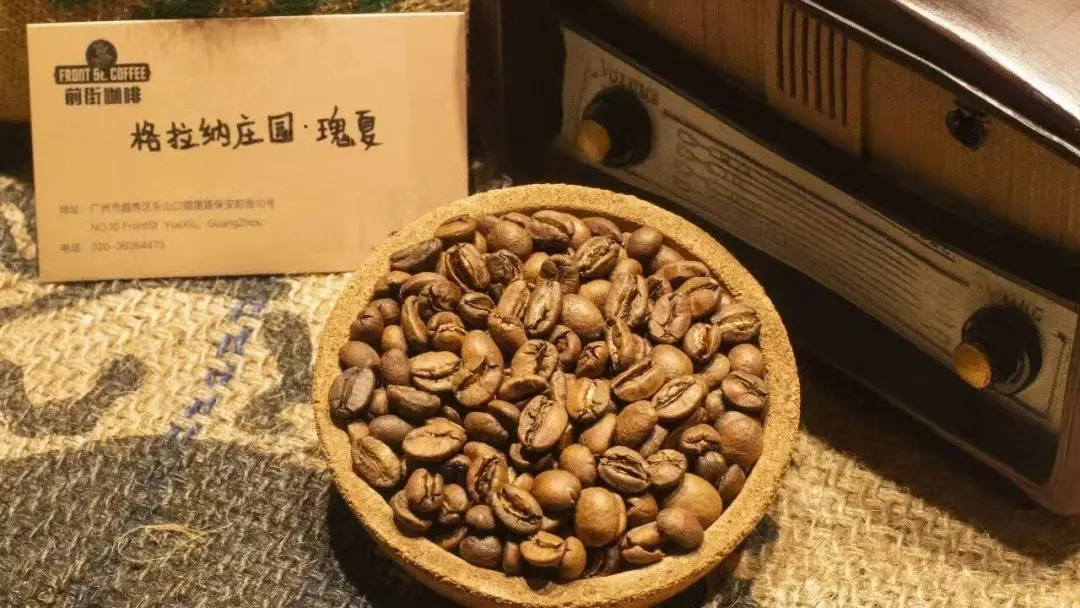
Through the slow drainage characteristic of the Kono filter cone, the coffee’s body and balance are effectively enhanced, making flavors like chocolate, pine, and spices more integrated, with a satisfying and lingering aftertaste. If you prefer dark roasts with bold mouthfeel and deep aromas, this setup is a great starting point.
Aside from choosing the right filter cone, here are some practical tips: the rib design and bottom shape of different filter cones affect drainage speed, which in turn changes the extraction rhythm. Additionally, pouring techniques (such as center pour or spiral pour), the use of filter paper, and pre-wetting methods all influence the final flavor. Beginners are advised to keep other variables constant and try switching filter cones to gradually find the combination that best suits their taste.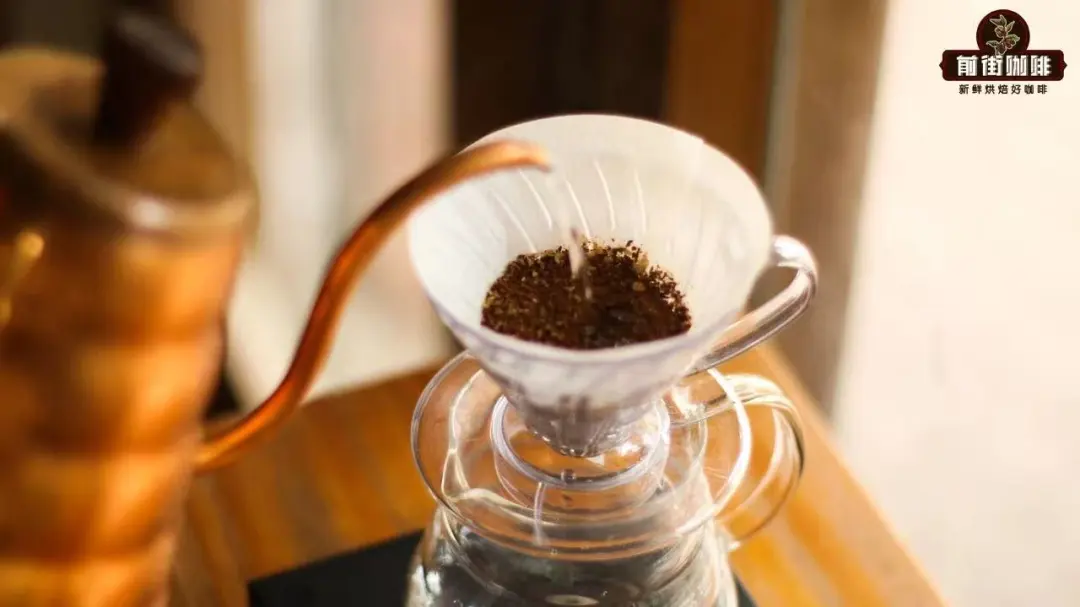
In summary, one of the charms of pour over coffee lies in its ability to showcase the diverse profiles of coffee beans through fine-tuned adjustments. Understanding the logic behind pairing filter cones with roast levels allows you to get closer to your ideal cup of coffee with every brew.
The above content is compiled by CoffeeHunters, a coffee news website.


