








Introduction:Milk-brewed coffee is an innovative cold brew method that uses milk instead of water to extract coffee, resulting in a rich and smooth milky coffee flavor. However, many people often encounter issues such as weak flavor, difficult filtration, and improper storage when trying it. This article will delve into the three key aspects of milk-brewed coffee: food safety, coffee bean selection, and filtration methods, helping you avoid common mistakes and easily brew a delicious and worry-free cup of milk-brewed coffee.
Milk-brewed coffee is a cold brew method that uses milk as the brewing medium. By steeping coffee grounds in milk rather than traditional water, it produces a milky coffee with a strong flavor and smooth texture. In recent years, this innovative brewing method has gained popularity among many coffee enthusiasts and social media influencers. However, for first-timers, there are still several important considerations regarding food safety, bean variety selection, and filtration methods. A small misstep can affect the overall flavor and even the drinkability.
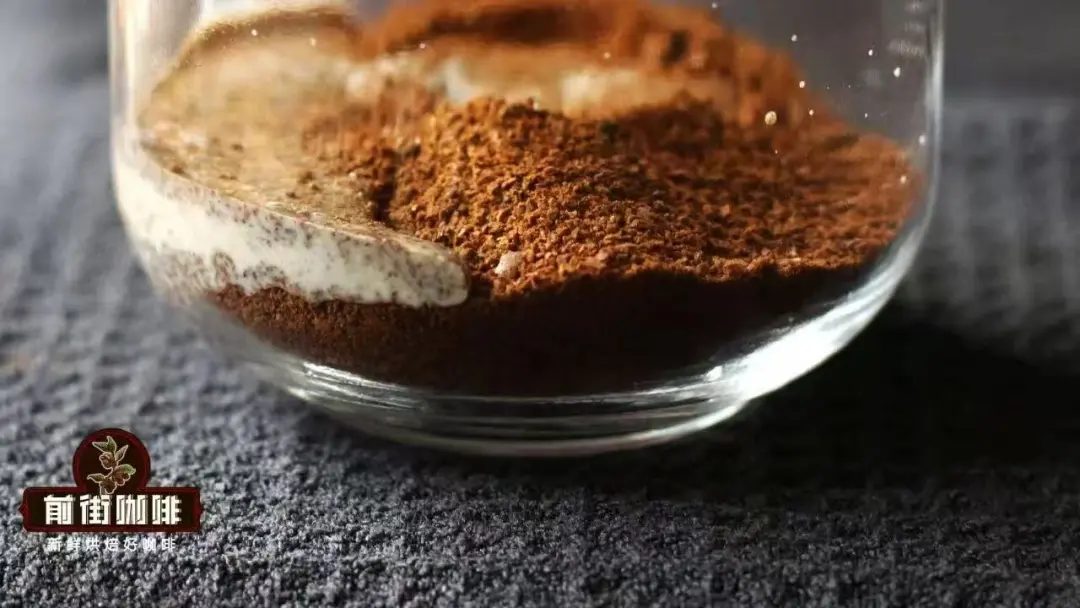
First and foremost, when it comes to milk-brewed coffee, food safety cannot be overlooked. Since milk is a high-protein dairy product, it is inherently prone to bacterial growth, especially at room temperature. When we mix coffee grounds with milk and let them steep for an extended period, not only does it increase the milk’s exposure to air, but it also raises the risk of bacterial proliferation, thereby shortening the safe consumption window.
To ensure the hygiene and safety of milk-brewed coffee, it is recommended to pay attention to the following points during preparation: First,all containers that come into contact with milk and coffee should be thoroughly sterilized in advance—you can use boiling hot water or professional sanitizing solutions to reduce the possibility of contamination by miscellaneous bacteria. Second,it is advisable to prepare only a small amount at a time, and consume it within 12–24 hours after brewing to avoid the risk of spoilage even after prolonged refrigeration. Additionally, if any milk-brewed coffee is left uneaten after being taken out, it is not recommended to refrigerate it again, as repeated temperature changes can further increase the chance of spoilage. Simply discarding it would be the safer option.
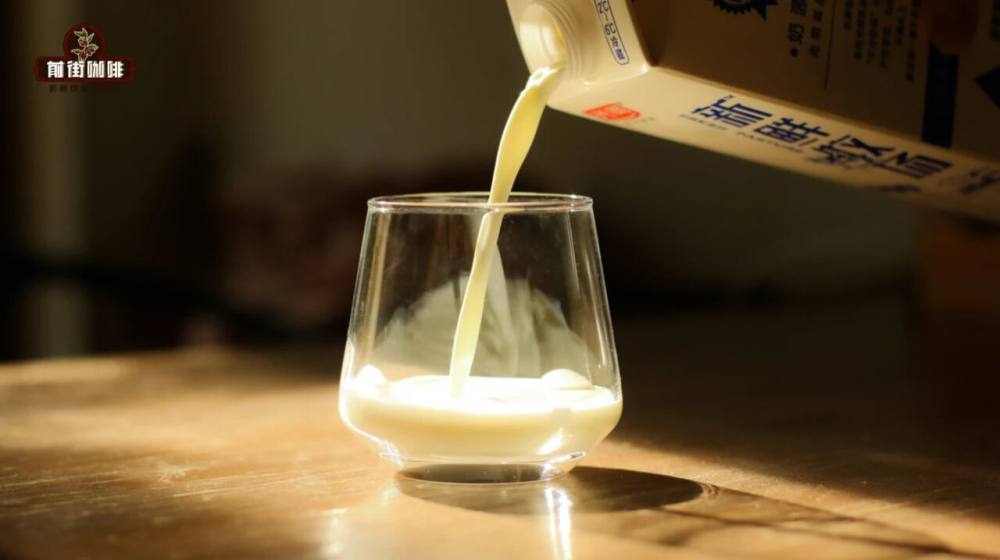
Apart from safety, selecting the right coffee beans is also one of the keys to the flavor performance of milk-brewed coffee. Since milk, as a solvent, has a much lower extraction efficiency than water, and its composition is complex and highly saturated, the aromatic compounds and acidity in coffee are difficult to fully release. Therefore, using a typical medium-to-light roasted bean for water brewing may result in nothing more than a “bland cup of strong milk.”
To achieve a more pronounced and satisfying coffee flavor, it is recommended to choosecoffee beans with intense flavors or dark roasts. Dark roasted beans generally have lower density and looser particle structure, so even with lower extraction efficiency, they can still release abundant roasted aromas such as caramel, chocolate, nuts, and spices. These flavors often pair more harmoniously with milk.
For example, dark roasted Golden Mandheling often carries strong notes of chocolate, spices, and nuts. When blended with milk, it delivers a smooth and full-bodied mouthfeel. If you prefer milk-brewed coffee with floral and fruity notes, you might consider blends with prominent berry characteristics. These beans typically offer bright berry, cream, and caramel flavors, which, when combined with milk, can create layers reminiscent of berry milk or cookie-like creaminess. Additionally, some dark roasted espresso-style beans can also bring unique tastes like strawberry taffy and white floral notes, making them a great choice for coffee enthusiasts who enjoy experimental flavors.
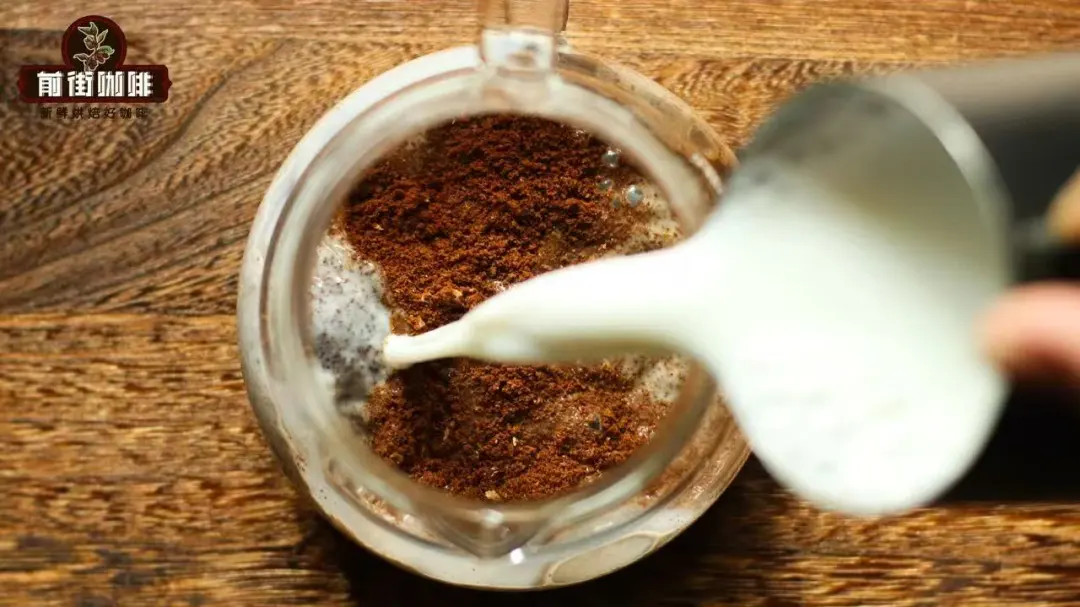
Finally, another major challenge of milk-brewed coffee lies in filtration. The fat, protein, and lactose in milk interact with the fibers of filter paper, significantly slowing down the filtration speed—it can sometimes take over half an hour to complete the process, which is quite a test of patience.
If you wish to speed up the filtration process, you can consider usinga tool with lower filtration precision or a looser structure, such as non-woven fabric filter bags, tea bags, or fine mesh cloth bags. The advantage of using tea bags is that no additional filter paper is required. Once steeping is complete, you only need to remove the tea bag to enjoy your drink directly, making the operation much simpler. Moreover, if you want to enhance extraction efficiency, you can also distribute the coffee grounds evenly across multiple small tea bags to prevent the grounds from piling up at the bottom of a single tea bag, thereby increasing the contact area with milk and improving overall extraction yield.
However, these alternatives also have their downsides—their filtration fineness is not as precise as professional filter paper, and a small amount of coffee fines may pass through with the liquid, affecting the final purity and smoothness of the drink. Therefore, if you are particularly concerned about the clarity and smoothness of the coffee, it is still advisable to patiently use filter paper and allow sufficient filtration time. If you prioritize convenience and efficiency, then tea bags are a more practical option, with actual results adjustable based on personal taste preferences.

The above content is compiled by CoffeeHunters, a coffee news website.


