








Introduction:The extraction of espresso is extremely precise and is influenced by multiple factors such as the condition of the coffee beans and environmental changes. A slight misstep can easily lead to flavor deviation. This article delves into why coffee shops need to regularly adjust their grind size, explores the key parameters affecting extraction, and teaches you how to determine whether to adjust the grind based on extraction time and taste feedback — ensuring consistent and stable flavor in every shot of espresso.
The method of extracting espresso is fundamentally different from that of pour over or French press. It relies on an extremely fine grind size combined with high pressure of up to 9 bar to efficiently extract the flavorful compounds from the coffee in a very short period of time. While this extraction method can fully release the rich layers of coffee flavor, it is also extremely sensitive — any minor change can affect the final extraction outcome. That’s why many professional coffee shops regularly calibrate their grind size to maintain the stability of espresso flavor.
The extreme characteristics of high-pressure extraction mean that every aspect of the process is crucial. Not just the grind fineness, but also the evenness of tamping, the force of the tamp, and even the condition of the coffee beans can directly influence the extraction result. Therefore, in addition to the basic adjustments made before opening each day, many shops continuously monitor the extraction performance during operation and make timely micro-adjustments to ensure consistent output quality.
So, what factors can affect the extraction of espresso? The foremost is the condition of the coffee beans themselves. The carbon dioxide and aromatic molecules in coffee beans are volatile and will gradually dissipate over time. When the carbon dioxide content in the beans is relatively high, the flow of water through the coffee bed slows down, leading to a longer overall extraction time. Conversely, if more carbon dioxide has been released, the flow rate increases, shortening the extraction time.
In addition, many shops use blends of coffee beans from different batches and roast dates. These beans may have slight differences in roast level and freshness, which in turn can affect the flow rate and flavor profile during extraction. Without timely adjustments to grind size and extraction parameters, uneven extraction and flavor imbalance can easily occur.
Apart from variables related to the beans themselves, environmental conditions are also a critical factor. Changes in temperature and humidity can affect the density of coffee grounds and their water absorption rate, thereby altering extraction efficiency. This effect is especially noticeable in regions with distinct seasonal changes or unstable weather. Therefore, even if the extraction performed perfectly the day before, it may still require re-calibration the next day due to environmental shifts.

So, how can you tell if your grind size needs adjustment? The key indicators lie inExtraction Time. Taking the common example of using 20 grams of coffee to extract 40 milliliters of espresso, many shops aim to control the extraction time between 25 and 30 seconds. This range typically yields a balanced extraction with a pronounced sweetness. If, with the same dose and yield, the extraction time suddenly drops to 24 seconds or extends to 38 seconds, it indicates that the state of the coffee beans may have changed, warranting further observation and adjustment.
In practice, it’s recommended that when you notice a significant deviation in extraction time from the normal range, you first pull a shot and taste it. If there’s noticeable sourness, overly thin mouthfeel, or prominent bitterness, it usually means under-extraction or over-extraction is occurring, and the grind size should be adjusted promptly. On the other hand, if the extraction time fluctuates slightly but the flavor remains balanced and the mouthfeel smooth, no major adjustment is needed.
For example, if you’re using a medium-dark roasted blend, such as a common combination of Brazilian and Yunnan beans, aiming to highlight rich chocolate and nutty notes, then a stable extraction time becomes key to ensuring these flavors are clearly expressed. If the time is too fast, it may lead to under-extraction and incomplete flavor layers; if too slow, over-extraction can easily produce unpleasant burnt bitterness.
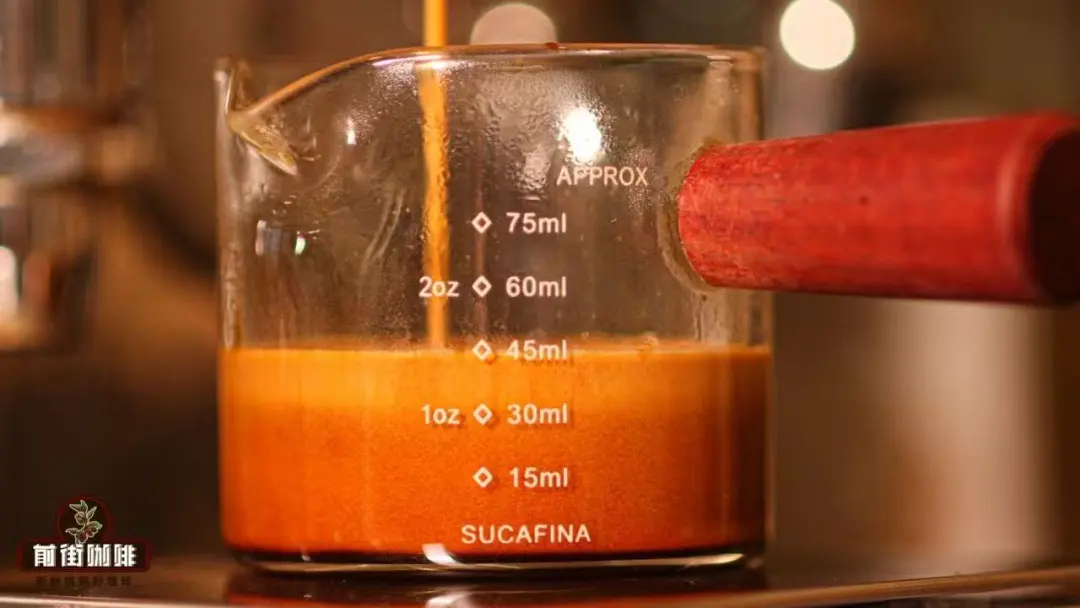
It’s important to note that even if extraction is completed within the same timeframe, the flavor may not necessarily be ideal. Differences in coffee bean batches, the aging period after roasting, or even the indoor humidity can cause the same set of parameters to yield varying results at different times. Therefore, making regular micro-adjustments based on actual extraction performance is the surest way to maintain stable espresso quality.
In summary, achieving stable espresso extraction relies on keen observation of grind size, extraction time, and the condition of the coffee beans. Through regular grind calibration and parameter optimization, not only can you ensure consistent flavor in every shot, but you can also gain a deeper understanding of the unique characteristics of the beans and the intricacies of the extraction process.
The above content is compiled by CoffeeHunters, a coffee news website.


