








Introduction:When brewing pour over coffee, the fit between the filter paper and the filter cone is often overlooked, yet it has a profound impact on extraction uniformity and coffee flavor. This article uses a conical filter cone as an example to deeply analyze how poor filter paper adhesion can lead to bypass water, affect drawdown speed and extraction parameters, and shares practical tips for adjusting folding angles and pressing to secure it — helping you steadily improve your brew quality.
Many pour over enthusiasts have encountered this issue: even when folding the filter paper according to standard steps, once placed in a conical filter cone, the edges may not fully adhere, with certain areas slightly lifting up. This is especially common when using conical filter cones, particularly when the cone’s taper and the preset angle of the filter paper do not fully match. So, does a failure of the filter paper and cone to tightly adhere really affect coffee extraction? The answer is yes.
The fit of the filter paper is not only related to whether the internal flow ribs of the filter cone can effectively guide water flow and support the structure of the filter paper, but it also directly affects whether hot water will bypass the gap between the filter paper and the filter cone to form “bypass water.” This insufficiently extracted bypass water dilutes the overall concentration of the coffee, leading to a thin flavor and lack of complexity. This is especially critical for filter cone designs that rely on the synergistic effect of the filter paper and ribs.

Take the classic V60 conical filter cone as an example. Its design features numerous and relatively long ribs. These ribs serve two main functions: first, to guide hot water along specific paths, ensuring the water sufficiently contacts the coffee grounds layer to enhance extraction efficiency; second, to prop up the filter paper and create air channels that help quickly release CO₂ from the coffee grounds, maintaining a stable drawdown speed. The realization of both functions depends on the tight adhesion of the filter paper to the walls of the filter cone — only when the filter paper accurately contacts the rib structure can it effectively perform its guiding and venting roles.
In addition, for filter cones with smooth walls and no obvious flow-guiding design, the degree of fit between the filter paper and the cone becomes even more important. A fully adhered filter paper ensures that all injected hot water uniformly passes through the coffee grounds layer, avoiding the situation where some water flows directly through due to existing gaps, causing uneven extraction. Conversely, if there are multiple gaps between the filter paper and the cone, during pouring the hot water may preferentially flow through these lower-resistance areas, forming bypass water, ultimately resulting in a dull coffee taste and lack of depth in flavor.
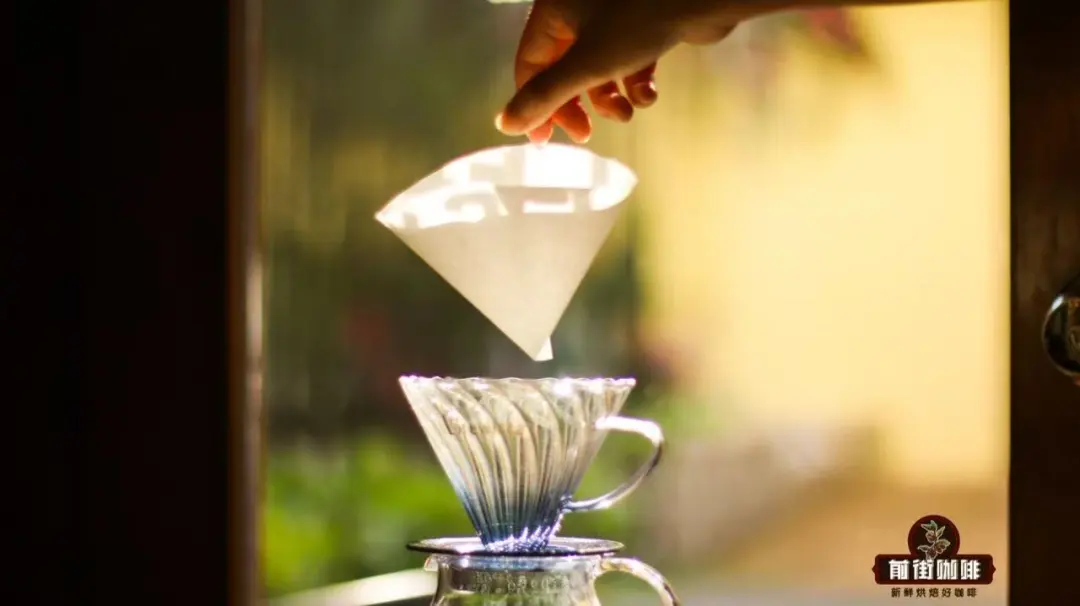
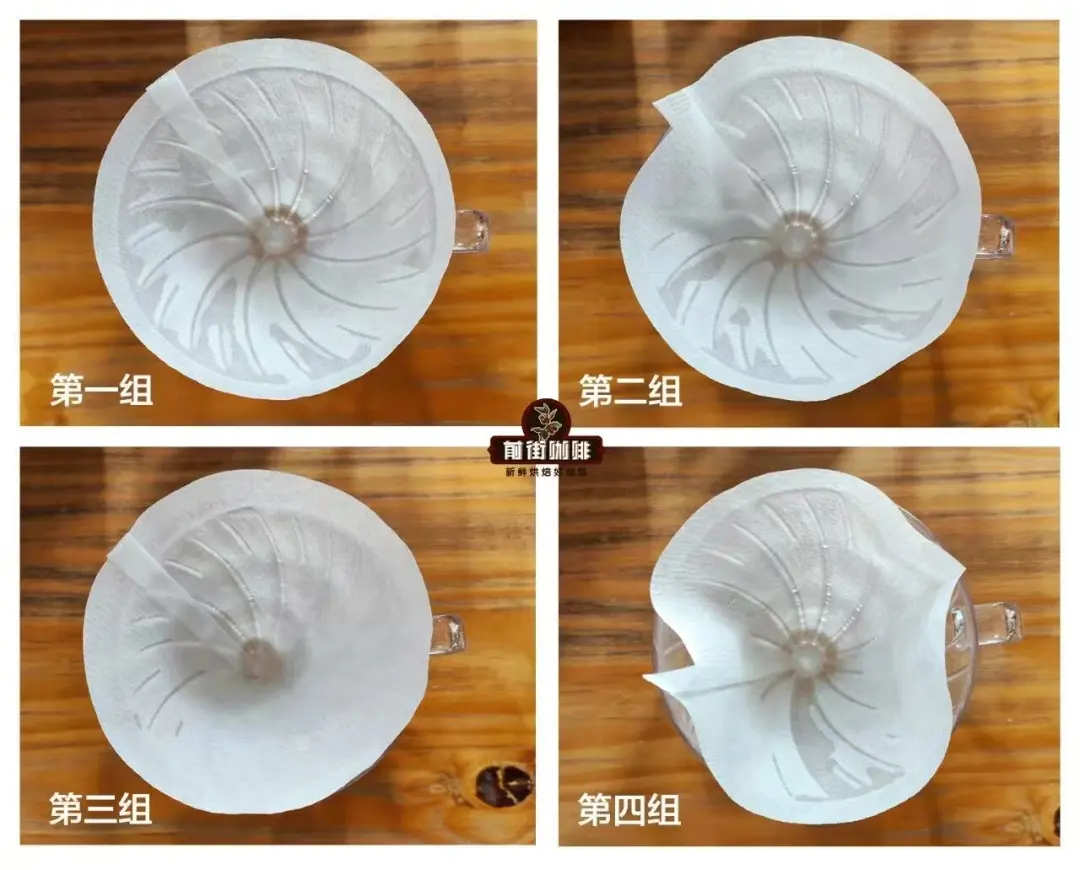
An industry experiment was once conducted: under the same grind size, water temperature, and pouring technique, brewing was done using filter paper that fully adhered to the cone and filter paper with noticeable gaps. The results showed that the latter produced coffee with observable differences in flavor expression and extraction parameters (such as concentration and TDS values) — although the difference was not extreme, it was enough to affect the overall evaluation in professional cupping. This result confirms the importance of filter paper adhesion for most filter cone designs.
If you frequently encounter issues with poor filter paper adhesion, you might want to try the following two proven practical techniques, which can effectively improve the stability of the filter paper’s fit with the filter cone, helping you more consistently brew your ideal flavor.
Technique 1: Adjust the Filter Paper Folding Angle
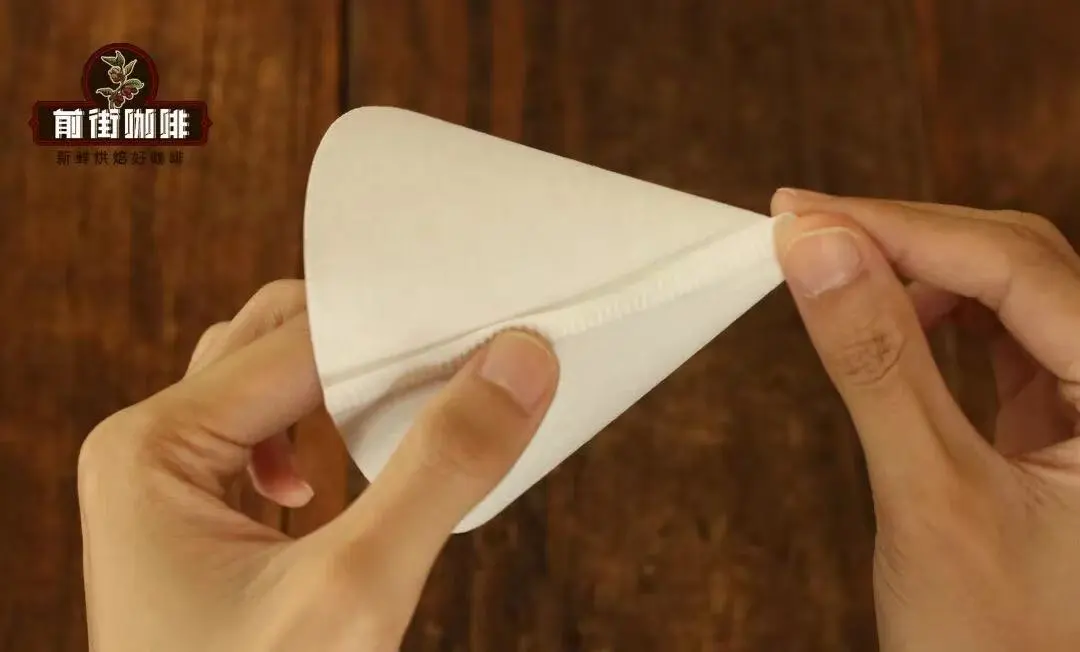
Conical filter paper is usually pre-folded according to a standard cone taper, but the tapers of filter cones on the market are not entirely uniform. If you find that after standard folding, the edges of the filter paper do not fully adhere to the walls of the filter cone (for example, one side lifts or there is a noticeable gap at the bottom), you can try slightly adjusting the folding angle: reduce or increase the number of folded layers on the outermost side (for example, changing the original three-layer fold to two or four layers), by altering the slope of the top opening of the filter paper so that it better matches the taper of the current filter cone. After adjusting, unfold the filter paper again, place it in the filter cone, and observe the fit — this usually significantly improves the issue of edge lifting.Note: Try to keep the folding symmetrical to avoid excessive adjustment that may deform the filter paper structure.

Technique 2: Manually Press and Secure Before Wetting
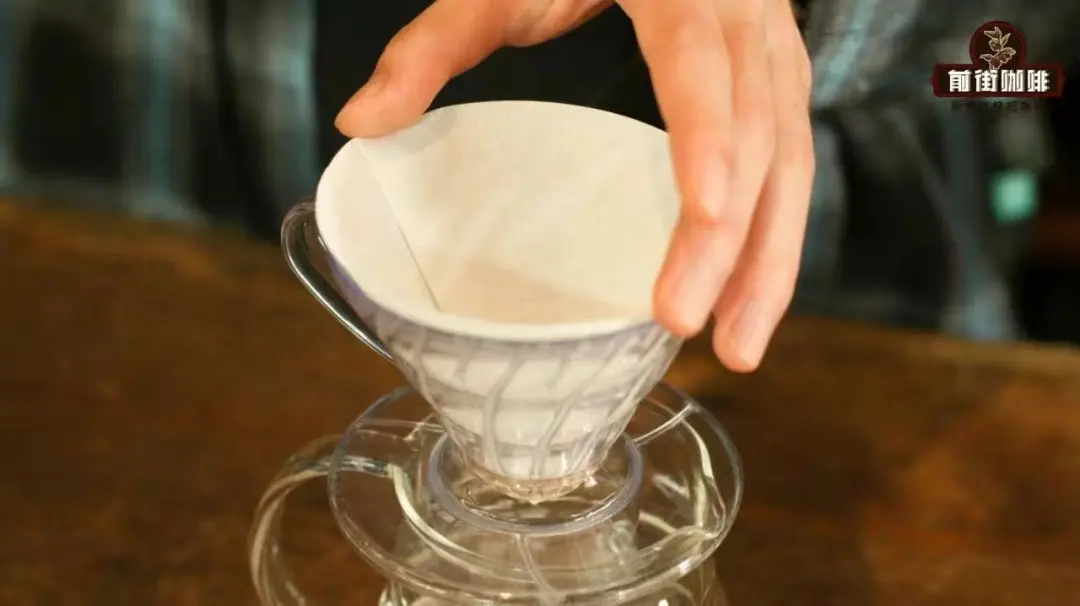
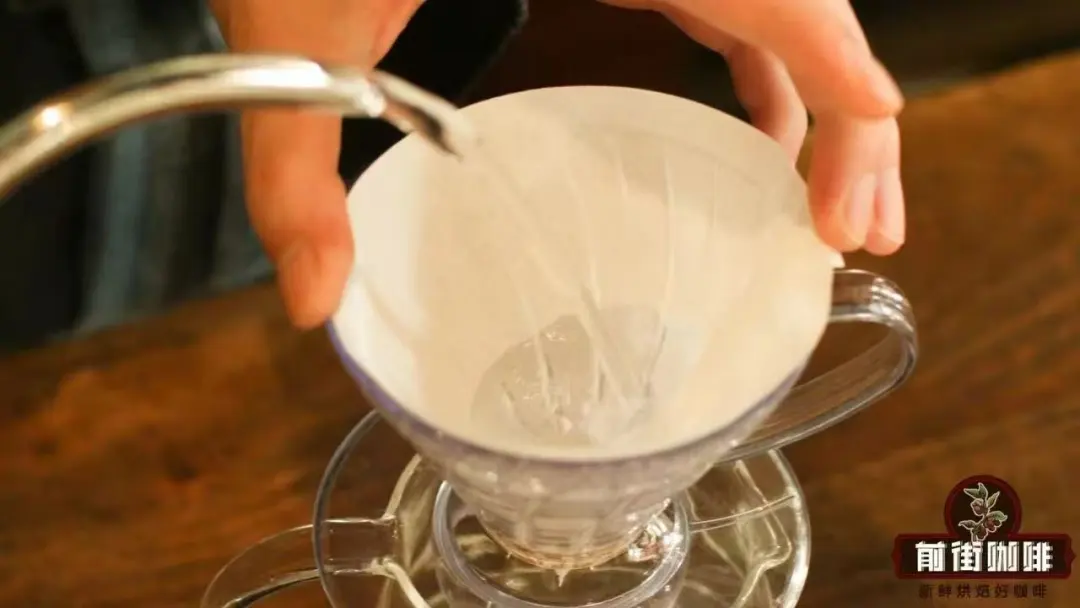
If the folding angle of the filter paper itself matches the filter cone well, but it tends to shift during hot water infusion due to capillary action or water flow impact (for example, the edges of the filter paper lift, creating gaps), this can be resolved through a simple pressing action. The specific method is: after placing the filter paper in the filter cone and unfolding it preliminarily, before injecting about 30–50ml of hot water to wet the filter paper, use two fingers (preferably the index and middle fingers) to gently press on both sides of the filter paper (near the edges). Maintain the pressing while pouring the hot water, using the adhesive force of the water to allow the filter paper to naturally adhere to the walls of the filter cone. Once the filter paper is fully wetted, gently remove your fingers and continue with the subsequent pouring steps. This method effectively prevents the filter paper from shifting during the wetting process due to lack of fixed points.
Points to note during operation:Do not press too hard to avoid creasing the filter paper and affecting water flow; if any local lifting remains after wetting, gently push with your fingers to adjust before continuing to pour.

In summary, the fit between the filter paper and the filter cone may seem minor, but it is a crucial factor affecting the extraction uniformity, flavor expression, and parameter stability of pour over coffee. By adjusting the folding angle of the filter paper to suit the cone’s taper, or manually pressing and securing it before wetting, you can effectively solve most issues of poor adhesion. Next time you brew, pay a bit more attention to this step — it may bring a more balanced taste and richer complexity to your coffee.
The above content is compiled by CoffeeHunters, a coffee news website.


