







Introduction:Grind size is one of the key variables in pour over coffee, directly affecting extraction efficiency and flavor expression. This article delves into how to adjust grind coarseness based on water flow and brew time, debunks common beginner misconceptions, and compares particle distribution differences between hand-cranked and electric grinders through practical testing. It also provides useful recommendations to help coffee enthusiasts find their optimal grind settings.
Among the many variables in pour over brewing, grind size plays a pivotal role. The size of coffee particles directly determines the surface area in contact with water, thereby influencing aroma release and flavor presentation. If the grind is too coarse, it can lead to under-extraction, resulting in weak flavors; conversely, if it’s too fine, it may cause over-extraction, producing bitter and off-flavors. Many beginners often fall into the traps of memorizing grind settings, making overly large adjustments at once, or neglecting grind uniformity. This article will start from basic principles, analyze these common issues, and use test data to compare the fineness and flavor performance of hand-cranked and electric grinders, helping readers develop a scientific approach to grind adjustment.
When you get a bag of high-quality coffee beans and are about to start brewing, selecting the correct grind parameters is a crucial step. This not only affects extraction efficiency but also directly determines the final flavor outcome. Subtle differences in grind size can either fully showcase the coffee’s aromas or easily disrupt its intended complexity. The key lies in whether you can flexibly adjust the coarseness of the coffee grounds according to actual conditions and find the optimal extraction balance point.
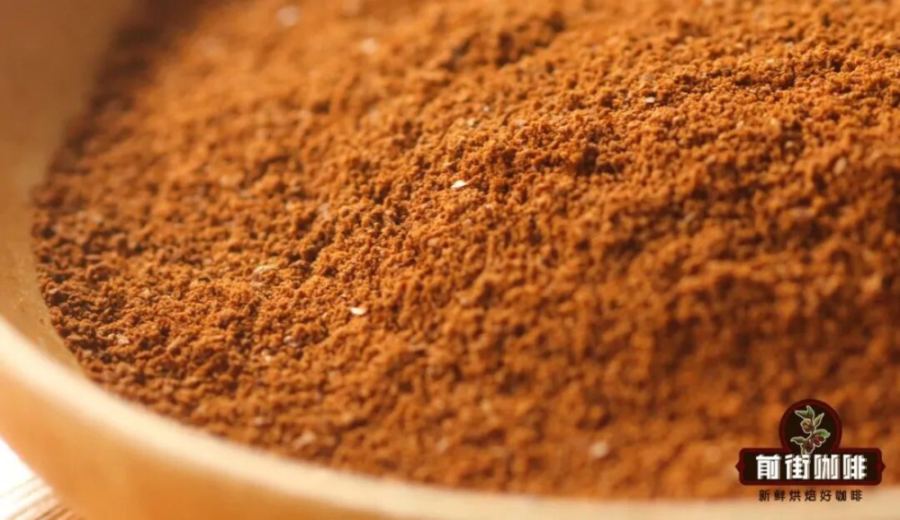
So, is it better to grind coarser or finer? In pour over brewing, the grind setting directly influences the coarseness of the coffee grounds, which in turn changes the contact area between coffee and water as well as the extraction speed. Under unchanged conditions, if the coffee is ground coarser, the larger gaps between particles allow water to flow through more quickly, reducing extraction efficiency and often leading to under-extraction with flavors that are light and lack body. In this case, you might consider adjusting the grind to be slightly finer. On the other hand, if the grind is too fine, the tightly packed particles slow down water flow, causing over-extraction that may bring out excessive bitterness and impurities. Here, you should adjust the grind to be coarser to improve flavor performance.
One of the first common mistakes among beginners is “rote memorization” of grind settings. There are numerous grinder brands and models on the market. Although most operate similarly—usually by rotating a dial where smaller numbers indicate finer grinds and vice versa—the scale standards vary across different brands and machines. Even the wear level of burrs can affect the final grind coarseness. Therefore, instead of blindly applying grind numbers shared by others, it’s better to judge based on actual brew time and flavor outcomes. For example, under standard pour over parameters (15g coffee, 1:15 coffee-to-water ratio, 88–93°C water temperature, and three-pour method), if the total brew time exceeds 2 minutes and 30 seconds, it may indicate the grind is too fine and should be adjusted coarser; if it finishes in less than 1 minute and 50 seconds, the grind might be too coarse and needs to be adjusted finer.
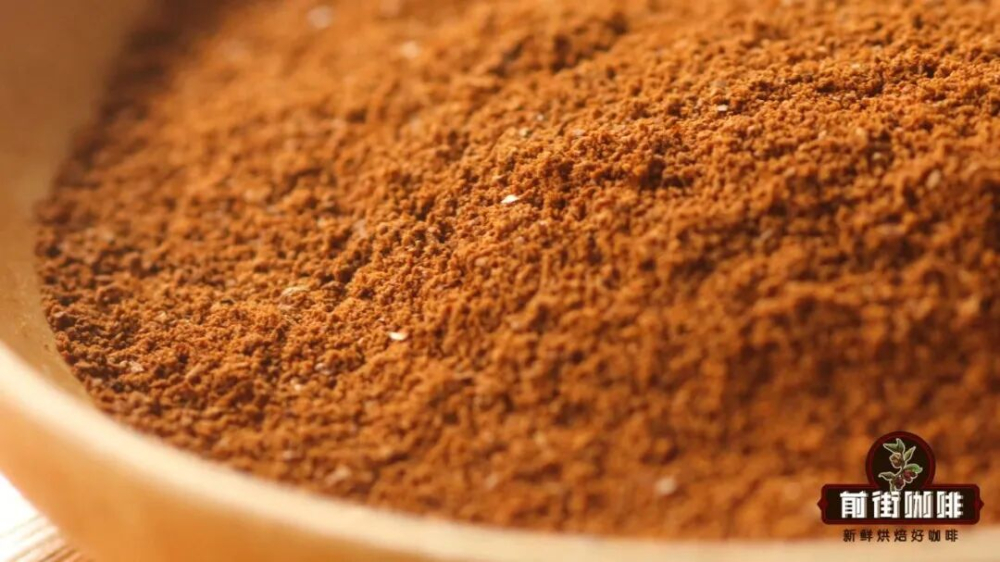
The second common issue is “making large grind adjustments.” Some beginners, upon noticing off flavors, habitually make wide-ranging adjustments to the grind setting in hopes of fixing the problem all at once. However, grind adjustments should follow the principle of “fine-tuning.” As long as the brew time falls within a reasonable range of 1 minute and 50 seconds to 2 minutes and 10 seconds, and the overall flavor profile isn’t drastically off—only presenting minor issues like dull flavors or a messy mouthfeel—it’s recommended to adjust just one small notch at a time, record each change, and gradually find the most suitable setting.
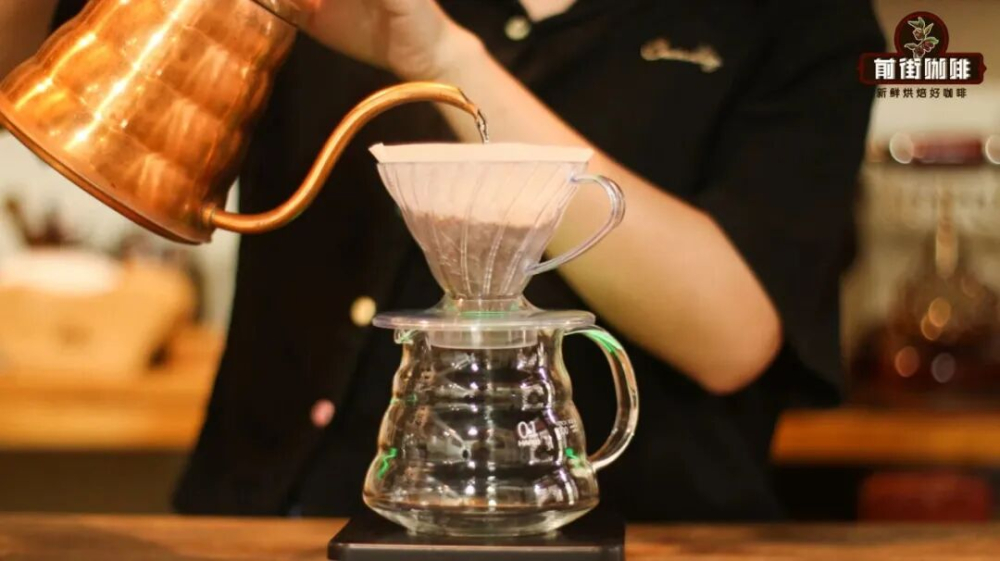
The third often overlooked factor is the “uniformity” of coffee grounds. In fact, having a consistent particle distribution is more important than simply aiming for a specific grind size. Only when coffee particles are uniform in size can extraction be even, avoiding the contradiction of some grounds being over-extracted while others are under-extracted. To verify this, we conducted a test using the same Kenyan single-origin coffee, grinding it with an electric grinder (EK43s, set to -10 on the scale) and a hand-cranked grinder priced under 100 yuan (set to the 5th level), both to achieve 80% of the coffee passing through a standard #20 sieve. We then brewed using identical pour over parameters (15g coffee, 1:15 coffee-to-water ratio, 93°C water temperature, three-pour method).
The test results showed that the EK43s group had a drip time of about 2 minutes, while the hand-cranked grinder group took an additional 15 seconds. Observing the coffee grounds, the electric grinder produced uniformly sized particles, similar to fine sugar, with clear gaps between them, indicating good airflow. In contrast, the hand-cranked grinder also produced mainly sugar-like particles, but with more fine powder attached to the surface. These fine particles tend to settle at the bottom and edges of the filter, affecting extraction uniformity.
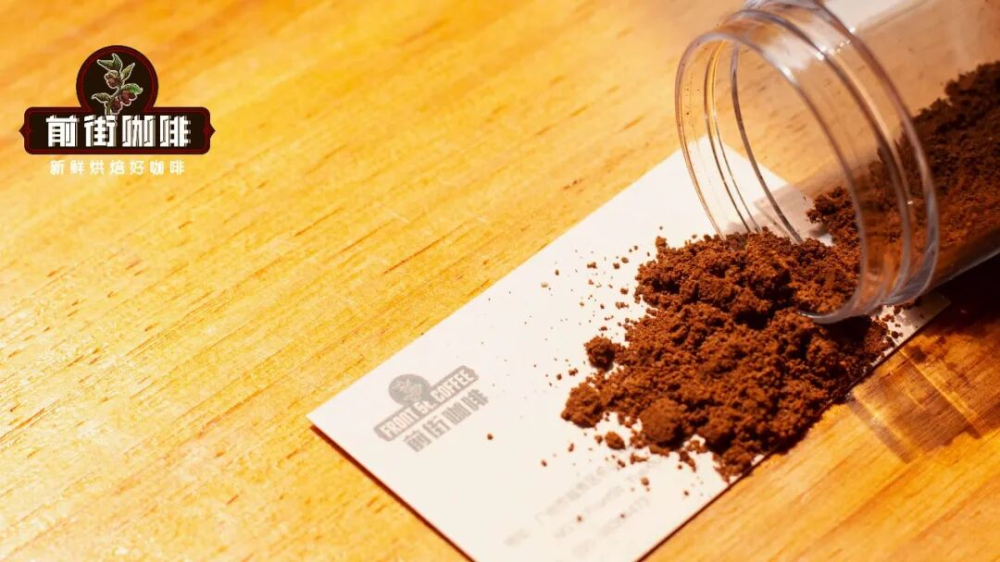
In terms of flavor, the EK43s group exhibited bright acidity and rich complexity, with fresh notes of cherry tomato and Asian pear, followed by caramel-like aromas, transitioning to the sweetness of ripe plums as the cup cooled. By comparison, the hand-cranked grinder group delivered flatter flavors, primarily featuring a base of nuts and berries with subtle sugarcane sweetness, but a slightly bitter aftertaste. The overall flavor profile lacked the vibrancy of the former. This clearly demonstrates the critical impact of grind uniformity on coffee flavor—uneven grinding causes extremely fine particles to release flavors prematurely while coarser particles are under-extracted, ultimately resulting in conflicting flavor outcomes.
For beginner coffee enthusiasts, it’s recommended to choose an entry-level hand-cranked grinder priced between 200 and 499 yuan. While these devices are considered basic, they are affordable and provide essential control over grind particle size, helping users develop sensitivity to grind fineness and laying a solid foundation for further improving pour over skills.
The above content is compiled by CoffeeHunters, a coffee news website.


