







Introduction:To make a deliciously smooth flat white or cappuccino, the milk heating temperature is one of the key factors. Why is the industry-standard range of 65°C±3°C often mentioned? This temperature range not only enhances the natural sweetness of the milk but also helps stabilize the foam, making latte art more long-lasting and visually appealing. This article delves into how temperature affects flavor and texture, and offers practical advice to help you adjust your milk coffee to suit your personal taste.
When crafting a hot flat white or cappuccino, the milk heating temperature is often one of the most critical factors influencing the final flavor and texture. Many baristas aim to heat and control the milk within the range of 65°C±3°C. Behind this number lies careful consideration for both sweetness and foam performance. By understanding the science behind this temperature range, you too can tailor your milk coffee to better match your preferences.

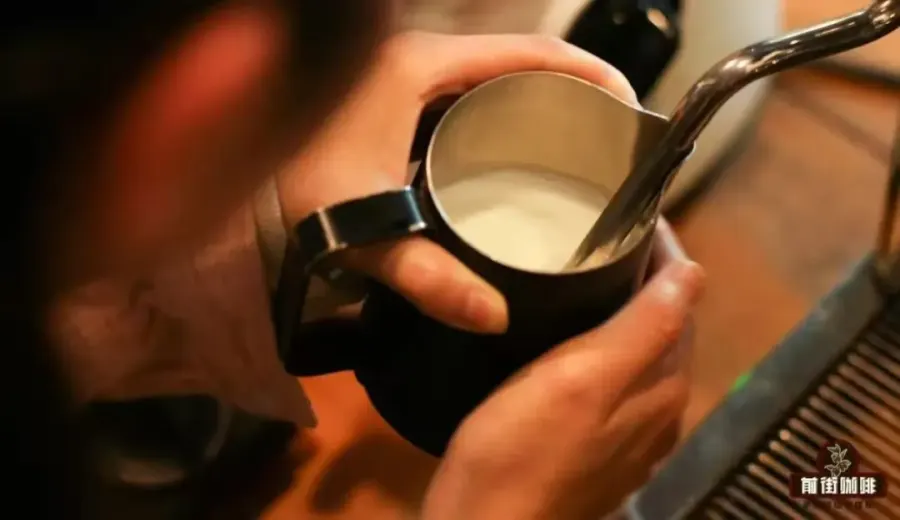
When you see a barista steaming milk with a specific pitcher grip, besides aiming for a fine-textured foam, they are also precisely controlling the final milk temperature—targeting the common industry benchmark of 65°C±3°C. However, this doesn’t mean strict adherence is required; rather, it’s an ideal range derived from repeated experimentation and observation that balances flavor and technical execution.
Many coffee beginners or enthusiasts often wonder: why does flat white milk need to be around 65°C? Some introductory courses even teach how to judge whether the milk has reached this temperature range by feel and sound, without using a thermometer. In reality, this temperature isn’t absolute, but it does come with certain advantages.
So, does flat white milk really “have to” be heated to 65°C? The answer is no. Strictly speaking, this is merely a “recommended reference value” derived from industry experience and experimental data. If you prefer your coffee a bit cooler, heating the milk to 50°C or 55°C is perfectly drinkable; conversely, if you want a warmer cup on a cold day, going up to 70°C is also fine. The key is understanding how different temperatures affect the overall coffee experience, then adjusting based on personal preference.

First, let’s look at how temperature affects the sweetness of milk. One experiment used a particular espresso blend with pronounced fruity and floral notes—Strawberry Sugar · Espresso—under fixed extraction parameters (20g coffee, 30 seconds, 40ml espresso), and prepared lattes at a 1:5 coffee-to-milk ratio. Different milk temperatures were tested, and the results showed that when the milk was between 55°C and 65°C, the sweetness of the latte was most pronounced. In contrast, milk above 70°C showed a noticeable drop in sweetness, while milk below 50°C had only moderate sweetness levels.
Why is milk between 55°C and 65°C sweeter? There are two main reasons. First, the human palate is most sensitive to sweetness within this temperature range, making it easier for us to perceive the sweet components in both the milk and coffee. Second, this temperature range also promotes slight hydrolysis of lactose in the milk, converting it into glucose and galactose—both of which are sweeter than lactose itself, thereby further enhancing the overall sweetness.
Beyond sweetness, milk temperature also directly impacts the stability of the foam and the longevity of latte art. The texture of the foam depends not only on steaming technique but also closely relates to the final milk temperature. If the temperature is too low, the foam may turn out rough and unstable due to insufficient “stretching” time. If the temperature is too high, it may damage the protein structure in the milk, causing the foam to break easily and making it difficult to maintain delicate latte art patterns.

The 65°C±3°C range strikes a balance between these two extremes—it ensures the foam has enough time to form a fine, velvety texture without being compromised by excessive heat, resulting in latte art that is both beautiful and long-lasting. This is why many professional baristas pay special attention to keeping the milk within this temperature range when making lattes.
In summary, although 65°C±3°C is a commonly recommended temperature range in the industry, it is not an unchangeable standard. You can adjust the milk heating temperature appropriately based on the season, your personal taste preferences, or actual drinking conditions. Whether you choose the mellow feel of 50°C, the sweetness of 65°C, or the warmth of 70°C, the key is understanding how temperature influences flavor and texture—so you can make the choice that’s best for you.
The above content is compiled by CoffeeHunters, a coffee news website.


