








Introduction:To brew Ethiopian Huila Geisha coffee with elegant flavors using the pour over method, the combination of water temperature and grind size is crucial. Why do some people use 88°C while others insist on 93°C? This article delves into the practical effects of water temperature on coffee extraction yield, flavor expression, and concentration, and provides water temperature selection advice and compensation techniques tailored for floral-forward beans like Huila Geisha, helping you accurately master ideal extraction parameters.
Have you ever had this doubt: for the same pour over coffee beans, some recommend 88°C while others prefer 93°C or even higher? In fact, this reflects the differing understandings among baristas or enthusiasts about the role of "water temperature" in the extraction process. In the actual operation of a coffee shop, such conversations are not uncommon: when recommending 90–93°C water temperature for medium-light roasted beans, it’s common to hear customers ask back, "Why not 88°C?"
This kind of discussion highlights one of the most critical variables in pour over coffee — how water temperature affects the flavors and mouthfeel in our cup.

Simply put, water temperature is one of the core factors that influence coffee extraction efficiency. As the water temperature rises, the activity of water molecules increases, enabling faster extraction of soluble substances from the coffee grounds, including acidity, sweetness, and aroma; conversely, when the water temperature is lower, the release rate of these substances slows down. A relatable example: just like using hot water to brew Isatis root granules, the powder dissolves quickly; but if you use room temperature water, even with prolonged stirring, undissolved particles may remain. The principle of coffee extraction is actually quite similar.
However, although higher water temperature can increase extraction speed, it doesn’t guarantee that you’ll brew “tasty coffee.” That’s because about 30% of the soluble substances in coffee beans include components that can bring excessive bitterness or off-flavors. Therefore, what we aim for is not “as much extraction as possible,” but rather extracting the right amount of positive flavors while avoiding the release of too many negative substances.
In other words, adjusting water temperature is actually about controlling the overall "efficiency and balance" of extraction. But note that water temperature is not the only parameter affecting extraction. Grind size, brew ratio, and brewing time can also significantly alter extraction results. So when you see someone using 88°C and another using 96°C, there are often different settings for other parameters behind the scenes, all aiming to keep the overall extraction within an ideal range.
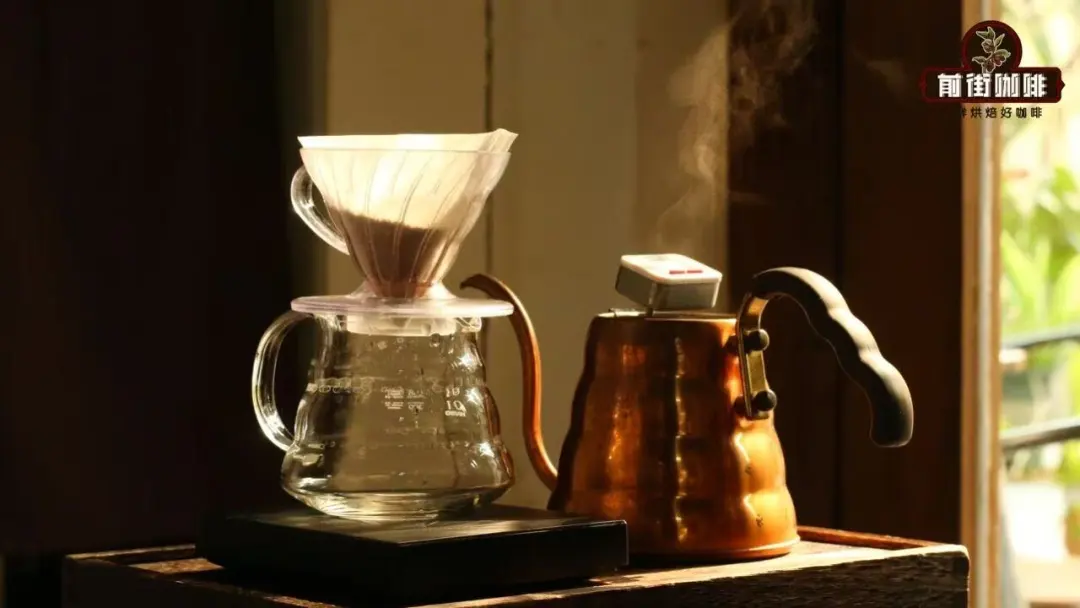
This also explains why different shops or experts might give vastly different water temperature recommendations for the same coffee bean. If you use a coarser grind, you might need a slightly higher water temperature to maintain extraction efficiency; conversely, if the grind is finer and the brewing time longer, you may need to lower the water temperature to avoid over-extraction. Therefore, the choice of water temperature often reflects one part of the overall brewing strategy, rather than a single decisive factor.
Additionally, sometimes we adjust water temperature to "highlight certain specific flavors." For instance, for coffee beans with distinct floral characteristics, such as Ethiopia’s Huila Geisha, moderately lowering the water temperature helps make the floral notes more pronounced and lingering. This is because floral aroma compounds typically dissolve more quickly; if the water temperature is too high, these delicate aromas may be overly released or even evaporate rapidly during the early stages of brewing, leading to weaker floral notes in the cup.
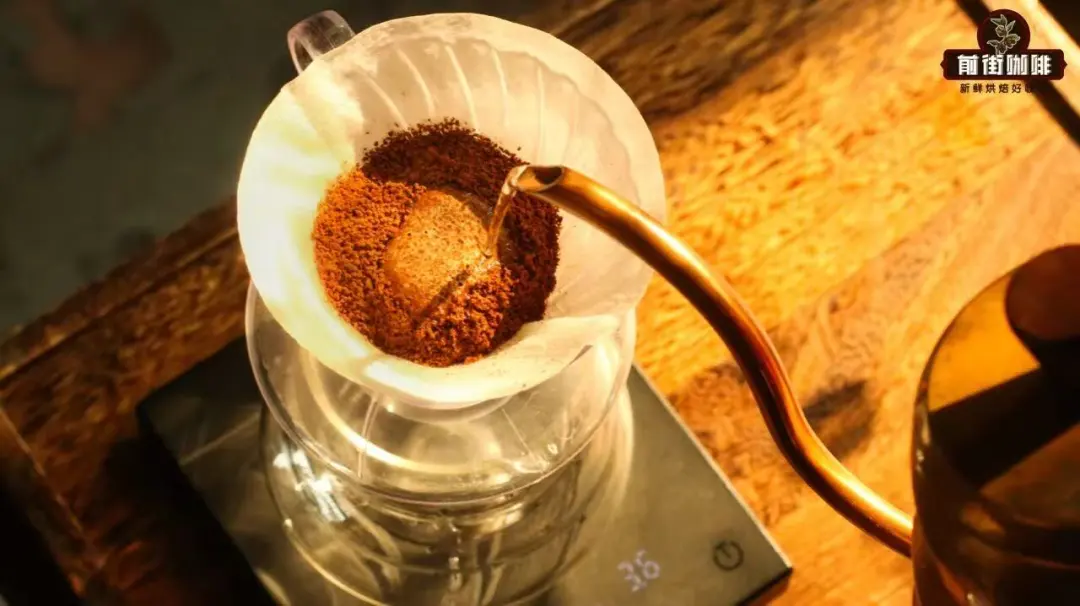
Lowering the water temperature slows down the early-stage extraction, allowing floral compounds to dissolve more steadily while reducing volatilization loss, resulting in a final cup with richer and more layered aromatic expression. However, it’s important to note that lowering the temperature also reduces overall extraction efficiency, which may lead to incomplete flavor or insufficient body. Therefore, if choosing to brew at a lower temperature, it’s usually necessary to compensate by increasing grind size, extending brewing time, or increasing contact time between coffee and water to make up for the reduced extraction due to the lower temperature.
In practice, for beans like Huila Geisha, many professional baristas recommend using a water temperature of 88–90°C, paired with a medium-fine grind (such as medium-fine or slightly finer than typical medium roast), a brewing time around 2 minutes, and a brew ratio of 1:15 to 1:16. This can more stably present its bright acidity, delicate sweetness, and layered floral notes. But this isn’t absolute — each user can fine-tune based on their own equipment (such as V60, Kalita Wave, or Chemex), water quality, and personal taste.
In summary, water temperature plays a key regulatory role in coffee extraction, influencing not only extraction speed but also directly affecting the final flavor presentation. Whether you’re a beginner in pour over brewing or an experienced coffee enthusiast, understanding the interplay between water temperature and other parameters can help you more precisely craft your ideal cup of coffee tailored to your taste.

The above content is compiled by CoffeeHunters, a coffee news website.


