







Introduction:The controversy surrounding Luckin Coffee over employees destroying former spokesperson Wang Yibo’s cutout figure has sparked heated discussion. The incident not only triggered fan boycotts but also drew industry attention to the handling protocols of promotional materials after the termination of an endorsement contract. This article details the full sequence of events, analyzes the brand's response measures, and explores key considerations in protecting celebrity image rights in commercial collaborations, helping readers gain deeper insight into the operational intricacies of coffee brands.
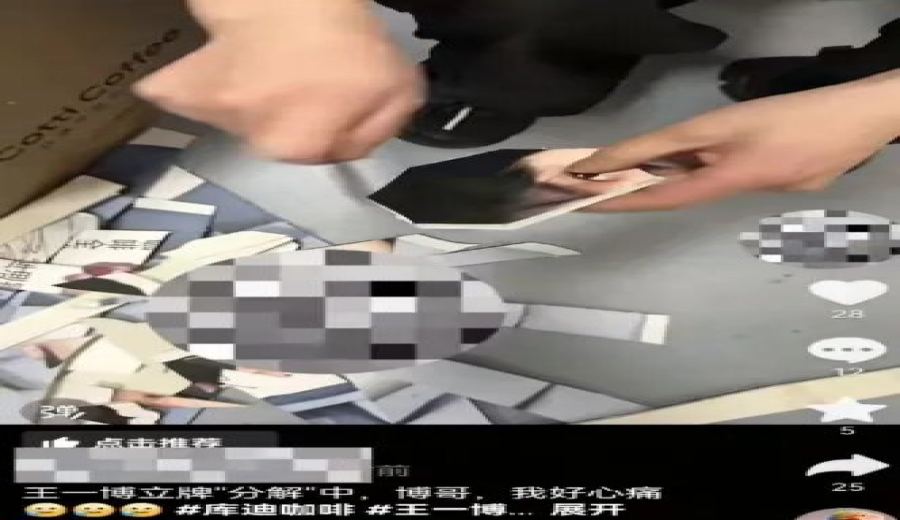
Recently, a video showing Luckin Coffee employees destroying the cutout figure of former spokesperson Wang Yibo went viral on social media platforms. In the footage, a store employee deliberately cut off the head of the figure and uploaded it with the caption “Dismantling Wang Yibo’s cutout,” which provoked strong dissatisfaction and a wave of boycotts among fans. As the incident spread, Luckin issued a public apology statement on February 28, announcing the termination of cooperation with the involved store and its closure, while pledging to strengthen training and supervision regarding material recovery processes.
Screenshots from the circulated video show the employee specifically targeting the head area of the spokesperson’s cutout and recording the entire destruction process. This act upset many fans. Although the original video has been deleted, it still had an impact on the brand’s image. Notably, in 2024, Luckin announced Wang Yibo as its brand spokesperson, which led to significant sales growth at multiple locations. According to franchisees, sales increased by 80% to 350% month-on-month following the official announcement. In 2025, Wang Yibo was further promoted to the global brand spokesperson for Luckin, marking an important milestone after the brand exceeded 10,000 stores.
According to industry practices and endorsement contracts, upon termination of a collaboration, brands are required to systematically remove all related materials online and offline. Online materials include advertisements on e-commerce platforms, images and videos on the official website; offline materials involve posters in stores, outdoor advertisements, and product packaging that must be replaced or sealed. Unused promotional items and merchandise must also be destroyed or removed to prevent them from entering the second-hand market and causing infringement issues. Therefore, from a procedural standpoint, Luckin employees dealing with expired materials falls within the normal scope of their responsibilities.
However, fans expressed strong dissatisfaction, believing that the deliberate filming of the cutting process targeting the spokesperson’s face showed a lack of professionalism and respect toward the partner. Legal experts pointed out that unauthorized vilification or damage to someone’s likeness may constitute infringement, and publicly sharing such footage could even infringe on the right of reputation. After the incident came to light, many fans demanded a formal apology from Luckin. Some users even canceled their membership cards and announced boycotts, emphasizing that they “purchased because of the spokesperson, but left due to the brand’s values.”
Faced with public pressure, Luckin posted a statement on social media on February 28, stating that the collaboration with Wang Yibo had concluded successfully, and apologized to the spokesperson, fans, and consumers for the improper handling of materials by the individual store. The brand promised to immediately terminate cooperation with the involved store and close it. Moving forward, it will enhance staff training, improve material recovery procedures, and strengthen inspection and monitoring mechanisms to prevent similar incidents from recurring.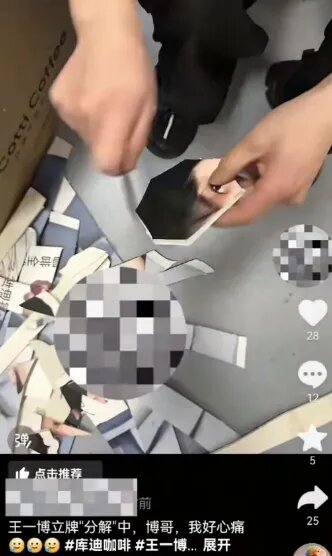
This incident highlights the importance of material management after the termination of an endorsement contract and reminds the industry to pay greater attention to the protection of celebrity image rights. For coffee brands, properly handling the termination of partnerships is not only a legal requirement but also key to maintaining brand reputation and consumer trust.
The above content is compiled by CoffeeHunters, a coffee news website.


