







Introduction:When coffee beans are graded by size, a special PB grade is often seen—peaberry beans, which make up only 5% to 10% of the yield but command high prices. How exactly do peaberries form? How do their flavors differ from regular flat beans? And why do renowned regions like Blue Mountain separate and sell peaberries as a distinct grade? This article delves into the definition of the PB grade, explores how peaberries form, and through practical taste comparisons between peaberries and flat beans, helps you understand the true relationship between bean size and quality—and master the key points in selection.
As agricultural products, coffee beans naturally vary in quality from one to another. Therefore, many producing regions conduct rigorous grading before export according to national standards, facilitating international trade pricing and buyer selection. Although grading methods vary, generally a higher grade indicates better quality and a relatively higher price. However, within systems that grade primarily by bean size, there is a special grade commonly known as “PB,” as seen in Kenyan and Jamaican Blue Mountain coffees. Puzzlingly, although the PB grade is ranked lower in the sequence, its selling price often approaches that of the highest grade. What secrets lie behind this?
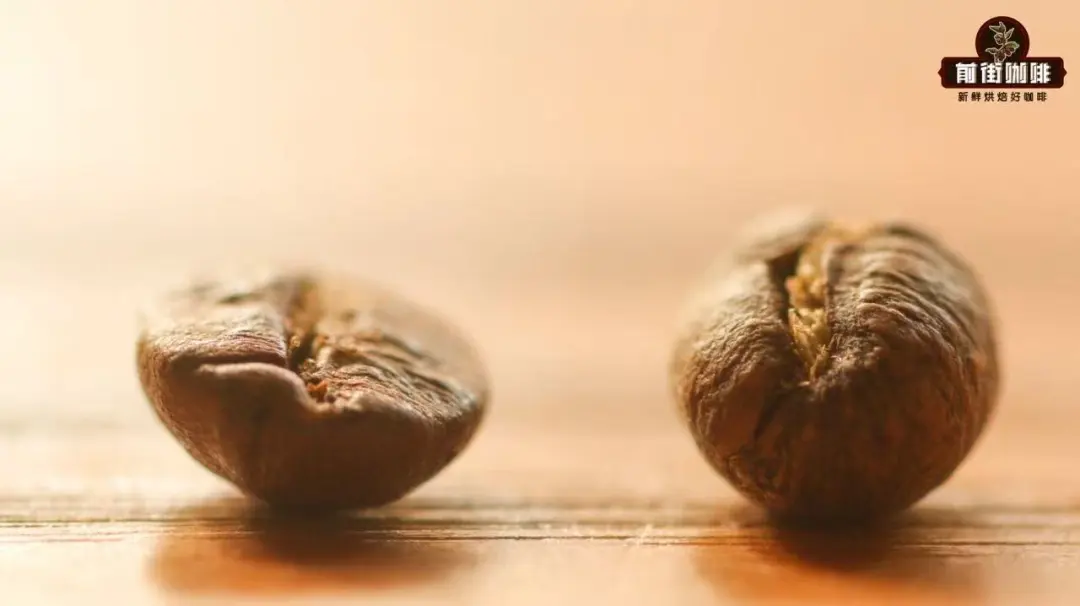
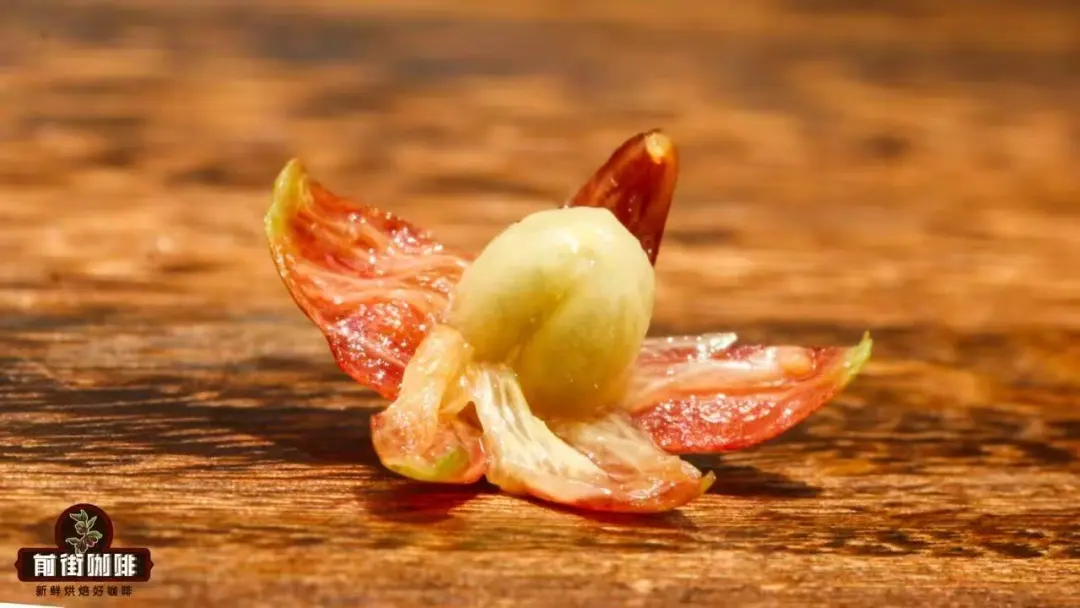
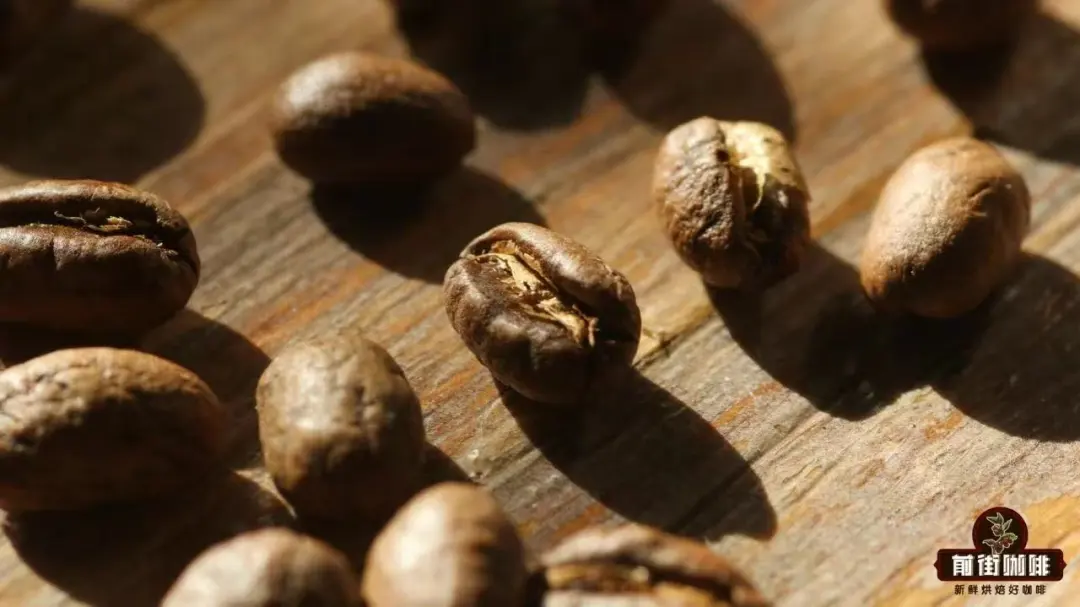
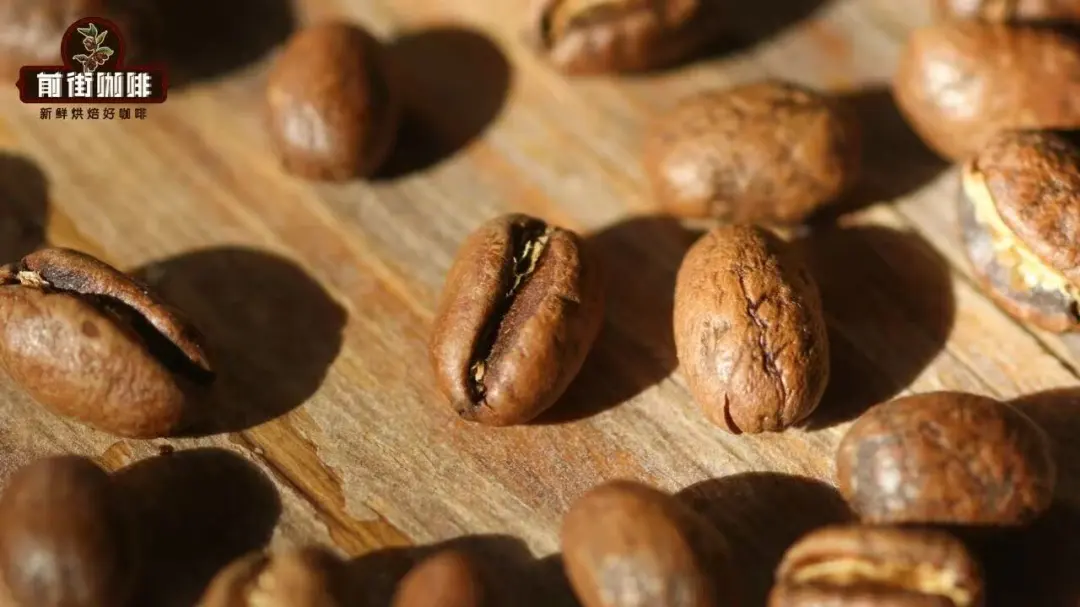
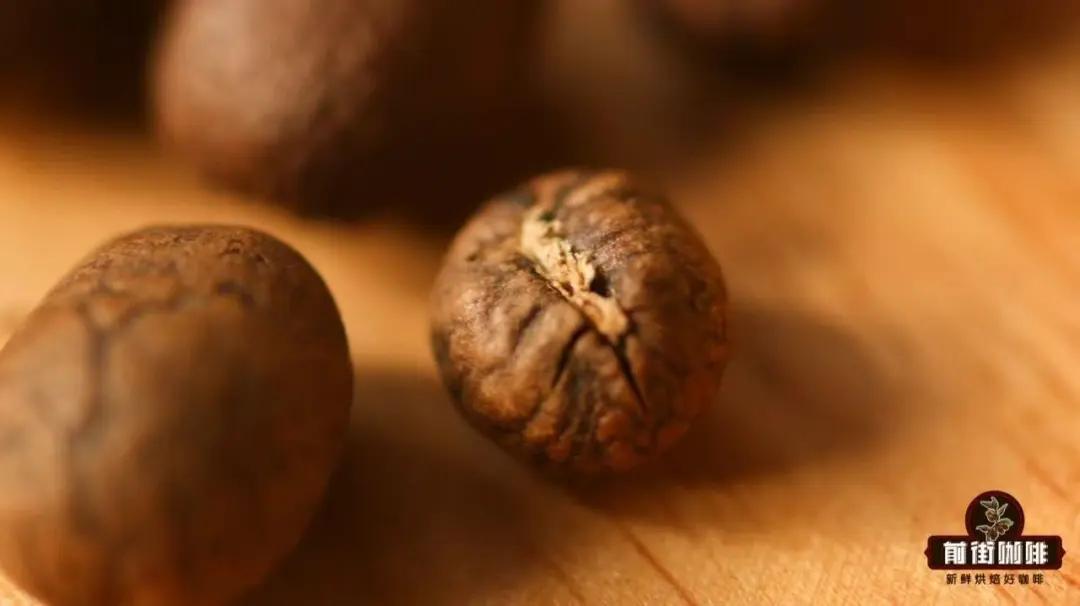
The term PB is actually short for “Peaberry,” commonly called “round beans” in Chinese, and sometimes colloquially referred to as “male beans” in online discussions. Unlike regular flat beans, peaberries have a full oval shape with no flat side, a result of abnormalities during development. Typically, each coffee cherry contains two coffee beans that are flat against each other, but under certain conditions—such as insufficient nutrients, pests or diseases, or environmental stress—the cherry may develop only one seed. This single seed gets to absorb all the nutrients of the entire fruit, growing into a round, smooth oval without a flat side—what we call a peaberry.
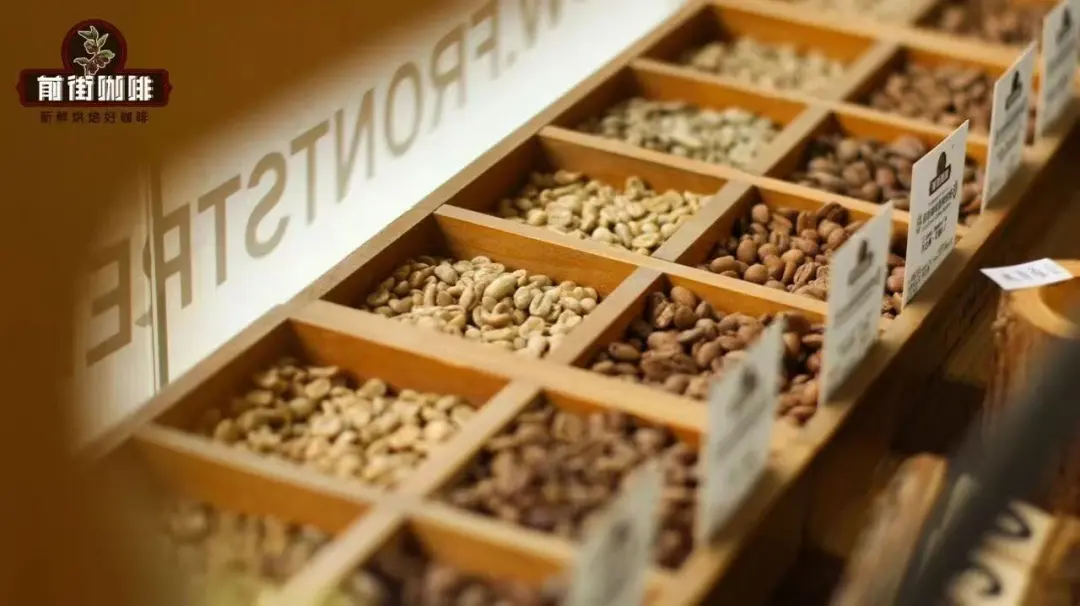
These uniquely shaped coffee beans are categorized under the PB grade, meaning the entire batch consists solely of peaberries. It’s worth noting that peaberry production is extremely low, accounting for only 5% to 10% of the total yield. Precisely because of their scarcity, along with the belief in some markets that they absorb complete nutrients and thus have a richer content, leading to better roasted performance, peaberries often command prices comparable to premium-grade flat beans.
So, is there really a significant difference in flavor between peaberries and flat beans? To test this, an experiment used Panamanian Boquete Geisha coffee beans for a cupping comparison. This region grades based on growing altitude rather than bean size, so peaberries are often found. In the experiment, 12 grams of peaberries and 12 grams of flat beans were separately selected, brewed using the cupping method, with parameters set at a 1:16 coffee-to-water ratio, 94°C water temperature, and 4-minute steeping time, to minimize human interference. The results showed that both exhibited delicate white floral notes, rounded citrus acidity, and a clean green tea finish, with no significant differences in concentration or mouthfeel—proving that in actual tasting, the difference between peaberries and flat beans is minimal.
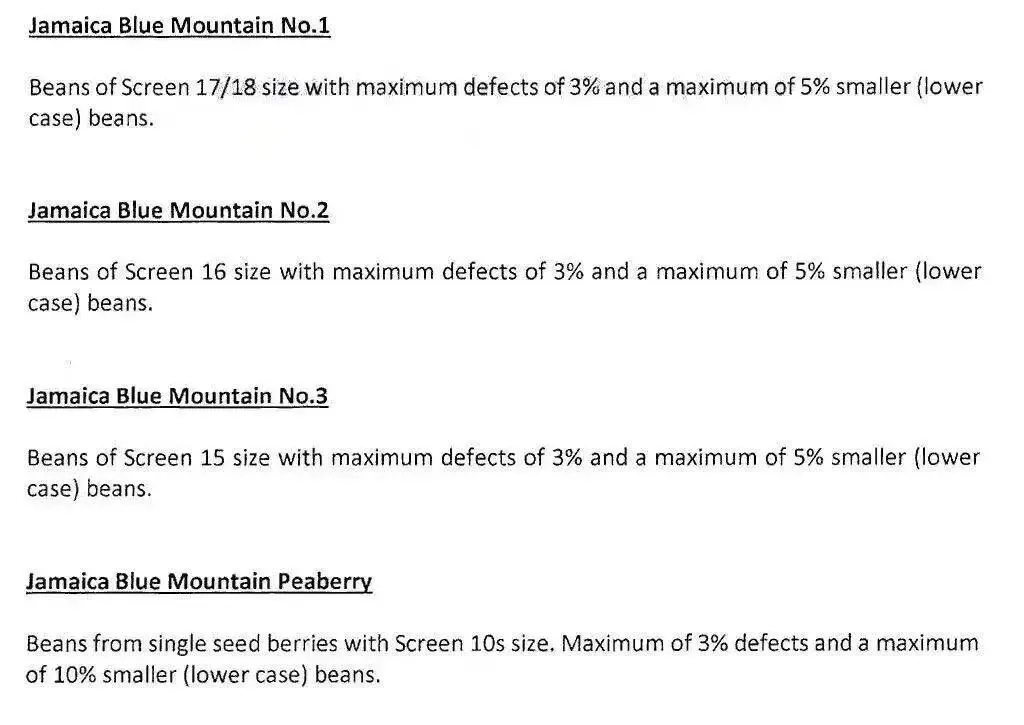
Since peaberries and flat beans have similar flavors, why are peaberries singled out and sold separately? The answer relates closely to economic benefits. Because peaberries are usually slightly smaller in size than flat beans of the same variety—for example, flat beans are typically around 16 to 18 mesh, while peaberries often fall around 14 to 15 mesh—if graded by size, peaberries might be categorized into a lower-price grade. But if peaberries are graded separately, their rarity combined with marketable narratives can elevate their price to near that of premium beans, thereby increasing overall profits. As a result, many regions that grade by size specifically include the PB grade to achieve greater economic returns.

It’s worth mentioning that renowned regions like Blue Mountain also have their own grading systems, which include the PB grade. These grading systems often take into account multiple factors such as bean size, altitude, and processing methods. Peaberries, due to their rarity and market demand, can still gain market favor even if their size isn’t advantageous, thanks to being independently graded and packaged as a specialty item. However, it’s also important to note that coffee bean quality is not determined solely by size or whether it’s a peaberry. Variety characteristics, growing environment, harvesting, and subsequent processing techniques are the key factors influencing the final flavor profile.
In summary, although PB-grade peaberries have a unique appearance and market positioning, their flavor differences compared to flat beans are actually limited. When making a purchase, consumers should consider not just whether the beans are peaberries, but also comprehensively evaluate factors such as origin, altitude, processing method, and roast level, in order to truly select high-quality coffee beans that suit their personal taste.

The above content is compiled by CoffeeHunters, a coffee news website.


