







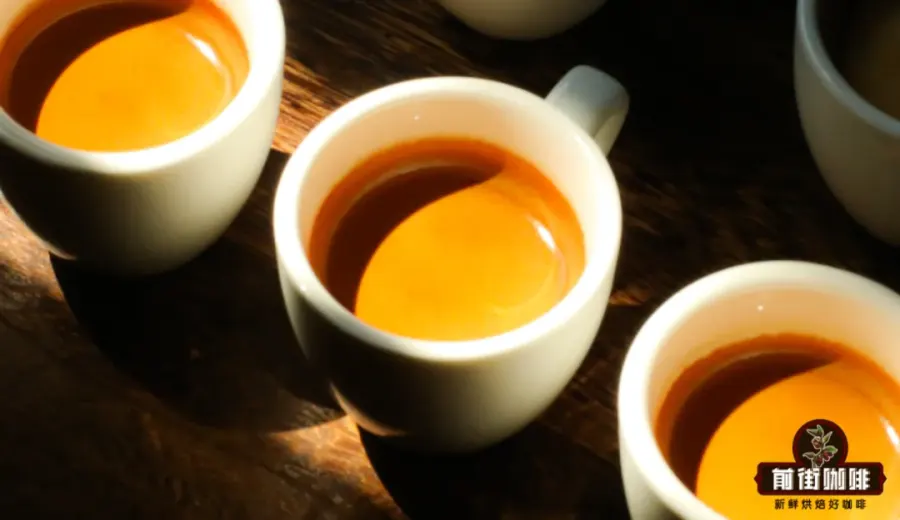
Introduction:Extraction uniformity is one of the key factors influencing the flavor profile of an espresso. Even at the same extraction yield, uniform and non-uniform extractions can deliver vastly different taste experiences: the former balanced and full-bodied, the latter layered and distinct. This article will delve into five practical methods—including using a paper filter at the bottom, switching to a high-density portafilter basket, applying low-pressure pre-infusion, adjusting puck thickness and brew ratio—and through real flavor comparisons, help you find your ideal extraction style.
In espresso extraction, even when the extraction yield is consistent, the level of uniformity can markedly affect the final flavor outcome. When the overall extraction is more uniform, the coffee tends to taste more balanced, with a solid mouthfeel and a long-lasting aftertaste; conversely, if the uniformity is poor, the flavor layers become more distinct, with clear primary and secondary notes and prominent characteristics.
As is well known, most drip-style coffee (whether pour over or espresso) inevitably suffers from uneven extraction between the upper and lower layers, or the inner and outer sections, due to inconsistent contact and coverage of hot water with the coffee grounds. As hot water penetrates the coffee bed, the upper and outer particles usually come into contact earlier and more thoroughly, while the lower and inner layers may be under-extracted due to insufficient saturation or uneven water flow pressure.

Although this unevenness contributes to certain unique flavor expressions, many coffee enthusiasts still seek ways to further improve the uniformity of espresso extraction to achieve a more balanced and consistent tasting experience. This article takes a practical approach, sharing five methods that can effectively enhance extraction uniformity, and through real-world examples, comparing the flavor differences between two distinct extraction styles.
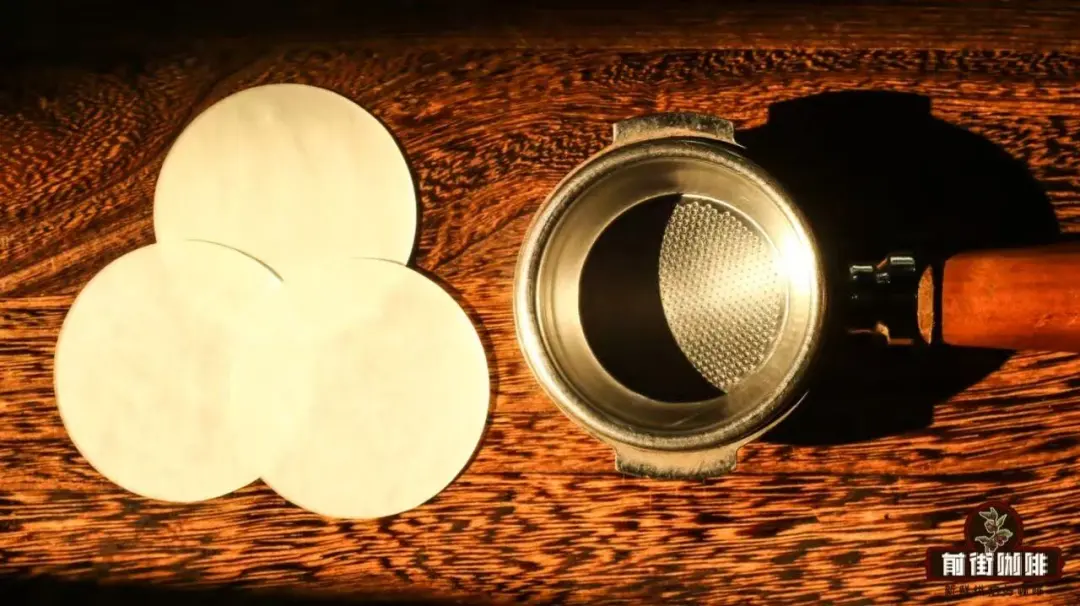
First, you can try placing 1 to 2 sheets of filter paper at the bottom of the portafilter basket. This seemingly simple step can add a “pre-infusion” period before the actual extraction, allowing the hot water and coffee grounds more initial contact—especially helping the lower and inner particles absorb water and expand first, laying the foundation for better flavor release during the main extraction phase.This brief soaking phase can effectively reduce extraction differences between coffee particles in different positions..
Second, choosing a portafilter basket made of high-density material is also a viable strategy. High-density baskets typically feature more evenly distributed holes and greater structural strength, which helps stabilize the water flow, reduce localized channeling effects, and thereby improve the overall balance of extraction.It is recommended to prioritize metal baskets with precisely machined surfaces,as they can more effectively maintain stable pressure and provide better support for the coffee puck.
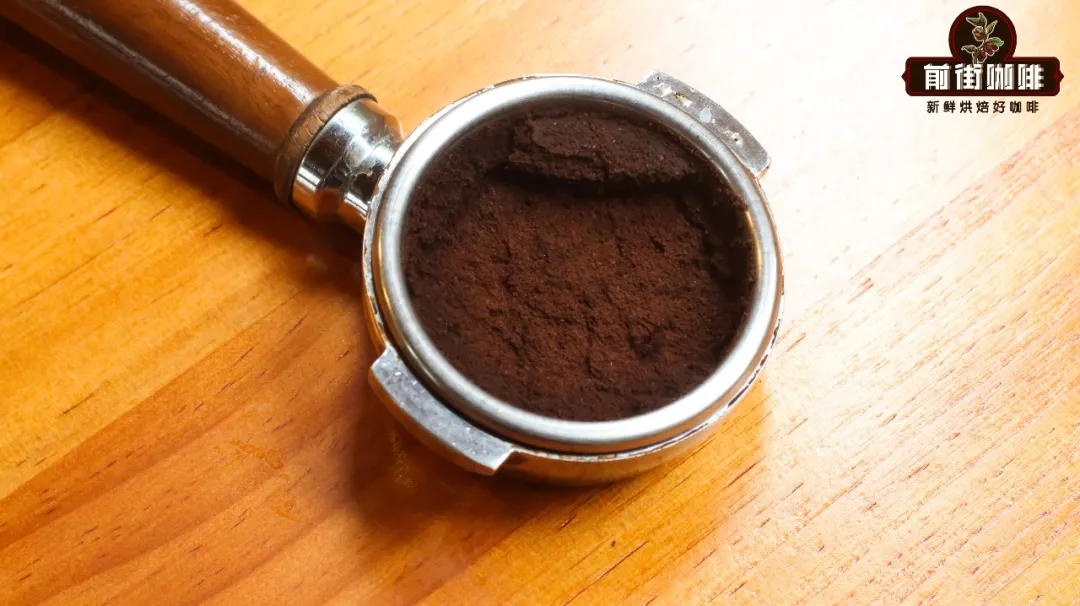
Third, consider adding a low-pressure pre-infusion step before the main extraction. This technique involves slowly soaking the coffee puck with low pressure (e.g., 3–4 bar) for several seconds before ramping up to the normal extraction pressure (around 9 bar). It helps the entire coffee bed absorb water evenly and prevents uneven extraction caused by some particles not being fully prepared for the subsequent high-pressure phase.The recommended pre-infusion time is generally 5–10 seconds, adjustable according to bean variety and grind size..
Fourth, reducing the amount of coffee grounds and thinning the puck can also enhance uniformity. A thicker puck often leads to over-extraction of the upper layers, while the lower layers suffer from under-extraction due to sluggish water flow and pressure buildup. By using less coffee and adjusting the puck thickness accordingly, you not only shorten the time it takes for water to reach the bottom but also reduce the risk of channel formation.Note that when thinning the puck, you should appropriately fine-tune the grind size to maintain proper resistance and extraction efficiency..
Lastly, adjusting the brew ratio is another feasible approach. For those who prefer lighter or longer black espresso drinks, using a brew ratio such as 1:2.5 or even 1:3 can help. By increasing the total volume of extracted liquid, the lower and inner coffee particles also receive sufficient extraction time and water contact, further improving overall extraction uniformity.However, this method requires a deeper understanding of extraction parameters, so it’s best attempted after gaining more experience..
To more直观ly demonstrate the impact of different uniformity levels on flavor, we conducted a practical comparison using a specific Strawberry Candy espresso. The first shot was brewed using conventional parameters and techniques, resulting in a fairly common extraction style: distinctly sweet and acidic, with rich layers where flavors such as strawberry, citrus, floral notes, and cream were clearly identifiable. The overall profile was bold, with clear primary and secondary notes.
The second shot incorporated low-pressure pre-infusion and uniformity-enhancing techniques, using the same beans but yielding a more balanced extraction. The sweetness was more pronounced on the palate, with a solid and stable mouthfeel. Although the flavor layers were not as complex as the first shot, the overall taste was harmonious and cohesive. The characteristics of strawberry taffy, citrus, and cream remained distinct, though with slightly less intense contrast and variation.
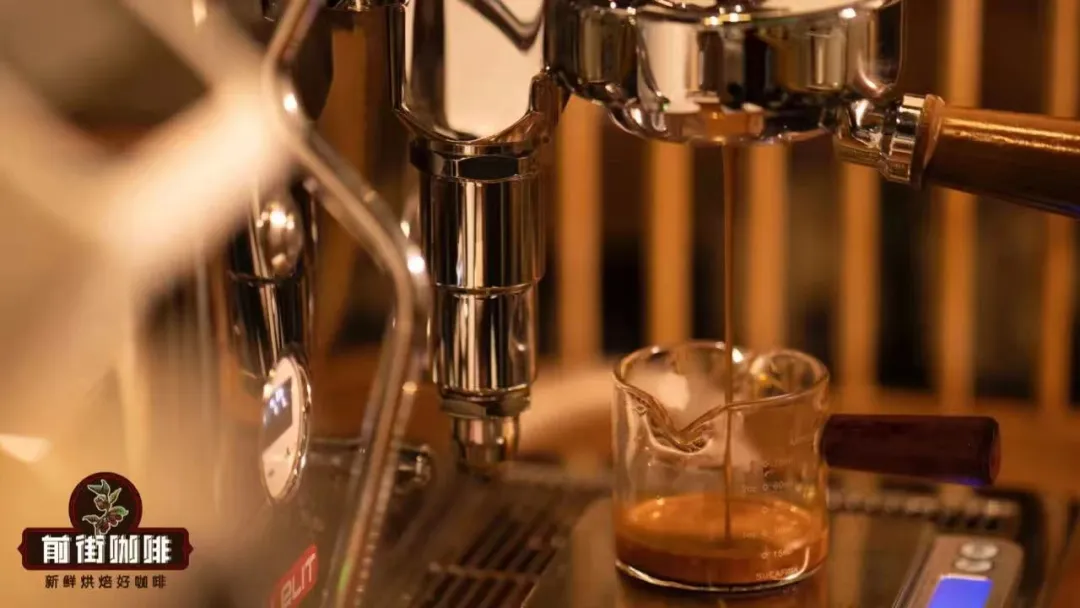
Both extraction styles have their own merits, with no absolute right or wrong. The level of extraction uniformity more reflects different brewing philosophies and taste preferences. Whether you pursue a bold, layered expression or a balanced, full-bodied stability, you can adjust your extraction strategy using the above methods to find the espresso that best suits your palate.
The above content is compiled by CoffeeHunters, a coffee news website.


