








Introduction:In rainy weather, extracting espresso becomes highly challenging. High humidity and low air pressure not only affect the condition of the coffee grounds but also lead to uneven extraction and imbalanced flavors. This article delves into the two main reasons behind the difficulty of extracting espresso on rainy days and provides practical adjustment strategies, including environmental control and grind parameter optimization, to help baristas quickly calibrate balanced and full-flavored espresso.
Whenever it's rainy and overcast, many baristas face a common challenge: espresso extraction becomes unusually hard to control. Even with skilled techniques, repeated testing is often required just to produce an espresso with reasonably balanced flavors. The core issue is that rainy weather isn’t simply about “under-extraction” or “over-extraction”—it’s a complex scenario where high humidity and low air pressure jointly cause uneven extraction.
Drawing from practical experience, this article first breaks down the two key factors making espresso difficult to adjust in rainy weather: one is excessively high environmental humidity causing coffee grounds to absorb moisture and clump together, and the other is reduced air pressure weakening extraction pressure and efficiency. To address these issues, we will offer a series of specific countermeasures, including indoor dehumidification, advice on storing coffee beans, and how to compensate for the loss of flavor compound extraction by adjusting grind size and brew time. Additionally, the article includes a set of real-world parameter examples for readers to reference and apply.

Many experienced baristas have had similar experiences: on sunny days, dialing in an espresso might take just a few attempts; but on rainy days, it often requires sip after sip of testing, even multiple rounds of adjustments, just to find a barely passable balance point. Even with a certain level of extraction experience and the ability to clearly distinguish under-extracted from over-extracted shots, dealing with rainy-day espresso can still leave one feeling powerless. Therefore, if they look out the window in the morning and see dark clouds gathering, many morning-shift baristas expect that today they’ll likely need to spend more time and effort fine-tuning their espresso.
So, is there a way to quickly and effectively adjust to an ideal espresso shot on rainy days? This is a common question asked by many coffee professionals on social media or forums. In fact, there is no so-called “one-size-fits-all formula” that guarantees quick correction every time, because the impact of rainy weather on extraction is multifaceted. However, by understanding the causes of the problem and taking corresponding measures, we can still effectively improve the odds of successful dialing-in. The top priority is to clarify: why is rainy-day espresso so hard to adjust?
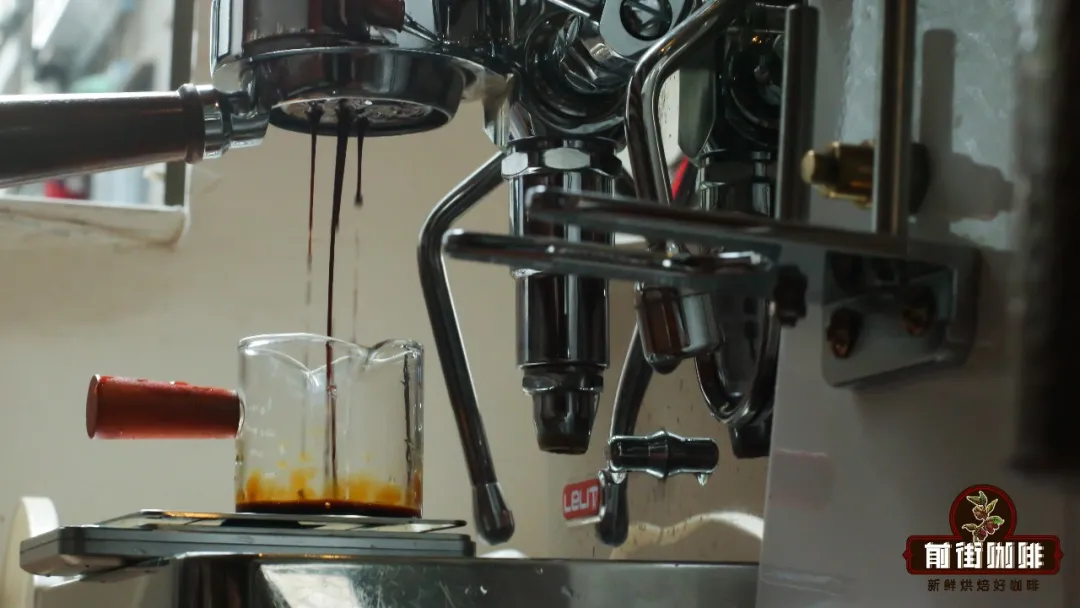
One of the root causes of the difficulty in adjusting espresso on rainy days lies in excessively high environmental humidity. Especially during the plum rain season or consecutive days of rainfall, the relative humidity in the air often soars above 90%. Under such humid conditions, improperly sealed coffee beans will rapidly absorb moisture from the air, not only affecting grind performance but also directly disrupting extraction consistency.
When coffee beans absorb moisture, grinding tends to produce excessive fines, and the moist particles tend to stick together, easily forming clumps inside the grinder or in the hopper. If these fines or clumped coffee grounds enter the extraction system, they may not only cause channeling but also allow hot water to choose the path of least resistance through the coffee puck, resulting in some areas being over-extracted while others are under-extracted. As a result, the brewed espresso often has both burnt bitterness and sharp acidity, while aroma appears weak—this is a classic sign of uneven extraction.
Another commonly overlooked factor is the lower air pressure on rainy days. Generally speaking, the higher the altitude or the more overcast the weather, the more noticeably atmospheric pressure drops. The espresso extraction process relies on stable pressure to push hot water through a compacted coffee puck to dissolve flavor compounds. When environmental air pressure decreases, the effective pressure differential generated by the espresso machine’s pump also shrinks, meaning that under the same settings, the total amount of extracted flavor compounds is reduced, and the concentration and extraction yield of the espresso naturally fall short of the ideal seen on sunny days.
In addition, low-pressure environments may also affect human olfactory sensitivity, as well as the volatility of coffee aromas, further dulling overall flavor perception. Therefore, even if the parameters remain unchanged, the espresso brewed on rainy days often tastes and smells relatively flat and uninspired.
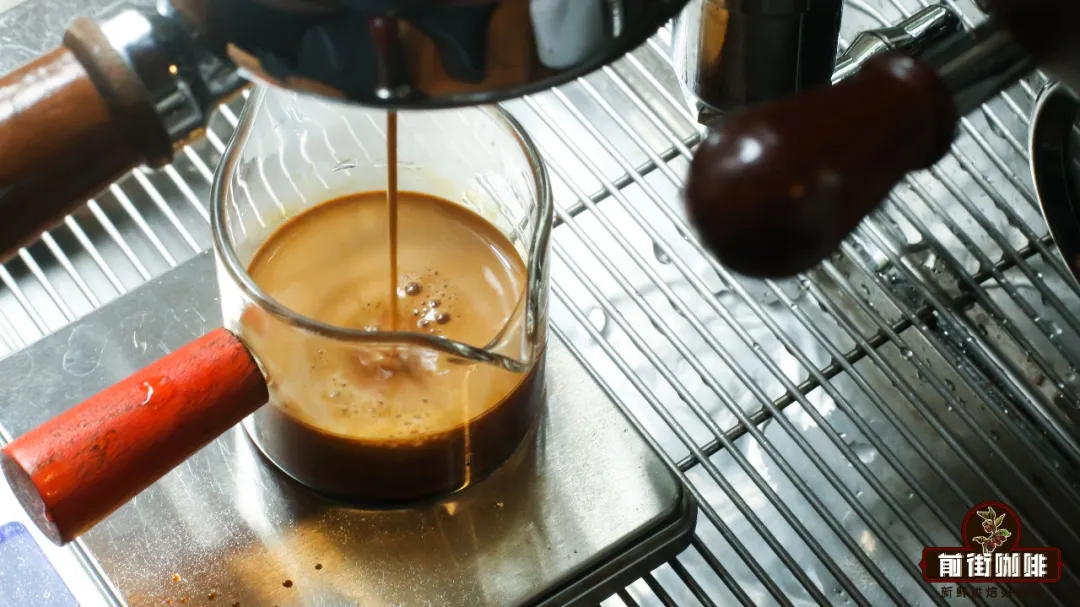
Faced with these challenges, we can make adjustments from both environmental and extraction parameter aspects. First, it is recommended to minimize the impact of ambient moisture on coffee grounds. For example, closing curtains, shutting doors and windows, and turning on a dehumidifier to keep indoor humidity below 60% can help reduce the chance of coffee grounds absorbing moisture and clumping. Also, during the evening or non-business hours, coffee beans in the grinder hopper should be removed and stored in airtight containers or original packaging bags to avoid prolonged exposure to damp air.
If the above moisture-proof measures have been taken, the next step is to fine-tune the extraction parameters. Due to the decreased pressure and extraction efficiency on rainy days, it’s advisable to consider moderately extending the brew time or adjusting to a finer grind to ensure enough flavor compounds are dissolved. For instance, a common medium-to-dark roasted espresso blend typically recommends the following parameters on normal days: 20 grams of coffee, a 1:2 brew ratio, and around 30 seconds of extraction time, yielding notes of chocolate, caramel, nuts, and cream, with a rich mouthfeel and long-lasting aftertaste.
But on rainy days, if keeping the same coffee dose and liquid weight, it’s recommended to extend the brew time to around 35 seconds. This helps compensate for the reduced extraction efficiency due to lower air pressure, allowing the final espresso to achieve more complete flavor expression and avoiding the thinness caused by under-extraction.
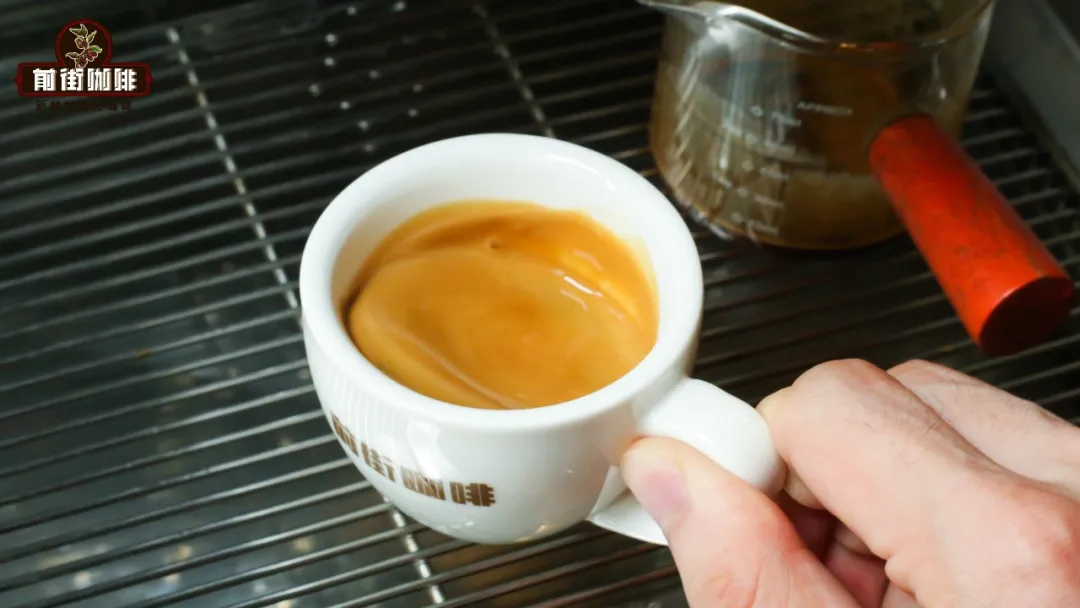
In summary, dialing in espresso on rainy days may be more challenging, but as long as you understand the key factors—the impact of humidity and air pressure on coffee grounds and extraction pressure—and take corresponding preventive and adjustment measures, you can effectively enhance extraction stability and flavor performance. It is recommended that baristas develop habits such as monitoring ambient humidity and properly storing coffee beans during the rainy season, and flexibly fine-tune grind size and brew time based on actual shot results to adapt to changing weather conditions.
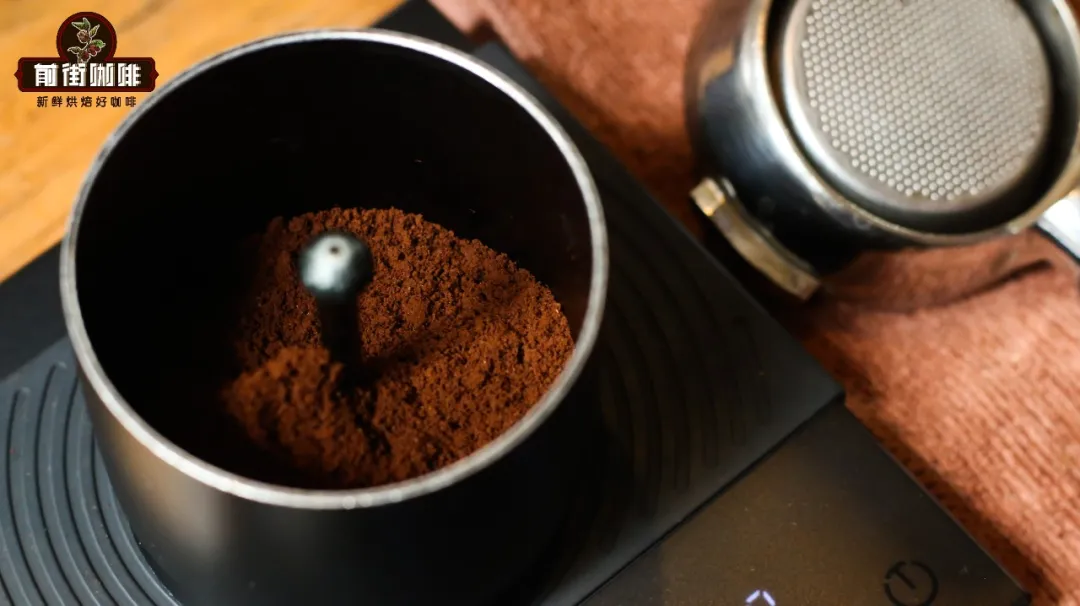
We hope the above practical insights provide useful reference. When applying them, it’s still advisable to further tailor the extraction approach according to your shop’s equipment, bean characteristics, and customer preferences to arrive at the most suitable brewing solution.
The above content is compiled by CoffeeHunters, a coffee news website.


