







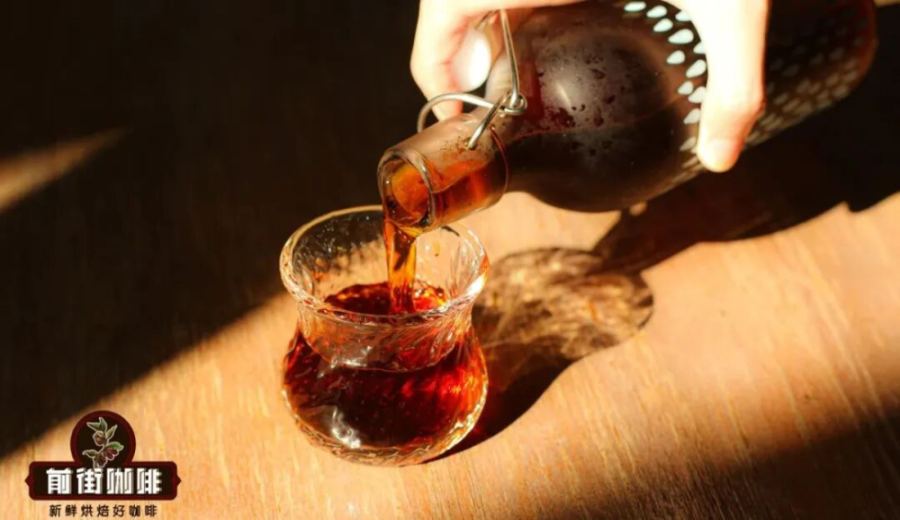
Introduction:The distinctive wine-like aroma of cold drip coffee often leads people to assume alcohol has been added, but this rich, boozy note actually stems from its unique drip extraction method and low-temperature aging reactions. However, freshly made cold drip coffee often tastes astringent and thin, requiring a period of refrigeration to develop its rounded flavors. This article delves into the science behind the wine-like aroma in cold drip coffee, the sources of its astringency, the optimal refrigeration aging time, and why it shouldn’t be kept for too long—helping you master the best drinking window for this slow-brewed coffee.
The reason cold drip coffee has its unique wine-like aroma isn’t due to added alcohol, but rather its low-temperature slow extraction process and aging reactions. This rich fragrance, often mistaken as "added liquor," is actually a natural flavor characteristic that develops as the coffee liquid cools. However, if you taste it immediately after dripping, you may find the flavors haven’t fully bloomed and may even have noticeable astringency. At this stage, the cold drip coffee still needs a period of low-temperature aging to reach its optimal taste.
Cold Drip Brewing Methods and Ingredient Selection
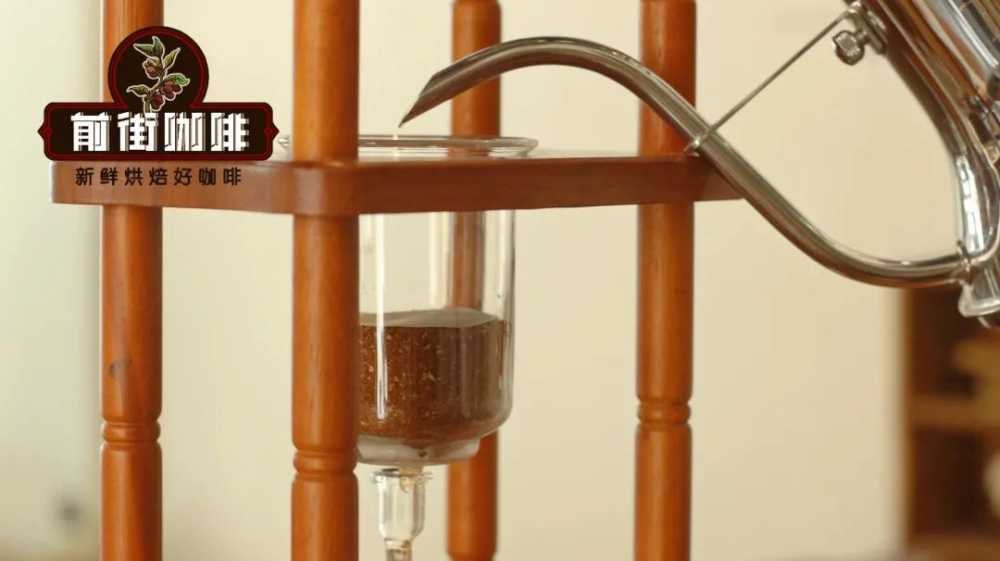
Cold drip coffee is made by slowly dripping ice water—typically about 7 drops per 10 seconds—drop by drop through a bed of coffee grounds for an extended extraction period. This method gently releases the essence of the coffee at very low temperatures, minimizing impurities and over-extracted flavors.It’s generally recommended to use 60 grams of coffee grounds to extract 600 milliliters of coffee liquid, which can then be adjusted with water or ice to taste after concentration.The entire process usually takes 6 to 8 hours, making it one of the more time-consuming coffee brewing methods.
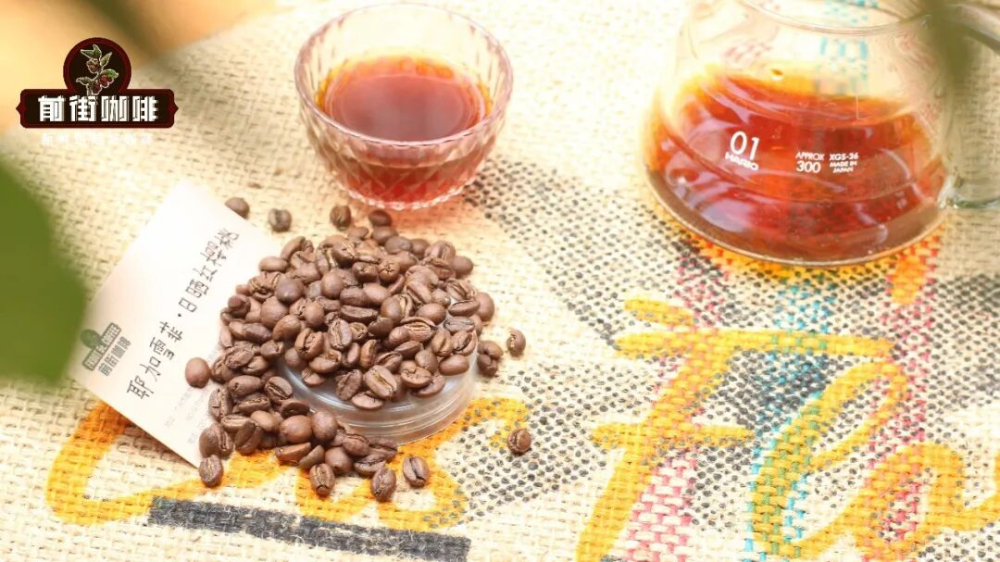
To enhance the fruity and wine-like potential of cold drip coffee, many baristas opt for beans with pronounced fruit notes, especially single-origin beans processed via honey, natural sun-dried, or anaerobic fermentation methods—such as those commonly from Kenya, Ethiopia’s Huila, or Colombia. These beans often exhibit tropical fruit characteristics like peach, mango, lychee, passionfruit, and raisins on the flavor wheel, laying the foundation for the development of wine-like aromas.
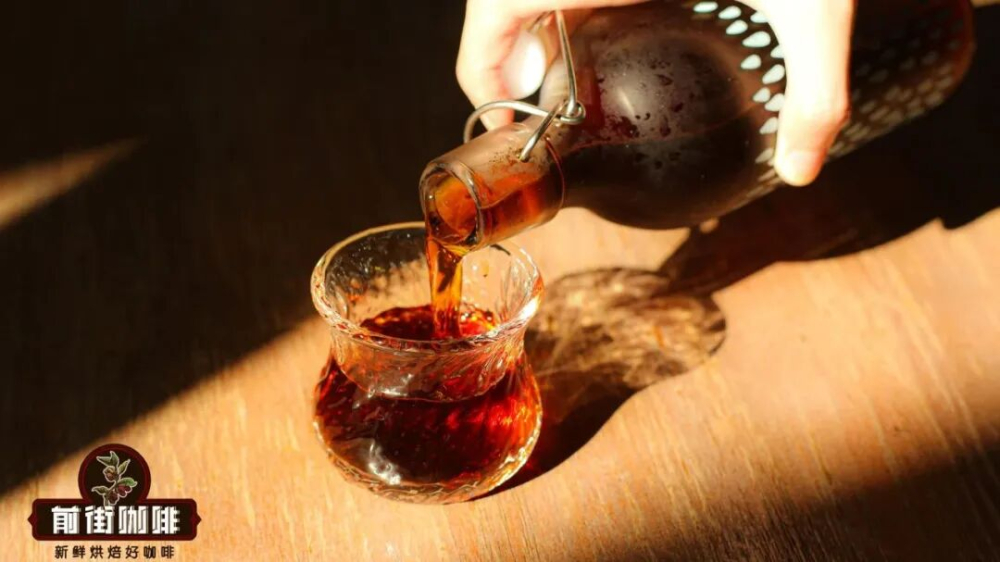
Why Is Freshly Dripped Cold Drip Coffee Astringent?
Many people, upon first making cold drip coffee, are surprised to find that the freshly dripped coffee isn’t as smooth as expected. Instead, it may taste thin, with a noticeable astringency in the throat. This is because, at the moment dripping finishes, the various flavor compounds in the coffee haven’t yet fully integrated, and some acidic substances and tannins remain suspended, resulting in a lack of layered taste and even a "harsh" sensation.
Drinking it directly at this stage not only fails to showcase its full potential but may also negatively impact the overall experience due to the astringency. Therefore, it’s recommended to pour the freshly dripped cold drip coffee into an airtight container and place it in the refrigerator for the subsequent aging process, also known as the "low-temperature fermentation" stage.
The Wine-Like Aroma Comes from Ester Hydrolysis During Low-Temperature Aging
The wine-like aroma of cold drip coffee actually forms gradually during refrigeration. In a low-temperature environment, the esters in the coffee liquid—which are responsible for fruit flavors—slowly hydrolyze into carboxylic acids and alcohols. Among these, the alcohol compounds are the source of the wine-like aroma we perceive, similar to the mildly intoxicating scent produced by naturally fermented fruits.
Generally speaking,allowing cold drip coffee to sit refrigerated for more than 8 hours will noticeably result in a smoother, fuller mouthfeel, especially for beans with fruity profiles, which more easily exhibit a wine-like richness.As time goes on, this wine-like aroma becomes even more pronounced, with some coffees even developing layers reminiscent of lightly fermented alcoholic beverages.
Why Doesn’t Cold Drip Spoil Easily but Also Shouldn’t Be Kept Too Long?
Compared to hot-brewed coffee, which spoils quickly at room temperature, cold drip coffee is brewed entirely at low temperatures and stored sealed in the fridge, significantly reducing the chance of bacterial growth—making it relatively long-lasting. However, this doesn’t mean cold drip coffee can be stored indefinitely.
If aged for too long, the balance between alcohol and acid compounds may become disrupted, leading to overly intense fermentation notes that affect the overall flavor balance, or even producing off-flavors reminiscent of spoilage. Additionally, prolonged storage may also cause flavor loss, diminishing the intended fruitiness and complexity.
Based on practical experience,it’s recommended to consume cold drip coffee within 5 to 6 days after dripping, when stored refrigerated, to achieve the best flavor profile.Especially between the 3rd and 5th day, you’ll typically enjoy the optimal balance of a smooth mouthfeel and captivating wine-like aroma.
The above content is compiled by CoffeeHunters, a coffee news website.


