








Introduction:Geisha and Yirgacheffe are often mistaken for the same coffee or thought to have an upgrade relationship, but in fact, one is a coffee variety and the other is a producing region. Though their flavors are similar, their origins are fundamentally different. This article analyzes the core differences between the two from the perspectives of variety origin, growing environment, and processing techniques, and supplements practical flavor characteristics and roasting suggestions to help coffee enthusiasts identify and choose more accurately, thereby enhancing their tasting skills.
Many beginners in specialty coffee tend to regard Geisha and Yirgacheffe as the same coffee, even believing that Geisha is just a premium version of Yirgacheffe. However, Geisha (Geisha) is actually a coffee variety, while Yirgacheffe (Yirgacheffe) is the name of a well-known producing region in Ethiopia. The two belong to completely different classification concepts at their core. The reason they are often mentioned together is mainly due to their highly similar flavor profiles—such as bright white floral notes, fresh citrus tones, and a clean tea-like aftertaste. This article will delve into the differences and commonalities between Geisha and Yirgacheffe in terms of varietal origins, regional characteristics, and processing methods, and through actual flavor descriptions, help readers more clearly grasp the unique charm of these two classic coffees.

Many newcomers often mistakenly think that Geisha and Yirgacheffe are the same thing, and even consider Geisha an advanced version of Yirgacheffe due to their similar flavors. But in reality, the two differ greatly in terms of varietal definition and origin background, making it worthwhile to explore their true differences and commonalities.
What is Geisha? The Geisha variety can now be considered the top trend in the specialty coffee world, not only winning championships in international competitions multiple times but also becoming synonymous with high-quality coffee due to its highly distinctive flavor. The rise of this variety began with the Best of Panama competition in 2004, when Hacienda La Esmeralda used Geisha variety coffee beans to win the championship. The unique flavors it exhibited quickly captured the hearts of coffee lovers worldwide. In fact, the origins of Geisha can be traced back to the Gesha Forest in Ethiopia. As early as 1931, a British expedition team, in search of disease-resistant coffee varieties, ventured into this region known as the gene bank of Arabica, and named the collected samples after the local area—Geisha being one of them. Later, the variety was introduced to Kenya, Uganda, Tanzania, Costa Rica, and other places, and was cataloged under the number 'T2722' at CATIE in Costa Rica. However, Geisha is not a high-yield variety, with production only about half that of conventional Arabica, so it did not receive much attention under the long-term planting trend focused on yield. It wasn’t until it was introduced to Panama that its outstanding flavor potential was realized, and it shone brightly in international competitions.
The flavor profile of Geisha is dominated by white floral notes, citrus fruit tones, and a refreshing sensation akin to honey green tea. These traits stood out in the 2004 competition and became its signature flavors. Even under the influence of different origins and processing methods, Geisha often still exhibits the classic combination of white flowers and citrus. To experience classic Geisha flavors, it is recommended to try Geisha beans from the Boquete region of Panama or those produced under the Green Label of Hacienda La Esmeralda, whose flavor expressions are often the most representative.(Corresponding images: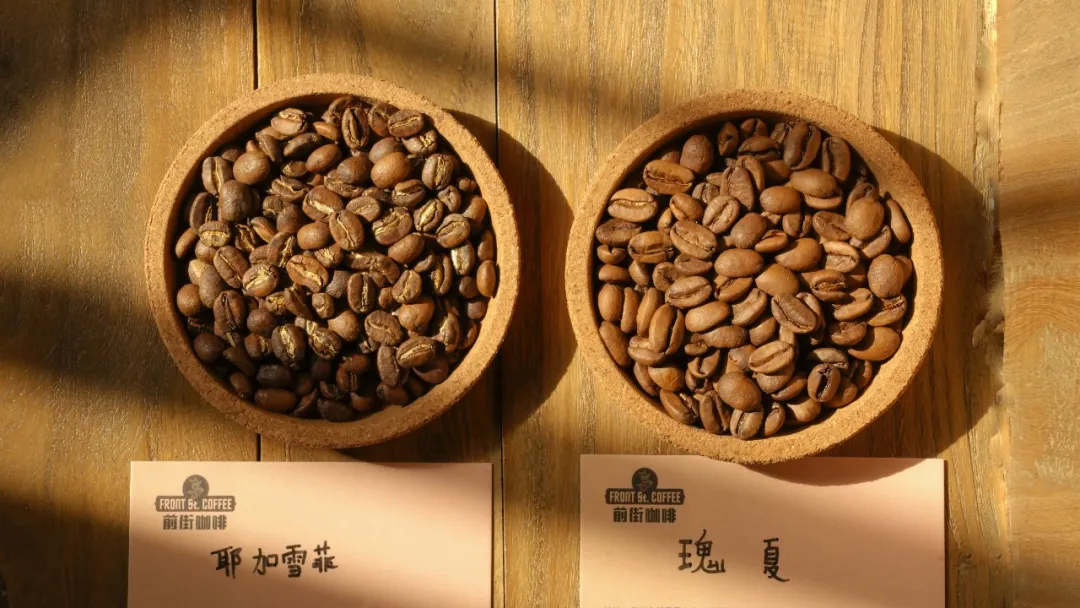 ,
 )
What is Yirgacheffe? Unlike Geisha, Yirgacheffe is not a variety name but a famous producing region in southern Ethiopia. This region was originally part of the Sidamo region but was independently designated as a separate producing region in the 1990s due to its uniquely flavored coffee. The average altitude of Yirgacheffe ranges between 1,700 and 2,200 meters, making it one of the highest-altitude regions in Ethiopia. The high altitude and relatively low temperatures extend the ripening period of coffee cherries, allowing the beans more time to accumulate sugars and thus develop richer flavor compounds. Additionally, the local terrain and farming systems further enhance the overall quality of the coffee, creating the unique flavor profile of Yirgacheffe coffee.
In terms of processing techniques, Yirgacheffe coffee originally primarily used the traditional natural (sun-dried) method, but after the Ethiopian government introduced the washed processing method from Jamaica in 1972, the quality of coffee from this region improved significantly. The washed process first removes the coffee cherry's skin, pulp, and mucilage, followed by sun drying. This process not only shortens the drying time and reduces the risk of spoilage but also, due to the shallower fermentation, more fully presents the pure flavors inherent to the origin and variety. This innovation distinctly set Yirgacheffe coffee apart from products of other regions.(Corresponding images: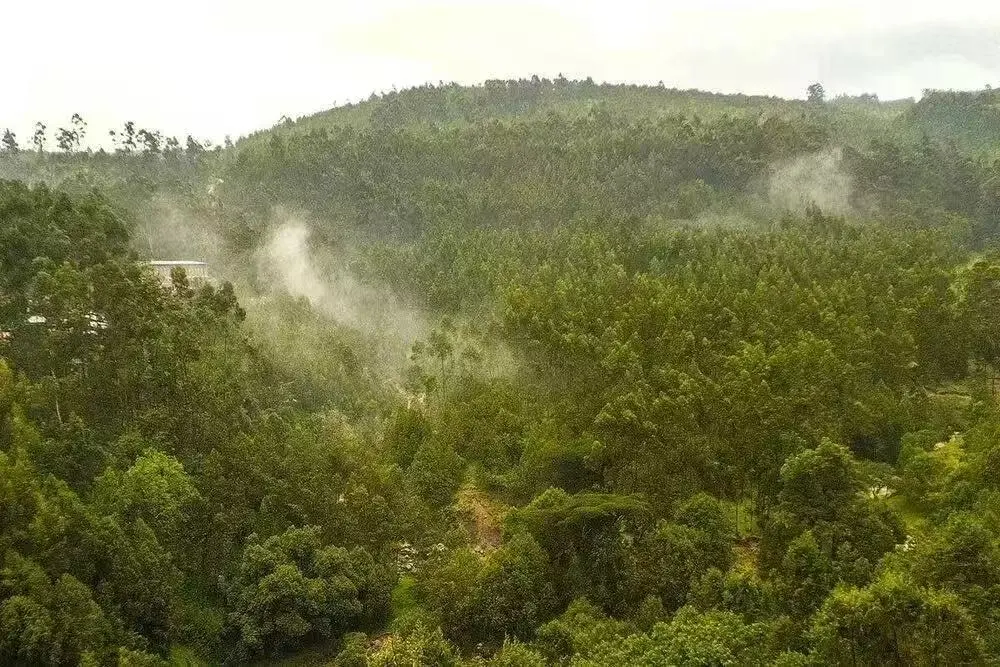 ,
 )
The classic flavors of Yirgacheffe are characterized by delicate white floral notes, a refreshing lemon acidity, and a clean green tea texture—this is the familiar 'Yirgacheffe taste' that many people know. A coffee shop’s menu item such as 'Yirgacheffe · Guddina' is a classic example of washed processing, showcasing the most authentic flavor characteristics of Yirgacheffe. In contrast, the sun-dried 'Yirgacheffe · Red Cherry' may present richer fruitiness and sweetness, suitable for drinkers who prefer pronounced fruit flavors.
Geisha and Yirgacheffe share many flavor similarities, both featuring white floral notes, citrus acidity, and a clean tea-like mouthfeel, which is why some people consider Geisha an 'upgraded version' of Yirgacheffe. However, there are still significant differences in actual tasting. Geisha beans are usually larger, and to allow the bean cores to fully develop, roasters often opt for a slightly darker roast to achieve a rounder, fuller mouthfeel with more pronounced sweetness. Yirgacheffe, on the other hand, is mostly light roasted, emphasizing fresh and delicate flavors such as the aroma of lemon and green tea, with fewer caramelized roasty notes.
In summary, Geisha and Yirgacheffe represent classic examples of a variety and a producing region, respectively—the former mainly originating from Panama, and the latter from Ethiopia’s high-altitude regions. Although they share similarities in flavor, they each have their own unique characteristics in terms of bean variety traits, growing environments, and processing methods. Whether you prefer rich, full-bodied floral and citrus notes or favor fresh, delicate green tea and lemon sensations, you can find your favorite in these two types of coffee. Most importantly, choose the flavor type that best suits your personal taste rather than getting caught up in comparisons of which is better.
(Corresponding image: )
The above content is compiled by CoffeeHunters, a coffee news website.


