







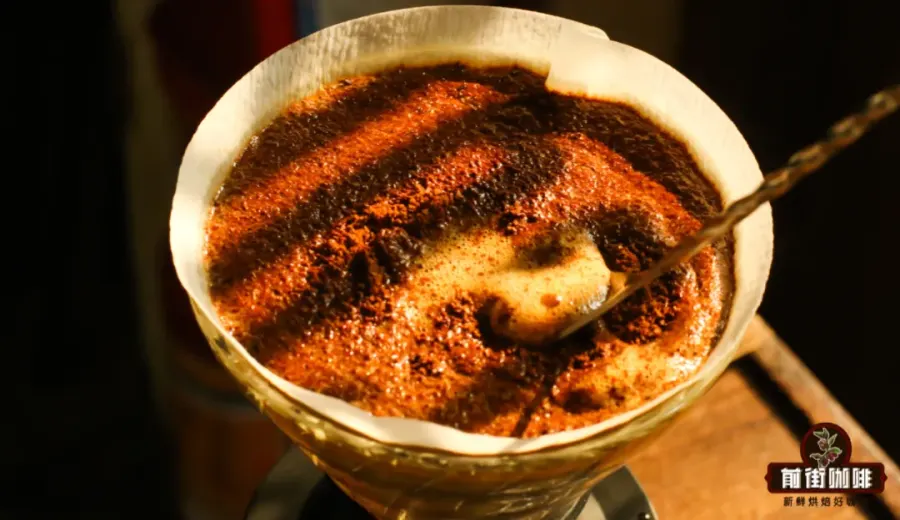
Introduction:Did you know? In the history of coffee brewing, eggs once played an unexpectedly significant role. Both Norway and Vietnam have developed unique methods of making egg coffee, but the underlying principles behind them are completely different. This article delves into the differences between these two cultural approaches to egg coffee and extends the discussion to innovations and alternative ideas in pour over coffee filtration tools—offering you a fresh perspective on the diverse possibilities of coffee, both historically and practically.
In the process of making pour over coffee, how to effectively filter out coffee grounds has always been a key factor affecting taste. As is well known, paper filters, cloth filters, and metal mesh are the most common choices, but did you know that in northern Europe—Norway—someone once used a completely different material for this task: eggs.
Even though both Norway and Vietnam add eggs to coffee, their methods are worlds apart. The former uses the egg as a filtration aid with the added benefit of improving flavor, while the latter involves whipping the egg yolk to create a rich foam, resulting in a coffee with a uniquely smooth texture. The cultural contexts and practical applications behind each are worth exploring in depth.
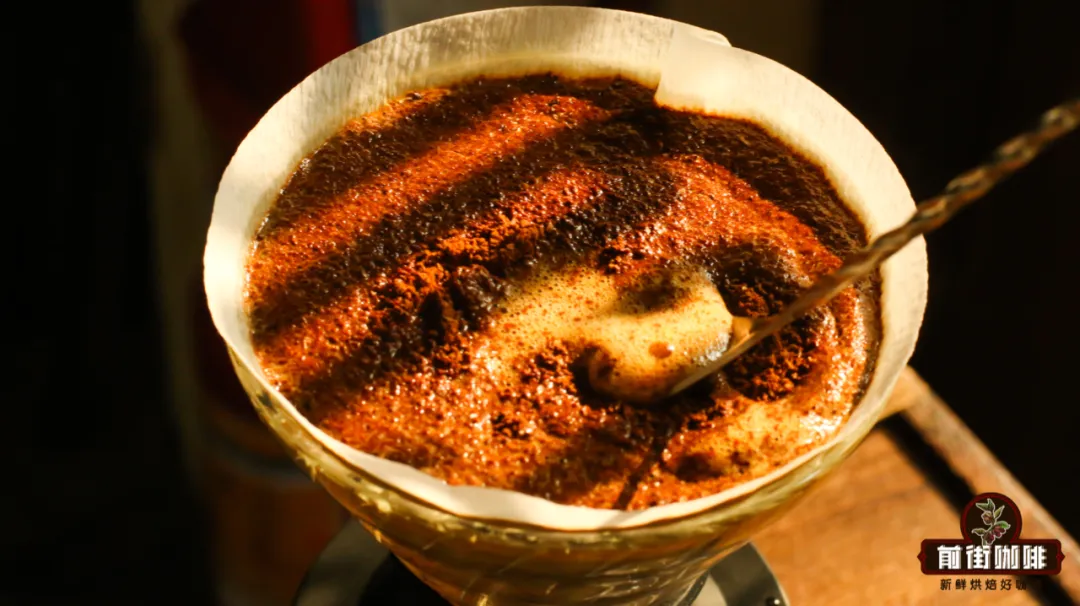
Going back to the 19th century, although Norway was already a major coffee-consuming country, limited supply and high prices meant that most households could only brew large quantities of coffee using very small amounts of coffee grounds. This brewing method often resulted in coffee that was too thin and noticeably bitter. Moreover, since paper filters were not yet widely available and cloth filters had limited effectiveness, coffee grounds frequently ended up in the cup, negatively impacting the overall drinking experience.
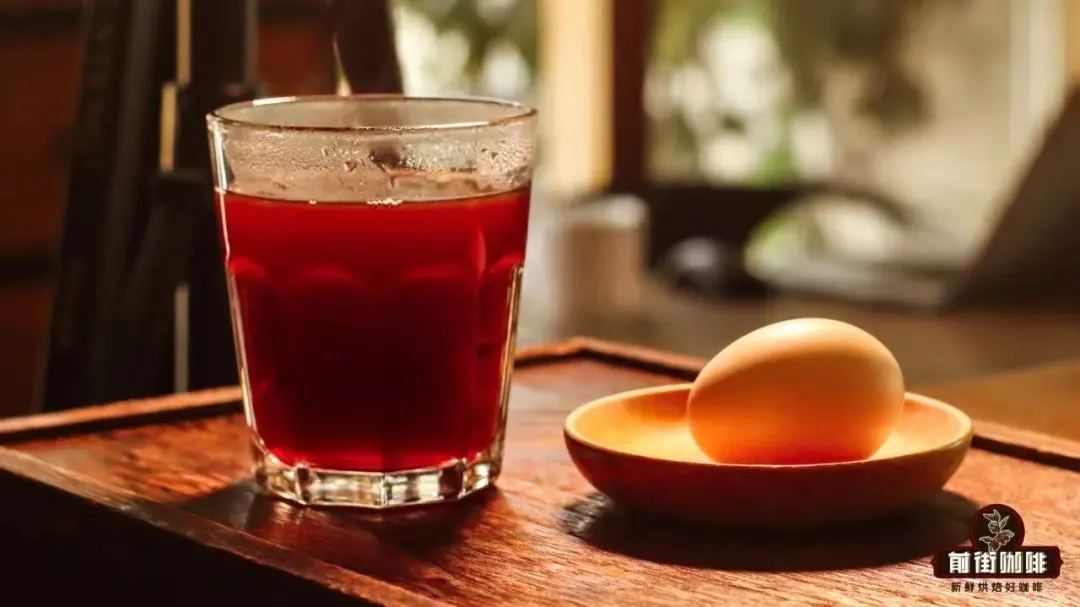
It was against this backdrop that someone came up with a clever solution—before brewing, they would crack a whole egg into the coffee grounds and stir it all together evenly. This not only helped reduce the bitterness of the coffee through the neutralizing effect of the egg, but also took advantage of the property of egg mixture solidifying when heated, causing the coffee grounds to clump together. This made it possible to separate them all at once afterward, resulting in a clearer coffee liquid.
Even more distinctive, some methods also involved boiling the eggshell along with the mixture, reportedly further enhancing the overall flavor of the coffee. Though it may sound unusual, actual tests have yielded surprisingly impressive results. It is recommended to try using medium to dark roasted coffee beans, such as those from Indonesia’s Sumatra or Mandheling regions, which can interact more richly with the egg aroma, yielding a subtly sweet aftertaste reminiscent of chocolate cake.
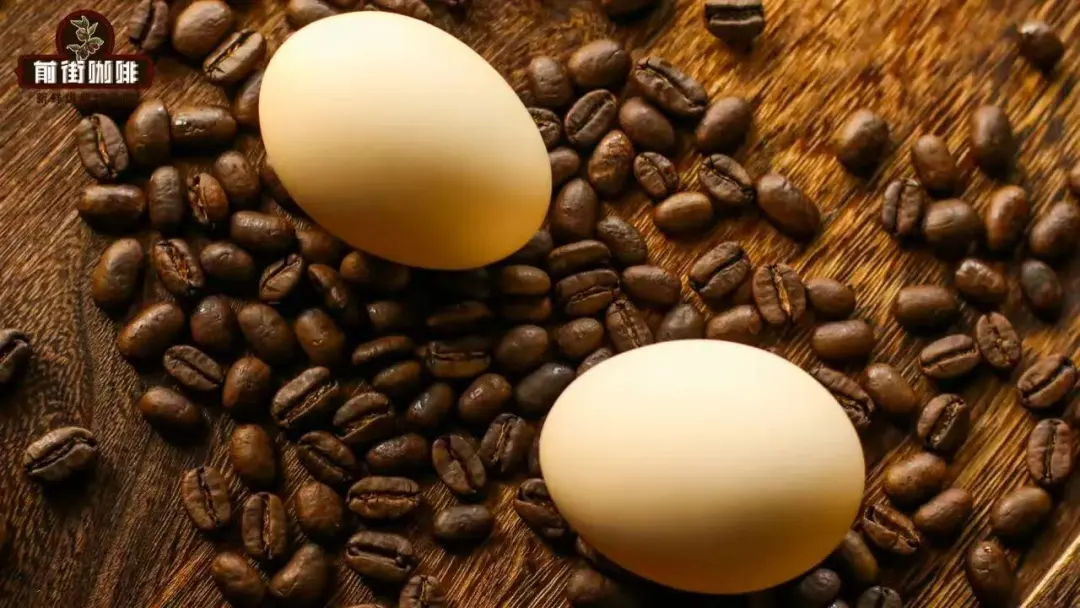
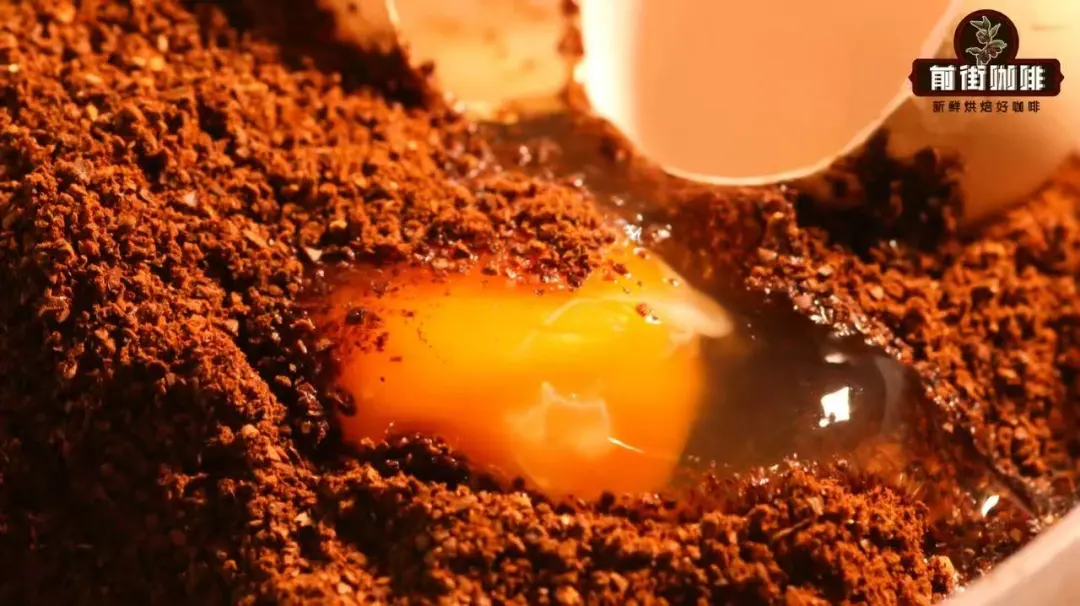
The process is actually not complicated—you only need coffee grounds, hot water, and one egg. If you want to stay close to the historical method, it is recommended to use coffee beans with a relatively dark roast level, and the grind size can be adjusted to something close toek43’s 10 setting(approximately80% extraction rate through a #20 sieve). A finer grind helps extract sufficient flavor in a short amount of time. The recommended amount of coffee grounds is25 grams, paired with250 milliliters of hot water, with a coffee-to-water ratio of about1:10.
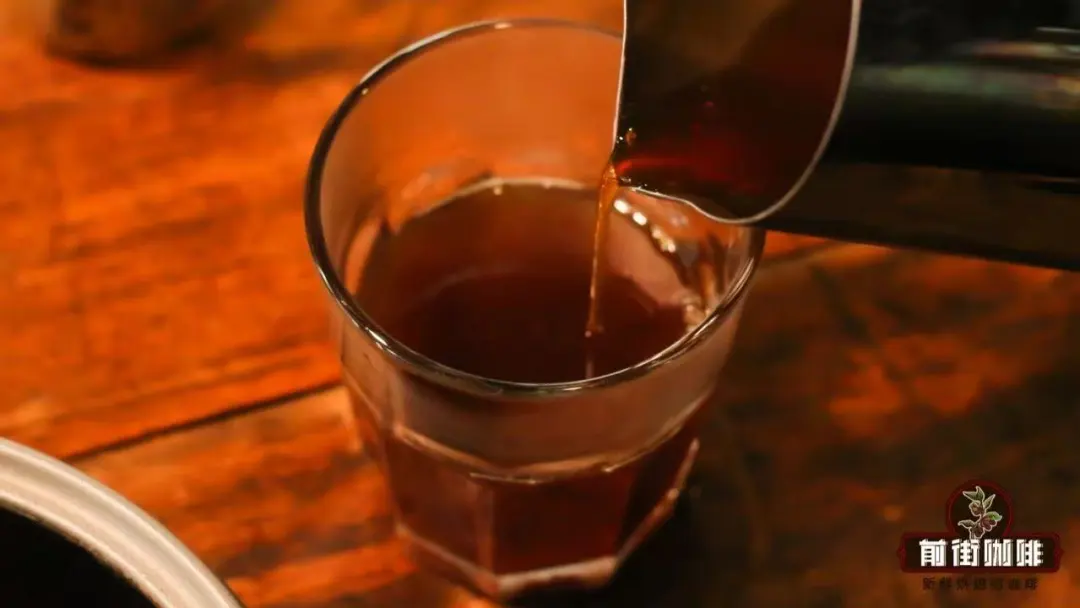
Crack the whole egg directly into the coffee grounds, stir until evenly coated, and then pour the coffee-and-egg mixture into water that has already been brought to a boil. It is recommended to heat over low to medium heat while gently stirring continuously for about2 minutes. Afterward, turn off the heat and let it sit for a moment. When pouring, be careful with the angle to avoid excessive agitation—this way, most of the coffee grounds will remain at the bottom of the container, resulting in a significantly clearer coffee liquid.
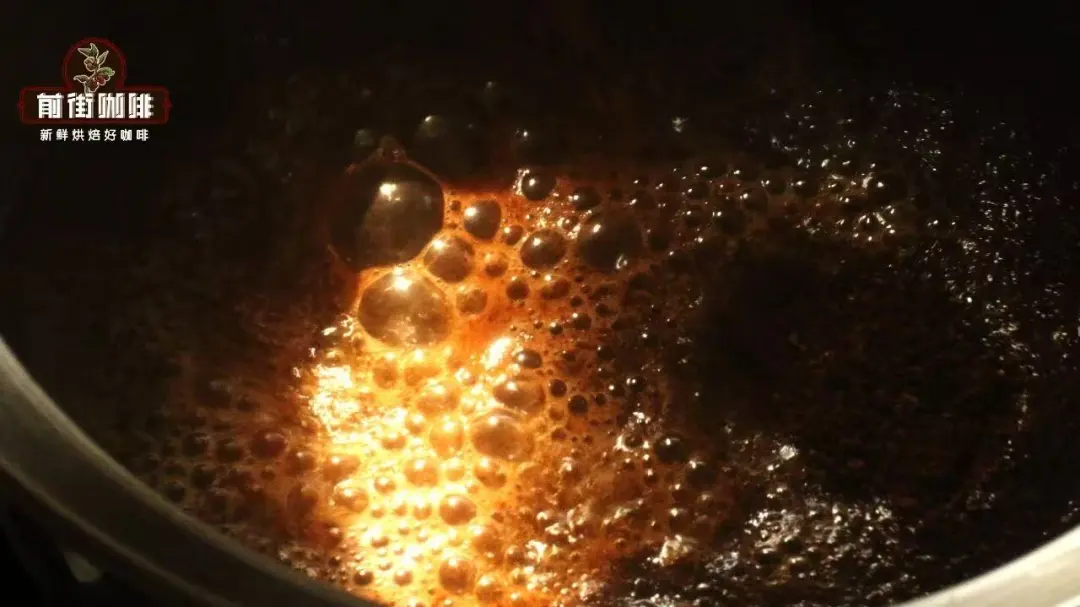
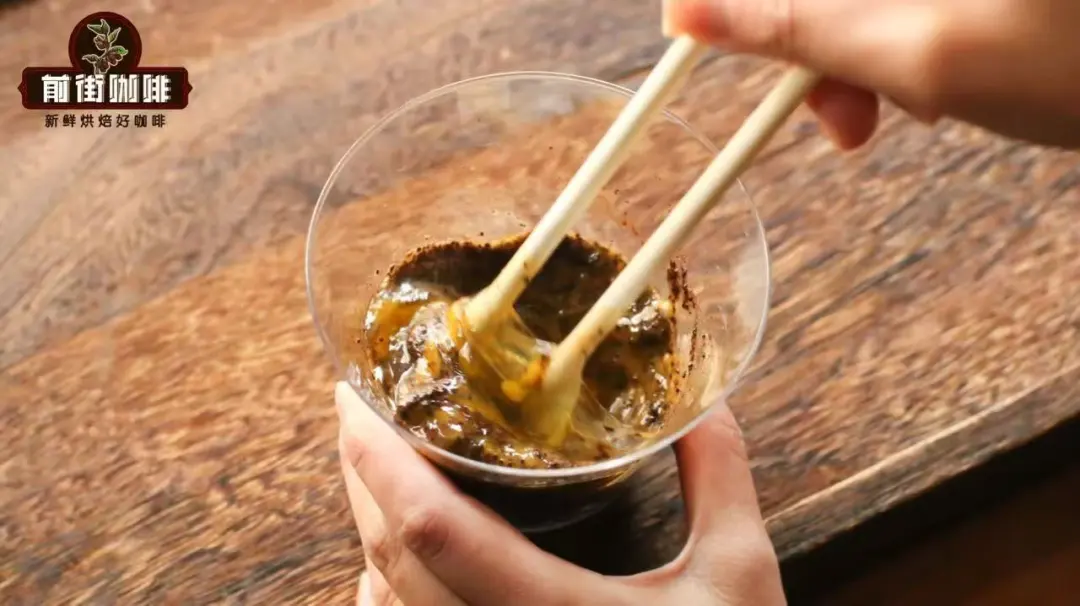
This coffee, when freshly brewed, has a remarkably smooth and soft mouthfeel, with almost none of the bitterness commonly found in traditional coffee. The egg aroma blends with the roasted notes of the coffee, producing a subtle flavor reminiscent of dessert—perfect for coffee enthusiasts who enjoy innovative tastes. However, it’s worth noting that over time, the egg smell may become more pronounced, even developing a fishy note. Therefore, it’s best to drink it soon after brewing to enjoy its optimal flavor.
This “egg filtration coffee method” once became widely popular among Norwegian households and even spread to other Nordic countries such as Sweden. In some regions, people would even add a little cold water after brewing to speed up the cooling process and adjust the mouthfeel. However, as post-war coffee supplies became more stable and more efficient, convenient filtration tools like paper filters gradually became widespread, this ingenious traditional method gradually faded away.
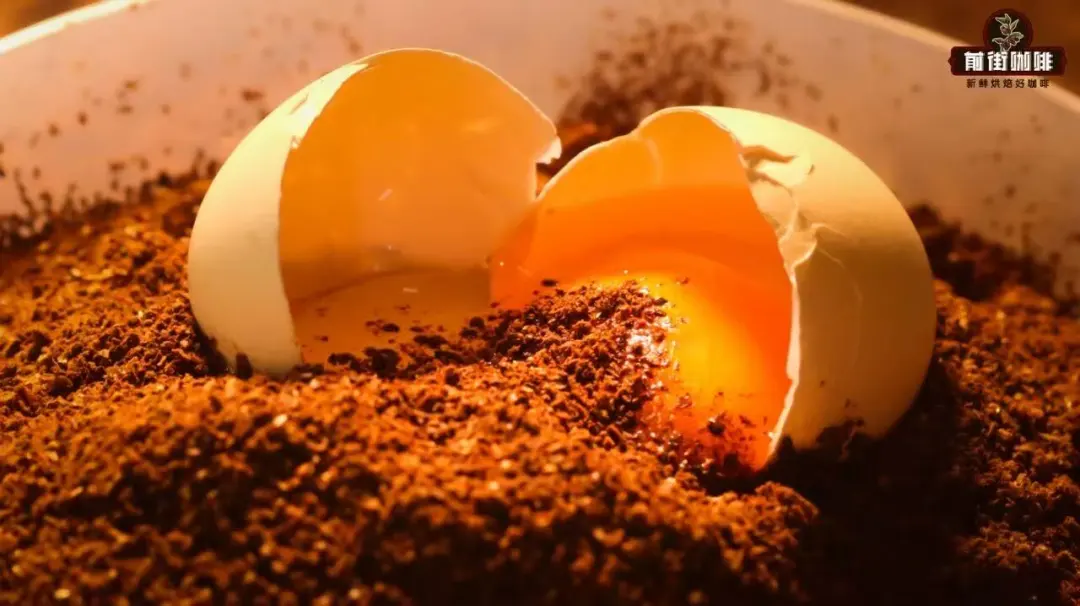
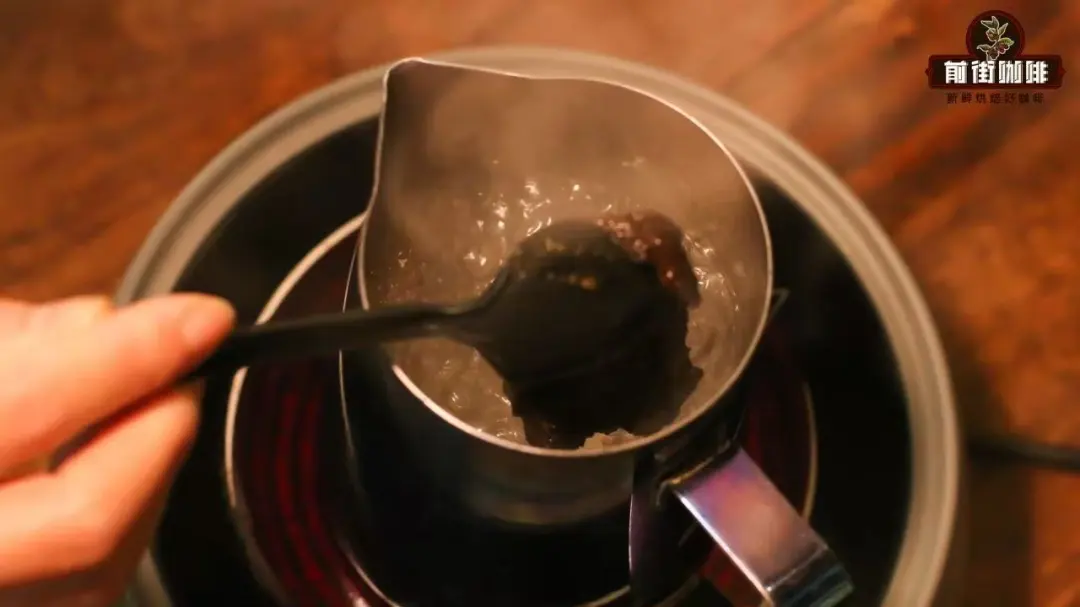
It’s worth noting that besides the Nordic egg filtration coffee method, Vietnam also has a world-renowned “egg coffee,” but the concept is entirely different. The Vietnamese version involves whipping egg yolk mixed with sweetened condensed milk to create a foamy, creamy top layer served over espresso, resulting in a uniquely sweet and velvety taste—more akin to a coffee dessert than a traditional filtered coffee.
This difference perfectly reflects how various cultures interpret and innovatively apply coffee. From historical background to practical execution, and finally to the resulting flavor profiles, each method carries its own unique charm and challenges. For coffee lovers passionate about pour over brewing, eager to experiment with different filtration methods or extraction techniques, these approaches not only broaden technical horizons but also offer more opportunities for home experimentation.
Whether you focus on traditional paper-filter brewing or are curious about alternative filtration tools (such as metal filters, French presses, or even creative ingredients), understanding these historical and cultural backgrounds can add more interest and depth to your coffee journey. Why not give it a try yourself, and personally experience the flavor variations brought by different methods—perhaps bringing an unexpected surprise to your daily coffee ritual.

The above content is compiled by CoffeeHunters, a coffee news website.


