







Introduction:Japanese ultra-dark roasted coffee stands out with its rich and bold flavor, forming a striking contrast to today’s mainstream light roast with fruity acidity. This article delves into the historical origins, roasting characteristics, and cultural background of Japanese dark roasting, analyzing why the Japanese particularly favor this style of black coffee. It also introduces the usage essentials of classic brewing tools such as the siphon pot and flannel drip, while recommending coffee bean varieties suitable for dark roasting—like Indonesian Mandheling—to help coffee enthusiasts fully grasp the essence of this classic style.
In the current trend of specialty coffee where light roasting highlights fruitiness and floral notes, Japanese ultra-dark roasting takes a distinctly different path. This roasting style is known for its low-heat slow roasting, emphasizing a balanced bitterness and sweetness along with a bold mouthfeel, making it an indispensable part of global coffee culture. This article will take you through a comprehensive understanding of this deeply loved dark roasting culture in Japan—from history and technique to practical brewing.
What is Japanese Ultra-Dark Roasting?
When discussing coffee roasting, we often use “roast level” to distinguish flavor profiles. Generally speaking, light roasts preserve more acidity and fruity-floral notes, while dark roasts enhance caramel, chocolate, and bitter characteristics. If Nordic extremely light roasts are likened to the fresh school, then Japanese dark roasting represents the bold and intense camp.
Compared to the common French or Italian roasts in Europe, although Japanese dark roasting also takes the beans to near or beyond the second crack stage, it emphasizes an ultimate balance of “dark but not burnt, bold but not greasy.” It achieves this by using low heat and slow roasting to extend the heating time, allowing caramelization and Maillard reactions to fully develop while suppressing excessive carbonization and smoky off-notes, resulting in a final flavor that is richer and more layered.
Many consumers new to dark roasting often mistakenly assume that “dark roast = poor quality,” which is a major misconception. In the era when specialty coffee was not yet widespread, dark roasting was the mainstream method used to mask bean defects or enhance flavor expression. In Japan, however, dark roasting has been refined from the very beginning and gradually developed its own unique roasting philosophy.
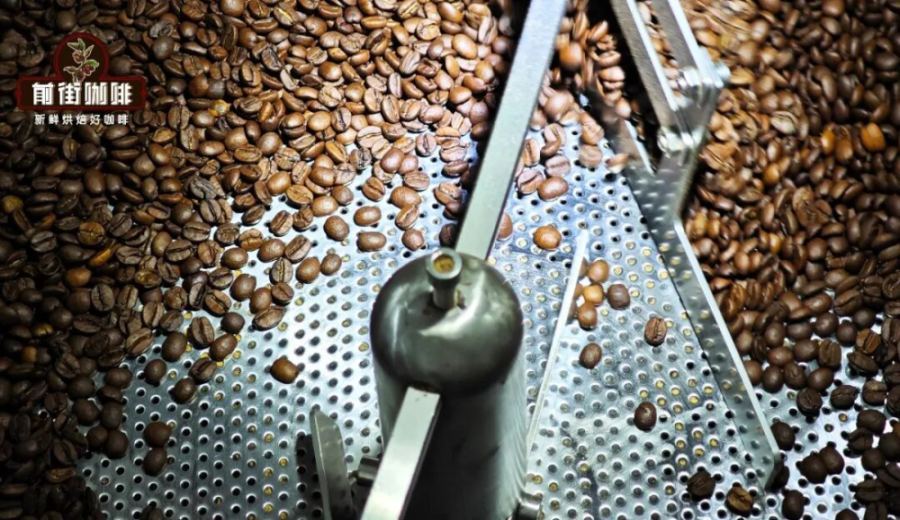
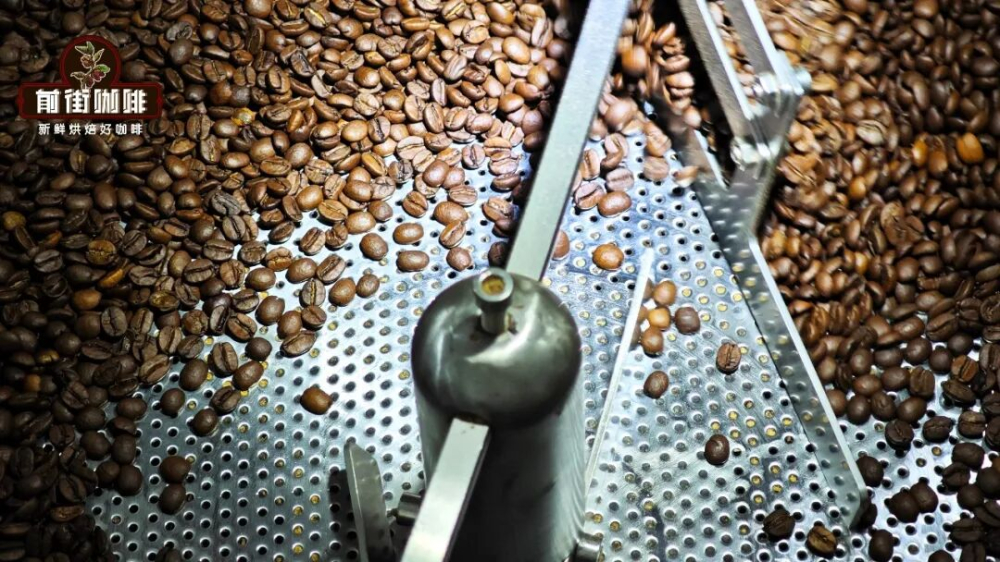
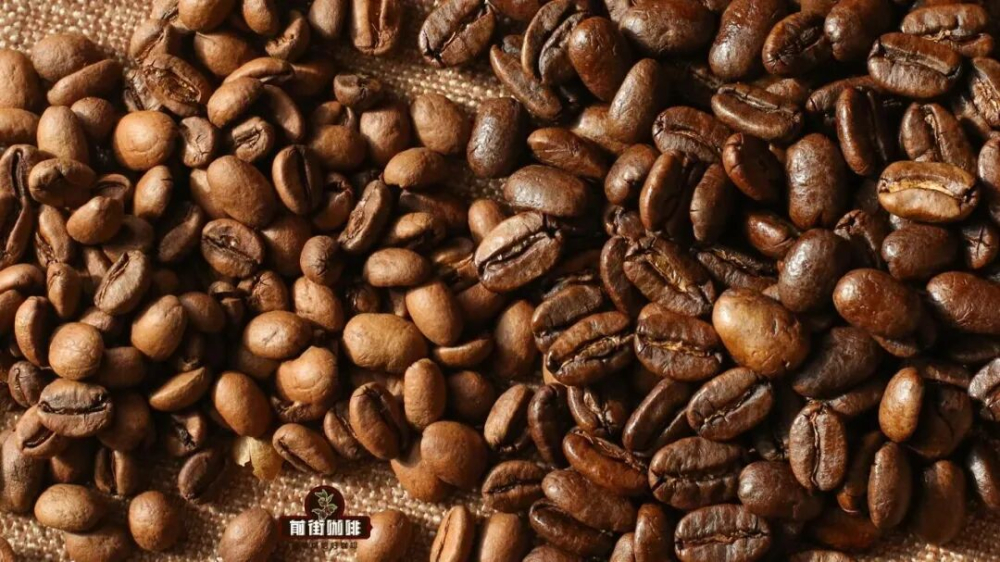
During the Japanese dark roasting process, roasters typically use direct flame or hot air systems, applying low heat to slowly roast the beans. This allows the coffee to maintain a clean and balanced taste even at depths close to French roasting. This approach is akin to the slow simmering of Cantonese-style old-fire soup, emphasizing precise control over time and heat. The finished beans are often deep brown or nearly black, with glossy surfaces, and when brewed, they reveal rich dark chocolate, caramel, and subtle smoky notes, with a pronounced aftertaste and long-lasting finish.
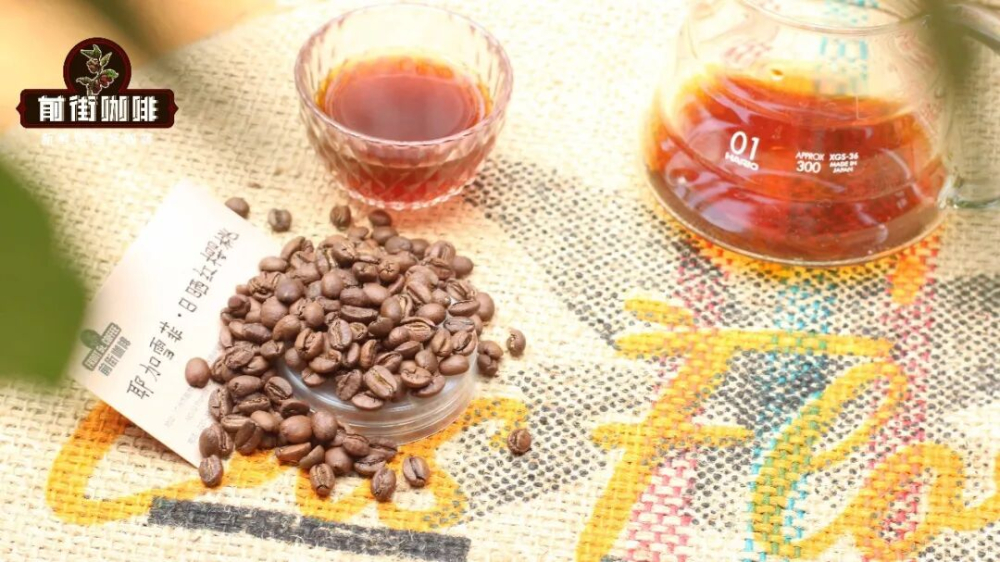
These dark roast beans are often paired with siphon pots, flannel drip filters, or drip extraction tools. Through low temperature and slow extraction, they further highlight the richness and sweetness, reduce sharp bitterness, and create a smooth and mellow drinking experience.
Historical Origins: From the Edo Period to Modern Coffee Shops
Japan’s coffee culture originated in the Edo period of the 17th century, when the Dutch introduced coffee to Dejima in Nagasaki. Initially, it was limited to the nobility and specific social classes. It wasn’t until the Meiji Restoration, with the large-scale influx of Western culture, that coffee gradually entered the public eye. According to records, Zheng Chenggong’s descendant Zheng Yongqing founded Japan’s first coffee shop, “Kahi-kan” (literally “Can-Coffee House”), in Tokyo. “Kahi” was the phonetic translation of “coffee” at the time, symbolizing the enlightenment of coffee culture in Japan.
In the early days, due to technical and preservation limitations, coffee was mostly dark roasted to mask flaws and enhance flavor. In Japan, this practice gradually became localized and merged with local dietary habits. Japanese consumers prefer strong-flavored and layered beverages, and the bold characteristics of dark roast coffee pair well with Japanese desserts, while also satisfying the pursuit of “coffee flavor” itself.
By the late 19th century, with the introduction of Western coffee culture, Japan began to develop coffee social spaces centered around coffee shops. These establishments served rich and bold dark roast black coffee, becoming daily resting and social hubs for many people. To further enhance flavor expression and extraction stability, Japanese baristas gradually developed unique dark roasting techniques, emphasizing low-heat slow roasting and controlling the development stage to achieve a balance of bitterness and sweetness, as well as a clean and bold profile.
At the same time, brewing tools with a sense of ritual, such as siphon pots and flannel drip filters, also gained popularity. These tools are capable of extracting the sweetness and richness of dark roast beans in a low-temperature, slow manner, making the coffee flavor rounder and deeper. Many classic Japanese dark roast beans, such as Indonesia’s Mandheling, with their unique herbal and spicy notes, transform into black sugar sweetness and herbal flavors after dark roasting, becoming the top choice for many coffee enthusiasts.
To this day, this tradition of “low-heat slow roasting” continues to be passed down among many independent Japanese coffee shops and home roasters, referred to as “jika baikin” (home roasting), symbolizing a commitment to coffee quality and the finer details of flavor.
The above content is compiled by CoffeeHunters, a coffee news website.


