







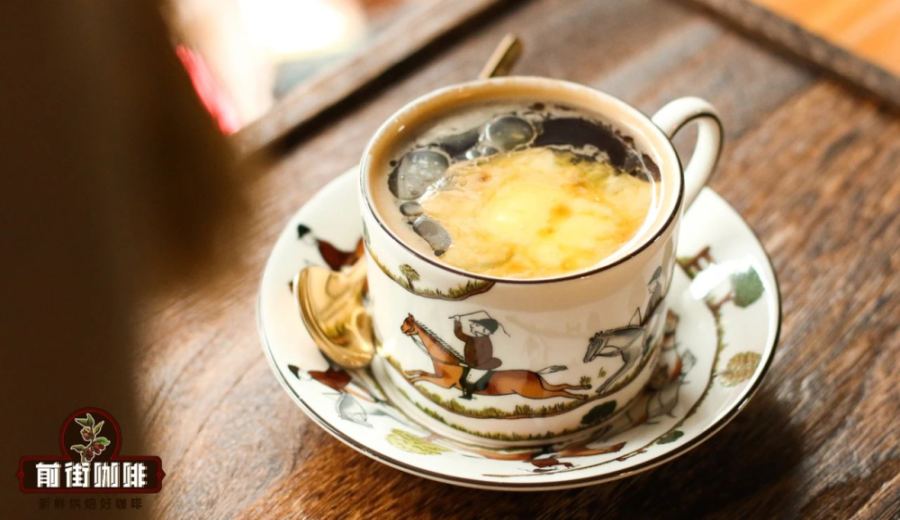
Introduction:The cross-industry combination of butter and coffee has garnered significant attention in recent years, not only enriching the texture of beverages but also unlocking unique layers of flavor. This article will detail the preparation methods for four popular butter-infused drinks—the Butter Americano, Butter Latte, Butter Dirty, and Butter Pour Over—covering everything from bean selection and butter characteristics to operational details and common pitfalls, along with practical parameter recommendations to help you easily recreate professional-level butter coffee at home.
Years ago, a small Butter Latte launched by a well-known chain brand quickly won over numerous coffee enthusiasts with its creamy texture and rich milk aroma, making butter a popular element in coffee creativity ever since. This article will systematically introduce the preparation methods for the Butter Americano, Butter Latte, Butter Dirty, and Butter Pour Over, breaking down everything from base bean selection to the application principles of butter, and including key step parameters and common error reminders to help you master this golden flavor trend.
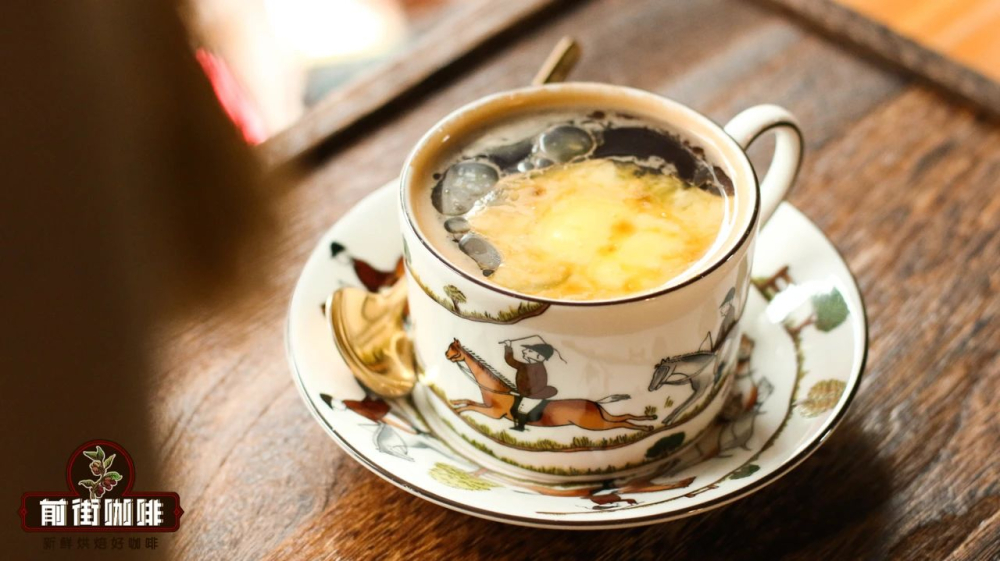
Looking back a few years, a renowned chain store first incorporated butter into espresso, creating an astonishingly smooth texture. Subsequently, various butter coffee variations emerged, becoming a new favorite for coffee enthusiasts’ at-home experiments. This article compiles multiple practical recipes that require no special tools and are easy to start with—follow the steps and try it out right away.
First, it’s essential to clarify a common misconception: the so-called "butter-pulled coffee" is actually a mispractice. The method involves placing a whole piece of butter directly at the bottom of the portafilter during espresso extraction, using high pressure to force the butter out and create a visually "pulled" effect. However, this approach leads to uneven coffee extraction, incomplete dissolution of the butter (which can easily residue), and severely impacts the final flavor profile—it is strongly advised to avoid trying this.
Butter is a dairy product made by separating cream and skim milk from milk, then undergoing processes such as maturation and churning. Its natural fat structure releases popcorn-like and toasted bread-like aromas when heated, making it particularly well-suited for pairing with hot beverages. It’s recommended to use dark roasted beans with pronounced caramelization flavors, such as espresso blends rich in oils and boasting notes of caramel, roasted hazelnuts, and buttery cookies—the cost-effective Black Cocoa Blend is a great choice.
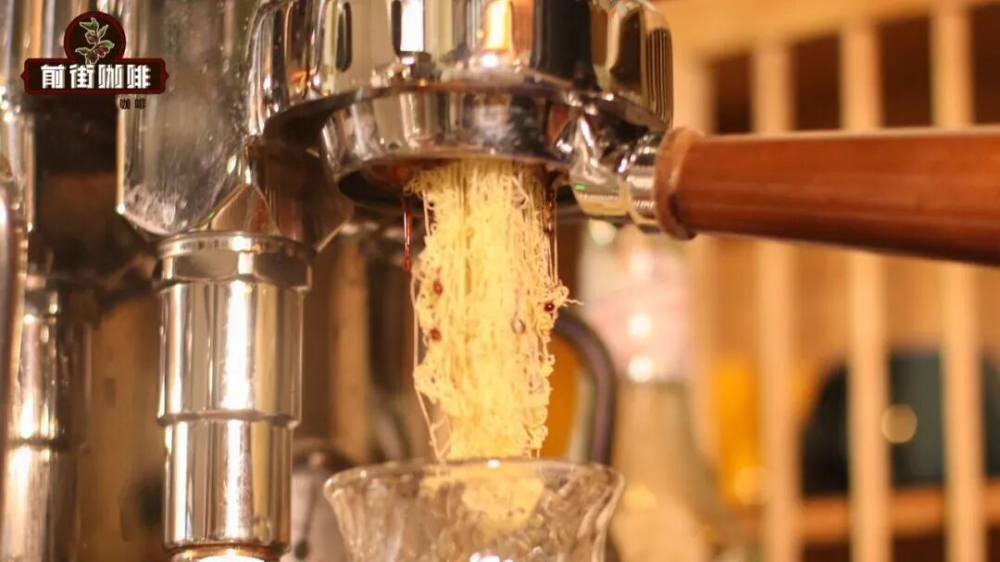
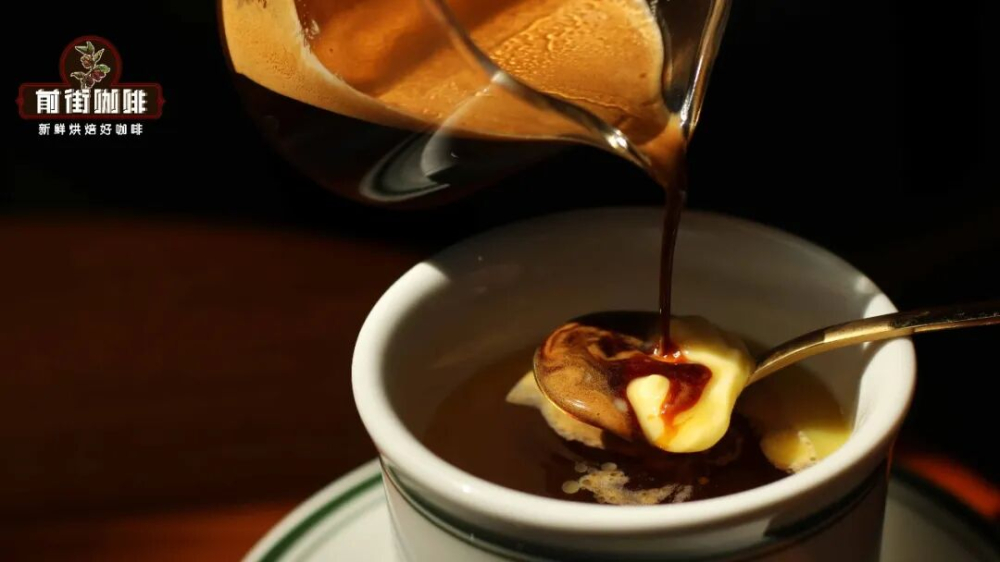
[Butter Americano] As the easiest entry-level option, simply add an appropriate amount of butter to an Americano (which can be made by diluting espresso with water, or brewed via moka pot or drip machine). Specific steps: place5g of butter blockat the bottom of the cup, brew20g of Black Cocoa Blend coffee groundsto make40g of espresso (extracted in 28 seconds),then gently stir with a spoon to help the butter melt. Finally, add160g of hot waterat a1:4 ratio. Alternatively, prepare the hot water first and then pour it over the espresso—this also achieves the desired effect. The final drink builds upon a dark chocolate and caramel base, layered with a silky texture and buttery roasted nut aromas, offering richer complexity, though the latter part may feel slightly oily—pair it with bread or nuts for the best experience.
[Butter Latte] The specialized butter-infused milk often seen in online tutorials can be hard to find, so it’s recommended to use pure butter directly. Two methods are provided: one is to mix10g of butterwith200ml of fresh milkat a1:20 ratioand melt it via steam or microwave; the other is to place10g of butterat the bottom of the cup and let it dissolve using the residual heat of the espresso. Brew20g of Black Cocoa Blend coffee groundsto make40g of espresso (in 28 seconds),then whip the butter milk to around55°Cbefore combining and latte art. This drink delivers an instantly creamy, silky texture upon drinking, with intense, full-bodied aromas of nuts, cheese, and cocoa—but the mouthfeel leans oily, akin to sipping a large cake.
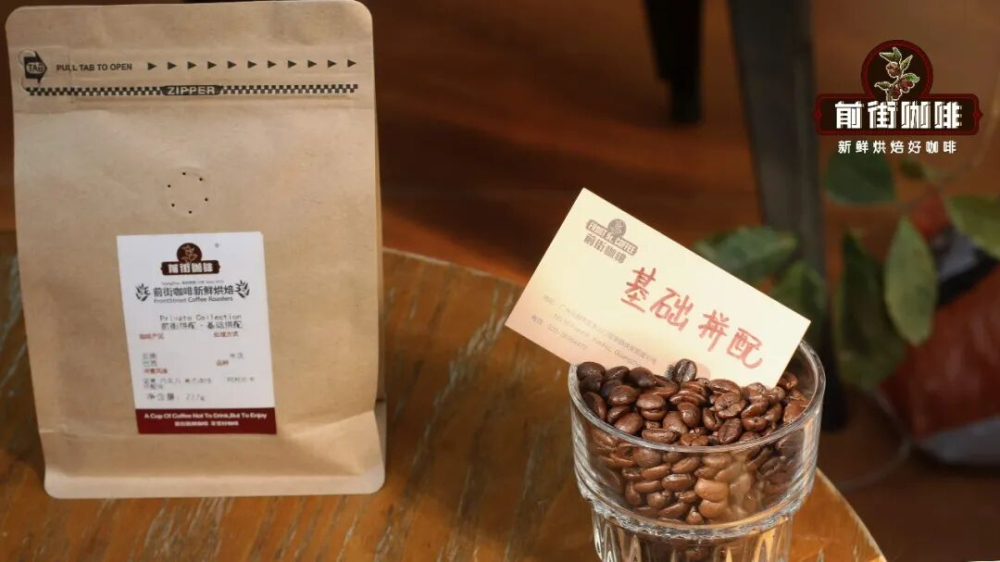
[Butter Dirty] The key lies in solving the butter melting issue—ensuring it remains "fixed" between the hot coffee and cold milk. Prepare160ml of cold milk, add3–5g of melted butter(you can also add an equal amount of light cream to slow solidification), then pour in the milk. Brew20g of a basic espresso blend coffee groundsto make32g of espresso (in 24 seconds),and shorten the distance between the portafilter spout and the milk surface to ensure the crema fully covers the top. When drinking, take a big sip—the first layer tastes of the coffee’s rich bitterness and roasted aroma, the middle layer offers a soft, slightly oily sensation, and the bottom layer provides the cool sweetness of fresh milk. The layers are distinct, but it should be consumed quickly to maintain its structure.
[Butter Pour Over] Japanese baristas discovered that butter can enhance the boldness of dark roasted beans, elevating the overall complexity. It’s recommended to usePWN Golden Mandheling(roasted on the darker side), paired with aKalita wave filter, with a15g(powder amount),1:15(powder-to-water ratio),grind size at 70% passing rate through a Chinese No. 20 sieve(equivalent to EK43s setting 11 / C40 setting 28), and a water temperature of86℃. Use a three-stage pouring method: first,30g of hot water for a 30-second bloom,then pour in a wide circle120g of hot water,and once the water level drops, slowly pour in a coin-sized circle75g. The total drip volume is approximately200g. Finally, add5g of butterat a40:1 ratioand stir until melted. The final drink combines the buttery popcorn aroma with Mandheling’s herbal undertones, delivering a taste of caramel, herbs, and nuts with a milky-smooth texture—bold yet slightly viscous.
The above content is compiled by CoffeeHunters, a coffee news website.


