







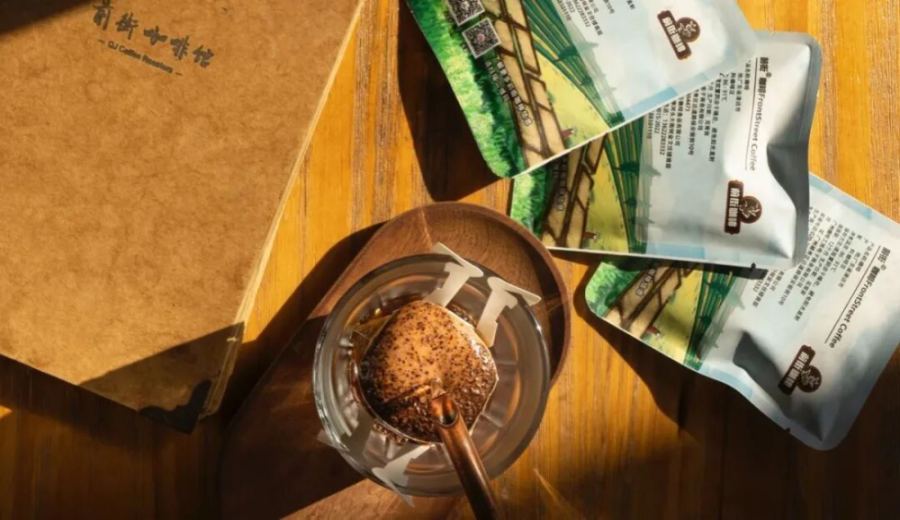
Introduction:Although drip bags are convenient, the pre-ground coffee leads to quicker aroma loss. Improper brewing often results in flat or over-extracted cups. This article shares three practical tips: using a tall, narrow cup for segmented pouring, gently stirring during brewing, and pouring the brewed coffee back into the bag for a second extraction. These methods help enhance the complexity and flavor expression of drip bags, fully unlocking the richness of Mandheling or the floral-fruity notes of Yirgacheffe.
Many coffee enthusiasts believe drip bags are just for convenience, lacking the aroma of freshly ground coffee. Some even find them either bland or overly bitter like dishwater. In reality, when stored properly and consumed within the three-week optimal period, drip bags can still deliver a decent baseline flavor. However, to better bring out the potential of seasonal varieties like Mandheling or Yirgacheffe, brewing technique is crucial. Below are three proven extraction methods to help you easily adjust to your desired taste profile.
First, because drip bags come pre-ground and sealed, their aroma dissipates noticeably faster than freshly ground coffee. This makes many flavor-focused consumers less interested, seeing them as a compromise. Still, with proper storage and consumption within three weeks, their original flavor characteristics remain largely intact. Even so, many users complain that their brews are either too bitter or lack layered acidity. To improve this, the following three practical techniques are worth trying—they can effectively elevate the overall performance of your drip bags.
Technique 1: Use a Tall, Narrow Cup with Segmented Pouring
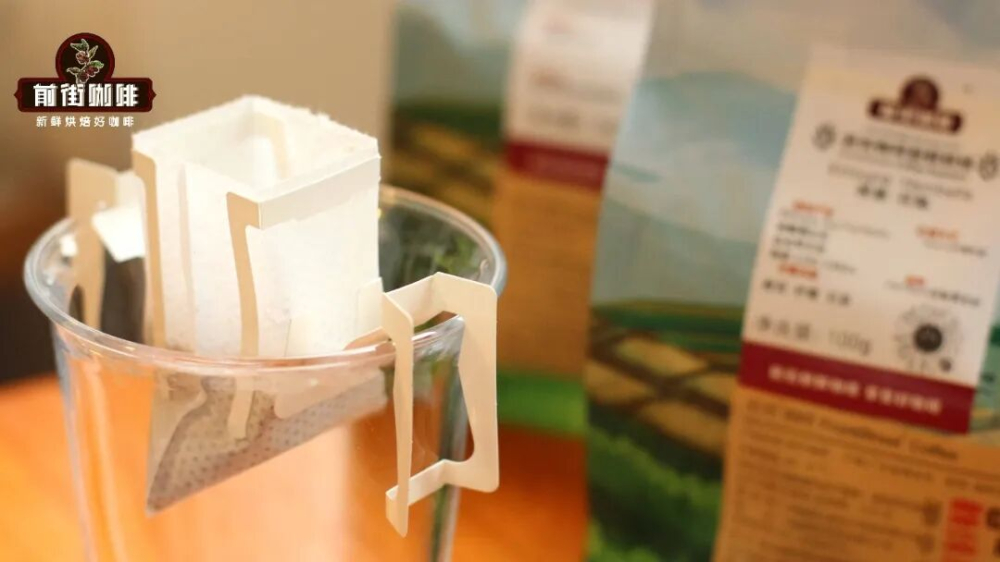
Drip bags are typically brewed directly in the cup you’ll drink from, so your cup choice directly impacts extraction. It’s recommended to usea taller cup with a narrower rim,such as a glass or mug. This prevents water from leaking outside the filter bag, avoids backflow of coffee liquid, and keeps the bag stable without slipping. Especially with shorter cups, the lack of support can cause the bag to sag, affecting water flow uniformity.
The coffee-to-water ratio for drip bags is similar to pour over, generally suggested at1:15,meaning 10 grams of coffee per pack to 150 grams (about 150 ml) of hot water. If you don’t have a scale, you can use the bag itself as a rough reference for water volume.
Different roast levels of drip bags also show slight variations in pouring behavior. For medium-dark roasts, degassing is more pronounced, with clearer volume markers—pouring halfway (about 20–30 ml) vs. near-full (about 50–60 ml). For medium-light roasts like Yirgacheffe, halfway is around 30–40 ml, and near-full is about 70–80 ml. These figures help you control total water volume more precisely.
For example, when brewing a Mandheling drip bag, you can pour in four segments: the first two pours each to halfway (about 50 ml), the last two to near-full (about 100 ml), totaling around 150 ml. For medium-light roasts like Huakui, Yirgacheffe, or Panamanian Geisha, if you want to enhance fruity notes, consider slightly increasing the ratio and pouring four times to halfway, for a total of about 160 ml. This helps “extract” more flavor fully.
Technique 2: Gentle Stirring While Pouring
Since drip bags use non-woven fabric filters with limited surface area—unlike pour over which creates visible turbulence or has a filter cone’s guiding design—hot water relies solely on gravity to drip through. Once the water level rises above the coffee bed formed by the bag, some water may bypass the grounds, leading to under-extraction and a flat flavor.
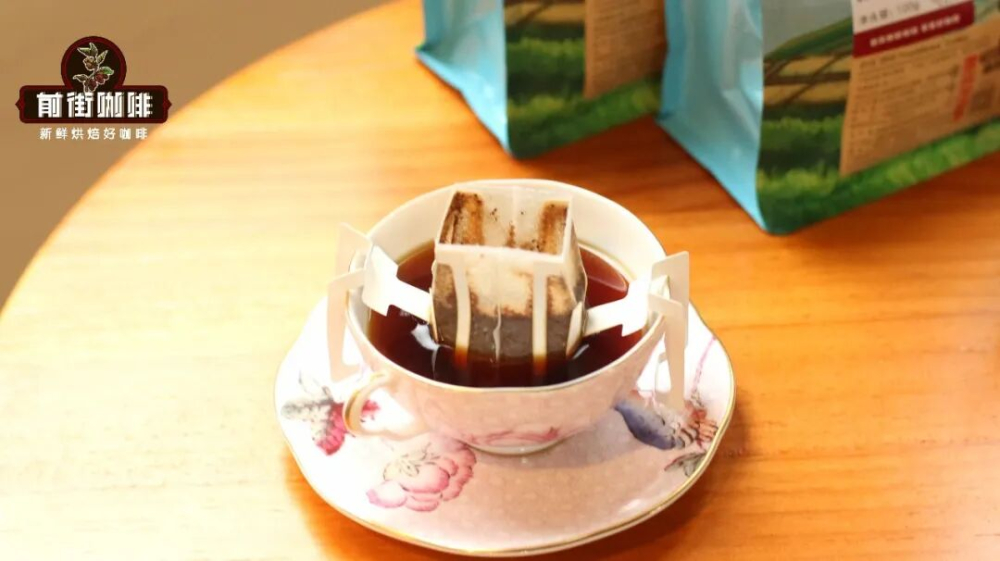
To improve this, it’s recommended to stir gently during pouring. For example, with a four-segment pour, after the first and second pours, use a small spoon or stirring stick to gently swirl 2–3 times. This boosts extraction efficiency in the early and mid stages, making the coffee’s acidity and sweetness more pronounced, and the overall mouthfeel richer.
Technique 3: Pour Brewed Coffee Back for Second Extraction
Many assume coffee can only be brewed once, but a second extraction can further release flavor compounds—especially effective for medium-light roasts. Testing shows the first brew mainly extracts acidic and sweet molecules along with some aroma, while the second brings out more nutty, tea-like, and sweet-aftertaste elements that add body.
To do this, adjust the coffee-to-water ratio and extend the number of pours. For instance, pour halfway first, then three more times to near-full, while slightly lowering the water temperature—medium-dark roasts suggest 80–85°C (let boiled water sit for about 7–8 minutes), medium-light roasts 86–88°C (let boiled water sit for about 5–6 minutes). This avoids over-extraction and, when the coffee cools to 70–75°C, reduces the risk of off-flavors, resulting in a smoother, more rounded cup with a longer finish.
The above content is compiled by CoffeeHunters, a coffee news website.


