








Introduction:Have you noticed how the flavor of hot coffee drops significantly after it cools down? This isn't just subjective perception—it’s closely related to taste perception, aroma volatility, and the state of the oils. This article delves into how temperature alters the balance of acidity, sweetness, and bitterness in coffee, explores the real differences in flavor when drinking hot versus cold, and provides suggestions for selecting high-profile beans that showcase distinct characteristics, helping you fully grasp the potential of your coffee.
Many people are accustomed to drinking coffee while it's hot because the flavor often doesn’t meet expectations once it cools. But did you know? This phenomenon is actually tied to subtle changes in taste science and aroma chemistry. This article will start with real drinking experiences to analyze why the flavor of hot coffee changes as it cools, and explain that not all coffee becomes unpleasant as the temperature drops. If you want to enhance your ability to discern flavors in coffee, we’ll also recommend several specialty bean varieties suited for different drinking temperatures at the end.
 The phrase "drink it while it’s hot" is common in daily life—whether it’s family urging you to drink your soup or friends reminding you to enjoy your coffee quickly, there’s a reason behind it. Once coffee cools down, its overall performance often declines noticeably. This isn’t an illusion. Based on years of observation and tasting records, when hot coffee cools completely, its flavor profile, aroma intensity, and mouthfeel details can all undergo significant changes.
So, what specific changes occur in coffee as it cools? Take one customer’s experience as an example: he brewed hot coffee using a medium-light roasted bean, and when it was freshly poured, he could clearly perceive rich floral and fruity aromas, including strawberry, mango, citrus, and delicate floral notes, with a balanced acidity and sweetness, and a smooth mouthfeel. However, when the coffee cooled completely, the aroma nearly disappeared, the acidity became sharp, and the overall mouthfeel felt thin, prompting him to sigh, “I guess it really is better to drink it while it’s hot.”
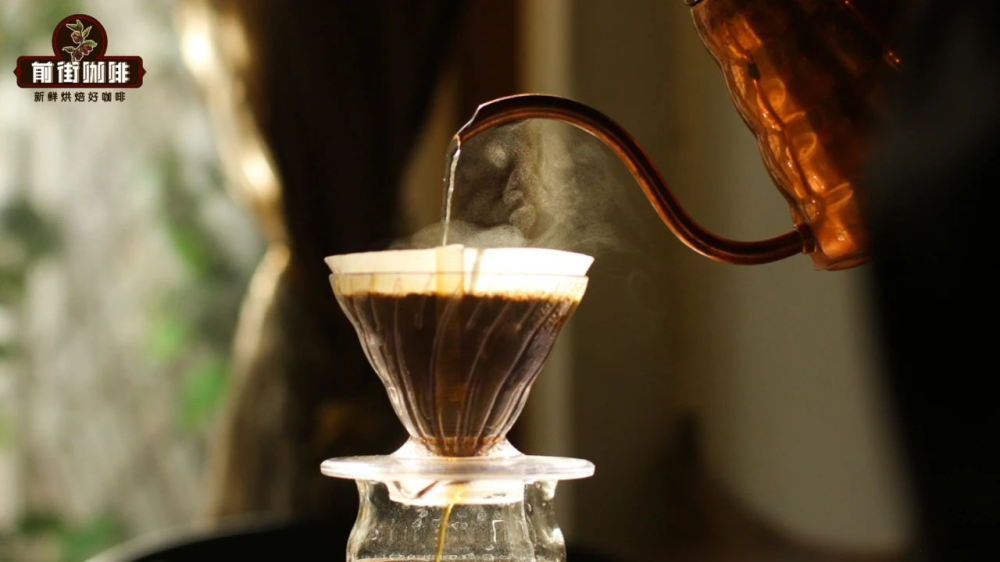 Such changes are actually related to multiple factors, including aroma volatilization, changes in oil condition, and differences in how our taste buds perceive flavors at varying temperatures. If you want to further train your palate, it’s recommended to choose single-origin beans with distinct flavor layers, such as medium-light roasted beans, which typically have higher aroma and sweet-acid recognizability, making them ideal for comparative tasting at different temperatures.
First, we need to clarify a common misconception: not all coffee becomes unpleasant when cooled—rather, most coffee tends to perform less ideally in flavor when the temperature drops. Additionally, if the coffee itself has brewing flaws, such as over-extraction or uneven extraction leading to undesirable flavors, these issues often become more pronounced as the coffee cools, further affecting the overall drinking experience.
How does temperature affect our taste judgment? Research shows that at high temperatures, the burning sensation of the liquid temporarily suppresses the sensitivity of our taste buds, causing our perception of bitterness, acidity, and sweetness to generally decrease. Conversely, when coffee cools, this “burning mask” disappears, and the taste buds begin to more acutely detect various flavors, especially bitterness and acidity. If the coffee lacks sufficient sweetness, the acidity and bitterness can easily become prominent, making the entire cup of coffee taste sharp and unbalanced.
 It’s worth noting that the “sweetness” in coffee doesn’t solely come from sugar content but is more of an overall sensation created by the synergy of aromas and flavor compounds. To fully appreciate the sweetness of coffee, it’s recommended to drink it when the temperature is close to body temperature, at which point the synergy between aroma and taste is most apparent. As the temperature continues to drop, the sweetness gradually weakens, while acidity and bitterness become more noticeable.
In addition to changes in taste perception, the loss of aroma is also a key factor affecting coffee flavor. The aroma of coffee mainly comes from volatile compounds, which begin to dissipate continuously after brewing. Over time, as the concentration of aroma decreases, the overall complexity and richness of the coffee also diminish. If left for too long, some volatile compounds may even undergo condensation, affecting the oil’s performance and thereby reducing the smoothness and fullness of the mouthfeel.
Overall, the reasons for the change in flavor when hot coffee cools can be summarized as shifts in taste sensitivity, the volatilization and loss of aroma, and possible changes in oil condition. However, not all coffee deteriorates when cooled—for instance, some specialty coffees with balanced flavors and minimal defects can still retain decent drinking value even when cooled, though they may be slightly less impressive compared to when hot.
The above content is compiled by CoffeeHunters, a coffee news website.


