







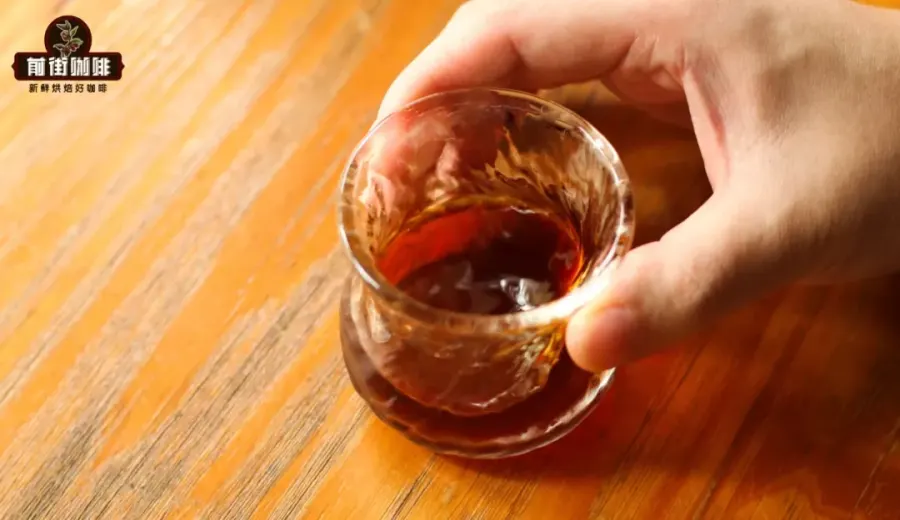
Introduction:The aftertaste of coffee is often overlooked, yet it is a crucial indicator of coffee quality. It not only reflects brewing and roasting techniques but also directly impacts the overall flavor experience. This article delves into the principles behind aftertaste formation, teaching you how to capture subtle aromas and sweetness through methods like closed-mouth breath retraction, and comparing the differences in aftertaste length and texture between pour over and espresso, helping you more comprehensively appreciate the layers and depth of coffee.
In the process of coffee tasting, aftertaste is an extremely critical yet easily overlooked aspect. The so-called aftertaste refers to the complex sensory experience that lingers in the mouth and throat after swallowing the coffee. This includes not only taste but also aroma, making it one of the key criteria for judging the quality of a cup of coffee.
Compared to the more直观 flavors and aromas, aftertaste tends to be more subtle, requiring tasters to possess certain sensory skills. Especially for beginners, accurately capturing this delicate after-flavor is not easy. However, once you master the method, you will be able to discover a deeper charm in coffee.
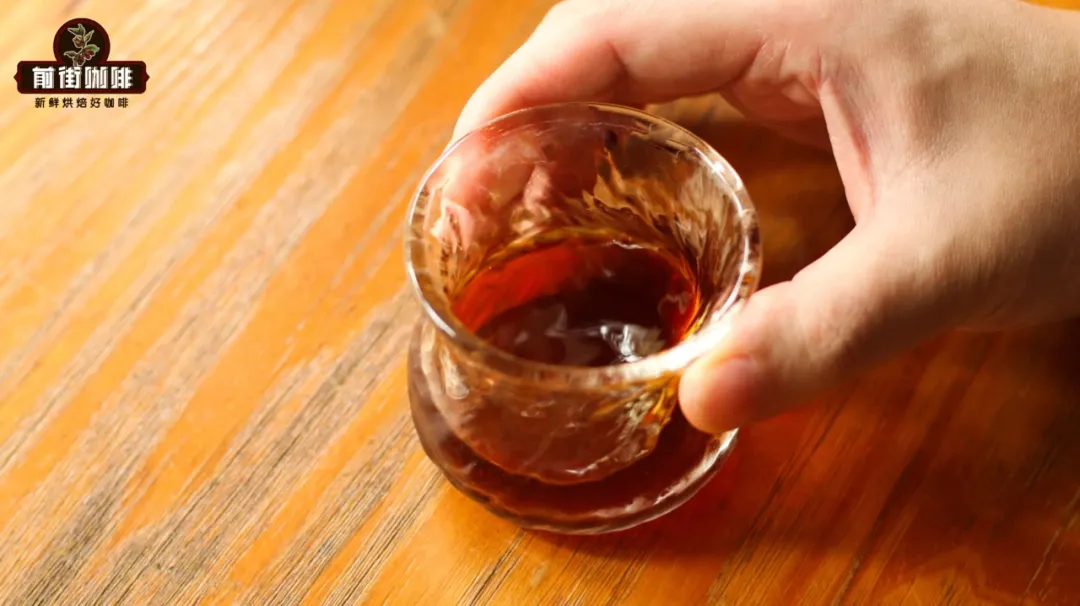
So, what exactly is coffee aftertaste? Simply put, it’s the substances left in the mouth (such as trace amounts of coffee liquid and oils) after you drink and swallow the coffee, which continue to interact and gradually release aromas and flavors over time. These substances react with saliva or slowly evaporate, continuously stimulating taste buds and olfactory nerves, thus forming what we call “aftertaste.”
To perceive aftertaste more clearly, it is recommended that you engage various senses further after drinking, especially your sense of smell and taste. Among them, the involvement of the olfactory sense is particularly important because many aroma components in the aftertaste are captured through the nasal cavity. You can try the “closed-mouth breath retraction” technique—after swallowing, gently close your mouth and then slowly exhale through the nose. This action brings the lingering aromas from the mouth to the nasal cavity, helping you more fully experience the layered aromas of the coffee.
If you want to further perceive the details of the taste, you can do so by swallowing saliva multiple times, allowing the residual flavor substances in the mouth to come into contact with the taste buds again, thereby extending and amplifying the perception of aftertaste. This technique is also frequently mentioned when discussing sweetness aftertaste and can effectively enhance sensitivity to aftertaste.
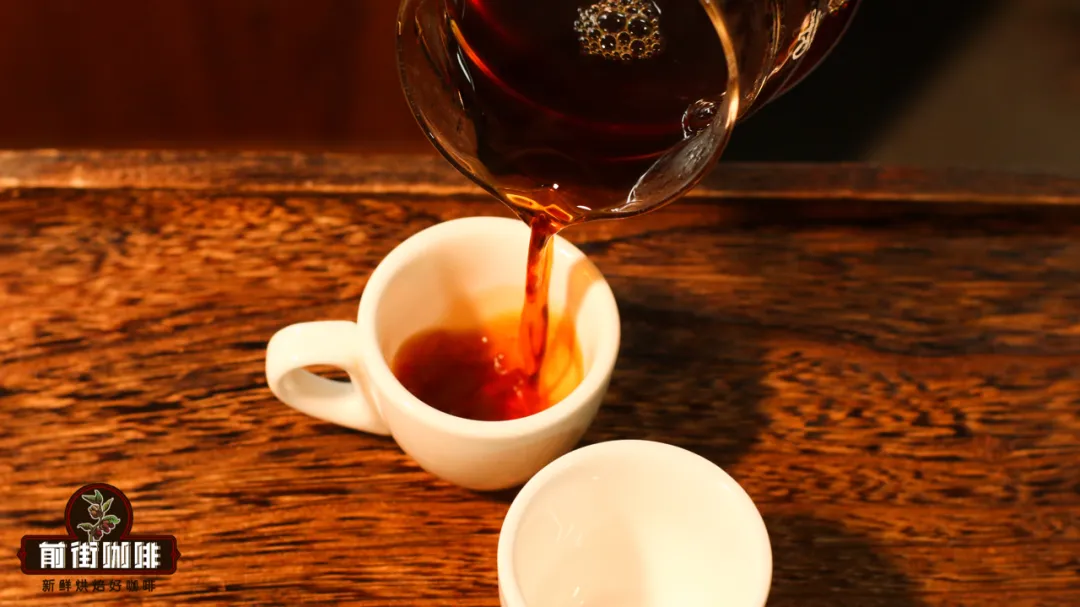
It is worth noting that not all aftertastes are pleasant. High-quality aftertaste is usually accompanied by soft aromas, natural sweetness, and even a hint of memorable slight astringency, creating an overall clean and lingering sensation. In contrast, low-quality aftertaste may be filled with unpleasant bitterness, off-flavors, and intense astringency, making it hard to linger in the mouth and significantly reducing overall enjoyment.
The quality of coffee aftertaste is closely related to the conditions of the coffee beans themselves, including variety, origin, processing method, roast level, and the final brewing method. Therefore, if you want to experience outstanding aftertaste, in addition to selecting high-quality coffee beans, attention should also be paid to the appropriate brewing or extraction technique.
Additionally, coffee of different roast levels also exhibits differences in aftertaste characteristics. Generally speaking, medium to light roasted coffee tends to have an aroma-oriented aftertaste, such as floral, fruity, or tea-like freshness; whereas medium to dark roasted coffee presents a more intense flavor profile in the aftertaste, such as the richness of chocolate, caramel, or creaminess. This is directly related to the types of aromatic compounds released at different roasting stages.

For example, take the Ethiopian · Ghimbi from a certain coffee bean lineup—it is medium to light roasted, with flavor notes of strawberry, pineapple, guava, and fresh floral aromas, while the aftertaste reveals berry, apricot, floral notes, and even a oolong tea-like finish, accompanied by a pleasant sweet-sour sensation. Another medium to light roasted option, the Emerald Estate · Green Label Geisha, features flavors of white floral, citrus, berries, and honey, with a clean and refreshing aftertaste, marked by floral and melon notes, which are very appealing.
In contrast, an example of medium to dark roasted coffee is the Jamaican · Blue Mountain No.1, whose main flavor profile includes chocolate, nuts, and cream, along with a caramel-like sweetness. In the aftertaste, aside from the scents of chocolate and cream, the distinctive aroma of Blue Mountain continues to emerge and quickly transforms into a pronounced sweetness, delivering a rich and layered overall performance.
It’s also worth mentioning that the duration of aftertaste is another important criterion for evaluating its quality. Under the same brewing and concentration conditions, the longer the aftertaste lasts, usually indicates that the coffee contains more high-quality flavor compounds, and has undergone proper roasting and brewing procedures that allow these components to be fully released and sustained.
However, this judgment needs to be based on the premise of the same brewing method, concentration, and extraction yield. Because the higher the extraction concentration and the more oils present, the longer the aftertaste typically lasts. This is also why espresso often has an exceptionally long-lasting and intense aftertaste—its high concentration and rich coffee oils allow the aromas and sweetness to remain in the mouth for a long time after swallowing, creating an unforgettable sweet-aftertaste experience.
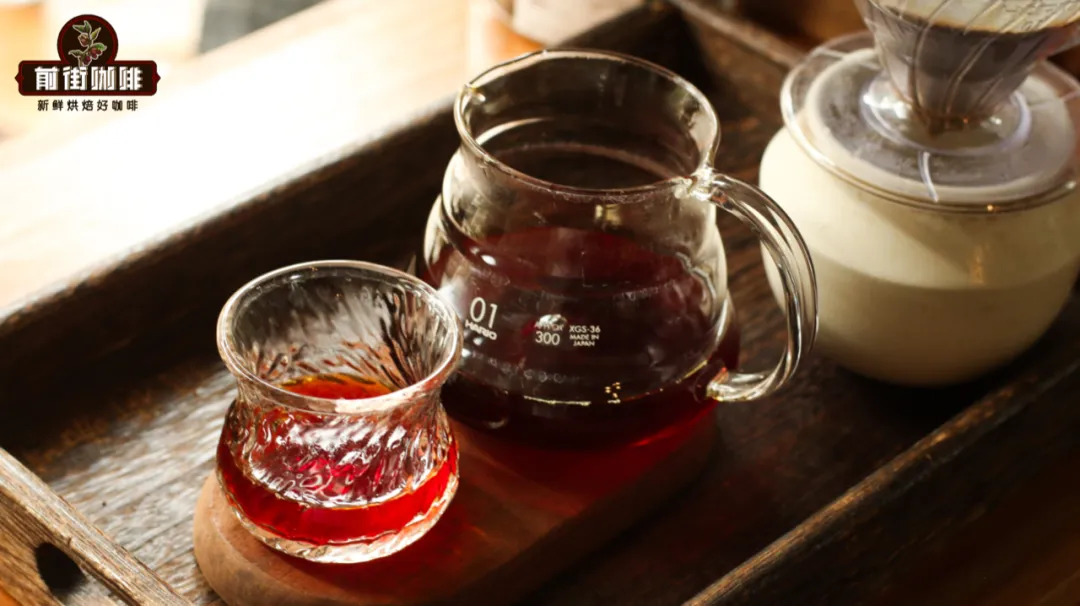
In summary, coffee aftertaste is not just an extension of flavor but also a microcosm of overall quality. Whether you prefer the delicate aromas of pour over coffee or the rich sweetness of espresso, understanding the sources and characteristics of aftertaste can help you more fully appreciate the unique qualities of each cup. Why not start with your next cup and try using techniques like closed-mouth breath retraction and multiple swallows to experience that coffee aftertaste that lingers long after swallowing.
The above content is compiled by CoffeeHunters, a coffee news website.


