







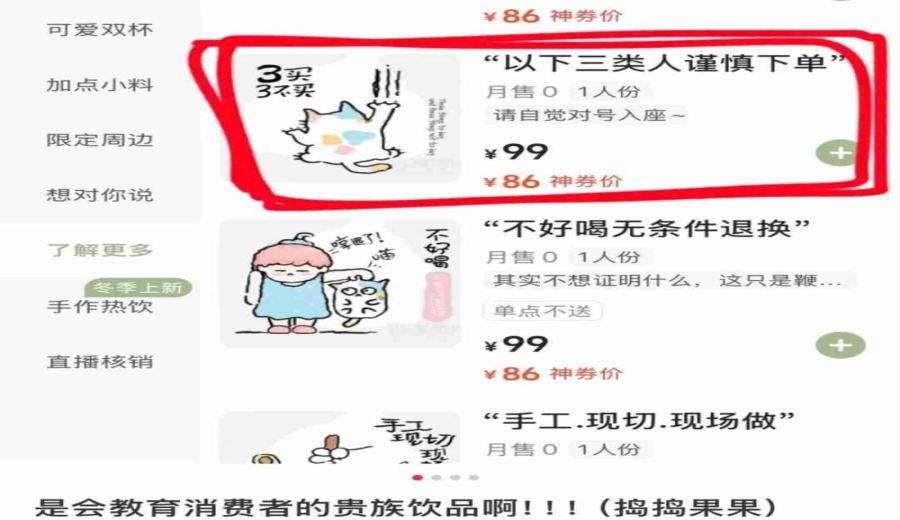
Introduction:A certain brand in Nanning, Guangxi, primarily known for its fresh fruit tea drinks, sparked heated online discussions due to a “purchase caution” message on its mini-program targeting a specific consumer group. The brand defined three types of customers as unsuitable buyers, which was criticized as consumer discrimination. After the incident gained traction, the brand issued an apology and removed the related content, while market regulatory authorities stepped in to investigate. This article outlines the course of the controversy and analyzes the sensitive points in consumer communication within the tea drink industry.
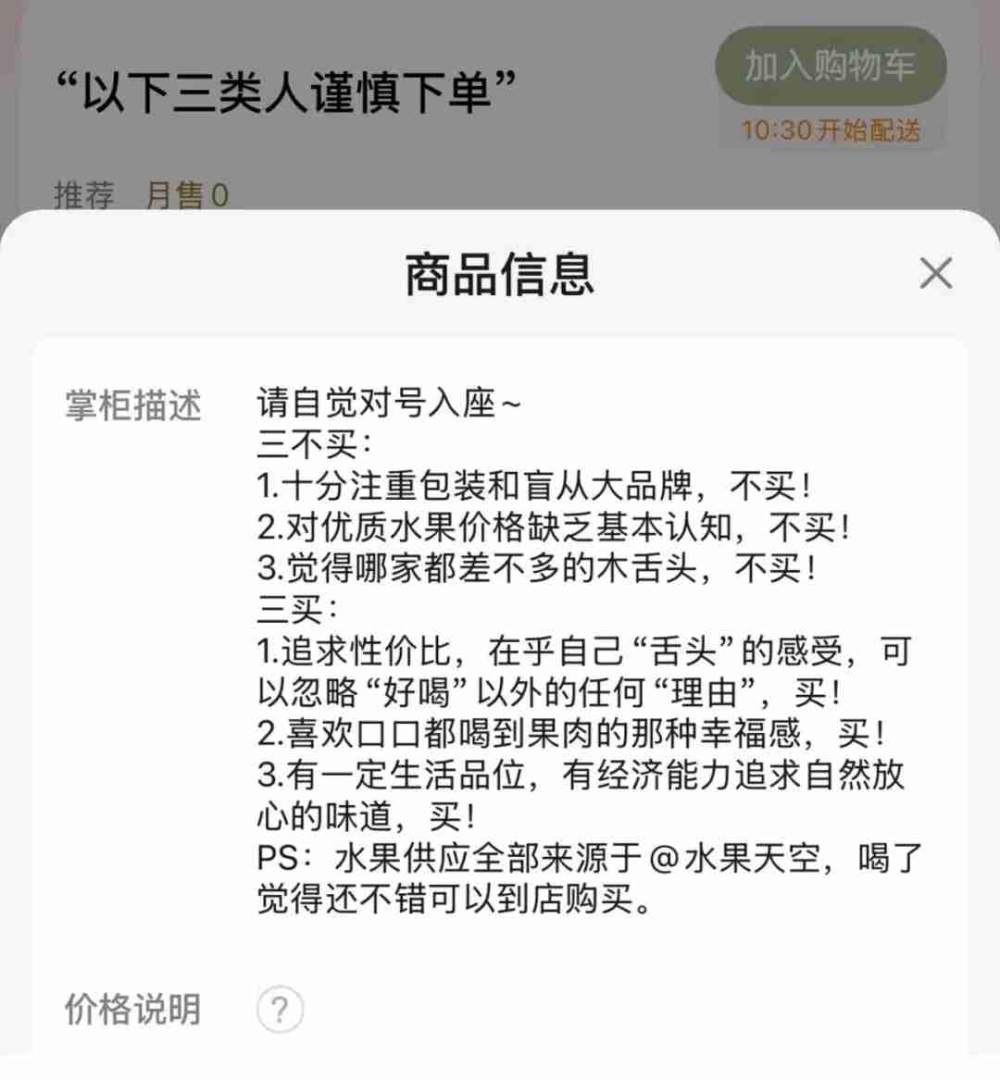
Recently, a local tea drink brand in Nanning, Guangxi, which markets itself with the selling point of fresh, high-quality fruits, found itself at the center of a public relations storm due to a consumer advisory note on its mini-program menu. Titled “The following three types of people, please order with caution and self-reflect accordingly~”, the note specifically listed three types of consumers that the brand deemed unsuitable for purchasing its products.
The controversial content explicitly targeted three groups of consumers: first, those who overly focus on product packaging and blindly pursue international luxury brands; second, consumers who lack basic awareness of the costs associated with high-quality fruits; and third, so-called “tasteless” individuals who believe there is little difference between various products. This direct categorization and ranking of consumer types quickly ignited intense debate on social media.
Many netizens questioned the brand’s tone and messaging style. Some consumers pointed out that although using fresh fruits as a product highlight is a common industry strategy, the condescending attitude in setting purchasing rules is genuinely off-putting. Various interpretations emerged in the comments section, with one viewpoint suggesting that the brand implied: its products have plain packaging, relatively high prices but use premium ingredients, and offer unique flavors that require professional tasting ability.
As the incident continued to gain heat, the brand officially issued an apology statement via social media on February 4th. The statement explained that the controversial copy was written by a former, early-stage operations staff member who had since left, admitting that they failed to identify and update the outdated content in time, and emphasized that the brand had no intention of lecturing consumers. However, this roughly hundred-word explanation failed to effectively calm public sentiment, with many netizens expressing dissatisfaction in the comments, believing that the brand was indirectly reprimanding consumers.
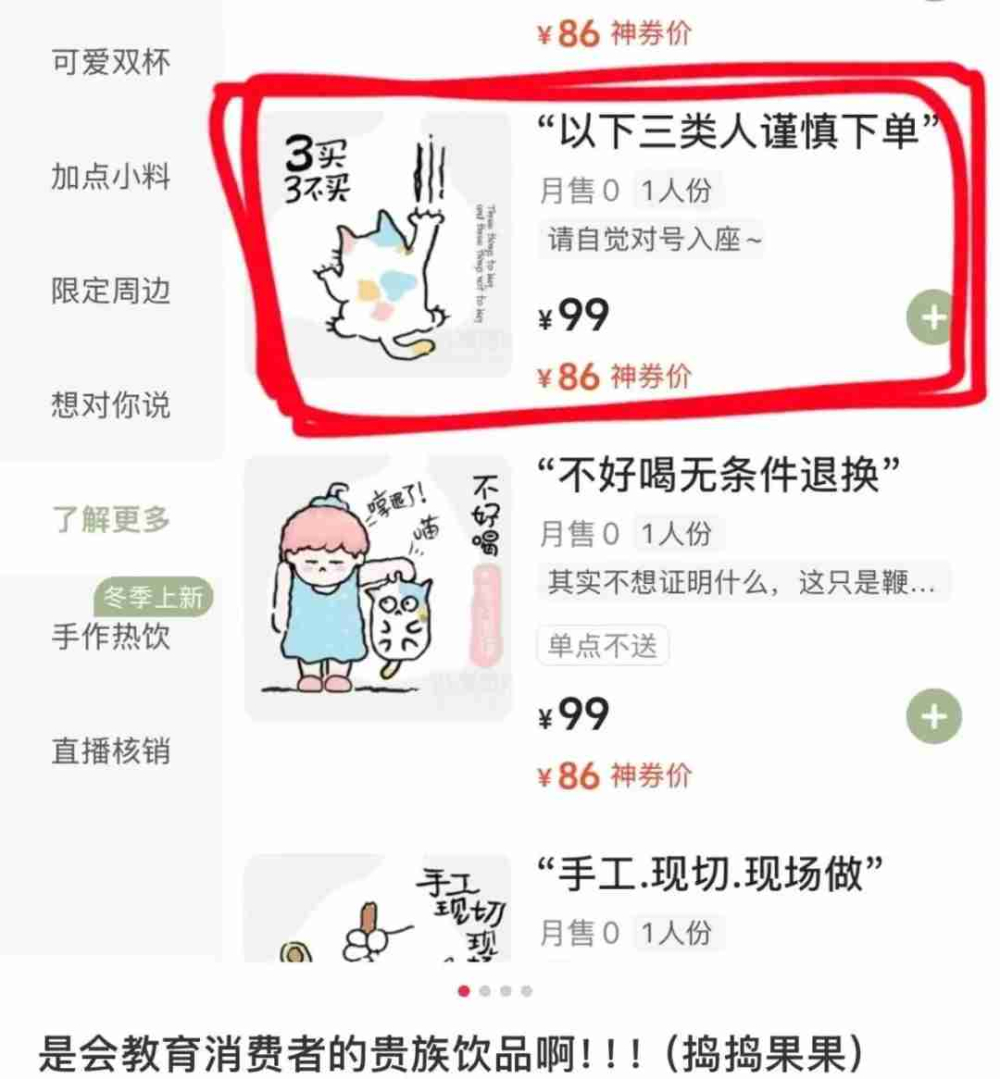
The latest update as of February 6th shows that the involved tea drink brand has removed the controversial content from its mini-program. Reporters contacted several stores in Nanning on-site, and staff members stated that the removal was carried out uniformly by the company, with specific details to be confirmed with the headquarters. However, attempts to contact the brand’s management through public channels were unsuccessful.
Notably, the brand’s official apology statement was deleted on the same day it was posted, and the comment permissions on the related social media pages have been adjusted to allow only followers to comment. Local market regulatory authorities confirmed that although no formal complaints had been received yet, they had instructed the district regulatory office to conduct an on-site inspection of the involved stores on the afternoon of February 6th.
From a professional perspective, this incident reflects typical issues in consumer communication within the new-style tea drink industry. Industry analysts pointed out that when formulating marketing strategies, tea drink brands should pay particular attention to avoiding inappropriate associations between product positioning and consumer identity. Especially when discussing topics such as price sensitivity and quality perception, more constructive communication methods are needed.
For consumers, such incidents also provide a reference for discerning business communication styles. When faced with product descriptions that clearly carry value judgments, it is advisable to maintain rational judgment and focus on the actual parameters and quality performance of the products themselves. Currently, the cost structure of mainstream tea drink products typically includes multiple dimensions such as fruit sourcing, production craftsmanship, and packaging design, all of which together determine the final pricing.
The above content is compiled by CoffeeHunters, a coffee news website.


