








Introduction:Many coffee enthusiasts, upon seeing an oily sheen on coffee beans, often worry whether the beans are no longer fresh or have gone bad. In fact, the presence of oil on coffee beans is not related to their quality—the key factor lies in the degree of roasting. This article delves into how the roast level determines how quickly coffee beans develop oil, analyzes the oiling characteristics across different roast depths, and provides practical storage tips to help you better understand your coffee beans.
When discussing whether coffee beans should be oily, many consumers often mistakenly assume that oil indicates good or bad quality.In reality, coffee bean oiling is not directly related to quality, but is closely tied to the roast level. By understanding how roasting affects the internal structure of coffee beans and the migration of oils, we can more scientifically assess the beans’ condition and further determine the optimal brewing timing and storage methods.
First, it’s important to know that coffee beans inherently contain a rich amount of natural oils. These lipids mainly come from the seed structure of the beans and account for about10% to 18%of the dry weight, with variations depending on the variety. Generally speaking,Arabica beans tend to have higher oil content than Robusta beans, with the former ranging around 14% to 18% and the latter about 9% to 12%. This is also one of the reasons why Arabica beans typically offer richer and more nuanced aromatic profiles.

However, these oils do not appear on the surface of the beans right away. The phenomenon of oiling is primarily influenced bythe roast level. The roasting process not only changes the beans’ color, flavor, and density, but also directly impacts the cellular structure and oil distribution within the bean. Simply put, the darker the roast, the more porous the internal structure becomes, making it easier for oils to migrate to the surface.
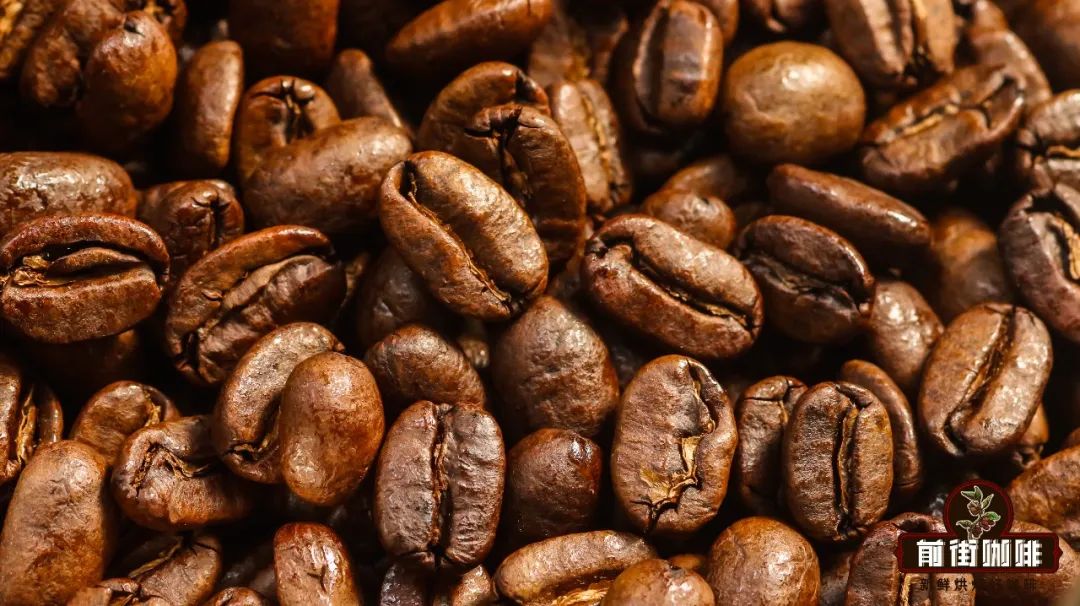
When coffee beans are roasted to a lighter degree—such as medium-light roasts that are dropped at the first crack—the beans undergo limited expansion, and their cell walls remain relatively intact. As a result, oil migration is slow, and it may take several weeks for only a slight gloss to appear on the surface. In contrast, if the roast progresses to the second crack or even darker stages, the beans expand significantly and the cell structure is noticeably compromised, allowing oils to rapidly diffuse outward and become visibly glossy on the bean surface in a short period.
For example, a medium-light roast coffee such as “Ethiopia · Hamashu” from a certain café, which is dropped during the first crack, may only appear slightly shiny on the surface after one month post-roast, with almost no noticeable oil stains, maintaining a dry-looking exterior. Its flavor profile is dominated by strawberry, mango, floral notes, and guava. Such light roasts are generally well-suited for pour over brewing, highlighting bright acidity and layered fruity complexity.
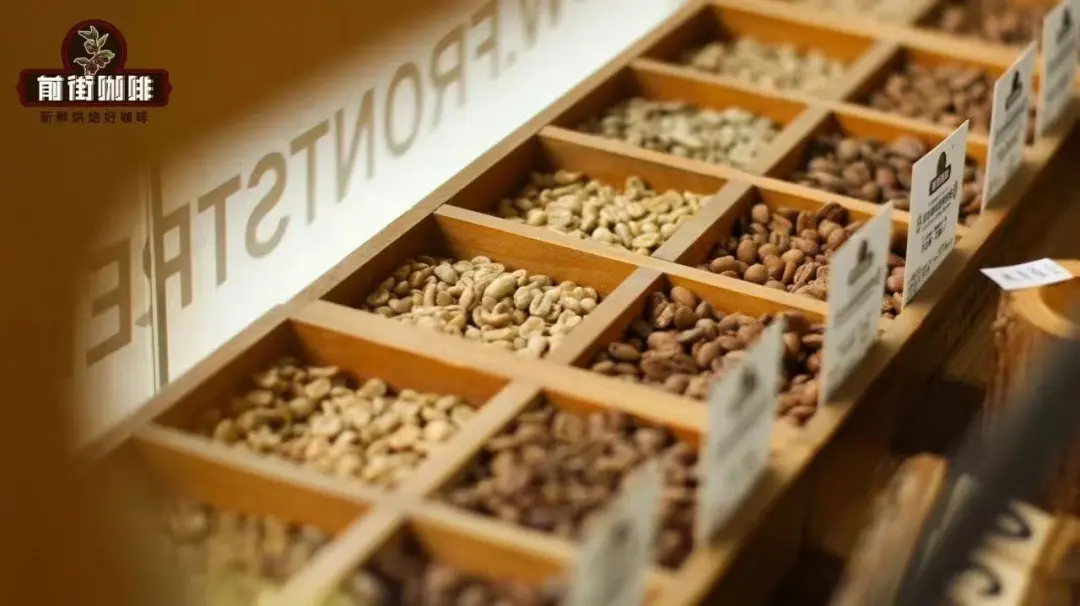
On the other hand, dark roasts like “a certain café’s Indonesia · PWN Golden Mandheling,” which are dropped after the second crack, may show obvious oil on the surface just one day after roasting, with oil quantity continuing to increase over time. Such beans are commonly used for espresso or dark roast pour over, offering flavors such as chocolate, caramel, nuts, and spices, along with a relatively thick and bold crema.
It’s worth noting that if the roast degree is pushed even further, some beans may exhibit oil on the surface right out of the roaster. This is related to factors such as roast duration, temperature curve, and cooling efficiency. Therefore,observing whether there is an oily sheen on the coffee bean surface can only serve as one reference for roast depth—not as an absolute criterion for freshness.
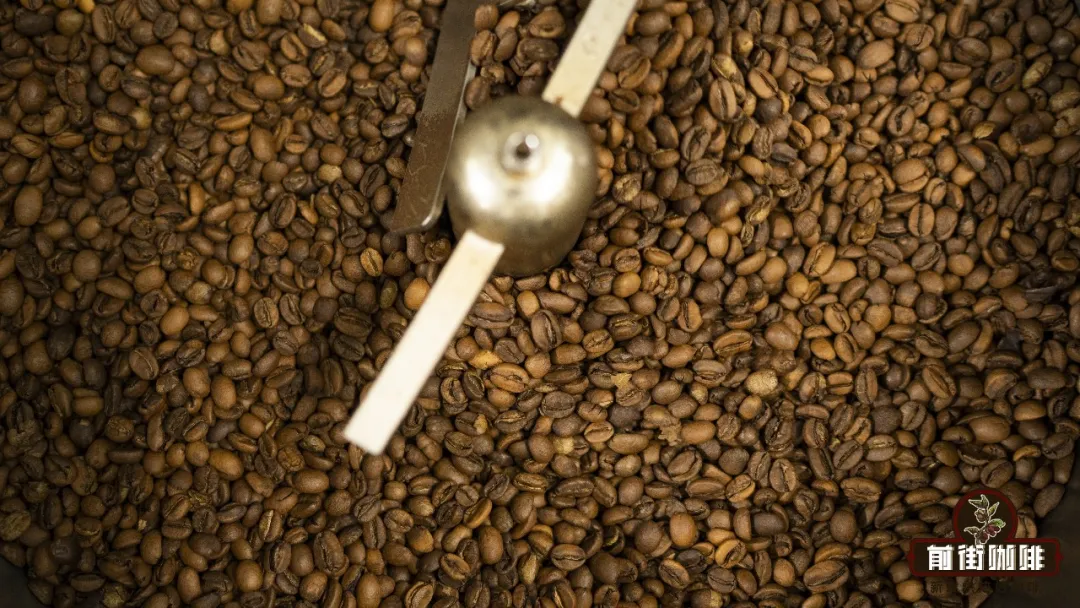
In summary, coffee bean oiling is a normal physical phenomenon and does not directly indicate spoilage. However, oily beans, due to the exposed surface oils, are indeed more prone to absorbing moisture and oxygen. If not stored properly, their flavor deterioration can accelerate. Therefore, if you’ve purchased dark roasted beans that are already oily, it’s recommended to store them in an airtight container and place them in a cool, dry area, away from direct sunlight and high temperatures, in order to prolong their peak flavor period.
Understanding the principles behind coffee bean oiling can help you make wiser decisions when selecting and storing your coffee beans. Whether you prefer light roast pour over or dark roast espresso, you’ll be able to better enjoy the unique flavors of each cup.
The above content is compiled by CoffeeHunters, a coffee news website.


